How to Detail Your Car’s Dashboard and Center Console invites you on a journey to transform your vehicle’s interior, revealing the often-overlooked areas that significantly impact your driving experience. This comprehensive guide will equip you with the knowledge and techniques to meticulously clean and preserve these vital components, ensuring a pristine environment every time you get behind the wheel.
We will delve into the importance of maintaining a spotless dashboard and center console, exploring the benefits of regular detailing, such as prolonging material life and enhancing overall comfort. You’ll discover the essential tools and supplies needed, learn how to prepare these surfaces for cleaning, and master the art of cleaning various materials, from plastics and vinyl to leather and sensitive screens.
Furthermore, we will cover how to tackle specific issues like stains, dust, and odors, and provide tips for advanced techniques and long-term maintenance, culminating in a showroom-worthy finish.
Introduction to Dashboard and Center Console Detailing
A pristine car interior significantly contributes to a more enjoyable and comfortable driving experience. Among the most visible and frequently touched areas, the dashboard and center console are paramount to maintaining this sense of cleanliness and order. Their upkeep not only affects the aesthetic appeal of your vehicle but also plays a crucial role in preserving the longevity of its materials.Regular detailing of your dashboard and center console offers a multitude of benefits that extend beyond mere appearance.
These surfaces are exposed to constant wear and tear, sunlight, and potential spills, which can lead to fading, cracking, and staining. Proactive care helps to mitigate these issues, ensuring your car’s interior remains in excellent condition for years to come. This detailed guide will walk you through the essential steps to effectively clean and protect these vital components of your vehicle.
Importance of a Clean Car Interior
The interior of your vehicle is your personal space while on the road. A clean and well-maintained interior fosters a sense of calm and professionalism, reducing distractions and enhancing overall driving safety. Dust, grime, and debris can accumulate quickly, impacting air quality and potentially exacerbating allergies for occupants. Prioritizing the cleanliness of areas like the dashboard and center console, which are central to your interaction with the vehicle’s controls, is therefore a fundamental aspect of responsible car ownership.
Benefits of Regular Dashboard and Center Console Detailing
Consistent detailing of your dashboard and center console yields significant advantages. It is not simply about making your car look good; it is about protecting your investment and ensuring a pleasant environment.
- Material Preservation: Regular cleaning and conditioning prevent plastics, vinyl, leather, and other materials from drying out, cracking, or fading due to UV exposure and environmental factors. This directly extends the lifespan of these components.
- Enhanced Driving Experience: A clean dashboard and center console reduce glare from sunlight on dusty surfaces, improving visibility. It also creates a more pleasant and less distracting environment, allowing you to focus better on the road.
- Improved Hygiene: These surfaces are high-touch areas, accumulating germs and bacteria. Regular cleaning helps maintain a more hygienic environment for you and your passengers.
- Increased Resale Value: A well-maintained interior, particularly the dashboard and center console, can significantly contribute to a higher resale value when it’s time to sell your car.
Overview of the Detailing Process
The process of detailing your dashboard and center console involves several key stages, designed to thoroughly clean, protect, and restore these surfaces. Each step is crucial for achieving optimal results and ensuring the longevity of your car’s interior.The comprehensive approach typically includes:
- Initial Dusting and Debris Removal: This foundational step removes loose particles that can scratch surfaces during subsequent cleaning.
- Surface Cleaning: Utilizing appropriate cleaning agents to break down grime, oils, and stains without damaging the materials.
- Detailing Crevices and Vents: Employing specialized tools to reach and clean intricate areas often overlooked.
- Material Conditioning and Protection: Applying protectants to shield surfaces from UV rays and environmental damage, while also restoring their natural look.
- Screen and Trim Restoration: Addressing delicate surfaces like infotainment screens and glossy trim for a polished finish.
Essential Tools and Supplies for Dashboard and Console Cleaning
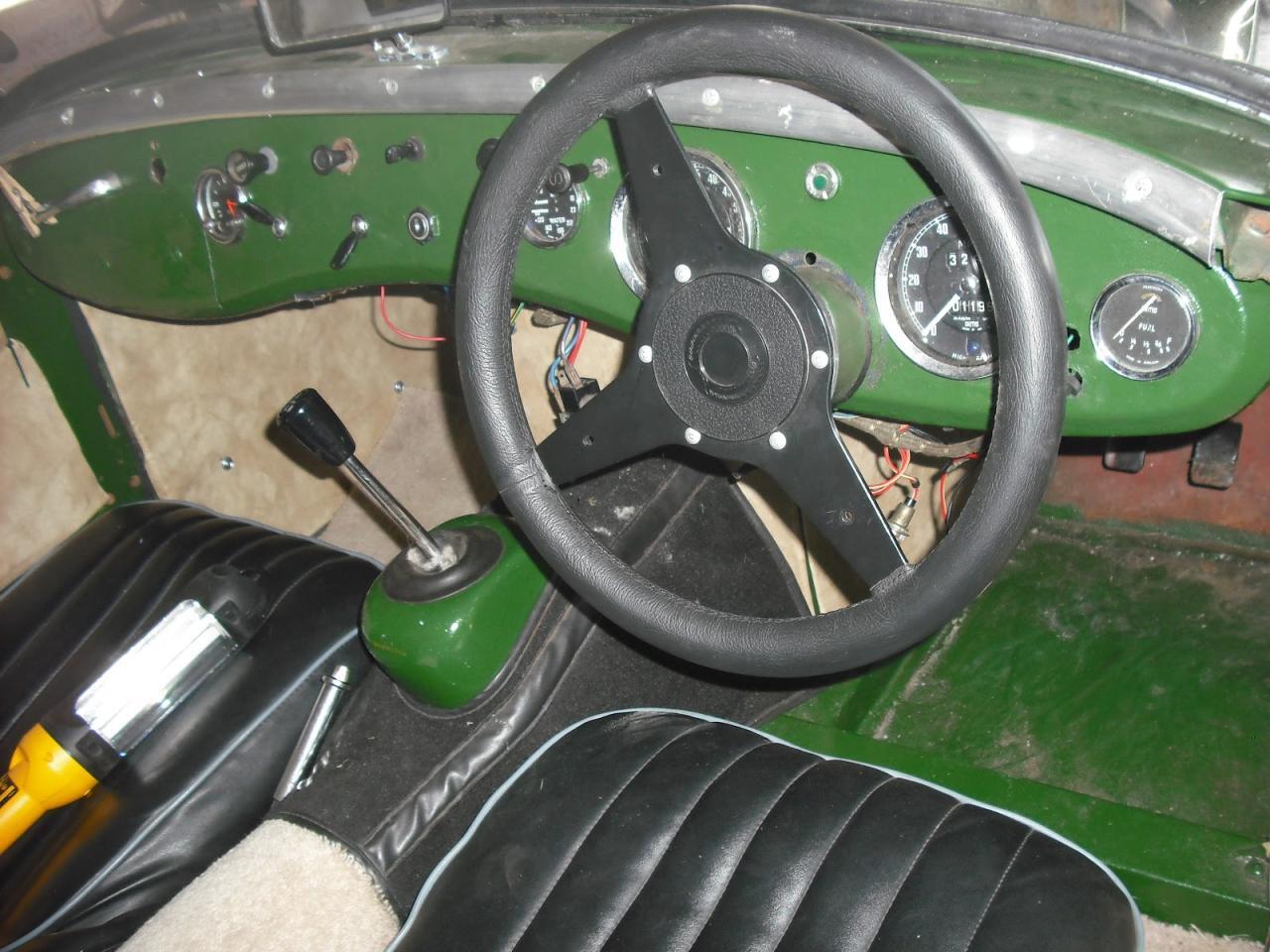
To effectively detail your car’s dashboard and center console, having the right tools and cleaning supplies is paramount. These items are designed to safely and efficiently remove dust, grime, and stains from various surfaces without causing damage. Investing in quality products will not only make the cleaning process easier but also ensure a lasting, pristine finish for your interior.A well-equipped detailing kit for your car’s interior will make the process significantly more manageable and effective.
The selection of tools and products should cater to the diverse materials found in a car’s dashboard and console, from hard plastics to delicate screens and soft vinyl. Proper preparation with the right supplies ensures a thorough clean and protects your vehicle’s interior from premature wear and tear.
Must-Have Tools for Effective Dashboard and Console Detailing
Having the correct tools at your disposal is the first step towards a professional-looking interior detail. These tools are designed for precision, gentle application, and thorough cleaning of intricate areas.
- Microfiber Towels: Essential for wiping, buffing, and drying. Their soft, lint-free nature prevents scratching delicate surfaces. Have several on hand for different tasks.
- Detailing Brushes: A set of brushes with varying bristle stiffness is crucial for agitating dirt in crevices, vents, and around buttons. Natural bristles are good for general dusting, while synthetic bristles can handle light cleaning solutions.
- Cotton Swabs: Ideal for reaching extremely tight spots and cleaning around buttons and seams where larger tools cannot access.
- Interior Cleaning Mitts or Sponges: For applying cleaning solutions and gently scrubbing larger, flat surfaces. Opt for soft, non-abrasive materials.
- Vacuum Cleaner with Attachments: A small, portable car vacuum with crevice tools and brush attachments is invaluable for removing loose debris before and during the cleaning process.
- Compressed Air Duster: Excellent for blowing dust and debris out of vents, speaker grilles, and tight gaps, making them easier to vacuum or wipe away.
- Plastic and Vinyl Applicators/Sponges: Small, dense foam applicators are useful for applying protectants and dressings evenly to plastic and vinyl surfaces.
Recommended Cleaning Products for Various Surfaces
The interior of your car comprises a variety of materials, each requiring specific cleaning agents to maintain its integrity and appearance. Using the wrong product can lead to discoloration, drying, or damage.The following list categorizes recommended cleaning products based on the surfaces they are designed to treat. It is always advisable to test any new product in an inconspicuous area before applying it to the entire surface.
Plastic, Vinyl, and Rubber Surfaces
These materials are common throughout the dashboard and center console. They require cleaners that can lift dirt without stripping protective coatings or causing the material to become brittle.
- All-Purpose Interior Cleaner: A pH-neutral cleaner is a good starting point for general dirt and grime. Look for formulas specifically designed for automotive interiors.
- Plastic and Vinyl Cleaner/Degreaser: For tougher stains or greasy residues, a dedicated cleaner can be more effective. Ensure it is safe for automotive plastics.
- Protectant/Dressing: After cleaning, a protectant replenishes moisture, provides UV protection, and leaves a non-greasy, satin finish. Matte or satin finishes are generally preferred over high gloss for a factory look.
Leather Surfaces
If your car has leather seats or accents on the dashboard and console, specific care is needed to prevent drying, cracking, and staining.
- Leather Cleaner: A mild, pH-balanced cleaner formulated for automotive leather is essential. Avoid harsh soaps or all-purpose cleaners that can strip natural oils.
- Leather Conditioner: After cleaning, a conditioner will rehydrate the leather, keeping it supple and protected from UV damage and wear.
Screens (Infotainment, Instrument Cluster)
Electronic screens are particularly sensitive and can be easily scratched or damaged by harsh chemicals.
- Screen Cleaner: Use a cleaner specifically designed for electronic screens. These are typically alcohol-free and ammonia-free to prevent damage to anti-glare coatings.
- Microfiber Cloths: As mentioned, high-quality microfiber is crucial for screens. Use a dedicated, clean microfiber cloth solely for screen cleaning to avoid transferring dust or abrasive particles.
“Gentle, specialized cleaners are key to preserving the material integrity and aesthetic appeal of your car’s interior surfaces.”
Microfiber Cloths vs. Other Cleaning Materials
The choice of cleaning material significantly impacts the safety and effectiveness of your detailing efforts. Microfiber has become the industry standard for good reason, but understanding its advantages over other materials is important.Microfiber cloths are engineered with a unique structure that makes them superior for automotive detailing. Their effectiveness stems from the composition of their fibers, which are split into microscopic strands.
This structure allows them to trap dirt, dust, and moisture more effectively than traditional cotton or paper towels.
Microfiber Cloths
Microfiber cloths are made from synthetic fibers, typically a blend of polyester and polyamide. Their fine structure allows them to lift and hold onto dirt particles, preventing them from being simply smeared across the surface. This characteristic is vital for avoiding scratches on sensitive interior surfaces like high-gloss plastics, screens, and painted trim.
- Pros: Extremely absorbent, highly effective at trapping dirt and dust, non-abrasive, lint-free, durable, and can be washed and reused many times. Different weaves (e.g., plush, waffle, twisted loop) are suited for specific tasks like drying, polishing, and general cleaning.
- Cons: Can be more expensive upfront than conventional cloths, and improper washing (e.g., with fabric softener or in a hot dryer) can degrade their effectiveness.
Other Cleaning Materials
While microfiber is the preferred choice, other materials have been used historically or may be considered for specific, less sensitive tasks. However, their use on delicate interior surfaces is generally discouraged.
- Cotton Cloths/Towels: Traditional cotton materials are absorbent but have larger fibers that can leave lint and are more prone to scratching delicate surfaces if any grit is present. They are not as effective at trapping fine dust particles.
- Paper Towels: While convenient for quick cleanups, paper towels are abrasive and can leave lint. They are not suitable for regular interior detailing, especially on screens or high-gloss finishes, as they can cause micro-scratches over time.
- Sponges (Non-Microfiber): Generic household sponges can be too abrasive for car interiors. Even soft foam sponges, if not specifically designed for automotive use, might hold onto grit and cause damage.
Preparing the Dashboard and Center Console for Cleaning
Before diving into the actual cleaning, a crucial preparatory phase ensures a more effective and safer detailing process. This involves meticulously clearing the surfaces and safeguarding sensitive areas, setting the stage for a thorough and damage-free rejuvenation of your car’s interior.This step is about creating a clean slate and preventing accidental damage to delicate components. By taking a few moments to organize and protect, you’ll make the subsequent cleaning steps much smoother and yield superior results.
Clearing the Dashboard and Center Console of All Items
A clutter-free workspace is essential for efficient and thorough detailing. Removing all items from the dashboard and center console allows for unobstructed access to every surface, ensuring no area is missed during the cleaning process. This also prevents items from being damaged or becoming obstacles.A systematic approach to clearing will make the process quick and easy:
- Begin by gathering a designated container or bag for all removed items. This prevents them from getting lost or mixed with cleaning supplies.
- Start with the dashboard, carefully removing items such as sunglasses, charging cables, coins, air fresheners, and any personal accessories. Pay attention to cup holders and small storage compartments.
- Proceed to the center console. This typically includes removing items from the main storage bin, the area around the gear shifter, cup holders, and any smaller trays or pockets.
- If you have a phone mount or other accessories attached to the dashboard or console, gently detach them.
- Consider taking a quick photo of the dashboard and center console before removing items. This can be helpful for remembering where certain accessories were placed, especially if you have many.
Removing Dust and Loose Debris
Once the surfaces are cleared, the next step is to remove any loose particles that can scratch or mar the surfaces when scrubbed with cleaning solutions. This initial dry cleaning is vital for protecting the integrity of your dashboard and console materials.Effective techniques for dry debris removal include:
- Soft Bristle Brushes: Utilize a variety of soft-bristled brushes. Small detailing brushes are excellent for getting into tight crevices, air vents, and around buttons. A slightly larger, but still soft, brush can be used for broader dashboard areas. Gently sweep dust and debris towards the edges or vacuum nozzle.
- Microfiber Towels: Use a clean, dry microfiber towel to gently wipe down surfaces. Microfiber is designed to trap dust and particles without scratching. Fold the towel to create multiple clean surfaces, and switch to a fresh towel as needed.
- Compressed Air: For intricate areas like air vents, button surrounds, and speaker grilles, compressed air is highly effective. A short burst of air can dislodge dust and debris, making it easier to capture with a brush or vacuum. Ensure the can is held upright to prevent propellant from spraying.
- Vacuum Cleaner with Brush Attachment: A vacuum cleaner equipped with a soft brush attachment is ideal for larger areas and for sucking up the debris loosened by brushing. Use low suction if possible to avoid pulling on delicate trim pieces.
It is important to work from top to bottom, allowing gravity to assist in moving debris downwards, where it can be more easily collected.
Protecting Sensitive Electronic Components and Displays
Modern car interiors are equipped with numerous electronic components, including touchscreens, instrument clusters, and various buttons. These delicate areas require special attention and protection during the cleaning process to prevent moisture damage or scratching.To ensure the safety of these components:
- Masking Tape: Use painter’s tape or automotive-specific masking tape to cover sensitive screens, buttons, and areas around sensors. This tape is designed to adhere securely without leaving residue. Apply it carefully to create a protective barrier.
- Electronic Display Protection: For infotainment screens and instrument clusters, consider using a dedicated screen protector or a very lightly dampened microfiber cloth (dampened with water only) to clean them. Avoid spraying any cleaning solution directly onto the screen.
- Ventilation and Airflow: Be mindful of electrical components when using compressed air or vacuums. Directing too much force into vents or openings can potentially damage internal mechanisms.
- Avoid Excessive Moisture: Never spray cleaning solutions directly onto any electronic components or displays. Always spray cleaning solutions onto your microfiber towel or applicator pad first, and then gently wipe the surface.
- Careful Handling of Buttons: When cleaning around buttons, use a precision brush or a cotton swab lightly dampened with an appropriate interior cleaner. Avoid excessive pressure that could dislodge or damage the buttons.
By implementing these protective measures, you can confidently clean your dashboard and center console without the risk of harming valuable electronic systems.
Cleaning Different Dashboard Materials
The dashboard and center console are composed of various materials, each requiring a specific approach to cleaning and maintenance. Understanding these differences is crucial to avoid damage and ensure a lasting, pristine appearance. This section will guide you through the best practices for each common material.
Hard Plastic Surfaces
Hard plastic is a durable and common material found throughout most dashboards. It is generally resistant to cleaning agents, but care must be taken to avoid scratching or dulling its finish. For everyday cleaning, a microfiber cloth lightly dampened with water or a dedicated interior cleaner is usually sufficient.To tackle scuffs and stubborn marks, a slightly more aggressive approach may be needed.
Always start with the least abrasive method.
- Mild Cleaning Solution: Mix a few drops of pH-neutral car wash soap with water in a spray bottle. Lightly mist a microfiber cloth and gently wipe the affected area.
- Dedicated Plastic Cleaner: For more persistent marks, use an interior plastic cleaner specifically designed for automotive use. Follow the product’s instructions carefully.
- Rubbing Alcohol (Sparingly): For very tough scuffs, a small amount of isopropyl alcohol (70% solution) applied to a cotton swab can be effective. Dab the scuff mark gently, and then immediately wipe the area clean with a damp microfiber cloth to remove any residue. Test this in an inconspicuous area first.
- Preventing Scuffs: Avoid placing abrasive items on the dashboard. When cleaning, always use clean microfiber cloths and work in one direction to minimize the risk of creating new marks.
Vinyl and Rubber Trim
Vinyl and rubber trim are susceptible to drying out, cracking, and fading due to sun exposure and temperature fluctuations. Proper cleaning and conditioning are essential for their longevity and appearance.The goal is to clean without stripping away the natural oils that keep these materials supple.
- Gentle Cleaning: Use a dedicated interior cleaner or a mild soap and water solution. Apply the cleaner to a microfiber cloth, not directly to the trim, and wipe gently. Avoid harsh chemicals or degreasers that can degrade the material.
- Conditioning: After cleaning and drying, apply a high-quality interior protectant or conditioner specifically formulated for vinyl and rubber. These products contain UV inhibitors to protect against sun damage and emollients to keep the materials flexible. Apply a small amount to an applicator pad and work it into the trim, then buff off any excess with a clean microfiber cloth.
- Avoid Over-Application: Too much protectant can leave a greasy residue that attracts dust and can appear unnatural.
- Frequency: Condition your vinyl and rubber trim every few months, or more frequently in harsh climates, to maintain their condition.
Leather Accents
Leather accents on dashboards, such as steering wheels or trim pieces, require specialized care to maintain their softness, suppleness, and prevent damage.Using the wrong products can lead to drying, cracking, or discoloration of the leather.
- pH-Neutral Cleaner: Use a dedicated leather cleaner that is pH-balanced. Apply a small amount to a microfiber applicator pad or a soft brush, and gently work it into the leather in a circular motion.
- Wipe Away Residue: Immediately wipe the cleaned area with a clean, damp microfiber cloth to remove all cleaner residue.
- Leather Conditioner: After cleaning and ensuring the leather is dry, apply a high-quality leather conditioner. This will replenish the natural oils, keeping the leather soft and preventing it from drying out and cracking. Apply sparingly and buff off any excess.
- Avoid Harsh Chemicals: Never use all-purpose cleaners, ammonia, or bleach on leather, as these will cause irreversible damage.
- Test First: Always test any new leather cleaning or conditioning product in an inconspicuous area of the dashboard before applying it to the entire surface.
Textured Surfaces and Intricate Designs
Many modern dashboards feature complex textures, vents, buttons, and seams that can trap dust and debris. Cleaning these areas requires precision and the right tools to ensure thoroughness without causing damage.Attention to detail is key to achieving a truly clean interior.
- Variety of Brushes: Utilize a set of detailing brushes with varying bristle stiffness and sizes. Soft-bristled brushes are excellent for dusting delicate surfaces and around buttons, while slightly stiffer brushes can dislodge dirt from deeper textures.
- Compressed Air: For blowing out dust from tight crevices, air vents, and around buttons, compressed air is invaluable. Use short bursts to avoid over-cooling plastic components.
- Microfiber Towels and Applicators: Fold microfiber towels into smaller sections to reach into narrow gaps. Use foam applicator pads to get into tight corners and around buttons.
- Targeted Sprays: When using interior cleaners, spray them onto your brush or applicator pad rather than directly onto the dashboard. This prevents overspray from landing on electronics or other sensitive areas.
- Work Systematically: Tackle one section at a time, using the appropriate tools to clean all surfaces, including the undersides of buttons and the edges of trim pieces.
Detailing the Center Console
The center console is a hub of activity within your vehicle, housing everything from essential controls to personal storage. Keeping it clean and organized not only enhances the aesthetic appeal of your car’s interior but also contributes to a more pleasant driving experience. This section will guide you through the process of thoroughly detailing your center console, ensuring every nook and cranny is addressed.A clean center console can significantly impact your driving comfort and focus.
By following a systematic approach, you can effectively tackle dirt, dust, spills, and grime that accumulate in these often-touched areas.
Cleaning Center Console Compartments
The various compartments within your center console, including cup holders and storage bins, are prone to collecting debris, sticky residue, and dust. A methodical approach ensures thorough cleaning without damaging the surfaces.Begin by emptying all compartments completely. This allows for unimpeded access to all surfaces. For general dust and debris removal, a soft-bristled brush or a vacuum cleaner with a crevice tool is highly effective.
For stubborn grime or sticky spots, use a dedicated interior cleaner and a microfiber cloth. Apply the cleaner to the cloth, not directly onto the surface, to prevent overspray onto sensitive electronics. For cup holders, if they are removable, take them out and wash them with warm, soapy water. If they are integrated, use a detailing brush dipped in cleaner to reach into tight areas.
Ensure all compartments are completely dry before returning any items.
Cleaning Gear Shift Areas and Surrounding Trim
The gear shift area and its surrounding trim are frequently handled, making them susceptible to fingerprints, oils, and dirt. Proper cleaning here is crucial for both appearance and hygiene.For manual transmissions, carefully clean around the gear shift boot and knob. Use a soft brush to dislodge any debris trapped in seams or stitching. For automatic shifters, pay attention to the buttons and levers.
A cotton swab lightly dampened with an interior cleaner can be invaluable for reaching into tight crevices around buttons and indicator lights. For the surrounding trim, whether it’s plastic, wood grain, or brushed metal, use an appropriate interior cleaner. Always spray the cleaner onto a microfiber cloth and gently wipe the surfaces. Avoid abrasive materials that could scratch the trim.
Detailing Armrests and Integrated Storage Solutions
Armrests and any integrated storage solutions, such as hidden compartments or sliding trays, are often overlooked but are key touchpoints in the center console. Their cleanliness contributes significantly to the overall interior feel.For armrests, especially those made of leather or vinyl, use a specialized interior cleaner designed for these materials. Apply the cleaner to a microfiber cloth and gently wipe the surface.
For cloth armrests, a mild upholstery cleaner can be used, followed by blotting with a clean microfiber towel. Integrated storage solutions, like sliding trays or compartments with felt lining, should be vacuumed thoroughly. For any stubborn stains on fabric liners, a dedicated fabric cleaner can be applied sparingly, followed by blotting.
Maintaining Center Console Cleanliness
Establishing a routine for maintaining the cleanliness of your center console will prevent the buildup of dirt and grime, making future detailing sessions much easier. Consistency is key to preserving the pristine condition of your car’s interior.A quick daily or every-other-day wipe-down with a microfiber cloth can prevent dust accumulation. Keep a small pack of interior cleaning wipes or a mini detailing spray and microfiber cloth in your glove compartment for immediate spill cleanup.
Periodically, perhaps once a month, perform a more thorough cleaning of all compartments and surfaces as Artikeld above. Regularly decluttering the storage areas will also contribute to a tidier and more manageable console.
Cleaning and Protecting Dashboard Screens and Electronics
Modern vehicles are equipped with sophisticated digital displays and electronic controls that are integral to the driving experience. These components, ranging from infotainment screens and navigation systems to instrument clusters and touch-sensitive buttons, require a delicate approach to cleaning to maintain their functionality and pristine appearance. Improper cleaning methods can lead to irreversible damage, such as scratches, dead pixels, or malfunctioning electronics.
Therefore, understanding the right techniques and products is crucial for preserving these advanced features.The safety and longevity of your car’s electronic interfaces depend heavily on the cleaning agents and tools you employ. Utilizing specialized products designed for electronic screens and avoiding harsh chemicals or abrasive materials are paramount. This section will guide you through the safest and most effective methods for cleaning these sensitive areas, ensuring they remain clear, responsive, and free from damage.
Cleaning Infotainment Screens, Navigation Displays, and Instrument Clusters
Digital displays in vehicles are often made of sensitive materials like glossy plastic or specialized coatings that can be easily scratched or damaged by standard cleaning products. A gentle and precise cleaning routine is essential to preserve their clarity and functionality.
Always use a microfiber cloth specifically designated for electronics or screens. Avoid paper towels, tissues, or rough cloths, as they can create micro-scratches.
The safest way to clean these screens involves a two-step process:
- Dust Removal: Gently wipe the screen with a dry, clean microfiber cloth to remove loose dust and debris. Use light, sweeping motions, avoiding excessive pressure.
- Smudge and Grime Removal: If dry wiping is insufficient, lightly dampen a separate, clean microfiber cloth with a dedicated electronic screen cleaner or a mixture of distilled water and a very small amount of mild dish soap (ensure no additives or moisturizers). Never spray liquid directly onto the screen; instead, apply it to the cloth. Wipe the screen gently in a consistent direction (e.g., horizontal or vertical) to avoid streaks.
Follow up immediately with a dry microfiber cloth to buff away any remaining moisture and prevent water spots.
For stubborn spots or fingerprints, a specialized electronic screen cleaner is recommended. These cleaners are formulated to be pH-neutral and alcohol-free, minimizing the risk of damage to anti-glare or oleophobic coatings.
Using Specific Screen Cleaners and Avoiding Abrasive Materials
The integrity of your car’s digital displays hinges on the choice of cleaning solutions and materials. Many common household cleaners contain harsh chemicals, alcohol, or ammonia, which can degrade the protective coatings on screens, leading to haziness, discoloration, or permanent damage. Similarly, abrasive materials can inflict visible scratches that impair visibility and detract from the vehicle’s interior aesthetics.
Never use glass cleaner, all-purpose cleaners, window cleaner, or solvents on your car’s screens. These products are too aggressive and can cause significant damage.
The following are key considerations:
- Screen Cleaners: Opt for cleaners explicitly labeled for electronics or automotive touchscreens. These are typically alcohol-free, ammonia-free, and designed to safely lift smudges and grime without harming the screen’s surface or coatings.
- Microfiber Cloths: Invest in high-quality, lint-free microfiber cloths. They are soft, absorbent, and effective at trapping dirt and oils without scratching. Designate separate cloths for cleaning screens to prevent cross-contamination with abrasive particles from other cleaning tasks.
- Avoid Paper Products: Paper towels, tissues, and even some reusable cloths can have rough fibers that abrade delicate screen surfaces over time.
- Distilled Water: As a safer alternative to specialized cleaners, distilled water is a good option for light cleaning. Tap water can contain minerals that leave residue or streaks.
Cleaning Buttons, Switches, and Other Electronic Controls
Beyond the main displays, vehicles feature numerous buttons, switches, and control surfaces that accumulate dirt, dust, and grime. These components often have intricate designs and can be sensitive to moisture and harsh chemicals.
Use a soft-bristled detailing brush or a cotton swab lightly dampened with an interior cleaner or diluted all-purpose cleaner for tight crevices and around buttons.
To effectively clean these electronic controls:
- Dust and Debris: Use a clean, dry microfiber cloth or a soft detailing brush to gently remove loose dust from button surfaces and around the edges of switches. For hard-to-reach areas, compressed air can be used sparingly, holding the can upright and at a distance to avoid expelling propellant.
- Surface Cleaning: For grime and fingerprints on buttons and switches, lightly dampen a cotton swab or the corner of a microfiber cloth with an interior cleaner specifically designed for automotive plastics and electronics. Gently wipe each button and switch. Avoid saturating the area, as excess moisture can seep into the electronics.
- Control Knobs and Dials: These can usually be wiped with a damp microfiber cloth. For textured grips, a soft brush can help dislodge debris before wiping.
- Glossy Trim: If there are glossy plastic trim pieces around buttons or controls, clean them using the same method as the dashboard materials, ensuring the cleaner is safe for plastics.
Always ensure that any cleaning product used is compatible with plastics and electronics. If unsure, test a small, inconspicuous area first.
Protective Measures to Prevent Scratches and Smudges on Digital Displays
Maintaining the pristine condition of your car’s digital screens requires proactive protective measures. Once cleaned, keeping them free from future damage and smudges is essential for both aesthetics and functionality.
Applying a screen protector designed for automotive displays can offer a significant layer of defense against scratches and minor impacts.
Consider the following protective strategies:
- Screen Protectors: High-quality tempered glass or PET film screen protectors are available for many vehicle models. These add a sacrificial layer that absorbs scratches and impacts, protecting the original screen. They are typically easy to apply and can be replaced if damaged.
- Regular Gentle Cleaning: Consistent, gentle cleaning with microfiber cloths prevents the buildup of dirt and oils that can become ingrained and harder to remove, potentially requiring more aggressive (and damaging) cleaning methods.
- Avoid Direct Sunlight Exposure: Prolonged exposure to direct sunlight can heat up the dashboard and screens, potentially causing UV damage or affecting the display’s performance over time. Parking in shaded areas or using a sunshade can help mitigate this.
- Be Mindful of Objects: Avoid placing sharp objects, keys, or other items that could scratch the screen on the dashboard or near the console where they might inadvertently come into contact with the display.
- Use a Car Cover: When the vehicle is parked for extended periods, especially outdoors, a car cover can offer protection from dust, debris, and accidental scuffs.
By implementing these protective measures, you can significantly extend the lifespan and maintain the visual appeal of your car’s advanced digital interfaces, ensuring a clear and enjoyable driving experience.
Addressing Specific Dashboard and Console Issues
Even with meticulous cleaning, certain persistent issues can arise on your car’s dashboard and center console. This section focuses on providing effective solutions for common problems like sticky residues, stubborn dust, minor surface imperfections, and unpleasant odors, ensuring a truly pristine interior.
Removing Sticky Residue and Stubborn Stains
Sticky residues, often from spilled drinks, adhesive remnants, or even air fresheners, can be particularly challenging to remove without damaging the surface. Stubborn stains, like ink or makeup, also require a targeted approach.
For sticky residue, a gentle approach is key. Start by trying a microfiber cloth dampened with warm water. If that doesn’t suffice, a dedicated interior cleaner designed for dashboards can be effective. For tougher, dried-on residue or adhesive, a small amount of isopropyl alcohol (rubbing alcohol) applied to a cotton swab can work wonders. Apply the alcohol sparingly to the residue itself, let it sit for a moment to break down the stickiness, and then gently wipe it away with a clean microfiber cloth.
Always test any cleaning solution on an inconspicuous area first to ensure it doesn’t discolor or damage the material.
Stubborn stains can often be lifted with specialized interior stain removers. For specific types of stains, consider these methods:
- Ink Stains: A small amount of hairspray (containing alcohol) applied to a cotton swab can help lift ink. Gently dab the stain and then wipe with a clean cloth. Follow up with your regular interior cleaner.
- Grease or Oil Stains: A degreasing interior cleaner or a mild dish soap diluted in water can be effective. Apply with a microfiber cloth, work gently, and then wipe clean.
- Food Stains: Often, a good quality interior cleaner will suffice. For dried-on food, a gentle scrub with a soft-bristled brush might be necessary before wiping clean.
It’s crucial to avoid abrasive cleaners or harsh scrubbing, as these can permanently damage the dashboard’s finish.
Dealing with Dust Buildup in Vents and Crevices
Vents and intricate crevices are notorious dust magnets, often accumulating debris that can affect air quality and appearance. Reaching these areas effectively requires specialized tools and techniques.
To tackle dust in vents and tight spaces, a combination of tools is most effective. Compressed air is an excellent starting point for blowing out loose dust from vent slats and small openings. Follow this with a soft detailing brush or an old toothbrush. These tools can gently agitate dust from within the vents and crevices, making it easier to wipe away.
For deeper cleaning, consider using a vacuum cleaner with a crevice tool attachment. You can also use specialized detailing swabs or cotton swabs to reach into very narrow areas. Regular dusting with a microfiber cloth or a specialized dashboard duster will help prevent significant buildup.
“For deep vent cleaning, try attaching a small nozzle to your vacuum cleaner and gently insert it into the vent opening while simultaneously using a detailing brush to dislodge any stubborn particles.”
Solutions for Minor Scratches and Scuffs on Plastic and Vinyl
Minor scratches and scuffs are common on plastic and vinyl surfaces of dashboards and consoles due to everyday use. Fortunately, many of these imperfections can be significantly improved or even made invisible with the right approach.
For very light surface scratches on plastic and vinyl, heat can sometimes be used to minimize their appearance. A heat gun or even a hairdryer on a low setting, held at a safe distance and moved constantly, can slightly soften the plastic, allowing minor scratches to blend back in. This technique requires extreme caution to avoid melting or warping the plastic.
For slightly deeper scratches, a plastic restorer or trim restorer product can be applied. These products often contain fillers and conditioners that fill in the scratch and restore the color and sheen of the plastic. Apply the product with a microfiber applicator pad, working it into the scratch, and then buff off any excess.
For scuffs, especially those where another material has rubbed against the plastic, a dedicated plastic cleaner or even a magic eraser (used very gently and sparingly) can sometimes lift the transferred material. Always test these methods on an inconspicuous area first. For more persistent scuffs or deeper scratches that cannot be buffed out, a touch-up paint pen specifically designed for automotive interiors might be an option, though this requires a steady hand and careful color matching.
Tackling Odors Emanating from Dashboard and Center Console Areas
Unpleasant odors can linger in a car’s interior, and the dashboard and center console areas can trap smells from spilled items, food, or even airborne pollutants. Addressing these odors requires more than just masking them.
The first step in tackling odors is to identify and remove the source. Thoroughly clean all surfaces, paying close attention to any spills or debris that might have been trapped in cup holders, storage compartments, or under mats. For persistent odors, consider using an odor eliminator spray specifically designed for automotive interiors. These products work by neutralizing odor molecules rather than just covering them up.
You can also use activated charcoal bags or baking soda to absorb odors; place these in discreet locations within the console or under the seats for several days.
For odors that seem to originate from the air vents, running the air conditioning system with a can of vent and AC cleaner can be highly effective. These products are sprayed into the intake vents or directly into the AC system to kill mold, mildew, and bacteria that cause odors. Ensure you follow the product’s instructions carefully, as some require the engine to be running.
A deep clean of the cabin air filter is also recommended, as this component can trap odors and allergens. If the filter is old or heavily soiled, replacing it can significantly improve air quality and reduce lingering smells.
Protecting and Finishing Touches for Dashboard and Console
Once your car’s dashboard and center console are thoroughly cleaned, the final step involves applying protectants and conditioners. This crucial stage not only enhances the visual appeal but also safeguards your interior surfaces from the elements, ensuring their longevity and preserving their pristine condition. Proper application is key to achieving a professional, showroom-quality finish that you can enjoy for years to come.Applying protectants and conditioners is akin to moisturizing your skin; it replenishes lost nutrients and creates a protective barrier.
These products are specifically formulated to work with various interior materials, from soft-touch plastics and vinyl to leather and even certain types of trim. They help to restore a subtle sheen, prevent fading, and offer a layer of defense against everyday wear and tear.
Application of Protectants and Conditioners
The application process for protectants and conditioners should be approached with care to ensure even coverage and optimal results. Begin by selecting a product suitable for the specific materials you are treating. For plastics and vinyl, a water-based interior detailer or a dedicated plastic protectant is ideal. For leather surfaces, a specialized leather conditioner is essential. Always test a small, inconspicuous area first to ensure compatibility and to gauge the desired level of shine.To apply, lightly mist the protectant onto a clean microfiber applicator pad or directly onto the surface in small sections.
Work the product into the material using gentle, overlapping motions. Avoid oversaturating the surface, as this can lead to excessive gloss and potential streaking. For textured surfaces, ensure the applicator pad reaches into all the crevices. After application, allow the product to dwell for the time recommended by the manufacturer, typically a few minutes, to allow it to penetrate the material.
Benefits of UV Protectants
The relentless sun is a major enemy of your car’s interior, and its ultraviolet (UV) rays can cause significant damage over time. UV protectants are specifically designed to combat this threat by forming a shield that absorbs or reflects harmful UV radiation. This protection is vital for preventing a range of issues that can detract from both the appearance and the value of your vehicle.The benefits of using UV protectants are numerous and directly address common interior deterioration:
- Fading and Discoloration: UV rays break down the pigments in plastics, vinyl, and leather, leading to unsightly fading and uneven discoloration. UV protectants significantly slow this process, keeping your interior colors vibrant.
- Cracking and Brittleness: Prolonged exposure to UV radiation can dry out and degrade interior materials, making them brittle and prone to cracking, especially on areas like the dashboard, door panels, and steering wheel.
- Surface Degradation: The integrity of the material itself can be compromised by UV exposure, leading to a rougher texture and a general weakening of the surface.
- Enhanced Longevity: By actively protecting against UV damage, these products extend the lifespan of your interior components, reducing the need for premature replacement.
A prime example of this is seen in older vehicles that have spent years in sunny climates without adequate protection. Their dashboards often exhibit significant cracking and fading, a stark contrast to vehicles that have been regularly treated with UV protectants.
Achieving a Streak-Free Finish
A streak-free finish is the hallmark of a professionally detailed interior. It requires attention to detail during both the cleaning and the protectant application stages. The key is to avoid applying too much product and to ensure even distribution and removal.To achieve a streak-free finish:
- Work in Sections: Apply protectants and conditioners to small, manageable areas at a time. This prevents the product from drying before you have a chance to buff it off.
- Use Clean Microfiber Towels: Always use clean, high-quality microfiber towels. As you buff off excess product, switch to a fresh towel if the current one becomes saturated.
- Buff Gently: After the product has dwelled, use a clean, dry microfiber towel to gently buff the surface. Use light, circular or back-and-forth motions to remove any residue and to spread the product evenly.
- Avoid Direct Sunlight: Apply protectants and buff in a shaded area or a garage. Direct sunlight can cause products to dry too quickly, leading to streaks and uneven application.
- Inspect Under Different Lighting: Once you believe you have achieved a streak-free finish, inspect the surfaces under different lighting conditions, including low light and bright light, to catch any missed spots or streaks.
For surfaces like gloss black trim or screens, a dedicated glass cleaner or electronics cleaner followed by a specific electronics protectant applied with a lint-free cloth is recommended to avoid micro-scratches and smudges.
Final Inspection Checklist
Before considering your dashboard and center console detailing complete, a thorough final inspection is essential. This checklist will help ensure that no area has been overlooked and that all surfaces meet your high standards for cleanliness and protection.Conduct this inspection in good lighting conditions:
- Overall Appearance: Visually scan the entire dashboard and center console for any missed spots, dust, or residue.
- Surface Uniformity: Check that all applied protectants and conditioners have a uniform sheen and are not overly glossy or dull in specific areas.
- Streak-Free Surfaces: Inspect all plastic, vinyl, leather, and trim surfaces for any visible streaks or hazing.
- Screen Clarity: Ensure all screens (infotainment, instrument cluster) are free from smudges, streaks, and dust.
- Crevice Check: Pay close attention to seams, vents, button surrounds, and tight corners to confirm they are clean and free of product buildup.
- Mat and Floor Mat Integration: Confirm that no product has inadvertently transferred onto floor mats or pedals.
- Odor Check: While not strictly visual, ensure no chemical odors from the cleaning or protectant products linger unpleasantly.
This meticulous final inspection guarantees that your efforts have resulted in a beautifully detailed and well-protected interior.
Advanced Techniques and Maintenance Tips
While the foundational steps of cleaning and protecting your dashboard and center console are crucial, a few advanced techniques and consistent maintenance practices can elevate your detailing efforts and ensure lasting results. These methods target those often-overlooked areas and help prevent the accumulation of grime, keeping your interior looking factory-fresh for longer.Mastering these advanced techniques will not only improve the aesthetic appeal of your car’s interior but also contribute to the longevity of its components.
By incorporating these tips into your regular detailing routine, you can achieve a level of cleanliness and protection that goes beyond the basics.
Compressed Air for Hard-to-Reach Areas
Compressed air is an invaluable tool for dislodging dust, debris, and crumbs from the tightest crevices within your dashboard and center console. Its powerful, directed airflow can reach areas that brushes and cloths cannot, making it an essential part of a thorough detail.Using compressed air effectively involves a systematic approach. Start by holding the can upright to prevent propellant expulsion, which can leave residue.
Employing a straw attachment or a precision nozzle allows for even more focused airflow. Work in sections, gently blowing dust and debris out from seams, vents, buttons, and around electronic components. It’s often best to blow debristowards* an open area where it can be easily vacuumed or wiped away. Be mindful of delicate electronics and avoid blasting air directly into sensitive areas at high pressure for extended periods.
Detailing Brushes for Intricate Parts
Detailing brushes are the unsung heroes of interior cleaning, providing the precision needed to tackle intricate parts of the dashboard and center console. Their varied sizes and bristle types allow for safe and effective cleaning of everything from air vents to button surrounds and textured surfaces.A good set of detailing brushes will typically include:
- Soft Bristle Brushes: Ideal for delicate surfaces like screens, piano black trim, and leather. These are excellent for gently lifting dust without scratching.
- Medium Bristle Brushes: Suitable for general cleaning of textured plastics, around buttons, and in air vents. They offer enough stiffness to agitate grime but are still safe for most surfaces.
- Stiff Bristle Brushes: Use with caution on very durable plastics or for stubborn dirt in less sensitive areas. Always test in an inconspicuous spot first.
When using detailing brushes, apply your chosen interior cleaner or all-purpose cleaner to the brush, not directly to the surface, to avoid overspray. Gently agitate the area, then follow up with a clean microfiber towel to wipe away the loosened dirt and cleaner. For air vents, a thin brush can be inserted between the louvers to clean them thoroughly.
Preventative Measures for Long-Term Cleanliness
Proactive measures are key to maintaining a clean dashboard and center console with less effort over time. By implementing simple habits and using protective products, you can significantly reduce the frequency and intensity of deep cleaning sessions.Consider these preventative strategies:
- Regular Dusting: A quick wipe-down with a dry microfiber cloth several times a week can prevent dust from settling and becoming ingrained.
- Avoid Eating and Drinking in the Car: Crumbs and spills are primary culprits for a messy console. Keep food and beverages to a minimum.
- Use a Dashboard Cover or Sunshade: Direct sunlight can cause fading, cracking, and attract dust to dashboard surfaces. A sunshade or a fitted dashboard cover can mitigate these effects.
- Address Spills Immediately: The faster you clean up a spill, the less likely it is to stain or damage the material.
- Keep a Small Trash Receptacle: A dedicated small bin can help manage wrappers, tickets, and other small debris.
Interior Protectants for Various Material Finishes
The choice of interior protectant significantly impacts the appearance and longevity of your dashboard and center console materials. Different finishes require different types of protection to prevent UV damage, fading, and drying out, while also providing a desirable aesthetic.Here’s a comparison of common interior protectant types:
| Protectant Type | Primary Use | Finish | Key Benefits | Considerations |
|---|---|---|---|---|
| Water-Based Protectants | Most interior surfaces (plastic, vinyl, rubber) | Satin to Matte | Non-greasy, natural look, good UV protection, easy to apply and remove residue. | May require more frequent application than solvent-based options. |
| Silicone-Based Protectants | Plastic, vinyl, rubber | Glossy to High Gloss | Provides a deep shine and can temporarily mask minor imperfections. Offers good water repellency. | Can attract dust if too glossy. Some older formulations can cause certain plastics to degrade over time. Always choose modern, reputable brands. |
| Hybrid/Ceramic-Based Protectants | All interior surfaces, including screens and leather | Satin to Natural | Offer enhanced durability, superior UV resistance, and a hydrophobic effect. Often contain anti-static properties. | Typically more expensive, but offer longer-lasting protection. Application may require more attention to detail. |
| Leather Conditioners/Protectants | Leather surfaces | Natural to Satin | Nourish leather, prevent drying and cracking, and provide UV protection. | Ensure compatibility with your specific leather type. Avoid products that leave a greasy residue. |
When selecting a protectant, always read the product label to ensure it is suitable for your specific interior materials. A matte or satin finish is generally preferred for dashboards to avoid distracting reflections. For electronic screens, use specialized screen cleaners and protectants that are specifically designed not to leave streaks or residue.
Last Recap
By following these detailed steps, you will have not only revitalized your car’s dashboard and center console but also gained a newfound appreciation for the impact a clean interior has on your driving pleasure. From protecting delicate screens to preserving the integrity of various materials, this guide empowers you to maintain a consistently fresh and inviting cabin. Embrace these practices, and enjoy the satisfaction of a perfectly detailed car interior that reflects your care and attention to detail.