Beginning with How to Chemically Decontaminate Your Car Before Polishing, the narrative unfolds in a compelling and distinctive manner, drawing readers into a story that promises to be both engaging and uniquely memorable.
Preparing your vehicle’s surface for polishing is a critical step often overlooked, yet it profoundly impacts the final result. Chemical decontamination targets embedded contaminants that washing alone cannot remove, ensuring a truly pristine canvas for polishing. This process is essential for achieving a flawless finish, preventing damage to your paintwork, and maximizing the longevity of your detailing efforts.
Understanding Chemical Decontamination for Car Surfaces
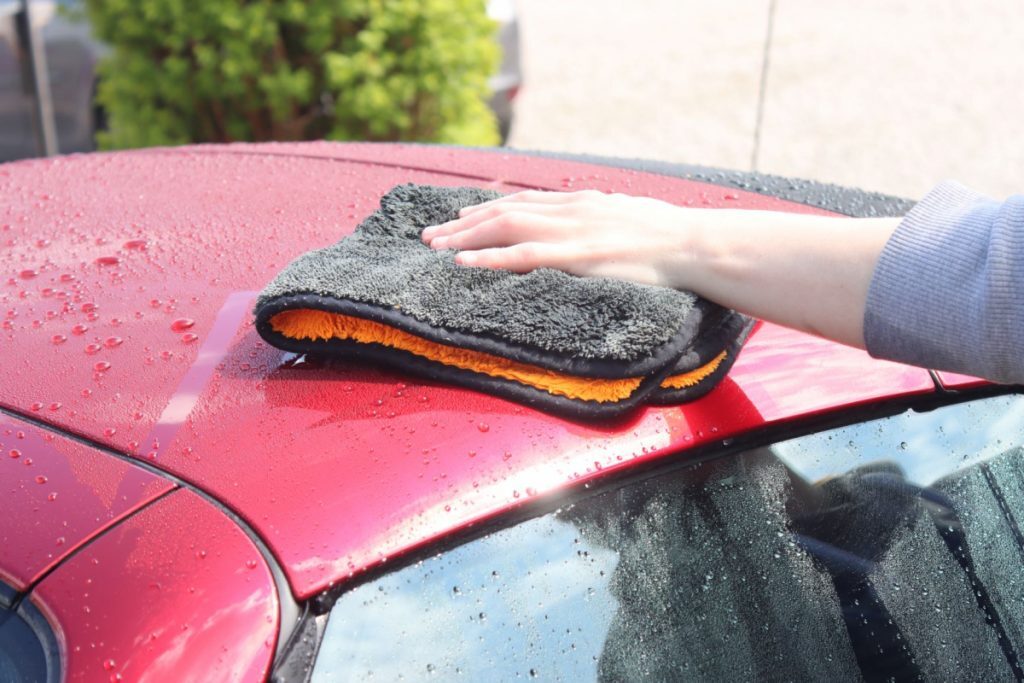
Chemical decontamination is a crucial step in preparing a car’s surface for polishing. It involves using specialized chemical solutions to break down and lift bonded contaminants that cannot be removed through a standard wash. This process ensures a truly clean and smooth surface, which is essential for achieving optimal results during the polishing stage. A thorough decontamination removes the microscopic impurities that can hinder the effectiveness of polishing compounds and lead to imperfections.The fundamental purpose of chemical decontamination on a car’s exterior before polishing is to create an impeccably clean canvas.
Polishing aims to refine the paintwork by removing minor defects like swirl marks and scratches. However, if contaminants remain bonded to the surface, they can act as abrasives during polishing, creating new defects or preventing the polishing compound from effectively leveling the paint. Therefore, chemical decontamination is not merely an optional cleaning step; it is a prerequisite for a successful and lasting finish.
Types of Contaminants Requiring Chemical Cleaning
A variety of airborne and environmental pollutants can adhere to a car’s paintwork over time, creating a stubborn layer that a regular wash can’t fully address. These contaminants, if left on the surface, can compromise the effectiveness of the polishing process and even cause damage.
- Industrial Fallout: These are tiny particles of metal, chemicals, and other debris released from factories and industrial processes. They often appear as small, rusty or discolored spots on the paint.
- Rail Dust: Similar to industrial fallout, rail dust originates from the friction of train wheels on tracks and can embed itself into the paint, causing similar spotting.
- Brake Dust: Microscopic particles from brake pad wear, particularly prevalent on wheels but can also settle on the car’s body.
- Tree Sap and Insect Residue: Organic compounds that harden on the paint surface, becoming difficult to remove with soap and water alone.
- Tar and Road Grime: Asphalt particles and accumulated road dirt that bond strongly to the paint, especially on lower panels.
- Water Spotting Minerals: When water evaporates, it leaves behind mineral deposits that can etch into the paint if not removed.
Benefits of a Thoroughly Decontaminated Surface for Polishing
A properly decontaminated surface offers significant advantages that directly impact the quality and longevity of the polishing outcome. It transforms the polishing process from a superficial refinement to a true restoration of the paint’s clarity and smoothness.
- Enhanced Polishing Compound Performance: With contaminants removed, the polishing compound can make direct contact with the paint. This allows it to work more efficiently, leveling paint imperfections and creating a smoother finish.
- Reduced Risk of Introducing New Defects: Without abrasive particles embedded in the paint, the polishing pads are less likely to pick up and drag these contaminants across the surface, which could create new scratches or swirl marks.
- Improved Gloss and Clarity: A clean surface reflects light more uniformly. Removing the dulling layer of contaminants allows the true depth and vibrancy of the paint color to emerge, resulting in a superior shine.
- Better Adhesion for Protection: Whether applying a wax, sealant, or ceramic coating, a decontaminated surface provides an ideal base for these protective layers to bond effectively, leading to longer-lasting protection.
- Easier and More Efficient Polishing: Polishing a clean surface is generally a smoother and more predictable process. Less effort is required to achieve desired results, saving time and reducing the risk of errors.
Risks of Skipping Chemical Decontamination Before Polishing
Failing to perform chemical decontamination before polishing can lead to a cascade of negative consequences, undermining the entire detailing effort and potentially causing irreversible damage to the paint.
Skipping chemical decontamination is akin to trying to paint a dirty wall; the paint will not adhere properly, and the final finish will be compromised.
The risks associated with neglecting this crucial step are substantial:
- Introduction of New Scratches and Swirl Marks: Embedded contaminants act like tiny pieces of sandpaper under the polishing pad. As the pad moves, these particles are dragged across the paint, creating visible scratches and swirl marks that will require further correction.
- Ineffective Polishing: The polishing compound will struggle to make contact with the true paint surface. Instead, it will be working against the layer of contaminants, leading to minimal defect removal and a disappointing finish.
- Poor Longevity of Protection: Any waxes, sealants, or coatings applied over a contaminated surface will not bond properly. This will result in premature failure of the protective layer, leaving the paint vulnerable to the elements.
- Compromised Gloss and Depth: The dulling effect of bonded contaminants will persist even after polishing, as the polishing compound couldn’t reach the underlying paint to reveal its true luster.
- Potential for Paint Etching: Certain stubborn contaminants, like bird droppings or insect acids, can etch into the clear coat if left unaddressed. If not removed chemically before polishing, these etch marks can become more pronounced or even permanent after polishing.
- Increased Time and Effort: While it may seem like skipping a step saves time, the subsequent need to correct new defects or re-polish a poorly finished surface will ultimately require more time and effort.
Essential Chemical Decontamination Products and Tools
Understanding the role of chemical decontamination is crucial for preparing your car’s surface for polishing. This process involves using specialized chemical agents to break down and remove bonded contaminants that cannot be washed away. Selecting the right products and having the necessary tools ensures an effective and safe decontamination, laying the groundwork for a flawless finish.This section will guide you through the primary types of chemical decontamination products, how to choose them based on specific contaminants and paint conditions, and the essential tools and personal protective equipment required for this vital step in automotive detailing.
Primary Types of Chemical Decontamination Products
Chemical decontamination products are designed to target specific types of bonded contaminants that adhere to your vehicle’s paintwork. These contaminants can range from industrial fallout and rail dust to tar, tree sap, and even stubborn bug residue. Using the correct product ensures efficient removal without damaging the clear coat.
- Iron Removers: These are formulated to react with iron particles, such as those from brake dust or industrial fallout. They typically change color (often to purple or red) as they dissolve the iron.
- Tar and Glue Removers: Specifically designed to break down the sticky, resilient bonds of tar, adhesive residue from stickers, and sap. They often have a solvent-based formula.
- Bug and Grime Removers: These are specialized cleaners that tackle organic matter like bug splatter, bird droppings, and heavy road grime. They are formulated to emulsify and lift these tough, often acidic, contaminants.
- All-Purpose Decontaminants (APCs): While not as specialized as the others, some diluted APCs can be effective for lighter contamination or as a pre-treatment. However, for deep decontamination, targeted products are usually more efficient.
- Clay Bar Lubricants: While not a decontaminant itself, a clay bar lubricant is essential when using a clay bar for mechanical decontamination. It provides a slippery surface to allow the clay to glide without scratching.
Selecting Appropriate Chemical Decontaminants
The effectiveness of chemical decontamination hinges on matching the product to the contaminant and considering the condition of your vehicle’s paint. Incorrect product selection can lead to ineffective cleaning or, in worse cases, damage to the paint.The following table Artikels common contaminants and the recommended chemical decontaminants:
| Contaminant Type | Recommended Chemical Decontaminant | Paint Condition Considerations |
|---|---|---|
| Industrial Fallout, Rail Dust, Brake Dust | Iron Remover | Safe for most modern clear coats. Test on an inconspicuous area if paint is heavily oxidized or has a history of being repainted. |
| Tar, Road Grime, Adhesive Residue | Tar and Glue Remover | Can be aggressive; avoid prolonged contact on delicate or single-stage paint. Ensure good ventilation. |
| Bug Splatter, Tree Sap, Bird Droppings | Bug and Grime Remover | Generally safe for clear coats. For stubborn sap, a dedicated sap remover might be more effective. |
| General Road Film, Light Grime | Diluted All-Purpose Cleaner (pH neutral) | Suitable for most paint types. Use as a preliminary step or for lighter contamination. |
Essential Tools and Personal Protective Equipment
Beyond the chemical agents, having the right tools and personal protective equipment (PPE) is paramount for a safe and effective chemical decontamination process. These items ensure you can apply products correctly, work efficiently, and protect yourself from potential hazards.Here is a list of essential tools and PPE:
- Spray Bottles: For diluting and applying chemical decontaminants evenly across the surface.
- Microfiber Towels: High-quality, plush microfiber towels are crucial for wiping away loosened contaminants and product residue without scratching the paint.
- Applicator Pads/Sponges: Some products may recommend specific applicators for even distribution.
- Gloves: Chemical-resistant gloves (nitrile is recommended) are essential to protect your skin from harsh chemicals.
- Eye Protection: Safety glasses or goggles should be worn to prevent accidental splashes into the eyes.
- Mask: A respirator mask is advisable when working with strong solvent-based products or in poorly ventilated areas to avoid inhaling fumes.
- Wheel Brushes (Optional): If decontaminating wheels, specialized brushes help agitate stubborn brake dust and grime.
Function of Each Tool in the Decontamination Process
Each tool plays a specific and vital role in ensuring the chemical decontamination process is thorough and safe. Understanding their function allows for optimal use and a better outcome for your vehicle’s paint.
- Spray Bottles: These allow for controlled application of decontaminants. Diluting concentrates accurately ensures the product works effectively without being overly aggressive. Even spraying ensures consistent coverage across the panel being treated.
- Microfiber Towels: After the chemical has had time to dwell and break down contaminants, microfiber towels are used to gently wipe away the loosened debris and product. Using clean towels for each section prevents cross-contamination and minimizes the risk of scratching. Plush towels lift contaminants away from the surface effectively.
- Applicator Pads/Sponges: For certain products, especially those that require light agitation, applicator pads or sponges can ensure uniform application and help work the product into etched contaminants.
- Gloves: The primary function of gloves is to create a barrier between your skin and the chemicals. Many detailing chemicals can cause dryness, irritation, or even chemical burns if direct skin contact occurs.
- Eye Protection: Protecting your eyes from chemical splashes is non-negotiable. Accidental contact can cause severe irritation or damage.
- Mask: Fumes from solvents and certain chemicals can be harmful if inhaled. A mask filters these airborne particles, protecting your respiratory system, especially in enclosed spaces like garages.
- Wheel Brushes: Wheels often accumulate very stubborn brake dust and road film. Brushes, when used with appropriate wheel cleaners and decontaminants, provide the mechanical action needed to dislodge these tough deposits.
“The right tool, combined with the right chemical, transforms a potentially damaging task into a precise and effective surface preparation.”
Step-by-Step Chemical Decontamination Procedure
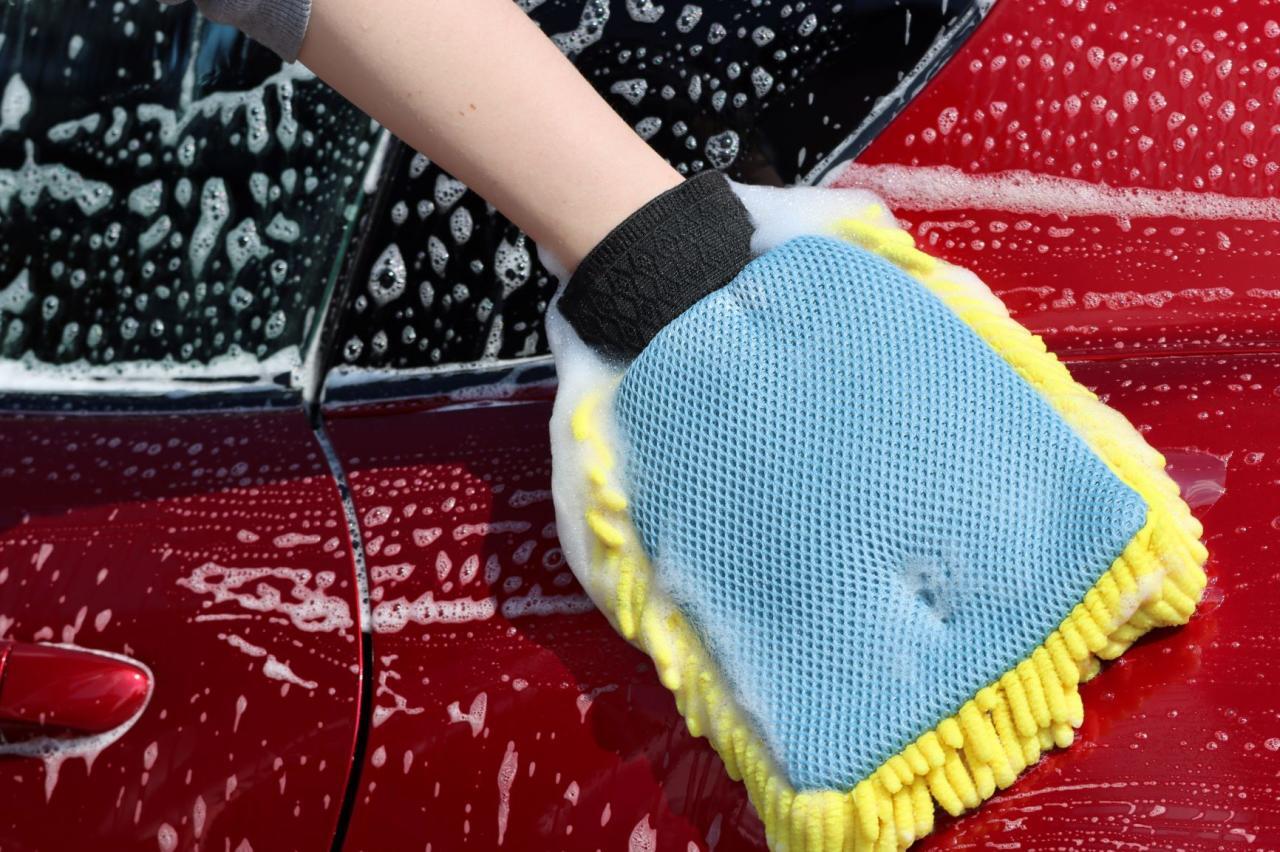
Embarking on the chemical decontamination of your car’s paintwork is a crucial step before polishing, ensuring a pristine surface free from bonded contaminants. This multi-stage process effectively tackles various types of grime, from industrial fallout to road tar, preparing your vehicle for the polishing stage for optimal results. Adhering to a systematic procedure is key to achieving a truly clean and smooth finish.This section Artikels a comprehensive, multi-stage procedure designed to chemically decontaminate your car’s paintwork.
Each step is vital for removing specific types of contaminants, ensuring a thorough preparation for subsequent detailing processes.
Iron Remover Application
Iron removers are specifically formulated to break down and encapsulate iron particles, commonly known as rail dust or industrial fallout, which embed themselves into your car’s paint. These particles can cause microscopic pitting and dullness if not removed.The application of an iron remover is typically done after the initial wash and rinse of the vehicle. Ensure the surface is cool to the touch before proceeding.
- Preparation: After washing and rinsing your car, ensure the paintwork is still wet. This helps the iron remover spread evenly and work effectively.
- Application: Generously spray the iron remover onto the paintwork, working in manageable sections. Avoid letting the product dry on the surface. Many iron removers will change color, often turning purple or red, as they react with the iron particles. This visual cue indicates the product is working.
- Dwell Time: Allow the iron remover to dwell on the surface for the time recommended by the manufacturer, typically 5-10 minutes. Do not exceed the recommended dwell time, as this could potentially etch the paint.
- Agitation (Optional but Recommended): For heavily contaminated areas, gently agitate the product with a soft detailing brush or wash mitt. This helps to lift stubborn iron particles from the paint pores.
- Rinsing: Thoroughly rinse the section with a strong stream of water. Ensure all traces of the iron remover and dissolved contaminants are washed away.
Tar Remover Application
Tar removers are designed to dissolve and lift stubborn tar spots, adhesive residue, and other petroleum-based contaminants that often adhere to the lower sections of a vehicle’s bodywork. These spots can be difficult to remove with conventional washing methods.Tar removers are best applied after the iron decontamination step, as they target a different type of contaminant.
- Targeted Application: Apply the tar remover directly onto the tar spots or affected areas. Avoid overspray onto clean paintwork if possible, although most quality tar removers are safe for automotive paint.
- Dwell Time: Allow the tar remover to sit for the duration specified by the product’s instructions, usually 1-5 minutes, to begin breaking down the tar.
- Gentle Removal: Use a clean microfiber towel to gently wipe away the dissolved tar. You may need to fold the towel to a clean section as you work to avoid spreading the loosened tar.
- Rinsing: Rinse the treated area thoroughly with water to remove any remaining tar remover and residue.
All-Purpose Cleaner (APC) Application
An All-Purpose Cleaner (APC) is a versatile product used for a final cleanse and to remove any remaining light grime, road film, or residues left from the previous decontamination steps. It also helps to ensure the paint surface is perfectly clean and ready for polishing.The APC step acts as a final “wash” to ensure all chemical residues and loosened contaminants are removed.
- Dilution: If using a concentrated APC, dilute it according to the manufacturer’s instructions for exterior use. A dilution ratio of 10:1 or 15:1 (water to APC) is common for general exterior cleaning.
- Application: Spray the diluted APC generously over the entire vehicle’s paintwork. You can work in sections if preferred.
- Gentle Agitation: Using a clean wash mitt or detailing sponge, gently agitate the surface to lift any remaining light dirt or film.
- Thorough Rinsing: Rinse the vehicle completely with a high-pressure water source, ensuring no APC residue remains on the paint.
Drying Techniques
Proper drying after each chemical decontamination stage is essential to prevent water spots and ensure a clean surface. Using the right techniques and tools will safeguard your paintwork.Effective drying minimizes the risk of water spots, which are mineral deposits left behind when water evaporates. These can etch into the paint if left to dry naturally, especially in direct sunlight.
- Initial Water Removal: After rinsing, use a strong jet of water to sheet water off the surface. This removes the bulk of the water.
- Microfiber Drying Towels: Use high-quality, plush microfiber drying towels. These towels are designed to absorb large amounts of water without scratching the paint.
- Blotting Technique: Gently lay the drying towel on the surface and blot the water away. Avoid rubbing or dragging the towel vigorously across the paint.
- Two-Towel Method: Use one towel to absorb the majority of the water and a second, dry towel to gently buff the surface to a streak-free finish.
- Drying Aids: Consider using a drying aid spray. These products can add lubrication, enhance gloss, and help water bead off the surface, making drying easier and more effective.
Critical Decontamination Checklist
To ensure a comprehensive and effective chemical decontamination process, it is vital to follow a checklist of critical steps. This checklist serves as a guide to confirm that each stage has been completed correctly and thoroughly.A systematic approach prevents overlooking crucial steps and guarantees that the paintwork is optimally prepared for polishing.
| Step | Description | Completed (✔) |
|---|---|---|
| 1 | Initial Wash and Rinse | |
| 2 | Paint Surface Cool to Touch | |
| 3 | Iron Remover Applied Generously | |
| 4 | Iron Remover Dwell Time Followed | |
| 5 | Iron Remover Thoroughly Rinsed | |
| 6 | Tar Remover Applied to Affected Areas | |
| 7 | Tar Remover Dwell Time Followed | |
| 8 | Tar Residue Gently Wiped Away | |
| 9 | Tar Remover Rinsed | |
| 10 | APC Diluted Correctly for Exterior Use | |
| 11 | APC Applied Over Entire Paintwork | |
| 12 | Gentle Agitation with Wash Mitt/Sponge | |
| 13 | Final Rinse to Remove All Residues | |
| 14 | Paintwork Dried Using Microfiber Towels | |
| 15 | Surface Inspected for Any Remaining Contaminants |
Specific Decontamination Techniques for Different Surfaces
While the core principles of chemical decontamination remain consistent, different materials on your vehicle require tailored approaches to ensure effectiveness and prevent damage. Understanding these nuances is crucial for a thorough and safe decontamination process before polishing.
Chemical Decontamination for Glass Surfaces
Glass, being non-porous and relatively resilient, can handle a broader range of chemical cleaners. The primary goal here is to remove bonded contaminants like water spots, industrial fallout, and stubborn road grime that polishing alone may not address.
The process for decontaminating glass involves using specialized glass cleaners or all-in-one decontaminants that are formulated to break down inorganic and organic residues without etching or hazing the glass. These products often contain mild acids or alkaline agents that lift and dissolve contaminants.
Application typically involves spraying the cleaner directly onto the glass surface or onto a microfiber applicator. Allow the product to dwell for a short period, as per the manufacturer’s instructions, to enable it to work on the contaminants. Subsequently, agitate the surface gently with a clean microfiber towel or a dedicated glass cleaning pad. Finally, wipe the glass clean with a separate, dry microfiber towel to reveal a spotless and smooth surface, ready for further detailing or polishing.
Decontaminating Plastic Trim and Rubber Seals
Plastic trim and rubber seals present a different challenge. These materials are often porous and can be sensitive to harsh chemicals, which can lead to discoloration, drying out, or cracking. Therefore, it’s essential to use products specifically designed for these surfaces.
For plastic trim, mild all-purpose cleaners (APCs) diluted to an appropriate strength are often sufficient for general grime. For more stubborn contaminants like tar or embedded dirt, a dedicated plastic cleaner or a clay bar with a suitable lubricant can be used. It is crucial to test any product on an inconspicuous area first to ensure compatibility.
Rubber seals, such as those around windows and doors, can become stained and degraded by environmental contaminants. Specialized rubber cleaners or APCs at a very mild dilution can be employed. After cleaning, it is highly recommended to apply a rubber protectant or conditioner to restore their flexibility and prevent premature aging. Avoid using highly acidic or alkaline products, as they can strip protective oils and lead to brittleness.
Specialized Approaches for Stubborn Contaminants
Certain contaminants, due to their chemical nature, require specific removal techniques to avoid damaging the underlying surface.
Tree Sap Removal
Tree sap is notoriously difficult to remove as it hardens and bonds strongly to the paint.
- Initial Softening: Apply a dedicated tar and bug remover or a citrus-based cleaner to the affected area. Allow it to dwell for several minutes to soften the sap.
- Gentle Agitation: Use a soft microfiber towel or a clay bar with a clay lubricant to gently work the softened sap loose. Avoid aggressive scrubbing, which can mar the paint.
- Specialized Solvents: For very stubborn sap, isopropyl alcohol (IPA) at a 50% dilution or a dedicated sap remover can be effective. Always test in a small area first.
- Rinsing and Reapplication: Thoroughly rinse the area and reapply the cleaner if necessary. Once removed, wash the area with a pH-neutral car shampoo.
Overspray Removal
Paint overspray from nearby construction or other vehicles can adhere to your car’s paintwork.
- Clay Bar Method: A clay bar with a generous amount of lubricant is the most common and effective method for removing paint overspray. Work in small sections, gliding the clay bar over the surface.
- Chemical Solvents: For heavy overspray, specific paint removers or solvents like mineral spirits can be used with extreme caution. These should only be applied to the overspray and immediately wiped away to avoid damaging the clear coat.
- Polishing: In some cases, light overspray might be removed through the polishing process itself, especially if it’s a very fine mist.
Potential Chemical Sensitivities of Different Car Materials
Different materials on a car react differently to various chemicals. Understanding these sensitivities is paramount to avoid costly damage.
| Material | Potential Sensitivities | Recommended Approach |
|---|---|---|
| Clear Coat (Paint) | Strong acids, harsh solvents, aggressive abrasives can etch, dull, or strip the clear coat. | Use pH-neutral cleaners, dedicated iron removers, tar removers, and clay bars with appropriate lubricants. Always follow manufacturer instructions. |
| Unpainted Plastic Trim (e.g., bumpers, cowl panels) | Harsh degreasers, strong solvents can cause drying, cracking, or discoloration (turning white or chalky). | Use mild APCs, dedicated plastic cleaners, and always follow up with a plastic protectant. |
| Rubber Seals (e.g., door seals, window seals) | Strong acids, petroleum-based solvents can degrade, dry out, and crack the rubber. | Use mild APCs, rubber cleaners, and apply rubber conditioners/protectants to maintain flexibility. |
| Chrome and Polished Metal | Harsh acids can cause pitting or discoloration. Abrasive cleaners can scratch. | Use dedicated metal polishes and soft microfiber towels. Mild APCs can be used for general cleaning. |
| Glass | Generally resilient, but prolonged exposure to very strong acids or alkaline cleaners without rinsing can cause etching or hazing. | Use dedicated glass cleaners, IPA, or mild APCs. Rinse thoroughly. |
When in doubt, always perform a patch test on an inconspicuous area of the material before applying any chemical decontamination product to the entire surface. This proactive step can save significant time and expense by preventing potential damage.
Safety Precautions and Best Practices

Before embarking on the chemical decontamination of your car, prioritizing safety is paramount. Working with specialized cleaning agents requires a conscientious approach to protect yourself, your vehicle, and the environment. Adhering to established safety protocols ensures a smooth and effective decontamination process, minimizing risks and maximizing the benefits of a thoroughly cleaned surface.Understanding the potential hazards associated with chemical decontaminants is the first step towards safe handling.
These products are designed to break down stubborn contaminants, and as such, they can be potent. Therefore, a proactive and informed approach to safety is not just recommended; it’s essential for a successful and worry-free detailing experience.
Personal Protective Equipment (PPE) Requirements
Proper personal protective equipment (PPE) is your primary defense against potential chemical exposure. Wearing the correct gear significantly reduces the risk of skin irritation, eye damage, and respiratory issues. It’s crucial to select PPE that is specifically designed to offer protection against the types of chemicals you will be using.To ensure comprehensive protection, always utilize the following PPE:
- Gloves: Nitrile or chemical-resistant gloves are essential to prevent skin contact with decontaminants. Ensure they are free of holes and fit snugly.
- Eye Protection: Safety glasses or goggles with side shields are mandatory to shield your eyes from splashes or airborne particles.
- Respiratory Protection: If working in an enclosed space or with products that have strong fumes, a respirator mask with appropriate cartridges (e.g., for organic vapors) is highly recommended.
- Protective Clothing: Wear old clothing or an apron that can be easily cleaned or discarded, protecting your skin and personal garments from accidental spills.
Ventilation Guidelines for Chemical Decontamination
Adequate ventilation is critical when using automotive chemical decontaminants, especially those with volatile organic compounds (VOCs). Working in a well-ventilated area helps to dissipate fumes, reducing inhalation risks and preventing the buildup of potentially harmful vapors.Always follow these ventilation best practices:
- Outdoor Work: Whenever possible, perform chemical decontamination outdoors in an open area with good airflow. This is the most effective way to ensure natural ventilation.
- Garage Ventilation: If working in a garage, open all doors and windows to maximize air circulation. Consider using fans to create cross-ventilation, actively moving air out of the workspace.
- Avoid Confined Spaces: Never use strong chemical decontaminants in small, enclosed spaces with poor airflow, such as a sealed garage without ventilation.
Storage and Disposal of Chemical Decontamination Products
The safe storage and responsible disposal of chemical decontamination products are vital for environmental protection and preventing accidental exposure. Improper handling can lead to contamination of living spaces, harm to wildlife, and potential health risks.Follow these guidelines for storage and disposal:
- Storage:
- Store all chemical decontaminants in their original containers with labels intact.
- Keep products in a cool, dry, and well-ventilated area, away from direct sunlight and heat sources.
- Ensure containers are tightly sealed to prevent evaporation and leakage.
- Store chemicals out of reach of children and pets.
- Segregate incompatible chemicals to prevent dangerous reactions.
- Disposal:
- Never pour chemical decontaminants down drains or into storm sewers, as this can contaminate water sources.
- Check local regulations for proper disposal methods for automotive chemicals. Many municipalities have hazardous waste collection sites or events.
- Small amounts of diluted residue may sometimes be disposed of with regular household waste, but always confirm local guidelines first.
- Empty containers should be rinsed thoroughly (if recommended by the product manufacturer) and disposed of according to local recycling or waste management policies.
Troubleshooting Common Issues in Chemical Decontamination
Even with careful preparation, you might encounter minor issues during the chemical decontamination process. Knowing how to address these common problems efficiently will save you time and ensure the best results for your car’s surface.Here are some common issues and their solutions:
| Issue | Potential Cause | Solution |
|---|---|---|
| Product drying too quickly on the surface | High ambient temperature, direct sunlight, or excessive wind. | Work in a shaded area, mist the surface with water to keep it damp, or work in smaller sections. |
| Stubborn residue remaining after application | Insufficient dwell time, product not suitable for the contaminant, or surface too heavily contaminated. | Increase dwell time (within product guidelines), try a more aggressive decontaminant if necessary, or repeat the process. |
| Unexpected spotting or streaking | Product not fully rinsed off, hard water deposits, or contaminants reacting unevenly. | Rinse thoroughly with plenty of clean water, consider using a pH-neutral car wash soap after decontamination, or use distilled water for the final rinse. |
| Chemical fumes are overwhelming | Poor ventilation or use of highly volatile products. | Immediately stop work, move to a well-ventilated area, and ensure proper respiratory protection is used for the remainder of the task. |
Preparing for Polishing After Decontamination
Once the chemical decontamination process is complete, a crucial step before moving on to polishing is ensuring the vehicle’s surface is pristine and ready for the next stage. This preparation phase is vital for achieving optimal polishing results and preventing the introduction of new contaminants. It involves a thorough assessment of the surface, a final cleansing to remove any lingering chemical residues, and confirmation of complete dryness.
Assessing Surface Cleanliness
After the chemical decontamination, a meticulous inspection is necessary to confirm that all contaminants have been effectively removed. This assessment allows for the identification of any remaining bonded contaminants or residue from the decontamination products themselves. A clean surface is paramount for the subsequent polishing stage to work effectively and safely.Visual inspection under good lighting conditions is the primary method.
Look for any dull spots, water spots that might indicate residual minerals, or areas where the chemical might have left a faint film. A gloved hand can also be used to feel the surface; it should feel exceptionally smooth and slick. Any hint of roughness or tackiness suggests that decontamination was not fully successful or that residues remain.
Performing a Final Wash
A final wash is essential to meticulously remove any residual chemical cleaners and their byproducts from the car’s surface. This step ensures that no active cleaning agents are left behind, which could potentially interfere with the polishing compounds or cause unexpected reactions. A gentle yet thorough wash is key to achieving a truly clean slate.The recommended method for this final wash is a pH-neutral car shampoo.
This type of shampoo is designed to clean effectively without stripping protective coatings or leaving harsh residues. Use the two-bucket wash method, with one bucket containing the shampoo solution and the other containing clean rinse water. This prevents the transfer of dirt and debris back onto the wash mitt, minimizing the risk of introducing new scratches.
- Begin by rinsing the vehicle thoroughly with a strong stream of water to remove loose debris.
- Submerge a clean wash mitt into the shampoo solution and gently wash one section of the car at a time.
- After washing a section, rinse the wash mitt thoroughly in the clean water bucket before returning it to the shampoo bucket. This is the essence of the two-bucket method.
- Rinse each washed section immediately with clean water to prevent the shampoo from drying on the surface.
- Conclude the wash by giving the entire vehicle a final, thorough rinse, ensuring all shampoo residue is washed away.
Ensuring a Completely Dry Surface
A completely dry surface is non-negotiable before commencing any polishing activities. Moisture can dilute polishing compounds, hinder their effectiveness, and even lead to the spread of contaminants. Furthermore, water trapped in crevices can be forced out during polishing, creating unwanted marks or streaks.There are several effective methods to ensure the car is thoroughly dry:
- Air Blowers/Leaf Blowers: High-volume air blowers are excellent for blasting water out of panel gaps, mirrors, trim, and other hard-to-reach areas. This is often the most efficient method for achieving a truly dry finish.
- High-Quality Microfiber Drying Towels: Use plush, high-GSM (grams per square meter) microfiber drying towels. These towels are highly absorbent and designed to lift water from the surface without scratching. Gently pat or glide the towel across the surface, avoiding aggressive rubbing.
- Drying Aids: Some detailers use drying aids, which are sprayable products that help to repel water and enhance the drying process. These can also add a layer of gloss and protection.
It is important to pay close attention to all areas, including door jambs, under the hood, and around badges, as residual water can be a persistent issue.
Identifying Potential Surface Imperfections
The chemical decontamination process, by removing bonded contaminants, can often reveal previously masked surface imperfections. These imperfections, such as light scratches, swirl marks, or etched water spots, become more apparent on a clean and decontaminated surface, making them easier to identify and address during the polishing stage.After the final wash and drying, perform another detailed inspection. This is the opportune moment to note any defects that the chemical cleaning has highlighted.
The true condition of your paintwork is best revealed after it has been thoroughly cleaned and decontaminated.
Common imperfections that may become apparent include:
- Swirl Marks: Fine, circular scratches caused by improper washing and drying techniques.
- Light Scratches: Deeper than swirl marks, these can be caused by various sources of abrasion.
- Water Spots: Mineral deposits left behind by evaporated water, which can etch into the paint if left untreated.
- Bug and Tar Stains: While chemical decontamination aims to remove these, sometimes stubborn remnants can remain or their etching effect becomes more visible.
- Oxidation: A dulling of the paint’s clear coat, often appearing as a chalky or faded finish.
Identifying these imperfections now allows for a targeted polishing strategy, ensuring that the correct abrasive compounds and pads are selected to effectively remove them, leading to a flawless finish.
Concluding Remarks
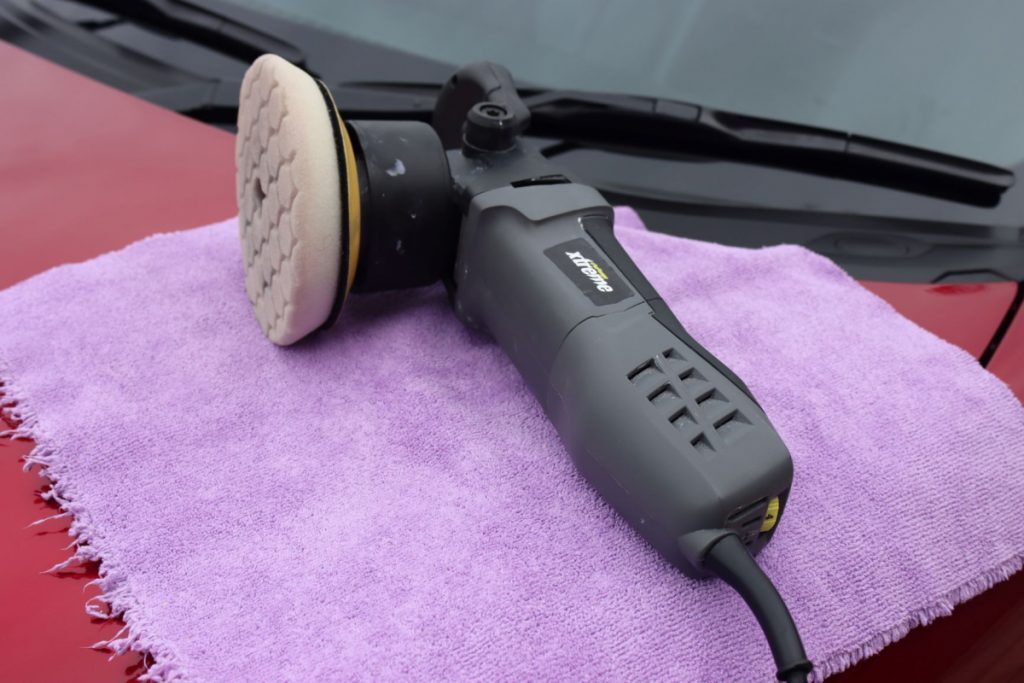
In conclusion, a thorough chemical decontamination is not merely an optional step but a foundational requirement for achieving superior polishing results. By understanding the ‘why,’ selecting the right products, executing the procedure meticulously, and prioritizing safety, you can transform your car’s surface from merely clean to impeccably prepared. This diligent approach ensures that your polishing efforts yield a mirror-like finish that truly shines, protecting your investment and enhancing your vehicle’s aesthetic appeal for years to come.