How to Clean Sticky Surfaces in Your Car’s Interior Made Easy guides you through the often-frustrating process of restoring your vehicle’s interior to its pristine, non-sticky state. From understanding the common culprits behind that unwelcome tackiness to mastering effective cleaning techniques, this comprehensive resource is designed to help you achieve a spotless and comfortable car environment.
We will delve into the various reasons why car interiors become sticky, the materials most susceptible to this issue, and the specific areas that tend to attract residue. Furthermore, we will equip you with a detailed list of essential cleaning supplies and tools, along with step-by-step instructions for general and targeted cleaning methods. Whether you’re dealing with spilled drinks, adhesive remnants, or everyday grime, this guide offers practical solutions for different sticky substances and interior materials, ensuring a thorough and safe cleaning experience.
Understanding Sticky Interior Surfaces
Sticky surfaces inside a car’s interior can be a persistent and unpleasant issue, often detracting from the overall comfort and aesthetic of your vehicle. Fortunately, understanding the root causes and the materials affected is the first step toward effectively addressing and preventing this common problem. This section will delve into why these surfaces become sticky, which materials are most susceptible, and the areas within your car that are most likely to develop this issue.The development of sticky surfaces in a car’s interior is primarily due to the breakdown or interaction of materials with environmental factors and common contaminants.
Over time, the plastics, vinyls, and even some fabrics used in car interiors can degrade due to exposure to sunlight, heat, and certain cleaning products. This degradation can cause the plasticizers or coatings to leach to the surface, creating a tacky feel. Additionally, spills from food and drinks, especially sugary or oily substances, can leave residues that harden and become sticky, or attract dirt and grime that contributes to a sticky layer.
Common Causes of Sticky Interior Surfaces
The causes of sticky interior surfaces are multifaceted, stemming from both environmental exposure and accidental contamination. Understanding these causes allows for targeted cleaning and preventative measures.
- UV Radiation and Heat Exposure: Prolonged exposure to sunlight, especially in warmer climates, can break down the polymers in plastic and vinyl components. This degradation process can release plasticizers, which are the chemicals that make plastics flexible, resulting in a sticky or gummy residue on the surface. This is particularly common on dashboards, door panels, and steering wheels.
- Off-Gassing of Materials: Many interior car components, including plastics, adhesives, and foams, contain volatile organic compounds (VOCs) that can off-gas over time, especially when exposed to heat. These off-gassed compounds can settle on surfaces and create a sticky film.
- Residues from Food and Beverages: Spills from drinks like soda, juice, or coffee, as well as sticky food items such as candy, ice cream, or greasy snacks, are frequent culprits. If not cleaned promptly and thoroughly, these residues can harden, attract dust and dirt, and create a persistent sticky patch.
- Improper Cleaning Products: The use of harsh chemicals, abrasive cleaners, or oil-based protectants not specifically designed for automotive interiors can also contribute to stickiness. Some products can break down the surface of plastics or leave behind a residue that attracts dirt.
- Humidity and Condensation: In environments with high humidity, condensation can form on interior surfaces. This moisture can interact with existing residues or degrade materials, leading to a sticky feel.
Materials Susceptible to Stickiness
Certain materials commonly found in car interiors are more prone to developing a sticky texture due to their chemical composition and how they react to environmental factors.
- Soft-Touch Plastics: Many modern car interiors feature soft-touch plastics on dashboards, door panels, and center consoles. These often have a rubberized coating or a matte finish that can degrade over time, becoming gummy and sticky.
- Vinyl: Vinyl is used extensively for dashboards, door cards, and seat upholstery. Like plastics, vinyl can degrade from UV exposure and heat, leading to a sticky surface.
- Rubber Components: Parts like floor mats, pedal covers, and certain trim pieces are made of rubber. Over time, especially with exposure to oils and heat, rubber can become sticky and attract debris.
- Adhesives: The adhesives used to bond various interior components, such as trim pieces or fabric coverings, can break down. This breakdown can cause the adhesive to ooze or become tacky, especially in hot conditions.
- Certain Fabrics: While less common, some synthetic fabrics used for headliners or seat inserts can, under specific conditions of prolonged exposure to heat and spills, develop a slightly sticky or stiff texture.
Areas Prone to Stickiness
The location of sticky surfaces within a car’s interior is often dictated by exposure to sunlight, heat, and frequent human interaction or accidental spills.
- Dashboard: This is arguably the most common area for sticky surfaces. The dashboard is directly exposed to sunlight and heat through the windshield, accelerating the degradation of plastics and soft-touch coatings.
- Door Panels and Armrests: These areas are frequently touched and can accumulate residues from hands, as well as spills. The upper sections of door panels are also exposed to sunlight.
- Center Console: The surfaces around the gear shifter, cupholders, and storage compartments are prime spots for spills from beverages and food.
- Steering Wheel: Constant contact with hands, which can transfer oils and sweat, combined with heat and UV exposure, makes the steering wheel susceptible to becoming sticky.
- Interior Door Handles and Trim: These smaller plastic or vinyl pieces can also degrade over time due to UV exposure and handling.
- Seatbelt Buckles and Mechanisms: While not a large surface area, the plastic components of seatbelt mechanisms can sometimes become sticky due to dust and grime accumulation.
Essential Cleaning Supplies and Tools
Successfully tackling sticky surfaces in your car’s interior requires a thoughtful selection of cleaning supplies and the right tools. Having these items readily available will streamline the process and ensure effective removal of residue without causing damage to your car’s delicate surfaces. This section Artikels the key components of a well-equipped cleaning kit.To effectively address various types of sticky residues, a multi-faceted approach to cleaning supplies is beneficial.
Different substances require different cleaning agents to break them down safely and efficiently. Furthermore, the right tools are crucial for applying these cleaners, agitating stubborn spots, and wiping away loosened grime.
Recommended Cleaning Supplies for Sticky Car Interiors
The following list comprises essential cleaning agents that are effective against common sticky substances found in vehicle interiors. It is important to select products that are safe for automotive surfaces and to test them in an inconspicuous area first.
- All-Purpose Interior Cleaner: A pH-neutral cleaner designed for general interior surfaces like dashboards, door panels, and consoles. It helps to lift light grime and prepare surfaces for spot treatment.
- Specialized Adhesive Remover: Products specifically formulated to break down adhesive residues, such as those left by stickers, tape, or spilled sugary drinks. Look for citrus-based or petroleum-based removers, ensuring they are safe for automotive plastics and vinyl.
- Isopropyl Alcohol (IPA): A versatile solvent that is excellent for dissolving many types of sticky residues, including some inks, greases, and light adhesive films. It evaporates quickly and typically does not leave a residue. Use in a diluted form (e.g., 70%) for most interior surfaces to prevent drying or discoloration.
- Microfiber Towels: High-quality microfiber towels are indispensable. They are highly absorbent, non-abrasive, and excellent for both applying cleaners and wiping away residue without scratching surfaces. Having a variety of these is key.
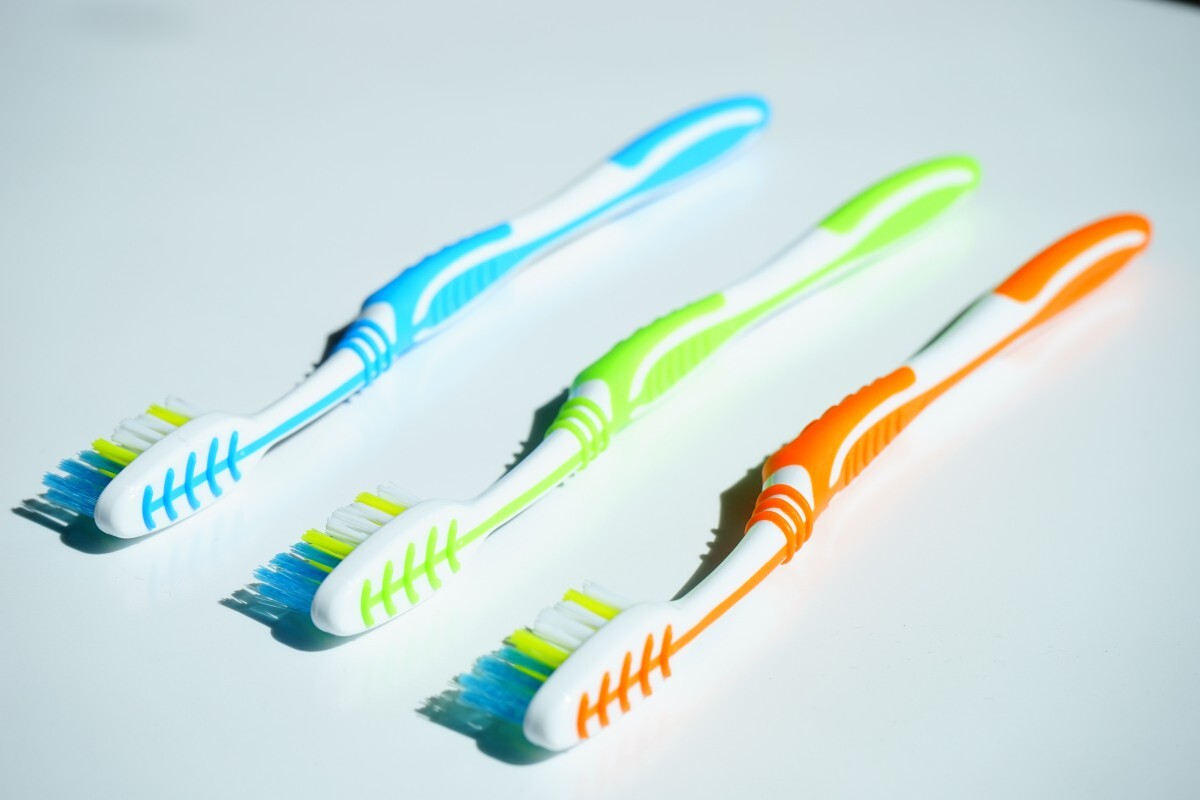
- Detailing Brushes: Soft-bristled brushes of various sizes are useful for gently agitating stubborn sticky spots in crevices and textured areas, helping to lift the residue for easier removal.
- Cotton Swabs (Q-tips): Ideal for precise application of cleaning solutions to small, intricate areas or for cleaning up tiny bits of residue.
- Water (Distilled or Filtered): Used for diluting some cleaners, rinsing, and wiping down surfaces after cleaning to remove any lingering cleaning solution. Distilled or filtered water helps prevent water spots.
- Glass Cleaner (Ammonia-Free): For any glass surfaces that may have come into contact with sticky substances, an ammonia-free glass cleaner is essential to avoid damaging window tint or interior plastics.
Essential Tools for Sticky Surface Removal
Beyond the cleaning agents, the right tools are critical for applying cleaners effectively and safely removing sticky residue. These tools help to ensure thoroughness and prevent damage to your car’s interior.
The following tools are designed to complement your cleaning supplies, providing the necessary mechanical action and precision for tackling sticky challenges:
- Microfiber Applicator Pads: These soft pads are ideal for applying cleaning solutions evenly to sticky areas without overspray. They also help to gently work the cleaner into the residue.
- Plastic Trim Tool Kit: While not directly for cleaning, these tools are invaluable for carefully removing trim pieces if necessary to access deeply embedded sticky spots, preventing damage to clips and the trim itself.
- Spray Bottles: For diluting concentrated cleaners or holding water for rinsing. Ensure they are clearly labeled to avoid confusion.
- Bucket: A clean bucket for your cleaning solutions or for rinsing microfiber towels. Using a separate bucket for rinsing can prevent reintroducing dirt and residue onto cleaned surfaces.
- Gloves: To protect your hands from cleaning chemicals and to maintain hygiene.
Suggested Toolkit for Effective Interior Car Cleaning
Assembling a dedicated toolkit for interior car cleaning, with a focus on sticky areas, will make the process more efficient and enjoyable. This organized approach ensures you have everything you need at your fingertips.
Consider organizing your supplies and tools into a portable container or bag for easy storage and accessibility. This toolkit should be designed to handle a range of sticky situations:
- Microfiber Towels: A selection of at least 5-10 clean, high-quality microfiber towels for various tasks, including application, wiping, and drying.
- All-Purpose Interior Cleaner: One bottle for general cleaning.
- Specialized Adhesive Remover: One bottle for stubborn residues.
- Isopropyl Alcohol (70%): A small spray bottle or a container for dipping cotton swabs.
- Detailing Brushes: A set of soft-bristled brushes in different sizes.
- Cotton Swabs: A generous supply.
- Spray Bottles: At least two, one for cleaner and one for water.
- Applicator Pads: A couple of microfiber applicator pads.
- Bucket: A small, collapsible bucket is ideal for portability.
- Gloves: A pair of disposable or reusable gloves.
“The right tools and supplies are not just about making the job easier; they are about ensuring the longevity and appearance of your car’s interior surfaces.”
General Methods for Removing Stickiness
Sticky surfaces in your car’s interior can be a nuisance, affecting both the appearance and feel of your vehicle. Fortunately, with the right approach and cleaning supplies, most sticky residues can be effectively removed without causing damage. This section Artikels general methods for tackling these common interior cleaning challenges, catering to different levels of stickiness.Understanding the nature of the sticky substance is key to selecting the most appropriate cleaning method.
While some residues are mild and easily wiped away, others can be more stubborn and require a more targeted approach. The following procedures are designed to be safe and effective for a variety of common sticky culprits found in car interiors.
Initial Cleaning for Unknown Sticky Substances
When faced with an unidentified sticky spot, it is always best to start with the gentlest cleaning method possible to avoid potentially damaging the surface. This approach minimizes the risk of spreading the stickiness or causing discoloration. A mild solution can often lift many common residues.The first step involves a simple test in an inconspicuous area to ensure compatibility with the surface material.
Once confirmed, a diluted cleaning solution can be applied.
- Preparation: Gather your supplies: a clean microfiber cloth, a spray bottle, and a mild all-purpose interior cleaner or a solution of warm water and a few drops of mild dish soap.
- Dilution: If using a commercial cleaner, follow the manufacturer’s dilution instructions. For a homemade solution, mix one part mild dish soap with ten parts warm water.
- Application: Lightly dampen a clean microfiber cloth with the cleaning solution. Do not saturate the cloth.
- Gentle Wiping: Gently blot or wipe the sticky area with the dampened cloth. Avoid aggressive scrubbing, which can spread the residue or damage the surface.
- Rinsing: Use a separate, clean microfiber cloth dampened with plain water to wipe away any remaining cleaning solution residue.
- Drying: Pat the area dry with a clean, dry microfiber cloth.
Methods for Mild Stickiness
Mild sticky residues, such as those from spilled soda, juice, or light food splatters, can typically be addressed with simple, readily available cleaning agents. These methods focus on breaking down the sugary or oily components of the residue without harsh chemicals.The goal here is to dissolve the sticky element and lift it from the surface. This can often be achieved with a slightly stronger solution than the initial test, or by using a dedicated interior cleaner designed for such tasks.
- Vinegar Solution: A solution of equal parts white vinegar and water is effective at breaking down sugary residues. Apply with a microfiber cloth and wipe clean.
- Rubbing Alcohol (Isopropyl Alcohol): For slightly more persistent stickiness, a solution of 70% isopropyl alcohol diluted with water (e.g., 1 part alcohol to 3 parts water) can be used. Test in an inconspicuous area first, as alcohol can sometimes affect certain finishes. Apply with a microfiber cloth and wipe gently.
- Dedicated Interior Cleaners: Many automotive interior cleaners are formulated to tackle light spills and sticky spots. Follow the product instructions carefully.
Approaches for Stubborn Stickiness
Stubborn sticky residues, often caused by things like melted candy, adhesives from stickers, or dried-on food, require a more robust cleaning approach. These substances may have bonded more firmly to the surface and will need a stronger solvent or a bit more patience and mechanical action.When dealing with these tougher spots, it’s crucial to remain patient and avoid abrasive tools that could scratch or mar the interior surfaces.
The process often involves allowing the cleaning agent to dwell on the residue to soften it before attempting removal.
Using Solvents for Adhesive Residues
Adhesive residues, commonly left behind by price tags, decals, or tape, can be particularly challenging. Specialized solvents are often the most effective solution for breaking down these sticky binders.
- Test First: Always test any solvent in an inconspicuous area to ensure it does not discolor or damage the plastic, vinyl, or leather.
- Apply Solvent: Apply a small amount of adhesive remover or a citrus-based cleaner (which often contains natural solvents) to a clean microfiber cloth.
- Dwell Time: Gently dab the cloth onto the adhesive residue. Allow the solvent to sit for a few minutes to begin breaking down the adhesive.
- Gentle Removal: Use the cloth to gently rub the residue in a circular motion. You may need to apply more solvent and repeat the process.
- Clean Up: Once the adhesive is removed, clean the area with a mild interior cleaner or a mixture of soap and water to remove any solvent residue. Rinse with a damp cloth and dry thoroughly.
Dealing with Melted or Dried-On Substances
Melted candy, gum, or dried-on food can create a hardened, sticky mess. The key here is to soften the substance before attempting to remove it.
- Softening with Heat (Cautiously): For some substances like gum or hardened candy, a hairdryer on a low setting can be used to gently warm and soften the residue. Hold the hairdryer a safe distance away and move it constantly to avoid overheating any single spot.
- Scraping (Carefully): Once softened, use a plastic scraper or an old credit card to gently lift the residue. Avoid metal scrapers, which can easily scratch surfaces.
- Cleaning Residue: After removing the bulk of the softened material, use an appropriate interior cleaner or a solvent as described above to remove any remaining sticky film.
“Patience is a virtue when tackling stubborn interior stickiness; aggressive methods often lead to unintended damage.”
Multi-Stage Cleaning for Tough Spots
For exceptionally difficult sticky situations, a multi-stage cleaning process may be necessary. This involves combining different techniques and products to gradually break down and remove the residue.
This approach typically begins with the gentlest method and progresses to stronger solutions or more targeted treatments only if the initial steps are insufficient. It’s a methodical process designed to preserve the integrity of your car’s interior surfaces.
- Initial Gentle Clean: Start with the mild soap and water solution as described in the “Initial Cleaning” section. This may remove a surprising amount of residue.
- Intermediate Cleaning: If the initial clean is not fully effective, move to a diluted vinegar or rubbing alcohol solution, always testing first.
- Targeted Solvent Application: For remaining stubbornness, employ a specific adhesive remover or a specialized interior degreaser, following the product’s instructions and testing precautions.
- Mechanical Assistance: If necessary, use a soft-bristled brush (like an old toothbrush) or a plastic scraper to gently agitate or lift softened residue after applying a cleaning agent.
- Final Wipe Down: Thoroughly clean the entire area with a dedicated interior cleaner or mild soap and water to remove all cleaning agent residues.
- Drying and Conditioning: Ensure the area is completely dry. For leather or vinyl surfaces, consider applying a suitable protectant or conditioner to restore the finish.
Targeted Cleaning for Specific Sticky Substances
Different types of sticky residues require tailored approaches for effective removal. While general cleaning methods are a good starting point, understanding the composition of the sticky substance allows for more efficient and less damaging cleaning. This section delves into specific techniques for common sticky culprits found in car interiors.
Cleaning Different Interior Materials

The interior of your car is a diverse ecosystem of materials, each requiring a specific approach to tackle sticky situations. Understanding the nuances of each surface is key to effective and safe cleaning, preventing damage while restoring a pristine feel. This section details tailored protocols for various common interior materials.Addressing stickiness on different car interior materials demands careful consideration of their composition and sensitivity.
Improper cleaning agents or techniques can lead to discoloration, degradation, or permanent damage. Therefore, a material-specific strategy is essential for successful restoration.
Dashboard and Plastic Trim Cleaning Protocols
Car dashboards and plastic trim are susceptible to sticky residues from air fresheners, spilled drinks, or even the breakdown of the plastic itself over time. The goal is to remove the stickiness without dulling the finish or causing micro-scratches.To effectively clean sticky dashboards and plastic trim, follow these steps:
- Initial Wipe-Down: Begin by gently wiping the affected area with a clean microfiber cloth to remove any loose debris.
- Mild Cleaning Solution: Prepare a solution of warm water mixed with a few drops of mild dish soap or a dedicated interior car cleaner. Avoid harsh chemicals like ammonia or bleach, which can damage plastic.
- Gentle Application: Dampen a clean microfiber cloth with the cleaning solution. Wring out the cloth thoroughly to prevent excess moisture from seeping into electronic components.
- Wipe and Agitate: Gently wipe the sticky areas, using light pressure. For stubborn residue, a soft-bristled detailing brush can be used to gently agitate the surface, loosening the stickiness.
- Rinse and Dry: Wipe the area with a separate, clean, damp microfiber cloth to remove any soap residue. Immediately follow with a dry microfiber cloth to buff the surface and prevent water spots.
- Conditioning (Optional): For a restored look and added protection, apply a water-based interior protectant specifically designed for plastics and vinyl. Apply sparingly with a clean applicator pad and buff off any excess.
Car Upholstery Stain Removal
Car upholstery, whether fabric or leather, presents unique challenges when dealing with sticky stains. Fabric can absorb liquids, leading to deeper stains, while leather requires specific care to avoid drying or cracking.
Fabric Upholstery Cleaning Procedures
Sticky stains on fabric upholstery often require targeted spot treatment to avoid spreading the mess or creating water rings.For effective cleaning of sticky stains on fabric upholstery:
- Identify the Stain: Determine the nature of the sticky substance if possible, as this can inform the best cleaning approach.
- Blotting Technique: Immediately blot up as much of the sticky substance as possible with a clean, absorbent cloth or paper towel. Avoid rubbing, which can push the stain deeper into the fibers.
- Mild Detergent Solution: Mix a small amount of pH-neutral upholstery cleaner or a mild dish soap with water. Test the solution on an inconspicuous area of the upholstery first to ensure colorfastness.
- Apply and Agitate Gently: Dampen a clean microfiber cloth with the solution and gently dab the stained area. For tougher stains, use a soft-bristled brush to lightly agitate the fibers.
- Rinse Thoroughly: Use a separate clean cloth dampened with plain water to blot and rinse the area, removing all detergent residue.
- Dry the Area: Allow the upholstery to air dry completely. You can use a fan to speed up the process. Avoid using heat, which can set any remaining stains.
Leather Upholstery Cleaning Procedures
Leather is a more delicate material, and harsh cleaners can strip its natural oils, leading to dryness and damage.To safely clean sticky stains from leather upholstery:
- Gentle Wiping: Start by gently wiping the sticky area with a slightly damp microfiber cloth to remove surface residue.
- Leather Cleaner Application: Use a dedicated, pH-balanced leather cleaner. Apply a small amount to a clean microfiber cloth, not directly to the leather.
- Work in Sections: Gently wipe the sticky area in a circular motion. Avoid excessive scrubbing.
- Remove Residue: Wipe the area with a separate clean, damp cloth to remove any cleaner residue.
- Condition the Leather: Once the area is dry, apply a high-quality leather conditioner to restore moisture and protect the material. This is crucial after any cleaning process.
Glass and Mirror Surface Cleaning
Sticky residue on car glass and mirrors can impair visibility and be unsightly. The key is to remove the stickiness without leaving streaks or smudges.To safely clean sticky residue from glass and mirror surfaces:
- Initial Removal: For thick, sticky substances, gently scrape them off with a plastic razor blade or a credit card held at a low angle to avoid scratching.
- Glass Cleaner Application: Use a dedicated automotive glass cleaner or a mixture of equal parts isopropyl alcohol and distilled water. Spray the cleaner onto a clean microfiber cloth, not directly onto the glass, especially near electronic components.
- Wipe in One Direction: Wipe the sticky area with the dampened cloth using a consistent motion, either horizontally or vertically, to prevent streaking.
- Buff to a Shine: Use a second, dry, lint-free microfiber cloth to buff the glass to a streak-free shine.
- Stubborn Residue: For very stubborn, dried-on sticky residues, a detailing clay bar specifically designed for glass can be used after initial cleaning. Follow the product instructions carefully.
Steering Wheel and Gear Shift Cleaning
The steering wheel and gear shift are high-touch areas, prone to accumulating grime and sticky residues from hands. Maintaining their cleanliness is essential for grip and hygiene.Methods for cleaning sticky steering wheels and gear shifts include:
- Identify Material: Determine if the steering wheel is leather, synthetic leather, or plastic, as this will dictate the cleaning approach.
- For Leather/Synthetic Leather:
- Use a dedicated interior cleaner or a mild soap and water solution.
- Apply the cleaner to a microfiber cloth and gently wipe the surfaces.
- For sticky spots, use a soft-bristled brush to work the cleaner into the residue.
- Wipe clean with a damp cloth and then dry thoroughly with a separate dry cloth.
- Apply a leather conditioner if applicable to restore suppleness.
- For Plastic:
- Use an interior plastic cleaner.
- Apply to a microfiber cloth and wipe down the steering wheel and gear shift.
- For stubborn stickiness, a detailing brush can be used.
- Wipe away residue with a damp cloth and dry with a clean microfiber cloth.
- Gear Shift Knob: Pay attention to any crevices or textured surfaces on the gear shift knob where residue can accumulate. A cotton swab can be useful for these areas.
Advanced Cleaning Techniques and Solutions
While basic cleaning methods can tackle common sticky situations, some interior surfaces may require more potent solutions and refined techniques. This section delves into advanced approaches for stubborn stickiness, including DIY concoctions, specialized products, and crucial safety considerations.For those persistent sticky residues that resist everyday cleaners, a more targeted and often stronger approach is necessary. These advanced techniques aim to break down the sticky compounds effectively while minimizing any potential damage to your car’s delicate interior materials.
DIY Cleaning Solutions for Stubborn Stickiness
Creating your own cleaning solutions can be a cost-effective and highly effective way to combat sticky messes. These recipes often utilize common household ingredients that are known for their ability to dissolve or lift adhesive residues.Here are a few effective DIY cleaning solutions:
- Baking Soda Paste: Mix baking soda with a small amount of water to form a thick paste. This paste is mildly abrasive and can help lift sticky residue. Apply it to the sticky area, let it sit for a few minutes, and then gently scrub with a soft brush or microfiber cloth. Rinse thoroughly with a damp cloth.
- Vinegar Solution: White vinegar is an excellent natural degreaser. Dilute white vinegar with an equal part of water. This solution can be sprayed onto sticky surfaces and allowed to sit for a short period before wiping away. It’s particularly effective for sugary or greasy residues.
- Rubbing Alcohol (Isopropyl Alcohol): For tougher, more dried-on sticky substances like sticker residue, rubbing alcohol can be very effective. Apply a small amount to a microfiber cloth and gently dab or rub the sticky area. Test in an inconspicuous spot first, as alcohol can affect some finishes.
It is important to note that while these DIY solutions are generally safe, always perform a patch test in an inconspicuous area before applying them to a larger, visible surface. This will help ensure that the solution does not discolor or damage the material.
Deep Cleaning Heavily Affected Sticky Areas
When stickiness has permeated deeply into surfaces or is widespread, a more intensive cleaning process is required. This involves multiple steps and a patient approach to ensure all residue is removed without causing harm.The process for deep cleaning heavily affected sticky areas typically involves:
- Initial Removal: Attempt to gently scrape off any thick, dried-on residue with a plastic scraper or an old credit card. Be very careful not to scratch the surface.
- Application of Cleaning Agent: Apply your chosen cleaning solution (either a specialized interior cleaner or a tested DIY solution) to the affected area. For stubborn spots, you might need to let the cleaner dwell for a longer period, following the product’s instructions or the DIY recipe’s recommendations.
- Gentle Agitation: Use a soft-bristled brush (like a detailing brush or an old toothbrush) to gently work the cleaner into the sticky residue. This agitation helps to break down the bond between the residue and the surface.
- Wiping and Extraction: Use clean microfiber cloths to wipe away the loosened residue. You may need to repeat the application and wiping process several times for heavily affected areas. For fabric surfaces, consider using a wet/dry vacuum with an upholstery attachment to help extract the loosened grime and cleaner.
- Neutralization and Rinsing: After the sticky residue is removed, it’s crucial to neutralize any remaining cleaning agent. For vinegar solutions, a light rinse with water is sufficient. For stronger cleaners, follow the product instructions for neutralization. Ensure the area is thoroughly wiped down with a clean, damp cloth to remove all traces of cleaner.
- Drying and Conditioning: Allow the cleaned area to air dry completely. Once dry, consider applying an appropriate interior protectant or conditioner to restore the material’s finish and prevent future issues.
Specialized Automotive Interior Cleaners for Sticky Situations
The automotive care market offers a range of specialized cleaners designed to tackle specific interior cleaning challenges, including sticky residues. These products are formulated to be effective on automotive materials while being mindful of their durability and appearance.When selecting a specialized cleaner, look for products labeled as:
- Adhesive Removers: These are specifically designed to break down the bonds of adhesives, making them excellent for sticker residue, gum, or sap.
- All-Purpose Interior Cleaners with Degreasing Properties: Many high-quality all-purpose cleaners contain mild degreasers that can effectively tackle greasy or sugary sticky spots.
- Detailing Sprays: Some detailing sprays are formulated to lift light grime and residue, which can be helpful for less severe sticky situations.
Always read the product label carefully to understand its intended use and the materials it is safe for. Many specialized cleaners come with detailed instructions for application and removal, which should be followed precisely.
Potential Risks and Precautions When Using Stronger Cleaning Agents
While stronger cleaning agents can be highly effective, they also carry potential risks if not used correctly. Understanding these risks and taking appropriate precautions is paramount to protecting your car’s interior.Key risks and precautions include:
- Material Damage: Stronger chemicals can potentially discolor, fade, or even damage certain interior materials, such as leather, vinyl, plastics, and fabrics. Always test in an inconspicuous area first.
- Fumes and Ventilation: Many potent cleaners emit strong fumes. Ensure adequate ventilation by opening car doors and windows during use. Avoid inhaling the fumes directly.
- Skin and Eye Irritation: Wear protective gloves and eye protection when handling stronger cleaning agents to prevent skin and eye irritation.
- Residue and Streaking: Improper rinsing or application can leave behind streaks or residue, which can be unsightly and attract more dirt. Thoroughly rinse and wipe down the area after cleaning.
- Over-Saturation: For fabric or porous surfaces, over-saturating the material with cleaner can lead to mold or mildew growth. Use cleaners sparingly and ensure proper drying.
“Always prioritize a spot test with any new cleaning solution, especially stronger ones, on an inconspicuous area of your car’s interior before widespread application. This simple step can prevent costly damage and ensure the integrity of your vehicle’s surfaces.”
Preventing Future Stickiness
Maintaining a pristine car interior involves not only effective cleaning but also proactive measures to prevent sticky surfaces from forming in the first place. By adopting a few key habits and employing the right strategies, you can significantly minimize the occurrence of these frustrating blemishes, keeping your car looking and feeling its best.The accumulation of sticky residue is often a result of spills, food, and certain types of interior treatments that haven’t been properly managed.
Understanding the common culprits and implementing preventative techniques is crucial for long-term interior care.
Immediate Spill Containment and Cleanup
Addressing spills the moment they happen is the most effective way to prevent them from becoming stubborn, sticky stains. Prompt action limits the spread of the substance and reduces the likelihood of it bonding with your car’s interior materials.When a spill occurs, it’s important to act swiftly and methodically. The goal is to absorb as much of the liquid or semi-liquid as possible without rubbing it deeper into the surface.
- Blot, Don’t Rub: For liquids, use a clean, absorbent cloth or paper towel to gently blot the spill. Press down firmly to soak up the moisture. Avoid vigorous rubbing, which can spread the stain and push it into the fabric or material.
- Scrape Solids: For semi-solid substances like food, use a dull edge, such as a credit card or a plastic scraper, to carefully lift and remove the excess material before blotting any remaining residue.
- Use Appropriate Absorbents: Keep a small kit of absorbent materials in your car, such as microfiber cloths, paper towels, or even cat litter for larger, more absorbent needs.
- Neutralize Odors and Residue: After initial absorption, a quick spray of a mild, car-specific interior cleaner or even a diluted mixture of water and white vinegar can help neutralize any lingering stickiness and odors. Blot this solution up as well.
Routine Interior Care Practices
Regular maintenance of your car’s interior is paramount in preventing the buildup of sticky substances. This involves consistent cleaning and the judicious use of interior care products. Establishing a routine will make the task less daunting and more effective.Consider your car’s interior as an extension of your living space and treat it with similar care. This mindful approach can prevent many common sticky surface issues before they even begin.
- Regular Vacuuming: Frequent vacuuming removes crumbs, dust, and other dry debris that can combine with moisture to create sticky patches. Pay attention to crevices and seams where debris tends to accumulate.
- Wipe Down Surfaces: Make it a habit to wipe down hard surfaces like the dashboard, door panels, and center console with a damp microfiber cloth after each significant use or at least once a week. This removes light dust and grime before it can become sticky.
- Mindful Food and Drink Consumption: While challenging, minimizing eating and drinking in the car, especially messy items, can drastically reduce the chances of spills. If consumption is necessary, use spill-proof containers and have cleaning supplies readily accessible.
- Choose Interior Products Wisely: Opt for interior protectants and cleaners that are specifically designed for automotive use and that do not leave a greasy or sticky residue. Avoid overly glossy or silicone-based products on surfaces prone to stickiness, as they can attract dust and become tacky over time.
- Protect Vulnerable Areas: Consider using seat covers or floor mats made from durable, easy-to-clean materials, especially if you frequently transport children or pets, or engage in activities that might lead to spills or dirt.
- Address Sun Exposure: Prolonged exposure to direct sunlight can degrade certain interior materials, making them more susceptible to stickiness and damage. Parking in shaded areas or using a sunshade can help preserve your interior’s integrity.
“Proactive cleaning and mindful consumption are the cornerstones of a perpetually clean and non-sticky car interior.”
Wrap-Up
By following the comprehensive advice presented, you’ll be well-equipped to tackle any sticky situation within your car’s interior. From understanding the root causes to applying specialized cleaning techniques and implementing preventative measures, maintaining a clean and pleasant driving environment is now within reach. Embrace these strategies to ensure your car’s interior remains free from unwanted stickiness, enhancing both its appearance and your overall driving experience for the long term.