How to Degrease an Engine Safely at Home introduces a comprehensive guide designed to empower you with the knowledge and techniques for a meticulous engine cleaning experience. This exploration delves into the ‘why’ behind engine degreasing, the critical safety measures to adopt, and the most effective methods for achieving a pristine engine bay right in your own garage.
Understanding the fundamentals of engine degreasing is paramount for both vehicle longevity and optimal performance. We will navigate through the common culprits of engine grime, the potential hazards of improper cleaning, and the indispensable safety gear that ensures your well-being throughout the process. Furthermore, we will explore a variety of degreasing agents, guiding you towards the most suitable choice for your specific needs and engine condition, followed by a detailed, step-by-step procedure that transforms a greasy engine into a spotless one.
Understanding Engine Degreasing Basics
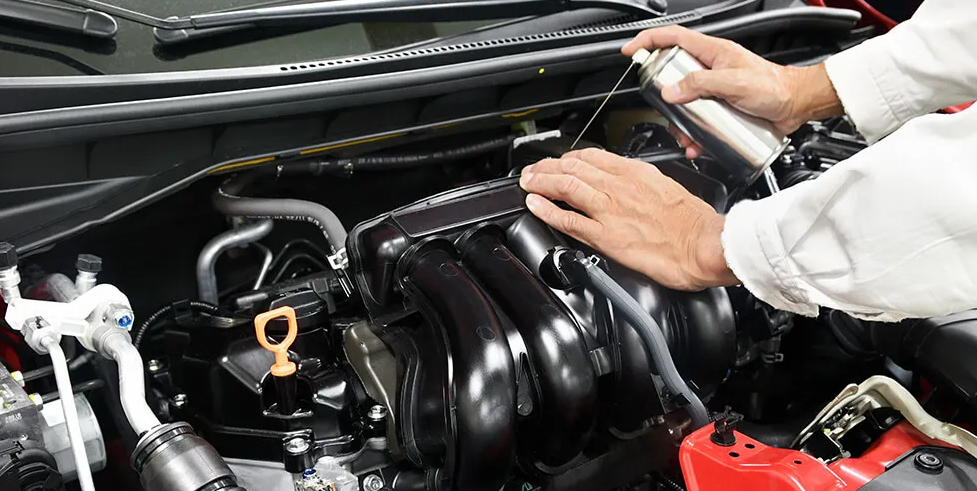
Maintaining a clean engine is crucial for the longevity and optimal performance of your vehicle. Engine degreasing is a vital part of this maintenance, removing accumulated grime that can hinder efficiency and lead to costly repairs. This section will delve into the fundamental reasons behind engine degreasing, its benefits, the nature of common engine contaminants, and the potential hazards of performing this task incorrectly.The primary reasons for degreasing a car engine revolve around enhancing its operational efficiency, simplifying maintenance tasks, and preventing premature wear and tear.
An engine covered in oil, dirt, and road debris is essentially working harder than it needs to. This buildup can trap heat, impede the proper functioning of components, and make it difficult to spot potential leaks or issues during regular inspections.
Benefits of a Clean Engine
A clean engine offers several significant advantages, impacting both the immediate performance and the long-term health of your vehicle. These benefits translate into a more reliable driving experience and potentially lower ownership costs.
- Improved Cooling Efficiency: Grime and oil act as insulators, trapping heat within the engine bay. A degreased engine allows for better heat dissipation, preventing overheating and reducing stress on engine components.
- Easier Leak Detection: Freshly degreased surfaces make it significantly easier to identify the source of oil, coolant, or other fluid leaks. This early detection can prevent minor issues from escalating into major, expensive repairs.
- Enhanced Performance: While not as dramatic as performance modifications, a clean engine can operate more efficiently. Reduced friction and better heat management can contribute to slightly improved fuel economy and responsiveness.
- Simplified Maintenance: Mechanics and DIY enthusiasts alike find it much easier to work on a clean engine. Accessing components for inspection, repair, or replacement is less messy and time-consuming.
- Extended Component Lifespan: By reducing the accumulation of corrosive contaminants and preventing overheating, degreasing can help extend the life of various engine parts, including seals, hoses, and electrical connectors.
Common Types of Engine Grime and Their Origins
The substances that accumulate on your engine are a combination of operational byproducts and external environmental factors. Understanding these contaminants helps in selecting the appropriate cleaning methods and products.The typical grime found on a car engine is a complex mixture. It is primarily composed of burnt oil, road salt, dirt, and other environmental debris that adheres to the engine’s surfaces over time.
- Oil and Grease Residue: This is the most prevalent contaminant. It originates from small leaks, blow-by gases, and general lubrication within the engine. Over time, this oil mixes with dirt and dust, forming a stubborn, gummy layer.
- Road Grime and Dirt: During driving, especially in wet or dusty conditions, the engine bay is exposed to a constant barrage of road spray, mud, and airborne particles. These adhere to the oily surfaces, creating a thick, dark coating.
- Exhaust Byproducts: Soot and other residues from the combustion process can find their way into the engine bay, contributing to discoloration and a gritty texture.
- Corrosive Elements: In regions with harsh winters, road salt is a significant contributor to engine bay grime. This salt, combined with moisture, can accelerate corrosion on metal components.
- Coolant Leaks: While less common than oil, small coolant leaks can leave behind sticky, colorful residues that can be difficult to remove.
Potential Risks of Improper Engine Degreasing
While degreasing is beneficial, performing the task without proper knowledge or precautions can lead to damage to your vehicle’s sensitive components. It is crucial to be aware of these risks to ensure a safe and effective cleaning process.Improper degreasing techniques can inadvertently cause harm to electrical systems, sensors, and other delicate parts within the engine bay. The goal is to remove contaminants without introducing new problems.
- Damage to Electrical Components: High-pressure water or harsh degreasers can penetrate seals and connectors, leading to short circuits, corrosion, and malfunctions in sensors, the alternator, ignition system, and the Engine Control Unit (ECU).
- Corrosion of Metal Parts: Leaving harsh chemicals on metal surfaces for too long, or not rinsing them thoroughly, can strip protective coatings and lead to rust and corrosion, particularly on aluminum or cast-iron components.
- Damage to Rubber and Plastic Parts: Certain strong degreasers can degrade rubber hoses, plastic connectors, and seals, causing them to become brittle, crack, or swell, leading to leaks or component failure.
- Environmental Contamination: Disposing of used degreaser and oily water improperly can contaminate soil and water sources. Responsible disposal methods are essential.
- Personal Injury: Many engine degreasers contain chemicals that can be harmful to skin, eyes, and respiratory systems. Inadequate personal protective equipment can lead to burns, irritation, or inhalation issues.
Safety First: Essential Precautions
Embarking on engine degreasing at home requires a diligent approach to safety. While the goal is a cleaner engine, neglecting essential precautions can lead to personal injury or damage to your vehicle. This section will guide you through the critical safety measures to ensure a successful and hazard-free degreasing process.Prioritizing safety means understanding the potential risks associated with cleaning chemicals and the engine environment itself.
By implementing the right protective measures, you can significantly mitigate these risks and work with confidence.
Required Safety Gear
To ensure your personal well-being during engine degreasing, a specific set of safety gear is indispensable. These items act as your primary defense against chemical exposure, physical hazards, and environmental irritants.The following list Artikels the critical safety equipment you should always utilize:
- Safety Glasses or Goggles: Essential for protecting your eyes from splashes of degreasing agents, dirt, and debris. Opt for impact-resistant models that offer a snug fit.
- Chemical-Resistant Gloves: Nitrile or neoprene gloves are recommended to prevent skin contact with harsh degreasing chemicals, which can cause irritation or burns. Ensure they are long enough to cover your wrists.
- Protective Clothing: Wear old clothes or an apron made of chemical-resistant material to shield your skin and regular clothing from stains and chemical damage. Long sleeves and pants are advisable.
- Respirator Mask: If working in an enclosed space or using a particularly strong degreaser, a respirator mask with appropriate cartridges will protect you from inhaling fumes, which can be harmful.
- Closed-Toe Shoes: Sturdy, closed-toe footwear is crucial to protect your feet from falling tools, spilled chemicals, or sharp objects.
Ventilation Importance
Adequate ventilation is paramount when working with engine degreasers. Many cleaning agents release volatile organic compounds (VOCs) and strong fumes that can be hazardous if inhaled, especially in confined spaces.Proper ventilation helps to disperse these fumes, reducing the concentration in the air and creating a safer working environment. This is crucial for preventing respiratory issues and minimizing the risk of dizziness or headaches.
Adequate ventilation is not a suggestion, but a necessity when using chemical degreasers to protect your respiratory health.
Always aim to degrease your engine in an open-air environment, such as outdoors or in a well-ventilated garage with doors and windows fully open. If natural ventilation is insufficient, consider using fans to improve air circulation.
Protection of Sensitive Engine Components
While the goal is to clean the engine block and its components, certain parts are sensitive to moisture and cleaning solutions and require protection. These areas can be damaged by direct exposure to degreasers or excessive water.Careful masking and covering of these sensitive areas will prevent corrosion, electrical shorts, or damage to delicate electronics.Here are key components that typically require protection:
- Air Intake: Cover the air intake to prevent degreaser or water from entering the engine’s combustion system, which can cause significant damage.
- Electrical Connectors and Sensors: Modern engines are equipped with numerous electrical components. Protect exposed connectors, sensors, and the alternator from direct spraying of cleaning solutions.
- Exposed Filters: Any exposed air filters or other filtration systems should be covered to prevent them from becoming saturated with cleaning agents.
- Distributor Cap and Ignition Coils (on older vehicles): For older vehicles, these components are particularly susceptible to moisture and should be carefully protected.
Use plastic sheeting, aluminum foil, or automotive-grade masking tape to effectively cover these sensitive areas before you begin degreasing.
Handling and Disposal of Degreasing Chemicals
The responsible handling and disposal of engine degreasing chemicals are vital for both personal safety and environmental protection. These chemicals can be harmful if not managed correctly.Always adhere to the manufacturer’s instructions for use and disposal printed on the product label.Key guidelines for handling and disposal include:
- Read Labels Carefully: Before using any degreaser, thoroughly read the product label for specific handling instructions, warnings, and first-aid information.
- Use in Designated Areas: Avoid degreasing in areas where chemicals can easily run off into storm drains or natural water sources.
- Contain Runoff: Use drip pans or absorbent materials to catch and contain the degreaser runoff. This prevents contamination of the surrounding environment.
- Proper Storage: Store degreasing chemicals in their original containers, tightly sealed, and in a cool, dry, well-ventilated area away from heat sources and incompatible materials.
- Disposal of Waste: Never pour used degreaser or contaminated water down the drain or into the ground. Contact your local waste management facility or hazardous waste disposal center for proper disposal guidelines. Many auto parts stores also offer collection services for used automotive fluids.
Fire Prevention Measures
Engine degreasing, especially when using solvent-based products, carries a fire risk. These solvents are often flammable and can ignite easily when exposed to sparks, open flames, or high heat.Implementing strict fire prevention measures is crucial to avoid dangerous situations.The following measures are essential for fire prevention:
- No Open Flames or Sparks: Ensure there are absolutely no open flames, smoking, or sparks in the vicinity of the degreasing area. This includes pilot lights on gas appliances and static electricity.
- Work in a Well-Ventilated Area: As mentioned earlier, good ventilation helps to dissipate flammable vapors, reducing the risk of ignition.
- Avoid Heat Sources: Keep degreasing operations away from hot engines, exhaust systems, electrical outlets, or any other potential heat sources.
- Use Non-Sparking Tools: Whenever possible, use tools made of brass or other non-sparking materials when working around flammable degreasers.
- Have Fire Extinguisher Ready: Keep a fire extinguisher, preferably a Class B or ABC type suitable for flammable liquids, readily accessible and know how to operate it.
- Allow Engine to Cool: Always ensure the engine has cooled down completely before starting the degreasing process. A hot engine can ignite flammable vapors.
Choosing the Right Degreasing Agent
Selecting the appropriate degreasing agent is paramount for effectively cleaning your engine while minimizing risks to yourself and the vehicle’s components. The market offers a variety of degreasers, each with its unique properties and best-use scenarios. Understanding these differences will empower you to make an informed decision that aligns with your engine’s condition and your personal preferences.The effectiveness and safety of a degreaser are largely determined by its formulation.
Different formulations interact with grease, oil, and grime in distinct ways, and their impact on various engine materials can vary significantly. Therefore, a careful comparison of available options is a crucial step in the engine degreasing process.
Types of Engine Degreasers
The primary categories of engine degreasers available for home use are water-based, solvent-based, and natural options. Each category offers a different approach to breaking down and removing stubborn automotive grime.
- Water-Based Degreasers: These are typically formulated with surfactants and emulsifiers that lift and suspend oil and grease in water, allowing them to be rinsed away. They are generally less aggressive than solvent-based options and often considered more environmentally friendly.
- Solvent-Based Degreasers: These degreasers utilize petroleum distillates, hydrocarbons, or other organic solvents to dissolve grease and oil. They are highly effective at breaking down thick, baked-on grime but can be more aggressive and require careful handling.
- Natural Degreasers: Derived from plant-based sources like citrus extracts (d-limonene) or soy, these degreasers offer a biodegradable and often less toxic alternative. Their effectiveness can vary depending on the severity of the grime.
Pros and Cons of Degreaser Types for Home Use
Each type of degreaser presents a unique set of advantages and disadvantages that are important to consider for a successful and safe home engine cleaning.
Water-Based Degreasers
- Pros: Generally safer to handle, less volatile, often biodegradable, easier to rinse off, and less likely to damage rubber or plastic components when used correctly.
- Cons: May require more scrubbing or multiple applications for very heavy grease buildup, can be less effective on old, hardened grime compared to solvent-based options.
Solvent-Based Degreasers
- Pros: Highly effective at dissolving tough grease and oil, fast-acting, can penetrate and break down caked-on grime.
- Cons: Can be flammable and produce strong fumes, requiring excellent ventilation and protective gear. May damage certain plastics, rubber seals, or paint finishes if left on too long or not rinsed thoroughly. Can be harsher on the skin.
Natural Degreasers
- Pros: Environmentally friendly, biodegradable, typically low in toxicity, pleasant natural scents, generally safe for most engine components.
- Cons: May require more time to work or repeated applications for heavy contamination, can be more expensive than conventional degreasers.
Recommended Degreasing Agents for Various Engine Conditions
The best degreaser for your engine depends on the type and severity of the contamination. Here are some recommendations based on common scenarios:
- Light to Moderate Grease and Oil (Routine Cleaning): Water-based degreasers or mild citrus-based natural degreasers are excellent choices. They are effective for regular maintenance and less likely to cause damage.
- Heavy Grease and Grime (Infrequent Cleaning or Older Engines): A more potent solvent-based degreaser might be necessary. Look for formulations specifically designed for engine bays that are less aggressive on rubber and plastic, or consider a heavy-duty water-based degreaser that requires a bit more dwell time and agitation.
- Specific Component Cleaning (e.g., Valve Covers, Oil Pans): For localized, heavy buildup on removable parts, a stronger solvent-based degreaser can be effective, but always test in an inconspicuous area first.
- Environmentally Conscious Cleaning: Opt for biodegradable, plant-derived degreasers. Many high-quality natural degreasers are now as effective as their synthetic counterparts for moderate cleaning tasks.
Understanding Product Labels for Degreasing Solutions
Deciphering product labels is crucial for selecting the right degreaser and using it safely and effectively. Key information to look for includes:
- Product Type: Clearly states whether it’s water-based, solvent-based, or natural.
- Intended Use: Look for “engine degreaser,” “automotive degreaser,” or “heavy-duty degreaser.” Some may specify “safe for use on plastics and rubber.”
- Active Ingredients: Understanding the primary cleaning agents (e.g., surfactants, d-limonene, specific hydrocarbons) can give you an idea of its strength and potential compatibility.
- Safety Precautions: This section is vital. It will detail required personal protective equipment (PPE), ventilation needs, and warnings about contact with skin, eyes, or specific materials.
- Application Instructions: Provides guidance on how to apply, how long to let it dwell, and how to rinse.
- Environmental Information: Look for terms like “biodegradable,” “VOC-compliant,” or “phosphate-free” if environmental impact is a concern.
“Always read and follow the manufacturer’s instructions and safety warnings on the product label before use.”
Checklist for Selecting an Appropriate Degreaser
To simplify the selection process, consider using this checklist when choosing a degreaser for your engine:
| Factor | Considerations | Recommended Degreaser Type(s) |
|---|---|---|
| Engine Type | Modern, complex engines with many plastic/rubber parts vs. older, simpler engines. | Modern: Water-based or gentle natural degreasers. Older: Can tolerate stronger solvents if used cautiously. |
| Dirt Level | Light dust and film vs. thick, caked-on grease and oil. | Light: Water-based or natural. Moderate: Heavy-duty water-based. Heavy: Solvent-based (with caution). |
| Environmental Concerns | Desire for biodegradable and low-toxicity options. | Natural, plant-derived, or specifically labeled eco-friendly water-based degreasers. |
| Ventilation & Workspace | Well-ventilated outdoor space vs. enclosed garage. | Enclosed space: Water-based or natural degreasers with low VOCs. Outdoor: More flexibility, but still requires good ventilation. |
| Personal Sensitivity | Skin sensitivity, respiratory issues, or preference for low-odor products. | Natural or mild water-based degreasers. Avoid strong solvent fumes. |
| Component Compatibility | Presence of sensitive rubber hoses, plastic covers, or painted surfaces. | Always check label for “safe for plastics and rubber.” If unsure, test on a small, hidden area first. Water-based are generally safer. |
Step-by-Step Degreasing Procedure
Embarking on the journey of degreasing your engine at home might seem daunting, but with a systematic approach, it becomes a manageable and rewarding task. This section will guide you through each phase, from initial preparation to the final drying, ensuring a clean and well-maintained engine bay. A thorough degreasing not only improves the aesthetics but also aids in identifying potential leaks and makes future maintenance easier.This procedure is designed to be followed sequentially, with each step building upon the last to achieve optimal results.
We will cover everything you need to know to prepare your engine, apply the degreaser effectively, and rinse and dry your components safely.
Preparation and Protection
Before any cleaning solution touches your engine, meticulous preparation is key to ensuring both your safety and the protection of sensitive engine components. This phase involves identifying areas that require shielding and ensuring the engine is at an appropriate temperature.
- Engine Temperature: Allow the engine to cool down completely. A warm engine can cause degreasers to evaporate too quickly, reducing their effectiveness and potentially creating hazardous fumes. Never spray cold degreaser onto a hot engine, as this can cause thermal shock and damage components.
- Disconnect Battery: For safety, disconnect the negative terminal of your car battery. This prevents any accidental electrical shorts during the cleaning process.
- Cover Sensitive Components: Use plastic bags or aluminum foil secured with tape or rubber bands to cover electrical components such as the alternator, distributor (if applicable), fuse box, exposed wiring harnesses, and air intake. This prevents moisture from damaging these parts.
- Protect Surrounding Areas: Place old rags or newspapers under the engine to catch drips and protect your driveway or garage floor from grease and degreaser.
Degreaser Application Techniques
The method of applying your chosen degreaser will depend on its form and the severity of the grease buildup. Different products require slightly different approaches to maximize their cleaning power.
- Spray Degreasers: These are the most common and easiest to use. Simply spray the degreaser liberally over the greasy areas of the engine, ensuring good coverage. Work in sections if your engine bay is large or heavily soiled.
- Concentrated Degreasers: If you are using a concentrated formula, follow the manufacturer’s instructions for dilution. Typically, these are mixed with water in a spray bottle. Apply the diluted solution evenly.
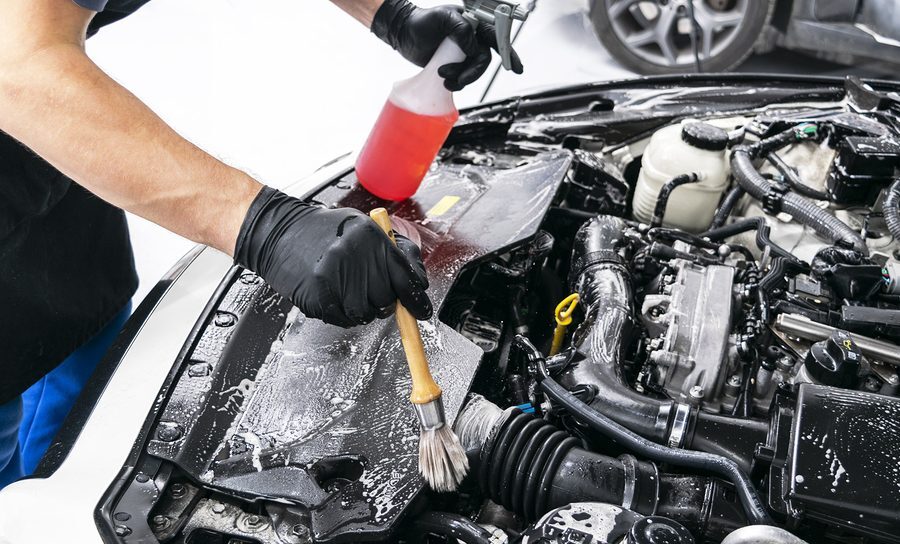
- Brush-in Degreasers: For extremely stubborn, baked-on grime, some degreasers are designed to be applied with a brush. Apply the product directly to the affected areas and work it in with a stiff-bristled brush.
Dwelling Times for Effective Cleaning
Allowing the degreaser sufficient time to penetrate and break down the grease is crucial for its effectiveness. Rushing this step can lead to incomplete cleaning and the need for repeated applications.
The recommended dwelling time for most engine degreasers is typically between 5 to 15 minutes. Always consult the product’s label for specific instructions, as this can vary significantly between brands and formulations.
Factors influencing dwelling time include the type of degreaser, the thickness of the grease, and the ambient temperature. In hotter conditions, you may need to work faster or reapply to prevent drying.
Agitating Stubborn Grease and Grime
While degreasers work to dissolve grease, some areas may require a little manual intervention to loosen the grime completely. This is where tools come in handy.
- Stiff-Bristled Brushes: Use various sizes of brushes, from larger ones for broad areas to smaller detail brushes for tight spots. Nylon or polypropylene brushes are generally recommended as they are durable and less likely to scratch engine components than metal brushes.
- Detailing Brushes: These smaller brushes are excellent for reaching into nooks and crannies, around hoses, and electrical connectors.
- Scrapers (with caution): For extremely caked-on grease, a plastic scraper or an old putty knife can be used gently to lift the bulk of the grime before applying degreaser. Be extremely careful not to scratch or gouge any metal or plastic surfaces.
Thorough Rinsing Methods
Rinsing is a critical step to remove the loosened grease and the degreaser itself. Inadequate rinsing can leave behind residue that attracts dirt and can potentially damage components over time.
- Low-Pressure Water Source: A garden hose with a spray nozzle set to a gentle flow is ideal. Avoid using a high-pressure washer, as the intense force can push water into electrical connectors and seals, causing damage.
- Systematic Rinsing: Start rinsing from the top of the engine bay and work your way down. This allows the dirty water to flow away from cleaner areas.
- Multiple Rinses: For heavily soiled engines, several rinses may be necessary to ensure all degreaser and grime are removed. Pay attention to areas where degreaser might have pooled.
- Avoid Direct Spray on Electronics: Even with low pressure, try to avoid directly spraying water onto the components you covered during the preparation phase.
Drying the Engine
Proper drying is essential to prevent corrosion and ensure all electrical components function correctly. Moisture left behind can lead to a host of problems.
- Air Drying: Allow the engine to air dry as much as possible. You can also open the hood and let it sit for a while, especially on a warm, breezy day.
- Compressed Air: If available, a leaf blower or compressed air can be used to blow excess water out of crevices and from around components. This is a very effective method for thorough drying.
- Microfiber Towels: Use clean, dry microfiber towels to wipe down accessible surfaces and absorb remaining moisture. These towels are highly absorbent and won’t leave lint behind.
- Start the Engine (optional but recommended): Once the engine appears dry, reconnect the battery and start the engine. The engine’s heat will help evaporate any remaining moisture in hard-to-reach areas. Let it run for a few minutes.
Engine Degreasing Flowchart
This flowchart provides a visual representation of the entire degreasing process, from initial preparation to the final steps.
| Start |
| Allow Engine to Cool |
| Disconnect Battery (Negative Terminal) |
| Cover Sensitive Components (Alternator, Intake, etc.) |
| Protect Surrounding Areas (Floor, Paint) |
| Apply Degreaser |
| Allow Dwelling Time (5-15 mins, per product) |
| Agitate Stubborn Grime (Brushes) |
| Rinse Thoroughly (Low Pressure) |
| Dry Engine (Air Dry, Compressed Air, Towels) |
| Reconnect Battery |
| Start Engine (Allow to Run) |
| End |
Protecting and Maintaining a Clean Engine
Once your engine is degreased, the work isn’t entirely finished. Proactive measures and regular attention can significantly extend the time between deep cleaning sessions and help you identify potential issues before they become major problems. Maintaining a clean engine bay is not just about aesthetics; it contributes to the overall health and longevity of your vehicle.Preventative measures and consistent care are key to minimizing future engine grime buildup.
By adopting a few simple habits, you can keep your engine bay looking its best and functioning optimally. This section will guide you through effective strategies for ongoing engine bay maintenance.
Preventative Measures for Reduced Grime Buildup
Implementing preventative strategies can dramatically reduce the rate at which dirt, oil, and road debris accumulate in your engine bay. These methods focus on sealing off potential entry points for contaminants and making surfaces easier to clean.
- Sealing Gaps and Openings: Inspect rubber seals around the hood and firewall for any cracks or deterioration. Replacing worn seals prevents water, dust, and debris from entering the engine bay.
- Underbody Protection: Consider applying an undercoating or rustproofing treatment to the underside of the engine bay. This creates a barrier against road salt, moisture, and grime.
- Splash Guards and Shields: Ensure all factory splash guards and under-engine shields are securely in place. These components are designed to deflect dirt and water away from the engine.
- Regular Visual Inspections: Make it a habit to briefly look under the hood after driving, especially in adverse weather conditions. This allows for early detection of any new accumulation or potential issues.
Routine Engine Bay Cleaning
Between major degreasing sessions, a light, routine cleaning can make a significant difference. These quick cleanups prevent light dirt from hardening and becoming more difficult to remove later.
- Wipe Downs: Use a microfiber cloth dampened with a mild all-purpose cleaner or a dedicated engine bay detailer to wipe down accessible surfaces. Focus on areas that tend to collect dust and light road film.
- Air Blower: A leaf blower or compressed air can be used to dislodge loose dust and debris from crevices and hard-to-reach areas. This is particularly useful after driving on dusty roads.
- Spot Cleaning: Address any small spills or fresh grime immediately with a damp cloth. This prevents them from setting in and becoming a larger cleaning task.
Benefits of a Clean Engine for Issue Detection
A clean engine bay offers a significant advantage in early problem detection. When surfaces are free of grease and grime, it becomes much easier to spot potential issues that might otherwise be hidden.
- Leak Identification: Fresh fluid leaks, such as oil, coolant, or power steering fluid, are readily visible on a clean surface. You can quickly identify the source and color of the leak, aiding in diagnosis.
- Hose and Belt Inspection: Cracks, bulges, or fraying on hoses and belts are more apparent when they are not obscured by dirt. This allows for timely replacement before a failure occurs.
- Electrical Connections: Corrosion or loose connections in the electrical system can be easily spotted on a clean engine. This helps prevent electrical gremlins and ensures proper functionality.
- Component Wear: Unusual wear patterns or damage to engine components are more noticeable when the area is clean, allowing for proactive maintenance.
Materials for Protective Engine Bay Covers
Creating custom or semi-custom covers can offer an additional layer of protection against dirt and moisture. These are particularly useful for sensitive components or in areas prone to heavy contamination.
| Material | Description | Pros | Cons |
|---|---|---|---|
| Heavy-duty vinyl or canvas | Durable, water-resistant fabric | Excellent protection, relatively easy to cut and shape | Can trap heat if not ventilated, may require custom fitting |
| Corrugated plastic (Coroplast) | Lightweight, waterproof plastic sheeting | Inexpensive, easy to cut and form, good for temporary covers | Less durable than vinyl/canvas, can degrade in UV light |
| Aluminum sheeting | Lightweight and rigid metal | Very durable, good heat resistance, can be shaped | Requires specialized tools for cutting and shaping, can be more expensive |
These materials can be cut to size and secured with Velcro, snaps, or custom brackets to protect specific areas like the air intake, battery, or fuse box.
Benefits of Using Engine Protectants
After a thorough degreasing, applying engine protectants offers several benefits that enhance both appearance and protection. These products can restore a like-new look and provide a barrier against future contaminants.
- Restores Appearance: Many protectants are designed to bring back the deep, rich color to plastics, rubber, and metal components, making the engine bay look refreshed.
- UV Protection: These products often contain UV inhibitors that shield surfaces from the damaging effects of sunlight, preventing fading and cracking of plastics and rubber.
- Water and Dirt Repellency: A protective layer can make it harder for water and dirt to adhere to surfaces, meaning future cleanups will be easier and less frequent.
- Prevents Corrosion: Some protectants offer a degree of corrosion resistance, which is beneficial for metal components in the engine bay, especially in humid or coastal environments.
- Ease of Future Cleaning: The slick surface created by a protectant makes it more difficult for grime to stick, allowing for quicker wipe-downs and less aggressive cleaning methods in the future.
A clean engine bay not only looks impressive but also serves as an early warning system for mechanical issues, making maintenance more efficient and effective.
Common Challenges and Solutions
Embarking on engine degreasing can sometimes present unexpected hurdles. Understanding these common challenges and knowing how to address them proactively will ensure a smoother and more effective cleaning process, ultimately contributing to the longevity and performance of your vehicle’s engine. This section aims to equip you with practical solutions for a range of potential issues.A well-maintained engine is a testament to diligent care, but stubborn grime and sensitive components can test even the most seasoned DIY mechanic.
By anticipating common problems and having ready solutions, you can transform a potentially frustrating task into a rewarding maintenance experience.
Stubborn Oil Leaks and Residue
Persistent oil leaks can leave behind thick, baked-on layers of grime that resist initial cleaning efforts. These challenging deposits often require a more aggressive approach and patience to remove effectively without damaging surrounding components.To tackle stubborn oil leaks, a multi-pronged strategy is recommended:
- Pre-treatment: Apply a heavy-duty engine degreaser directly to the affected areas and allow it to soak for a longer period, as per the product’s instructions. Some degreasers are formulated to penetrate and break down caked-on grease more effectively with extended contact time.
- Agitation: Use stiff-bristled brushes, detailing brushes, or even an old toothbrush to manually scrub the heavily soiled areas. This physical agitation helps to loosen the stubborn residue, allowing the degreaser to work more efficiently.
- Heat Application (with caution): In some cases, gentle application of heat from a heat gun (on a low setting and kept moving to avoid overheating) can help soften extremely stubborn, old grease. However, extreme caution is paramount to prevent damage to rubber hoses, plastic components, and electrical wiring. Always test in an inconspicuous area first.
- Repeat Applications: It may be necessary to repeat the degreasing and scrubbing process multiple times for particularly challenging areas.
- Steam Cleaning (Professional Option): For extremely difficult build-up, professional steam cleaning can be a highly effective, albeit more costly, solution. Steam can penetrate and lift grease without the use of harsh chemicals.
Electrical Component Sensitivity
Modern engines are replete with sensitive electrical components, including sensors, connectors, and the alternator. Direct exposure to excessive moisture or harsh cleaning agents can lead to corrosion, short circuits, or component failure. Therefore, protecting these areas is a critical step in the degreasing process.Addressing the sensitivity of electrical components requires careful preparation and execution:
- Identification: Before starting, familiarize yourself with the location of major electrical components. This includes the alternator, fuse box, battery terminals, various sensors (e.g., oxygen sensor, mass airflow sensor), and the engine control unit (ECU) if accessible.
- Protection: Use plastic bags secured with rubber bands or painter’s tape to cover and shield sensitive electrical parts. Ensure the covering is snug to prevent water ingress.
- Degreaser Choice: Opt for water-based or biodegradable degreasers that are less likely to cause corrosion. Avoid highly acidic or alkaline cleaners that can damage electrical insulation.
- Rinsing Technique: When rinsing, use a low-pressure stream of water. Avoid high-pressure washing directly onto electrical connectors or components. A gentle spray or even a damp cloth can be sufficient for rinsing around these areas.
- Drying: After rinsing, ensure all protected areas are thoroughly dried. Compressed air can be used to blow away excess water from connectors and crevices. Allow ample air drying time before starting the engine.
Cleaning Intricate or Hard-to-Reach Areas
Engines are complex assemblies with numerous nooks, crannies, and tight spaces that can accumulate grease and dirt. Reaching these areas effectively without specialized tools can be a significant challenge, leading to incomplete cleaning.To effectively clean intricate and hard-to-reach engine areas, employ a combination of specialized tools and techniques:
- Detailing Brushes: A set of detailing brushes in various sizes and stiffness levels is invaluable. Long-handled brushes can reach further, while smaller, finer brushes can navigate tight spaces and around intricate components.
- Pipe Cleaners and Cotton Swabs: For extremely tight areas and around delicate connections, pipe cleaners and cotton swabs can be used to apply degreaser and gently scrub away grime.
- Compressed Air: After applying degreaser and allowing it to work, compressed air can be used to blow away loosened dirt and debris from hard-to-reach crevices. This is particularly useful for dislodging dirt from cooling fins and around engine mounts.
- Spray Bottles with Straws: Using degreaser in a spray bottle equipped with a narrow straw allows for precise application into tight spaces without overspray.
- Flexible Brushes: Some detailing brushes are designed with flexible heads or shafts, enabling them to bend and conform to the contours of engine components.
Unintended Damage During Degreasing
Despite best efforts, accidents can happen, and unintended damage may occur during the degreasing process. This could range from minor cosmetic issues like discolored plastic to more serious problems such as damaged hoses or electrical connections.Should unintended damage occur during degreasing, a calm and systematic approach is necessary:
- Assess the Damage: Immediately stop the degreasing process and carefully assess the extent and nature of the damage. Determine if it is cosmetic, functional, or potentially hazardous.
- Minor Cosmetic Damage: For discolored plastic or rubber components, sometimes a good cleaning and conditioning product can restore their appearance. If paint has been affected, touch-up paint may be required.
- Damaged Hoses or Lines: If a hose or line is cracked, split, or punctured, it must be replaced. Do not attempt to repair fuel or coolant lines with temporary fixes, as this can lead to leaks and serious engine problems.
- Damaged Electrical Connections: If an electrical connector is damaged, inspect the pins and housing. Depending on the severity, it may be possible to carefully repair or replace individual pins. However, if the damage is significant, the entire connector may need to be replaced. Seek professional advice if unsure.
- Consult a Professional: For any damage that affects the functionality or safety of the engine, it is always best to consult a qualified mechanic. They have the expertise and tools to diagnose and repair the issue correctly, preventing further damage or potential hazards.
Tools and Equipment for Effective Degreasing
Properly degreasing an engine requires a specific set of tools and equipment to ensure both efficiency and safety. Having the right gear not only makes the task easier but also helps protect your vehicle and yourself from potential damage or injury. This section Artikels the essential items you’ll need to achieve a thoroughly clean engine.A well-equipped workspace is crucial for a successful engine degreasing project.
Gathering all necessary items beforehand will streamline the process and prevent interruptions. The following list details the key tools and equipment that will facilitate effective degreasing.
Essential Tools and Equipment
The following items are fundamental for a comprehensive engine degreasing operation. Having these readily available will ensure you can tackle grease and grime effectively.
- Safety Glasses: To protect your eyes from splashes of degreaser and debris.
- Chemical-Resistant Gloves: To prevent skin irritation and absorption of chemicals.
- Long-Sleeved Clothing and Pants: To shield your skin from chemical contact and grime.
- Engine Degreaser: The primary cleaning agent (various types discussed in previous sections).
- Water Source: For rinsing.
- Brushes: For scrubbing stubborn grime.
- Scrapers: For removing caked-on debris.
- Shop Rags/Microfiber Towels: For wiping and drying.
- Plastic Sheeting/Bags: For protecting sensitive components.
- Catch Pan/Container: To collect runoff and degreaser.
- Pressure Washer (Optional but recommended): For efficient rinsing.
- Hose with Spray Nozzle: An alternative for rinsing.
- Bucket: For holding cleaning solutions or rinse water.
- Wheel Chocks: To prevent the vehicle from rolling.
- Work Light: For better visibility in dimly lit engine bays.
Brushes and Scrapers for Stubborn Grime
Brushes and scrapers are indispensable for agitating and dislodging hardened grease and dirt that simple spraying cannot remove. Their design and material play a significant role in their effectiveness and the potential for damaging engine components.Brushes come in various stiffnesses and shapes. Stiff-bristled brushes, often made of nylon or natural fibers, are excellent for breaking down thick grime on metal surfaces.
Softer brushes, such as detailing brushes, are suitable for more delicate areas or for applying degreaser to specific spots without causing abrasion. Scrapers, typically made of plastic or metal with a dull edge, are used to carefully pry away large chunks of caked-on oil or mud. It is crucial to select scrapers with edges that will not gouge or scratch the underlying surfaces.
Advantages of Using a Pressure Washer for Rinsing
A pressure washer significantly enhances the rinsing stage of engine degreasing. The high-pressure water stream effectively blasts away loosened grime and residual degreaser, leaving surfaces clean and free of contaminants. This method is considerably faster and more thorough than manual rinsing, ensuring that all cleaning agents are removed, which is vital for preventing long-term damage to engine components.The controlled spray patterns available with pressure washers allow for targeted cleaning.
For instance, a fan spray can cover larger areas efficiently, while a more focused jet can be used to dislodge stubborn deposits. The force of the water helps to agitate and lift away debris that might otherwise remain embedded.
Alternative Methods for Rinsing
If a pressure washer is not available, a standard garden hose with a spray nozzle can be effectively used for rinsing. While it may require more time and effort, a thorough rinse is still achievable.Using a hose with a strong jet setting is the most effective alternative. Direct the water flow to systematically wash away the degreaser and loosened grime from all parts of the engine bay.
Multiple passes may be necessary to ensure complete removal. A bucket can also be used to manually pour water over specific areas, particularly in tight spots where hose access is limited.
Utility of Shop Rags and Microfiber Towels
Shop rags and microfiber towels are essential for wiping down surfaces, drying the engine, and absorbing excess fluids throughout the degreasing process. Their absorbency and texture are key to their utility.Shop rags, often made from durable cotton or synthetic materials, are robust enough for scrubbing and wiping away heavy grease. They are cost-effective for general cleanup. Microfiber towels, on the other hand, offer superior absorbency and a non-abrasive surface.
They are ideal for final drying and for wiping down delicate components without leaving lint or scratches. Their fine fibers trap dirt and grease effectively, making them excellent for achieving a spotless finish.
Comparison of Different Types of Degreasing Tools
The effectiveness of an engine degreasing job is directly influenced by the tools used. Each tool has specific applications and benefits, and understanding these differences helps in selecting the most appropriate equipment.
| Tool Type | Description | Primary Use | Advantages | Considerations |
|---|---|---|---|---|
| Stiff Bristle Brush (Nylon/Wire) | Durable bristles, often with a sturdy handle. | Agitating heavy grease, dirt, and grime on robust surfaces. | Effective for breaking down stubborn deposits; durable. | Can be too abrasive for delicate parts; requires careful use. |
| Detailing Brush (Soft Bristle) | Fine, soft bristles, often with a small handle. | Cleaning intricate areas, electrical components, and sensitive surfaces. | Gentle on surfaces; reaches tight spots; good for applying degreaser precisely. | Less effective on heavy, caked-on grime. |
| Plastic Scraper | Made from durable plastic with a beveled edge. | Removing large, caked-on debris like mud or old oil residue. | Does not scratch metal surfaces; safe for most engine components. | May not be effective on extremely hardened or baked-on grime. |
| Metal Scraper (with caution) | Made from metal with a sharp or dull edge. | Removing extremely stubborn, hardened deposits where plastic is insufficient. | Very effective for aggressive removal of thick build-up. | High risk of scratching or damaging surfaces; use with extreme care and only when necessary. |
| Pressure Washer | Device that sprays water at high pressure. | Thorough and efficient rinsing of degreaser and loosened dirt. | Saves time and effort; provides a deep clean; effective in reaching all areas. | Requires a water source and power; potential to force water into sensitive electrical components if not used correctly. |
| Garden Hose with Spray Nozzle | Standard hose with adjustable spray patterns. | Manual rinsing of degreaser and dirt. | Widely available; easy to use; less risk of damage compared to pressure washer. | Less powerful; may require more time and effort for thorough rinsing. |
| Shop Rags | Absorbent cloths, often cotton or synthetic. | Wiping, scrubbing, and absorbing excess fluids. | Durable; good for general cleanup and heavy-duty wiping. | Can leave lint; less absorbent than microfiber for final drying. |
| Microfiber Towels | Highly absorbent synthetic fabric with fine fibers. | Final drying, polishing, and wiping of delicate surfaces. | Excellent absorbency; non-abrasive; traps dirt and grease effectively; lint-free. | Can be more expensive than shop rags; requires proper care to maintain effectiveness. |
Conclusive Thoughts
![Simple Green Vs Engine Degreaser [Which To Choose To Clean Your Engine?]](https://www.electronicshub.org/wp-content/uploads/2022/07/best-engine-degreaser-1.jpg "Simple Green Vs Engine Degreaser [Which To Choose To Clean Your Engine?]")
In conclusion, mastering the art of How to Degrease an Engine Safely at Home is an achievable endeavor that significantly contributes to your vehicle’s health and your confidence as a car owner. By diligently following the safety protocols, selecting the appropriate cleaning agents, and executing the step-by-step process, you not only enhance your engine’s performance and make maintenance easier but also proactively identify potential issues.
This detailed guide equips you with the insights to maintain a clean and efficient engine bay, ensuring your vehicle runs smoothly and reliably for years to come.