Embarking on the journey of detailing your convertible top, whether it’s crafted from delicate fabric or resilient vinyl, is an essential aspect of automotive care that preserves both aesthetics and longevity. This comprehensive guide is designed to equip you with the knowledge and techniques necessary to tackle this rewarding task, ensuring your vehicle’s crowning glory remains in pristine condition through every season.
We will explore the distinct characteristics of fabric and vinyl materials, identify the specialized tools and supplies required for each, and provide clear, step-by-step procedures for cleaning, protecting, and even addressing common issues. From understanding the nuances of canvas and Stayfast fabrics to mastering the care of vinyl surfaces, this content offers a detailed roadmap for achieving a showroom-quality finish.
Understanding Convertible Top Materials
A convertible top is a critical component of a vehicle’s aesthetics and functionality, and its material composition dictates how it should be cleaned and maintained. Understanding the fundamental differences between fabric and vinyl convertible tops is the first step towards effective detailing, ensuring longevity and preserving their appearance. Each material possesses unique properties that require specific approaches to cleaning and protection.The primary distinction lies in their construction and inherent characteristics.
Fabric tops are generally more breathable and offer a more luxurious feel, while vinyl tops are known for their durability and ease of maintenance. Recognizing these differences will guide you in selecting the appropriate cleaning products and techniques.
Fabric Convertible Top Materials
Fabric convertible tops are crafted from a variety of woven materials, each offering distinct advantages in terms of appearance, durability, and weather resistance. These materials are often multi-layered to provide insulation and protection.Common types of fabric used for convertible tops include:
- Canvas: A traditional and robust material, often made from cotton or a blend. It offers excellent durability and a classic look but can be heavier and slower to dry than other fabrics.
- Stayfast: A popular choice, Stayfast is a three-ply composite material consisting of a cotton or polyester facing, a rubber inner layer, and a backing fabric. It is known for its excellent resistance to UV rays, mildew, and water, and it maintains its color well over time.
- Twill: A tightly woven fabric with a distinctive diagonal rib pattern. Twill is highly durable and resistant to abrasion, making it a long-lasting option. It often provides a refined appearance.
These fabrics are typically designed with an outer layer that resists water and UV damage, a middle layer for insulation and waterproofing, and an inner lining for a finished look.
Vinyl Convertible Top Materials
Vinyl convertible tops, also known as “pleather” or “all-weather fabric,” are made from synthetic materials, primarily polyvinyl chloride (PVC). They are engineered for resilience and straightforward care.Typical materials that constitute vinyl convertible tops and their typical construction include:
- PVC (Polyvinyl Chloride): The main component, offering flexibility and resistance to moisture and UV radiation.
- Reinforcing Layers: Often, vinyl tops incorporate fabric reinforcing layers within their construction to enhance tensile strength and prevent tearing.
- Surface Treatments: A clear topcoat is usually applied to provide a glossy finish and added protection against environmental elements.
Vinyl tops are generally constructed as a single or double layer, making them less breathable than fabric but exceptionally resistant to stains and easy to wipe clean.
Cleaning and Maintenance Considerations
The distinct nature of fabric and vinyl necessitates tailored cleaning and maintenance strategies to prevent damage and ensure optimal appearance. Using the wrong products can lead to fading, cracking, or material degradation.Unique cleaning and maintenance considerations for each material type are as follows:
- Fabric Tops: Require specialized fabric cleaners that are pH-neutral and free from harsh chemicals. Regular application of fabric protectants is crucial to repel water and stains. Brushing is often recommended to remove dry debris before wet cleaning. Air drying is preferred to prevent shrinkage or damage.
- Vinyl Tops: Can be cleaned with mild soap and water or specific vinyl cleaners. Harsh chemicals and abrasive brushes should be avoided to prevent scratching the surface or dulling the finish. Vinyl protectants with UV inhibitors are essential to prevent fading and cracking caused by sun exposure.
For both material types, it is important to consult the vehicle manufacturer’s recommendations or the top manufacturer’s guidelines for the most effective care.
Essential Cleaning Supplies and Tools
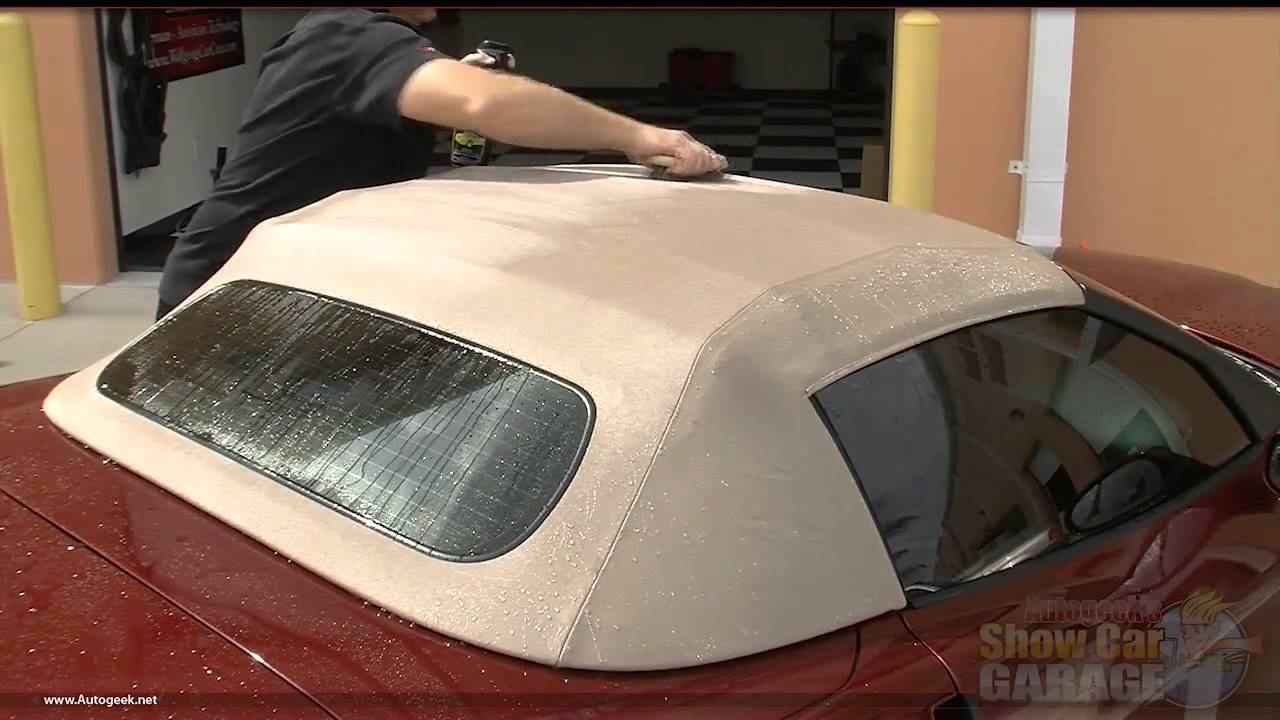
To effectively detail your convertible top, having the right cleaning supplies and tools is paramount. These items are specifically designed to tackle the unique challenges presented by fabric and vinyl materials, ensuring a thorough yet gentle cleaning process. The selection of products will vary slightly depending on the material of your convertible top, but a core set of essentials will serve you well.This section will guide you through the specific items you’ll need for both fabric and vinyl convertible tops, along with a comprehensive toolkit to ensure you are fully prepared for the task.
Understanding the purpose of each item will help you make informed choices and achieve the best possible results.
Essential Cleaning Supplies for Fabric Convertible Tops
Fabric convertible tops require specialized care to remove dirt, grime, and environmental contaminants without damaging the delicate fibers. Using the wrong products can lead to fading, staining, or material degradation. Therefore, selecting appropriate cleaners and protectants is crucial for maintaining the aesthetic appeal and longevity of your fabric top.
- Specialized Fabric Convertible Top Cleaner: These cleaners are formulated to lift dirt, mold, mildew, and other stubborn stains from fabric without stripping its natural oils or causing discoloration. Look for pH-neutral formulas to ensure gentleness.
- Fabric Protectant/Water Repellent: After cleaning, applying a protectant creates a barrier that repels water, UV rays, and stains. This helps keep the fabric looking newer for longer and makes future cleaning easier.
- Soft Bristle Brush: A brush with soft, synthetic bristles is essential for agitating the cleaner and gently lifting dirt from the fabric weave without causing abrasion.
- Microfiber Towels: High-quality microfiber towels are indispensable for blotting excess water, drying the fabric, and applying protectants. Their absorbency and non-abrasive nature prevent scratching or linting.
- All-Purpose Cleaner (Diluted): For less stubborn dirt or as a pre-treatment, a diluted, pH-neutral all-purpose cleaner can be used. Always test in an inconspicuous area first.
- Water Source: A hose with a gentle spray setting is needed for rinsing the fabric thoroughly after cleaning.
Essential Cleaning Supplies for Vinyl Convertible Tops
Vinyl convertible tops are more durable than fabric but still require specific cleaning agents to maintain their sheen and prevent cracking or fading. Harsh chemicals can damage the vinyl’s protective coating and lead to premature wear. The right products will clean effectively while conditioning the material.
- Vinyl Convertible Top Cleaner: These cleaners are designed to safely break down dirt, road film, and oxidation on vinyl surfaces. They are typically formulated to be non-abrasive and safe for colored vinyl.
- Vinyl Conditioner/Protectant: A good vinyl conditioner will restore flexibility, add UV protection, and leave a clean, non-greasy finish. This helps prevent the vinyl from drying out, cracking, and fading.
- Soft to Medium Bristle Brush: For vinyl, a brush with slightly firmer bristles than those used for fabric can be effective in lifting grime. However, it should still be soft enough not to scratch the vinyl surface.
- Microfiber Applicator Pads: These are ideal for applying vinyl cleaners and conditioners evenly across the surface, ensuring consistent coverage and a smooth finish.
- Microfiber Towels: Similar to fabric tops, microfiber towels are crucial for wiping away cleaner residue and buffing the vinyl to a shine.
- Water Source: A hose with a gentle spray is used for rinsing the vinyl top after cleaning.
Recommended Convertible Top Detailing Toolkit
Assembling a comprehensive toolkit ensures you have all the necessary items readily available for detailing your convertible top. This organized approach saves time and ensures a more thorough and professional result, whether you’re dealing with a fabric or vinyl top.
A well-equipped toolkit should include:
- Bucket(s): At least two buckets are recommended – one for your cleaning solution and one for rinsing your brush or wash mitt. This prevents transferring dirt back onto the surface.
- Variety of Brushes: A selection of brushes with different bristle types and sizes is essential for reaching all areas and effectively agitating cleaning solutions on both fabric and vinyl.
- Microfiber Towels: A generous supply of clean, high-quality microfiber towels for washing, drying, and buffing.
- Applicator Pads: Foam or microfiber applicator pads for applying conditioners and protectants.
- Spray Bottles: For diluting cleaners or holding water for rinsing specific areas.
- Gloves: To protect your hands from cleaning chemicals.
- Water Source: Access to a hose with adjustable spray settings.
- Optional: Small Vacuum or Blower: To remove loose debris before washing.
Brush Effectiveness for Convertible Top Cleaning
The choice of brush significantly impacts the effectiveness and safety of cleaning your convertible top. Different bristle types and stiffness levels are suited for specific materials and levels of dirt. Using the wrong brush can lead to damage, while the correct one will enhance the cleaning process.
| Brush Type | Bristle Material | Stiffness | Ideal For | Considerations |
|---|---|---|---|---|
| Soft Bristle Brush | Synthetic fibers (e.g., nylon, polyester) | Soft | Fabric convertible tops, delicate vinyl surfaces, general cleaning. | Excellent for lifting dirt without damaging fibers or scratching surfaces. Can be used with all fabric cleaners. |
| Medium Bristle Brush | Synthetic fibers | Medium | Vinyl convertible tops, moderately soiled fabric tops. | Provides more agitation for tougher grime on vinyl. Use with caution on fabric to avoid fraying. |
| Detailing Brush Set | Varying synthetic and natural fibers | Soft to Medium | Crevices, seams, and intricate areas on both fabric and vinyl tops. | Smaller brushes are crucial for detailed work, ensuring no area is missed. |
| Wheel Brush (Soft) | Soft synthetic bristles | Soft | Stubborn stains or heavily soiled areas on fabric tops, or when deep cleaning is required. | Its density can help work cleaners into tough spots, but always use with a light touch on fabric. |
When cleaning fabric tops, always err on the side of caution with softer brushes. For vinyl, a medium brush can be more effective for ingrained dirt, but always test its impact in an inconspicuous area first. The key is to use enough pressure to agitate the cleaner but not so much that it causes physical damage to the material.
Step-by-Step Fabric Convertible Top Cleaning Procedure
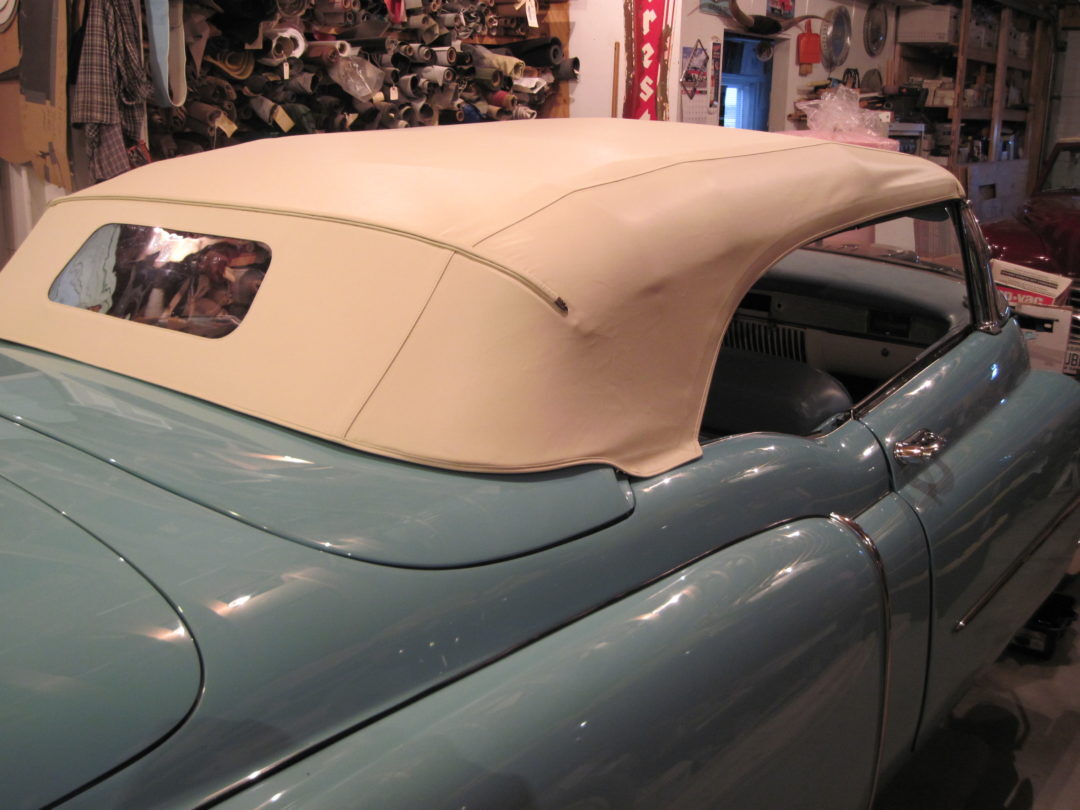
Maintaining the pristine condition of your fabric convertible top is crucial for both its longevity and the aesthetic appeal of your vehicle. This section will guide you through a comprehensive cleaning process, ensuring that loose debris is removed effectively, stains are tackled appropriately, and the fabric is left in an optimal state for protection. Following these steps meticulously will help preserve the material’s integrity and appearance.The fabric of a convertible top can accumulate a variety of contaminants, from dust and pollen to bird droppings and tree sap.
A thorough cleaning not only removes these unsightly blemishes but also prepares the fabric for protective treatments that shield it from future damage caused by environmental factors like UV rays and moisture.
Pre-Rinsing the Fabric Top
Before applying any cleaning agents, it is essential to remove loose dirt and debris. This initial rinse prevents larger particles from being scrubbed into the fabric, which could lead to scratches or more ingrained stains. A gentle but firm stream of water is ideal for this purpose.Start by thoroughly wetting the entire fabric top with a garden hose or a pressure washer set to a low setting.
Move the nozzle in a systematic pattern, ensuring all areas are covered. Pay close attention to seams and crevices where debris tends to collect. This step is vital for a clean slate, allowing your cleaning products to work more effectively on embedded grime.
Fabric Convertible Top Cleaner Application and Agitation
Once the top is free of loose debris, it’s time to apply a specialized fabric convertible top cleaner. These cleaners are formulated to break down dirt and stains without damaging the delicate fabric fibers. Proper application and agitation are key to achieving a deep clean.Begin by diluting the fabric cleaner according to the manufacturer’s instructions. Never use household detergents or harsh chemicals, as they can strip protective coatings and degrade the fabric.
Apply the diluted cleaner evenly across the entire surface of the convertible top. For best results, use a soft-bristled brush or a microfiber wash mitt to gently agitate the cleaner. Work in small sections, using overlapping strokes to ensure complete coverage. Avoid aggressive scrubbing, which can harm the fabric.
Rinsing and Drying the Fabric Top
Thorough rinsing is critical to remove all traces of the cleaning solution and lifted dirt. Inadequate rinsing can leave behind residue that attracts more dirt and may even cause discoloration over time. Gentle and complete rinsing is the goal.After you have finished agitating the cleaner, rinse the fabric top thoroughly with clean water. Again, use a systematic approach, ensuring all cleaning solution and loosened grime are washed away.
A pressure washer on a low setting can be effective, but a garden hose with a spray nozzle is also suitable. Continue rinsing until the water runs clear and no suds or residue are visible.Allow the fabric top to air dry completely. It is advisable to leave the top in the down position during the drying process to ensure even airflow and prevent water from pooling in the folds.
Avoid using heat guns or hair dryers, as excessive heat can damage the fabric and its waterproofing. Patience is key; ensure the top is bone dry before proceeding to the next step.
Applying Fabric Convertible Top Protectants
Applying a protectant is the final and arguably most important step in maintaining your fabric convertible top. These products create a barrier that repels water, protects against UV damage, and prevents stains, significantly extending the life and beauty of the fabric.Ensure the fabric top is completely dry and free of any dirt or residue before applying the protectant. Shake the product well and apply it evenly using a spray applicator or a microfiber applicator pad.
Work in a well-ventilated area, and consider covering nearby painted surfaces to prevent overspray. Apply in thin, even coats, allowing the recommended drying time between applications as specified by the product manufacturer. Some protectants may require multiple coats for optimal performance.
Regular application of a quality fabric convertible top protectant is the best defense against environmental degradation and premature aging of the material.
The protectant will enhance the fabric’s ability to bead water, making it easier for rain to roll off the surface and preventing water from soaking into the material. It also acts as a shield against the damaging effects of ultraviolet radiation from the sun, which can cause fading and weakening of the fabric fibers over time.
Step-by-Step Vinyl Convertible Top Cleaning Procedure
While fabric convertible tops require a gentle approach, vinyl tops offer a bit more resilience. However, proper cleaning techniques are still crucial to maintain their appearance and longevity. This section will guide you through the process of safely and effectively cleaning your vinyl convertible top, ensuring it looks its best and remains protected against the elements.Vinyl convertible tops are less porous than fabric, meaning dirt and grime tend to sit on the surface.
This makes them generally easier to clean, but it also means they can be more susceptible to scratches and damage from abrasive materials or harsh chemicals. Following a structured cleaning procedure will help you avoid common pitfalls and achieve a pristine finish.
Washing a Vinyl Convertible Top
The washing stage is fundamental to removing loose dirt and debris before applying specialized cleaners. Using the correct tools and techniques will prevent scratching the vinyl surface and ensure a thorough clean.The recommended method for washing a vinyl convertible top involves a gentle yet effective approach:
- Begin by rinsing the top thoroughly with a hose on a low-pressure setting. This will remove any loose dirt, dust, and debris, preventing them from being rubbed into the vinyl during the washing process.
- Prepare a cleaning solution by mixing a dedicated vinyl cleaner or a pH-neutral car wash soap with water in a bucket. Avoid using household detergents or abrasive cleaners, as these can strip protective coatings and damage the vinyl.
- Using a soft microfiber wash mitt or a soft-bristled brush designed for automotive use, gently scrub the vinyl top in straight lines. Work in small sections, applying light pressure. For stubborn spots, you may need to gently agitate the area, but always err on the side of caution to avoid scratching.
- Rinse each section thoroughly with the hose immediately after washing to prevent the cleaning solution from drying on the surface.
- Repeat the process for the entire vinyl top, ensuring all areas are cleaned.
Applying Vinyl Cleaners and Conditioners
Once the top is clean and free of surface contaminants, applying specialized vinyl cleaners and conditioners is essential for restoring its appearance and protecting it. These products are formulated to safely lift embedded dirt and replenish the vinyl’s natural oils.The application of vinyl cleaners and conditioners should follow these guidelines for optimal results:
- Ensure the vinyl top is completely dry before applying any cleaning or conditioning products. Applying products to a wet surface can dilute their effectiveness and lead to uneven application.
- Select a high-quality vinyl cleaner specifically designed for automotive convertible tops. Apply the cleaner to a microfiber applicator pad or a soft cloth, not directly onto the vinyl.
- Gently work the cleaner into the vinyl surface using light, circular motions. Pay attention to any stained or discolored areas.
- Wipe away any residue with a clean, dry microfiber towel.
- After cleaning, it’s time to apply a vinyl protectant or conditioner. These products help to restore flexibility, prevent UV damage, and repel water and dirt.
- Apply the conditioner evenly using a separate applicator pad or microfiber towel. Work it into the vinyl in a similar manner to the cleaner.
- Allow the conditioner to penetrate the vinyl according to the product’s instructions, which typically involves a short waiting period.
- Buff off any excess product with a clean, dry microfiber towel to achieve a smooth, non-greasy finish.
Drying a Vinyl Convertible Top
Proper drying is a critical step to prevent water spots and streaks, which can detract from the overall appearance of your convertible top. Using the right drying method ensures a flawless finish.The process of drying a vinyl convertible top to prevent water spots involves:
- Immediately after rinsing, use a high-quality microfiber drying towel to gently blot and wipe down the entire vinyl surface. Microfiber towels are highly absorbent and will capture water efficiently without scratching.
- Work from the top of the convertible top downwards, allowing gravity to assist in the drying process and preventing water from pooling in crevices.
- For areas where water may tend to collect, such as seams and around the frame, use a separate, dry microfiber towel to carefully dab and absorb any remaining moisture.
- Avoid using heat guns or hairdryers, as excessive heat can damage the vinyl. Air drying in a well-ventilated area is the safest option.
- If water spots do appear, they can often be removed by gently wiping the affected area with a damp microfiber towel followed by a dry one. For persistent spots, a diluted solution of distilled water and white vinegar (1:1 ratio) can be used sparingly, followed by a thorough rinse and dry.
Conditioning Vinyl Tops for Longevity
Regular conditioning is the key to maintaining the flexibility of your vinyl convertible top and preventing it from becoming brittle, which can lead to cracking and premature aging. This proactive step ensures your top remains in excellent condition for years to come.Best practices for conditioning vinyl tops to maintain flexibility and prevent cracking include:
- Frequency: Condition your vinyl top at least every 2-3 months, or more frequently if your vehicle is exposed to harsh sunlight or extreme weather conditions.
- Product Selection: Always use a conditioner specifically formulated for automotive vinyl convertible tops. These products contain UV inhibitors and emollients that protect against drying and fading.
- Application Technique: Apply the conditioner evenly to a clean, dry surface using a microfiber applicator pad. Work the product into the vinyl using gentle, overlapping strokes.
- Drying and Buffing: Allow the conditioner to penetrate for the time recommended by the manufacturer. Then, gently buff off any excess product with a clean, dry microfiber towel. A light, non-greasy finish is desirable.
- Addressing Existing Issues: For older, drier vinyl, you may need to apply multiple thin coats of conditioner, allowing adequate drying time between applications, to restore suppleness.
- Protection: After conditioning, consider applying a vinyl protectant spray that offers additional UV protection and water repellency. This creates a barrier against environmental damage.
By adhering to these steps, you can ensure your vinyl convertible top remains supple, protected, and visually appealing, safeguarding your investment and enhancing the overall look of your vehicle.
Addressing Common Convertible Top Issues
While regular cleaning and maintenance are crucial, convertible tops can sometimes develop specific issues. Understanding how to identify and address these problems will help you preserve the appearance and functionality of your top for longer. This section will guide you through common challenges and their solutions.
Mold and Mildew Growth on Fabric Convertible Tops
Mold and mildew are common adversaries for fabric convertible tops, especially in humid environments or when the top is left wet. These growths not only look unsightly but can also degrade the fabric over time. Early detection and treatment are key to preventing significant damage.To identify mold and mildew, look for fuzzy or slimy patches, often appearing as black, green, or gray spots.
They may also emit a musty odor.The treatment process involves a few steps:
- Ventilation: Always work in a well-ventilated area, preferably outdoors, to avoid inhaling spores.
- Initial Cleaning: Gently brush off any loose debris or surface mold with a soft brush.
- Mildew Remover Application: Apply a specialized fabric convertible top mildew remover. Follow the product instructions carefully, as some require dilution or specific dwell times.
- Gentle Scrubbing: Use a soft-bristled brush to gently work the cleaner into the affected areas. Avoid aggressive scrubbing, which can damage the fabric fibers.
- Rinsing: Thoroughly rinse the area with clean water. Ensure all cleaning solution residue is removed.
- Drying: Allow the convertible top to air dry completely. It’s best to leave the top down or open during this process to promote airflow.
- Repeat if Necessary: For stubborn growth, a second application may be required.
Prevention is always better than cure. Regularly cleaning your convertible top and ensuring it dries completely after exposure to rain or washing can significantly reduce the risk of mold and mildew.
Stubborn Stain Removal from Fabric Convertible Tops
Fabric convertible tops are susceptible to a variety of stains, from bird droppings and tree sap to oil and grease. The method for removal depends heavily on the type of stain. It’s important to act quickly, as older stains are more difficult to lift.Here are methods for removing common stubborn stains:
- General Dirt and Grime: For everyday dirt, a good quality fabric convertible top cleaner and a soft brush are usually sufficient. Work in a circular motion and rinse thoroughly.
- Bird Droppings and Tree Sap: These can be particularly tenacious. For fresh droppings, gently wipe away as much as possible with a damp cloth. For dried-on messes, use a specialized convertible top cleaner or a mild soap solution. For tree sap, a citrus-based cleaner or isopropyl alcohol can be effective, but test in an inconspicuous area first.
- Oil and Grease Stains: These require a degreasing agent. Apply a small amount of dish soap directly to the stain and gently work it in with a soft brush. Allow it to sit for a few minutes before rinsing. Alternatively, a specialized fabric convertible top degreaser can be used.
- Water Stains: Sometimes, water spots can leave a mark. Often, a thorough cleaning with a fabric convertible top cleaner will remove these. If not, try applying a fabric protectant after cleaning, as this can help repel water and prevent future spotting.
- Ink Stains: Ink can be challenging. For fresh ink, blotting with a clean cloth may lift some of it. For more set-in stains, a small amount of rubbing alcohol applied with a cotton swab can be effective, but be cautious as it can also lift color from the fabric if used too aggressively. Test in an inconspicuous area first.
Always test any cleaning solution on a small, hidden area of the convertible top before applying it to a visible stain. This will help ensure that the cleaner does not cause discoloration or damage to the fabric.
Repairing Small Tears or Holes in Fabric Convertible Tops
Minor damage to a fabric convertible top, such as small tears or holes, can often be repaired at home, preventing them from becoming larger and more problematic. The key is to use the right materials and techniques to ensure a durable and discreet repair.The process for repairing small tears or holes typically involves the following steps:
- Clean the Area: Thoroughly clean the area around the tear or hole and allow it to dry completely.
- Assess the Damage: Determine the size and location of the damage. For very small punctures, a fabric glue might suffice. For slightly larger tears, a patch or seam sealer will be necessary.
- Prepare the Patch (if needed): If a patch is required, cut a piece of matching or complementary fabric slightly larger than the damaged area. Ensure the edges are clean and not frayed.
- Apply Adhesive: Apply a specialized fabric convertible top adhesive or fabric glue to the edges of the tear or around the hole. For patching, apply the adhesive to the underside of the patch and the area to be covered.
- Position and Secure: Carefully align the edges of the tear and press them together firmly. If using a patch, position it over the hole or tear and press down to ensure good contact. You may need to use clamps or heavy objects to hold the patch in place while the adhesive dries.
- Allow to Cure: Let the adhesive cure completely according to the manufacturer’s instructions. This is crucial for a strong bond.
- Reinforce (optional): For added durability, especially on seams, you can apply a fabric seam sealer over the repaired area once the initial adhesive has cured.
For more significant tears or damage, professional repair may be the best option to ensure a watertight and aesthetically pleasing result.
Restoring Faded or Discolored Vinyl Convertible Tops
Vinyl convertible tops can lose their luster over time due to exposure to UV rays, harsh weather, and general wear. This can lead to fading, chalking, and discoloration, making the top appear old and neglected. Fortunately, there are methods to restore its appearance.The restoration process for faded or discolored vinyl tops generally involves:
- Thorough Cleaning: Begin by thoroughly cleaning the vinyl top with a dedicated vinyl cleaner or a mild soap and water solution. This removes dirt, grime, and any residues that might interfere with the restoration process.
- Application of a Vinyl Restorer/Dye: Once clean and dry, apply a specialized vinyl restorer or a vinyl-specific dye. These products are designed to penetrate the vinyl and replenish lost color and oils. They often come in various colors to match your original top.
- Even Application: Apply the restorer or dye evenly using a foam applicator pad or a soft cloth. Work in small sections to ensure consistent coverage.
- Buffing: After the product has had time to penetrate (follow product instructions), gently buff the surface with a clean, dry microfiber cloth to remove any excess and bring out a uniform sheen.
- Multiple Coats (if necessary): For severely faded tops, multiple thin coats may be required to achieve the desired color depth and uniformity. Allow each coat to dry and buff as directed before applying the next.
It is crucial to use products specifically designed for vinyl convertible tops. Household cleaners or automotive interior dressings not intended for exterior vinyl can cause further damage or discoloration. Always test the product on an inconspicuous area first.
Conditioning and Protecting Worn or Aged Vinyl Convertible Tops
Worn or aged vinyl convertible tops can become brittle, prone to cracking, and lose their flexibility. Regular conditioning and protection are essential to maintain their pliability, prevent further deterioration, and extend their lifespan.To effectively condition and protect worn or aged vinyl convertible tops:
- Deep Cleaning: Start with a thorough cleaning to remove all dirt, grime, and old protectant residues. Use a dedicated vinyl cleaner or a mild soap and water solution.
- Application of a Vinyl Conditioner: Apply a high-quality vinyl conditioner designed for automotive use. These conditioners contain emollients and UV inhibitors that help to rehydrate the vinyl, restore its flexibility, and protect it from sun damage.
- Even Application: Apply the conditioner liberally using a foam applicator pad or a soft cloth, ensuring complete coverage. Work it into the vinyl in a circular motion.
- Allow to Penetrate: Let the conditioner sit on the surface for the time recommended by the manufacturer, allowing it to penetrate the vinyl.
- Buffing: After the recommended dwell time, buff off any excess conditioner with a clean, dry microfiber cloth. This will leave a non-greasy, protected finish.
- Regular Reapplication: Vinyl conditioners should be reapplied periodically, typically every 1-3 months, depending on climate and exposure to the elements, to maintain optimal protection and flexibility.
A good vinyl conditioner will not only restore the look of aged vinyl but also provide a protective barrier against the harsh elements, preventing premature cracking and fading.
Protecting and Maintaining Convertible Tops
Regular care and protection are paramount to ensuring the longevity and aesthetic appeal of your convertible top, whether it’s made of fabric or vinyl. Proactive maintenance not only preserves the material’s integrity but also shields it from environmental damage, extending its lifespan and keeping your vehicle looking its best. This section will guide you through establishing a consistent maintenance routine, understanding the benefits of protective products, proper storage techniques, and preventative measures.
Convertible Top Maintenance Schedule
Establishing a regular maintenance schedule is crucial for preventing premature wear and tear on your convertible top. Consistent attention to cleaning and protection will safeguard the material from the elements and preserve its appearance. A well-defined schedule ensures that your top receives the necessary care at appropriate intervals.
A recommended maintenance schedule includes:
- Weekly: Light dusting or brushing to remove loose debris like leaves, pollen, and bird droppings. This prevents dirt from becoming embedded in the fabric or vinyl.
- Bi-weekly/Monthly (depending on climate and usage): Thorough cleaning to remove accumulated grime, environmental contaminants, and water spots. This is when you would apply a cleaner if needed.
- Quarterly: Application of a dedicated convertible top protectant or sealant. This step is vital for repelling water, UV rays, and stains.
- Annually: A more in-depth inspection for any signs of wear, such as fraying seams, small tears, or fading. Address any minor issues promptly before they escalate.
- Seasonal Storage: Ensure the top is clean and dry before storing it for extended periods, especially during winter months.
Benefits of Convertible Top Protectants and Sealants
Protective products are engineered to create a barrier on the surface of your convertible top, offering significant advantages for both fabric and vinyl materials. These formulations work to repel water, resist stains, and crucially, block harmful ultraviolet (UV) radiation, which is a primary cause of fading and material degradation.
The advantages of using these protectants include:
- Water Repellency: Creates a hydrophobic surface that causes water to bead up and roll off, preventing saturation and the potential for mold or mildew growth, particularly in fabric tops.
- Stain Resistance: Forms a protective layer that makes it more difficult for spills, bird droppings, tree sap, and other contaminants to penetrate the material, simplifying future cleaning.
- UV Protection: Guards against the damaging effects of the sun’s UV rays, which can cause fabric to fade, become brittle, and crack, while vinyl can become discolored and stiff.
- Enhanced Durability: By mitigating environmental stressors, protectants contribute to the overall structural integrity and lifespan of the convertible top material.
- Restored Appearance: Many protectants can also help to revive the color and sheen of the top, making it look newer and more vibrant.
Proper Convertible Top Storage
Storing your convertible top correctly when it’s not in use, particularly for extended periods, is essential for preventing damage. Folding or covering the top improperly can lead to creases, tears, and permanent deformation of the material.
Follow these guidelines for optimal storage:
- Ensure the Top is Clean and Dry: Before lowering or covering the top for storage, always ensure it is completely dry and free from dirt, debris, or moisture. Storing a wet top can lead to mildew and staining.
- Lower Gently and Evenly: When lowering the top, do so smoothly and without forcing it. Ensure it seats correctly in its designated area. Avoid placing any heavy objects on top of the folded material.
- Use a Quality Top Cover: If your vehicle did not come with a dedicated top cover, invest in one. A breathable, custom-fit top cover will protect the material from dust, scratches, and accidental damage while it’s down. Avoid plastic tarps, as they can trap moisture and prevent the fabric from breathing.
- Consider a Storage Bag: For long-term storage, such as during winter, a dedicated storage bag can provide an extra layer of protection. Ensure the bag is also breathable.
- Avoid Direct Sunlight and Extreme Temperatures: If storing the vehicle outdoors, position it in a shaded area. Extreme heat can make vinyl brittle, and prolonged sun exposure can fade and degrade both fabric and vinyl.
Routine Cleaning Tips
Routine cleaning is the first line of defense against the buildup of dirt, grime, and environmental contaminants that can degrade your convertible top over time. Simple, regular cleaning prevents these issues from becoming permanent stains or causing material damage.
Incorporate these tips into your regular cleaning routine:
- Gentle Brushing: Regularly use a soft-bristled brush (like a dedicated convertible top brush or a soft shoe brush) to gently sweep away loose dirt, dust, leaves, and pollen. Do this when the top is dry.
- Spot Cleaning: For minor spills or marks, address them immediately with a damp, clean microfiber cloth. Blot the area gently rather than rubbing, which can spread the stain.
- Regular Washing Intervals: Adhere to your chosen cleaning schedule. Using a pH-neutral automotive soap specifically designed for convertible tops is recommended. Avoid harsh detergents or household cleaners, as they can strip protective coatings and damage the material.
- Rinsing Thoroughly: After washing, ensure you rinse the top completely with clean water. Leftover soap residue can attract dirt and lead to water spots.
- Air Drying: Whenever possible, allow the convertible top to air dry naturally. If you must use a towel, opt for a clean, absorbent microfiber towel and pat the surface dry gently.
Preventative Measures Checklist
Implementing a series of preventative measures can significantly extend the lifespan and maintain the appearance of your convertible top. This checklist Artikels key actions to take to protect your investment from common forms of damage.
Here is a checklist of preventative measures:
- Regular Application of Protectants: Apply a quality fabric or vinyl protectant/sealant every 3-6 months, or as recommended by the product manufacturer.
- Immediate Stain Removal: Address any spills or bird droppings as soon as they occur. The longer they sit, the harder they are to remove.
- Avoid Parking Under Trees: Whenever possible, avoid parking under trees that drop sap, leaves, or are frequented by birds.
- Proper Folding Technique: Always ensure the top is folded correctly according to your vehicle’s manual to avoid unnecessary stress on the material and frame.
- Protect from Harsh Chemicals: Be mindful of overspray from car washes or other cleaning products. Ensure they do not come into contact with your convertible top.
- Inspect Seals and Weatherstripping: Periodically check the rubber seals around the windows and doors. Damaged seals can allow water to seep into the cabin and onto the top.
- Store Clean and Dry: As mentioned, always ensure the top is clean and dry before lowering it for storage or covering it.
- Consider a Garage or Carport: If possible, storing your vehicle in a garage or under a carport provides the best protection from the elements.
Advanced Detailing Techniques
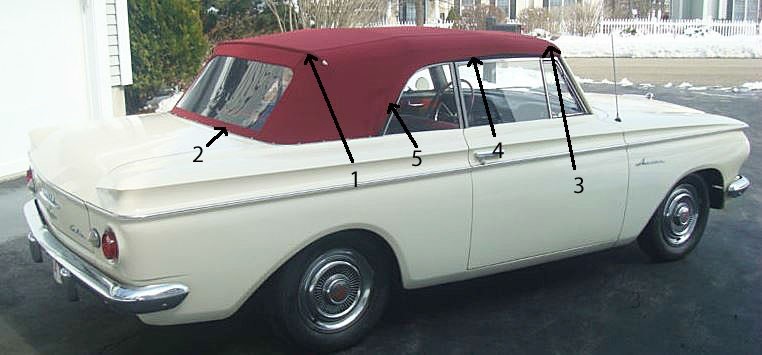
Beyond basic cleaning, advanced detailing techniques can significantly elevate the appearance and longevity of your convertible top. These methods involve specialized tools and products designed to tackle more stubborn issues and provide superior protection, ensuring your top looks its best and withstands the elements effectively.
Steam Cleaning for Deep Cleaning Fabric Convertible Tops
Steam cleaning is a highly effective method for deep cleaning fabric convertible tops, penetrating the fibers to lift embedded dirt, grime, and even mildew without the use of harsh chemicals. The high temperature of the steam also sanitizes the fabric, killing bacteria and allergens.
The process involves using a specialized steam cleaner designed for automotive use. Start by thoroughly vacuuming the fabric to remove loose debris. Then, hold the steam nozzle a few inches away from the fabric, moving it in slow, overlapping strokes. The steam will loosen dirt, which can then be gently wiped away with a clean microfiber towel. For more stubborn spots, a soft-bristled brush can be used in conjunction with the steam.
Restoring Color and Sheen of Faded Fabric Tops
Faded fabric convertible tops can be revitalized using specialized fabric restorers and dyes. These products are formulated to reintroduce color pigments and protectants, effectively reversing the dullness caused by UV exposure and environmental factors.
Begin by thoroughly cleaning the fabric top to ensure an even application. Once dry, apply a fabric restorer or dye according to the product’s instructions. Typically, this involves spraying or brushing the product onto the fabric in thin, even coats. Allow sufficient drying time between coats. Many restorers also contain UV inhibitors, which help prevent future fading.
For a restored sheen, some products offer a subtle gloss finish, bringing back the original depth of the fabric’s color.
Specialized Tools for Intricate Cleaning Around Seams and Edges
Cleaning the intricate areas around seams, stitching, and edges of a convertible top requires precision and the right tools. These areas are prone to collecting dirt and grime, which can be difficult to remove with standard cleaning methods.
A variety of specialized tools can assist in these delicate cleaning tasks:
- Detailing Brushes: Soft-bristled detailing brushes, often made from natural or synthetic fibers, are ideal for gently agitating cleaning solutions in tight crevices and around stitching. Their small size allows for precise application and removal of dirt.
- Cotton Swabs: For the smallest and most intricate areas, such as around rivets or the very edges of seams, cotton swabs are invaluable. They can be dipped in a cleaning solution and used to carefully wipe away accumulated debris.
- Crevice Tools for Vacuums: A crevice tool attachment for your vacuum cleaner can effectively remove loose dirt and debris from seams and edges before wet cleaning begins.
- Air Compressors: A blast of compressed air can dislodge dust and debris from hard-to-reach areas, making subsequent cleaning easier and more thorough.
Applying Hydrophobic Coatings to Fabric Tops for Enhanced Water Beading
Hydrophobic coatings, often referred to as fabric protectants or sealants, create a barrier on the fabric that repels water and stains. This significantly enhances the top’s ability to shed water, preventing it from soaking into the material and leading to mildew or water spots.
The application of a hydrophobic coating is a crucial step in maintaining a fabric convertible top. The process typically involves:
- Thorough Cleaning and Drying: Ensure the fabric top is immaculately clean and completely dry before application. Any residual dirt or moisture can interfere with the coating’s adhesion and performance.
- Application: Most hydrophobic coatings are applied via a spray bottle. Work in a well-ventilated area and apply the product evenly across the fabric surface, ensuring complete saturation without over-application.
- Drying and Curing: Allow the coating to dry and cure according to the manufacturer’s instructions. This usually involves several hours, during which the fabric should not be exposed to moisture.
The result is a surface that actively beads water, causing it to roll off rather than soak in, significantly improving water resistance and making future cleaning much easier.
Application of Vinyl Protectants with UV Blocking and a Non-Greasy Finish
For vinyl convertible tops, specialized protectants are essential for maintaining their appearance and preventing degradation from UV rays. These protectants not only add a desirable sheen but also shield the vinyl from the damaging effects of the sun.
When selecting a vinyl protectant, prioritize those that offer UV blocking properties. These products contain ingredients that absorb or reflect harmful ultraviolet radiation, which can cause vinyl to crack, fade, and become brittle over time. A non-greasy finish is also highly desirable, as greasy residues can attract dust and dirt, diminishing the overall aesthetic and potentially causing streaks.
The application process is straightforward:
- Clean the vinyl top thoroughly and ensure it is dry.
- Apply the protectant using a foam applicator pad or a microfiber cloth. Work in small sections, applying a thin, even coat.
- Buff off any excess product with a clean, dry microfiber towel to achieve a uniform, non-greasy finish.
Regular application of a quality vinyl protectant will help maintain the suppleness and deep color of your vinyl convertible top, prolonging its lifespan and keeping it looking its best.
Preparing for Different Weather Conditions
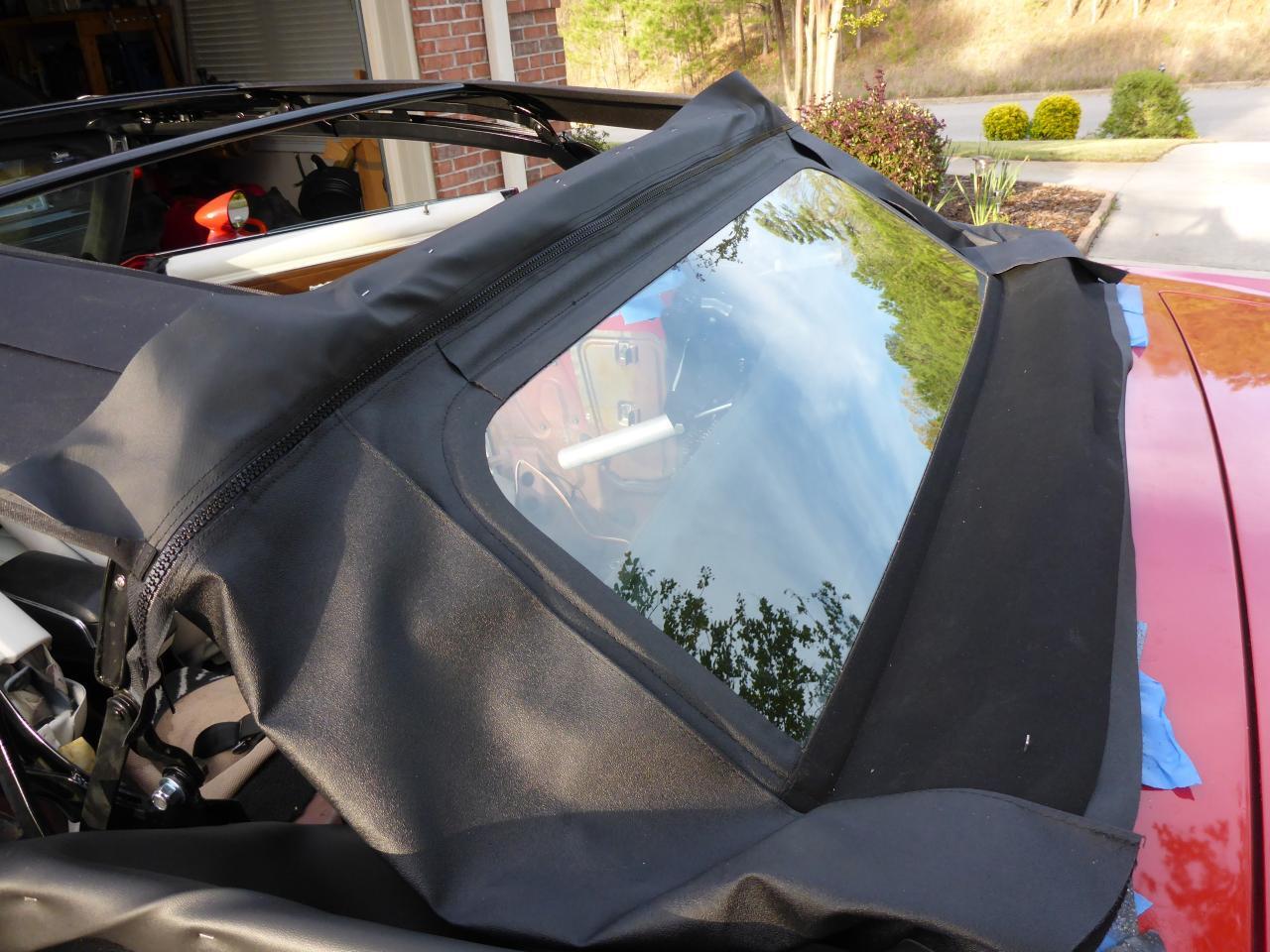
Proper preparation of your convertible top is crucial for its longevity and appearance, regardless of the season. Understanding how different weather conditions affect fabric and vinyl, and taking proactive steps, will significantly minimize wear and tear. This section details essential practices for safeguarding your convertible top against the elements, from the harshness of winter to the intensity of summer sun.
Fabric Convertible Top Winter Storage Preparation
Preparing a fabric convertible top for winter storage involves meticulous cleaning and protection to prevent damage from moisture, UV rays (even during winter), and potential mold or mildew growth. A thorough preparation ensures the fabric remains supple and free from degradation during its dormant period.Before storing, it is imperative to thoroughly clean the fabric top. Use a dedicated fabric convertible top cleaner to remove all dirt, grime, bird droppings, and any other contaminants.
After cleaning, rinse the top completely to remove any residue from the cleaner. Allow the top to air dry thoroughly, preferably in a warm, well-ventilated area. This drying process can take several hours or even a full day, depending on humidity.Once completely dry, apply a fabric protectant specifically designed for convertible tops. These protectants create a hydrophobic barrier that repels water and stains, offering crucial protection against the elements during storage.
Ensure even application across the entire surface.When retracting the top for storage, do so carefully. Avoid forcing it if there is any resistance. If the car is being stored outdoors, consider using a breathable car cover that allows air circulation but protects against dust and debris. If storing indoors, ensure the environment is dry and temperature-controlled if possible.
Vinyl Convertible Top Protection During Hot, Sunny Weather
Vinyl convertible tops are susceptible to damage from prolonged exposure to intense sunlight and heat. The sun’s UV rays can cause fading, cracking, and a general degradation of the material, while extreme heat can make the vinyl brittle.To protect your vinyl top during hot weather, regular cleaning is essential. Use a mild soap and water solution or a specialized vinyl cleaner.
After washing, it is crucial to apply a vinyl protectant or conditioner. These products contain UV inhibitors that help block harmful rays and emollients that keep the vinyl supple and prevent it from drying out and cracking. Apply the protectant with a soft cloth, ensuring even coverage.Parking in shaded areas whenever possible is a simple yet effective way to reduce direct sun exposure.
If parking outdoors for extended periods, consider using a convertible top cover or a car cover designed to reflect sunlight.
Ensuring Complete Dryness Before Retracting
The importance of ensuring a convertible top is completely dry before retracting cannot be overstated, regardless of the weather. Moisture trapped within the fabric or vinyl can lead to a host of problems, including mold, mildew, and unpleasant odors. In colder weather, trapped moisture can freeze, potentially damaging the fabric fibers or seams. In warmer weather, it creates an ideal breeding ground for mildew.
A damp convertible top is an invitation for mildew and fabric degradation. Always allow ample drying time.
After washing or exposure to rain, allow the top to air dry naturally. This might involve leaving the top up for an extended period or driving with the top down in a dry, sunny environment. If time is a constraint, a soft microfiber towel can be used to gently pat down the surface, but this should not replace thorough air drying.
Cleaning After Exposure to Harsh Elements
Exposure to harsh elements like salt from winter roads or sand from beach trips requires immediate and thorough cleaning to prevent long-term damage. Salt can corrode fabric and vinyl, while sand can act as an abrasive, scratching and dulling the surface.For salt residue, a gentle wash with a mild soap and plenty of fresh water is the first step. Ensure all salt is thoroughly rinsed away.
For stubborn salt stains, a specialized convertible top cleaner may be necessary.Sand should be carefully removed. Avoid brushing or wiping dry sand, as this can cause scratching. It is best to gently rinse the area with water first to loosen the sand particles, then proceed with washing. A soft-bristled brush can be used cautiously on fabric tops to dislodge stubborn sand, followed by a thorough rinse.After cleaning and drying, it is highly recommended to re-apply a fabric or vinyl protectant, depending on your top’s material.
This will help restore the protective barrier that may have been compromised by the harsh elements.
Seasonal Protectant Re-application Routine
Establishing a routine for checking and re-applying protectants based on seasonal exposure is key to maintaining optimal protection for your convertible top. The frequency of re-application will depend on your climate, how often you use the convertible, and the type of protectant used.A good baseline routine includes:
- Spring: After winter storage, inspect the top for any signs of wear or damage. Clean thoroughly and re-apply a fabric or vinyl protectant to prepare for the warmer months.
- Summer: During peak sun exposure, check the top every 4-6 weeks for water beading. Re-apply protectant if water is no longer beading effectively.
- Autumn: Before the onset of colder, wetter weather, clean the top and apply a robust protectant to shield it from rain, snow, and road salt.
- Winter: If the convertible is used during winter, inspect and re-apply protectant every 2-3 months, especially after exposure to road salt. If stored, the spring re-application after cleaning is sufficient.
The effectiveness of a protectant is easily tested by observing how water beads on the surface. If water is soaking into the material, it’s time to re-apply.
Final Review
By diligently following the Artikeld procedures for cleaning, conditioning, and protecting your convertible top, you not only enhance its visual appeal but also significantly extend its lifespan. Whether dealing with stubborn stains, minor imperfections, or preparing for challenging weather, this guide provides the actionable insights needed to maintain your convertible’s top-tier appearance and functionality, ensuring countless enjoyable drives ahead.