How to Detail a Lease Car Before Returning It offers a comprehensive guide to ensure a smooth and cost-effective lease end. This detailed walkthrough will empower you with the knowledge to present your leased vehicle in the best possible condition, potentially saving you significant fees and hassle.
We will delve into understanding the specifics of your lease agreement, meticulously covering interior and exterior detailing procedures, addressing common return issues, and preparing for the final inspection. By following these steps, you can confidently navigate the lease return process.
Interior Detailing Procedures
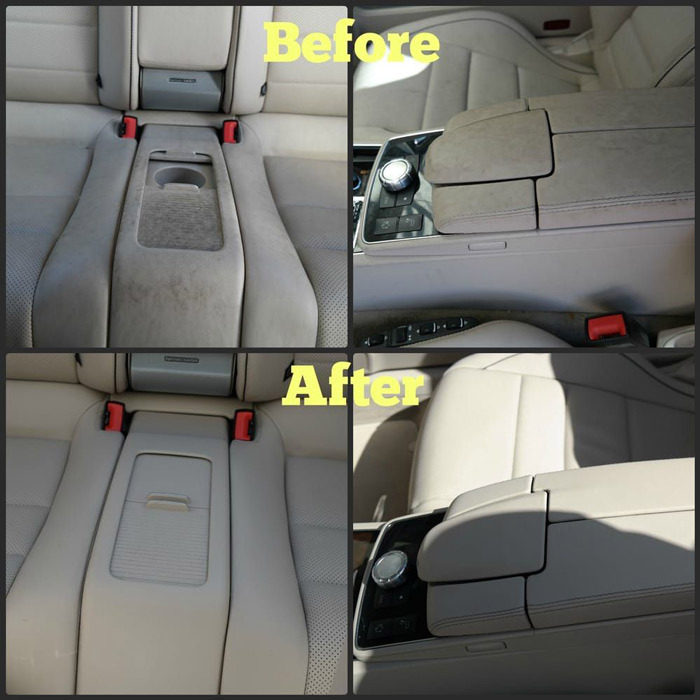
A pristine interior significantly enhances the perceived value and condition of a lease car, often impacting your return assessment. This section guides you through a comprehensive interior detailing process, ensuring every surface is addressed, from the floor mats to the headliner. A clean cabin not only looks better but also contributes to a more pleasant driving experience and can help avoid charges for excessive wear and tear.This detailed approach focuses on restoring the interior’s original appeal, tackling common issues like stains, odors, and accumulated dust.
By following these steps methodically, you can present a vehicle that looks as good on the inside as it does on the outside, making your lease return process smoother.
Cabin Cleaning and Deodorizing
Thoroughly cleaning and deodorizing the cabin involves addressing all accessible areas, including often-overlooked spots. This process removes dust, debris, and lingering odors, creating a fresh and inviting atmosphere. Special attention to vents and crevices ensures that stale air and hidden grime are eliminated.Begin by removing all personal belongings, organizing them for easy retrieval. Next, use a vacuum cleaner with various attachments to reach tight spaces.
A soft brush attachment is excellent for dusting dashboards, center consoles, and door panels. For air vents, a specialized vent brush or a small detail brush can effectively dislodge dust. After vacuuming, use an all-purpose interior cleaner sprayed onto a microfiber cloth (never directly onto surfaces, especially electronics) to wipe down all hard surfaces. This includes the steering wheel, gear shift, door handles, and the infotainment screen.
Pay close attention to the seams and crevices where dust and crumbs tend to accumulate.For persistent odors, consider using an odor eliminator spray or a natural solution like baking soda. Sprinkle baking soda on carpets and upholstery, let it sit for several hours or overnight, and then vacuum it thoroughly. Airing out the car with windows down on a dry day can also significantly help dissipate odors.
Upholstery and Carpet Stain Removal
Addressing stains on upholstery and carpets is crucial for restoring the interior’s appearance. Different types of stains require specific treatments to avoid damaging the fabric or setting the stain further. A patient and systematic approach is key to achieving the best results.For general fabric stains, start with a dedicated fabric cleaner. Always test the cleaner on an inconspicuous area first to ensure colorfastness.
Apply the cleaner sparingly and blot the stain with a clean microfiber cloth, working from the outside of the stain inward to prevent spreading. Avoid excessive rubbing, which can damage fibers. For tougher stains like ink or grease, a specialized stain remover might be necessary. Follow the product instructions carefully.For carpets, after vacuuming thoroughly, use a carpet stain remover. For common spills like coffee or soda, a mixture of equal parts white vinegar and water can be effective.
Spray the solution onto the stain, let it sit for a few minutes, and then blot with a clean cloth. Rinse the area with a damp cloth and allow it to dry completely. Steam cleaning can be a highly effective method for deep cleaning and removing stubborn stains from both upholstery and carpets, often restoring them to near-original condition.
Leather Surface Cleaning and Conditioning
Leather surfaces in a lease car require specific care to maintain their suppleness and prevent cracking or discoloration. Proper cleaning and conditioning will not only make the leather look better but also prolong its lifespan and protect it from environmental damage.Start by vacuuming the leather seats and surfaces with a soft brush attachment to remove loose dirt and debris. Then, use a pH-neutral leather cleaner specifically designed for automotive interiors.
Apply the cleaner to a microfiber applicator pad or cloth, and gently wipe down the leather surfaces. Avoid saturating the leather. For dirt buildup in seams and crevices, a soft detail brush can be used.After cleaning, it is essential to condition the leather. Apply a quality leather conditioner using a clean microfiber cloth or applicator pad. Work the conditioner into the leather in a thin, even layer.
Allow the conditioner to penetrate for the time recommended by the product manufacturer, usually 10-20 minutes. Buff off any excess conditioner with a separate clean, dry microfiber cloth. This process replenishes the natural oils in the leather, keeping it soft, flexible, and protected against UV rays and drying.
Regular conditioning prevents leather from becoming dry, brittle, and prone to cracking, which is a common sign of wear and tear that can affect lease return value.
Organizing and Removing Personal Belongings
The final step in interior detailing is ensuring the car is completely free of personal items. This includes not just obvious belongings but also small items that can easily be overlooked. A thorough check prevents the loss of personal possessions and avoids potential charges for leaving items behind.Create a systematic plan for emptying the vehicle. Start with the most obvious areas: the trunk, glove compartment, center console, door pockets, and under the seats.
Be thorough; check seat back pockets, the area around the seat rails, and any hidden compartments.Consider creating a checklist of areas to search to ensure nothing is missed. This might include:
- Dashboard compartments
- Center console storage
- Door panel pockets
- Seat back pockets
- Underneath and between seats
- Glove compartment
- Trunk and spare tire well
- Sun visors and overhead compartments
- Floor mats and under floor mats
It is also advisable to check for any items that may have fallen into the seat crevices or under the floor mats. Removing all personal items, including charging cables, sunglasses, loose change, and any trash, is a fundamental step in returning a lease car in excellent condition.
Exterior Detailing Procedures
Returning a lease car with a pristine exterior significantly enhances its perceived value and can help avoid potential charges for damage or excessive wear. This section will guide you through the essential steps to achieve a showroom-ready finish, ensuring you present the vehicle in the best possible condition. We will cover the meticulous process of washing and drying to safeguard the paintwork, methods for tackling common road contaminants, a thorough approach to wheel and tire care, techniques for paint correction, and the restoration of lighting elements.
Washing and Drying Techniques for Scratch Prevention
Proper washing and drying are fundamental to protecting your lease car’s paint from scratches, which can be costly to repair. The key lies in using the right tools, techniques, and products to lift dirt away from the surface rather than grinding it in. A two-bucket wash method is highly recommended to prevent the transfer of grit back onto the paintwork.The process begins with a thorough pre-rinse to remove loose dirt and debris.
Subsequently, use a high-quality car wash soap diluted in one bucket, with a separate bucket containing only clean rinse water. Employ a soft wash mitt, preferably made of microfiber or lambswool, and wash the car from top to bottom, rinsing the mitt frequently in the clean water bucket before dipping it back into the soap solution. This ensures that any dirt collected on the mitt is removed before it can scratch the paint.
For drying, use plush microfiber drying towels. Blot the water rather than wiping in a back-and-forth motion, which can also cause marring. Alternatively, a leaf blower can be used to dislodge water from crevices and panels, minimizing the need for towel contact.
Removing Exterior Blemishes
Road grime, tar spots, insect remains, and tree sap are common exterior blemishes that detract from a car’s appearance and can damage the paint if left untreated. Specialized cleaning agents and careful application are necessary to remove these without harming the clear coat.
- Tar and Sap Removal: Use a dedicated tar and sap remover. Apply the product to a microfiber towel and gently dab at the affected areas. Allow the product to dwell for a moment to break down the contaminant, then gently wipe it away. For stubborn spots, a clay bar can also be effective after the initial cleaning.
- Bug Splatter: Insect remains are acidic and can etch into the paint. It is best to tackle these as soon as possible. Use an insect remover spray, allowing it to soften the residue before gently wiping with a microfiber towel. For dried-on bugs, a pre-wash foam can help lift them before the main wash.
- General Grime: For stubborn road film and general grime that a standard wash might not remove, a pH-neutral all-purpose cleaner (APC) can be used. Dilute the APC according to the manufacturer’s instructions and spray it onto the affected areas. Agitate gently with a soft brush or wash mitt, then rinse thoroughly.
Cleaning and Protecting Wheels and Tires
Wheels and tires are often the dirtiest parts of a car and require specific attention. Properly cleaned and dressed wheels and tires significantly enhance the overall aesthetic of the vehicle.Begin by rinsing the wheels thoroughly to remove loose brake dust and dirt. Use a dedicated wheel cleaner, ensuring it is compatible with your wheel finish (e.g., painted, polished, chrome). For heavily soiled wheels, a wheel cleaner that is acidic or alkaline may be necessary, but always test in an inconspicuous area first.
Use a soft-bristled wheel brush and a separate wash mitt for the wheels to avoid transferring brake dust to the paint. Clean the tire sidewalls with a stiff brush and an all-purpose cleaner or a dedicated tire cleaner to remove road grime and dressing residue. After rinsing the wheels and tires thoroughly, dry them completely with separate microfiber towels. Apply a tire dressing to the sidewalls for a clean, matte, or satin finish, avoiding dressings that sling onto the paintwork.
For the wheel faces and barrels, a spray-on ceramic coating or a spray wax can provide protection and a hydrophobic layer.
Polishing Paintwork for Shine and Imperfection Removal
Paint polishing is a crucial step to restore the paint’s gloss and remove minor imperfections such as swirl marks, light scratches, and oxidation. This process refines the paint surface, making it appear smoother and more reflective.
Polishing is the process of removing a microscopic layer of clear coat to level out imperfections and restore clarity and depth to the paint.
For a lease car return, a machine polish is often the most effective method. A dual-action (DA) polisher is recommended for its user-friendliness and reduced risk of paint damage compared to a rotary polisher. You will need a selection of polishing pads of varying aggressiveness (e.g., cutting, polishing, finishing pads) and corresponding polishes. Start with a less aggressive combination of pad and polish and test in a small area.
Apply a small amount of polish to the pad, spread it over a small section of the paintwork (approximately 2×2 feet), and then work the polisher over the area using moderate pressure and overlapping passes. Wipe off the residue with a clean microfiber towel and inspect the results. Progress to more aggressive compounds only if necessary. After polishing, it is advisable to apply a sealant or wax to protect the freshly refined paintwork and enhance its shine.
Cleaning and Restoring Headlights and Taillights
Cloudy or oxidized headlights and taillights can make a car look older and can also impair their performance, potentially leading to a lower return value. Restoring them can significantly improve the vehicle’s appearance.The process typically involves a multi-step approach using a headlight restoration kit or a similar set of abrasive pads and a sealant.
- Cleaning: Thoroughly wash and dry the headlights and taillights. Mask off the surrounding paintwork with painter’s tape to prevent accidental damage during the sanding process.
- Sanding: Most kits include a series of increasingly fine grit sandpaper (e.g., 800, 1500, 2000, 3000 grit). Wet sanding is generally preferred. Start with the coarsest grit and sand the lens in a consistent pattern (e.g., horizontal strokes). Rinse the lens and the sandpaper frequently. Move to the next finer grit and repeat the process, changing the sanding direction (e.g., vertical strokes) to ensure all previous sanding marks are removed.
Continue this process through all the grits provided.
- Polishing: After the final sanding step, the lens will appear hazy. Use a plastic polish and a foam applicator pad or a buffing wheel to polish the lens until it becomes clear and glossy.
- Sealing: The final and most critical step is to apply a UV protectant sealant or coating. This prevents the plastic from yellowing again. Follow the product instructions for application and curing time. Some kits include a spray-on sealant, while others may require a wipe-on coating.
Addressing Specific Lease Return Issues

Returning a lease car involves more than just a clean interior and exterior. Leasing companies have specific criteria and common areas of concern that can impact your final bill. Proactively addressing these can save you significant time and money. This section will guide you through these critical points.Understanding and mitigating potential charges for wear and tear is paramount. By familiarizing yourself with typical lease return issues, you can prepare your vehicle effectively and avoid unexpected fees.
Tire Tread Depth and Condition
Tire condition is a frequent point of inspection by leasing companies. Insufficient tread depth or significant damage to tires can result in substantial charges. It is essential to assess your tires before returning the vehicle to avoid these penalties.Most lease agreements specify a minimum acceptable tire tread depth, often around 2/32nds of an inch. If your tires are close to this limit or show uneven wear, it’s wise to consider replacement.
- Assess Tread Depth: Use a tread depth gauge or a simple quarter. Insert a quarter into the deepest groove of the tire. If the top of George Washington’s head is visible, your tread is likely below the 4/32nds mark, and replacement might be necessary.
- Check for Uneven Wear: Look for wear patterns such as feathering, cupping, or excessive wear on the edges. This can indicate alignment or suspension issues that may also be flagged.
- Minor Sidewall Damage: Small nicks or cuts on the sidewall might be acceptable, but any significant damage, bulges, or exposed cords will likely incur charges.
- Replacement Strategy: If replacement is needed, consider purchasing tires that match the original equipment manufacturer (OEM) specifications to avoid further scrutiny.
Windshield Chips and Cracks
Damage to the windshield is another common area for lease return charges. While minor chips might be acceptable, larger cracks or multiple chips can necessitate a full replacement, which is costly.
Leasing companies typically consider chips larger than a quarter or cracks longer than a few inches to be unacceptable.
Early repair of minor damage can often prevent it from spreading and becoming a more expensive issue.
- Inspect the Windshield: Carefully examine the entire windshield for any chips, cracks, or pitting. Pay close attention to the driver’s line of sight.
- Minor Chip Repair: Small chips, especially those not directly in the driver’s primary field of vision, can often be repaired by professional auto glass services for a relatively low cost.
- Cracks: If a crack extends more than a few inches or is in the driver’s direct view, it will likely need a full windshield replacement.
- Consult Your Lease Agreement: Review your lease contract for specific clauses regarding windshield damage and repair responsibilities.
Minor Paint Scratches and Scuffs
While lease agreements account for normal wear and tear, significant paint damage can lead to charges. Minor scratches and scuffs, if addressed properly, can often be mitigated.
The key is to differentiate between superficial scratches that can be buffed out and deeper gouges that require professional repair.
The goal is to present the car in the best possible condition to minimize potential deductions.
- Identify Damage: Thoroughly inspect the paintwork in good lighting. Look for scratches, scuffs, dings, and dents.
- Superficial Scratches: For light scratches that haven’t penetrated the clear coat, a good quality rubbing compound or polishing compound, followed by a polish and wax, can often remove or significantly reduce their appearance.
- Deeper Scratches: If a scratch is deep enough to catch a fingernail, it may require touch-up paint. Apply it carefully with a fine-tipped brush, allowing it to dry completely before buffing.
- Scuffs: Light scuffs from minor impacts can sometimes be removed with a clay bar or a specialized plastic restorer if they are on plastic trim.
- Professional Assessment: For more significant damage, consider getting a quote from a reputable detailer or body shop to weigh the cost of repair against potential lease return fees.
Dashboard Warning Lights and Sensor Issues
Illuminated dashboard warning lights are a red flag for leasing companies and almost always result in a charge. These lights indicate a problem that needs to be diagnosed and repaired.
Ignoring warning lights is a costly mistake, as leasing companies will assume the issue is significant and charge accordingly.
Addressing these promptly can prevent more extensive damage and higher repair costs.
- Diagnose the Light: If a warning light is illuminated, use an OBD-II scanner (available at most auto parts stores or can be borrowed) to read the diagnostic trouble codes (DTCs).
- Research the Code: Once you have the DTC, research its meaning online or consult a mechanic. This will help you understand the severity of the issue.
- Professional Repair: For most warning lights (e.g., check engine, ABS, airbag), it is advisable to have the issue diagnosed and repaired by a qualified mechanic.
- Sensor Issues: Sometimes, a sensor might be faulty or need recalibration. This can range from a simple fix to a more complex repair depending on the sensor.
- Documentation: Keep all repair invoices and documentation to show that the issue was addressed.
Importance of Service Records and Presentation
Maintaining a complete and organized record of all scheduled maintenance and repairs is crucial for a smooth lease return. It demonstrates responsible ownership and can help in disputing any claims of neglect.
Well-documented service history is your best defense against accusations of poor maintenance.
Presenting these records clearly can instill confidence in the leasing company and potentially waive minor charges.
- Gather All Records: Collect all service receipts, oil change records, tire rotation invoices, and any repair bills.
- Organize Chronologically: Arrange the records in chronological order, from the earliest service to the most recent.
- Highlight Key Services: Ensure that all manufacturer-recommended services have been performed and are clearly visible on the receipts.
- Digital Copies: If you have digital copies of your service records, create a well-organized folder for easy access.
- Prepare a Summary: Consider creating a brief summary document outlining the key maintenance milestones achieved during your lease term.
Documenting the Car’s Condition Before Return
Creating a comprehensive record of your car’s condition before returning it is a vital step. This documentation serves as proof of the vehicle’s state and can protect you from unwarranted charges for pre-existing damage.
Thorough documentation is your final line of defense against disputed damage claims.
This process should be meticulous and cover every aspect of the vehicle.
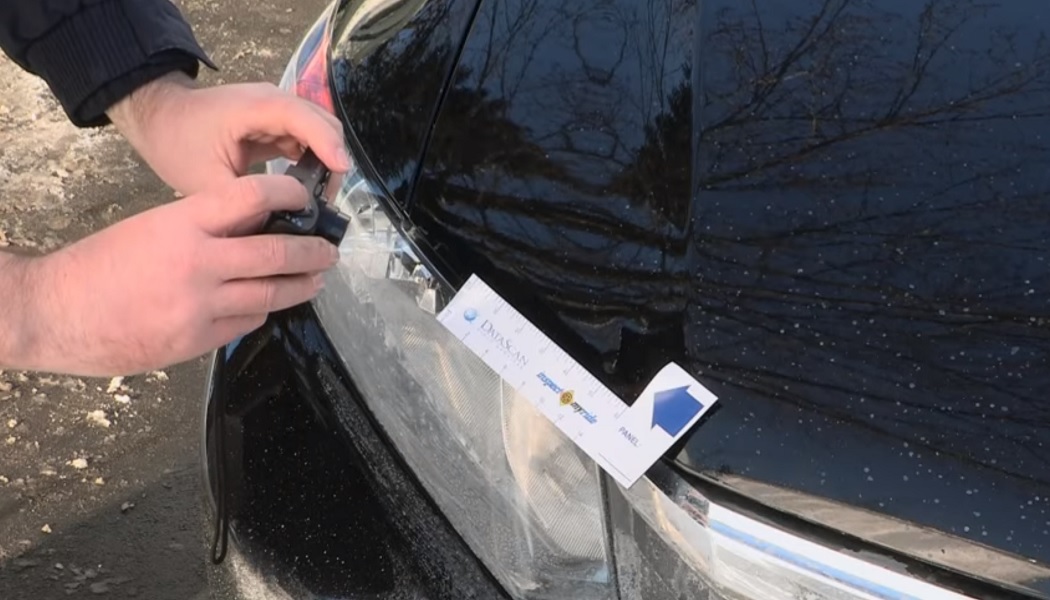
- Full Walk-Around Video: Record a detailed video of the car’s exterior from all angles, including close-ups of each panel, wheels, and tires. Ensure good lighting.
- Interior Video: Record a video of the interior, showcasing the dashboard, seats, carpets, and any features.
- Still Photographs: Take high-resolution photographs of the entire exterior and interior. Focus on any existing minor imperfections you’ve identified.
- Specific Areas: Pay special attention to documenting areas that are commonly scrutinized, such as wheels, bumpers, door edges, and the windshield.
- Timestamp and Location: Ensure your camera or phone records the date and time of the recording. If possible, include a newspaper or a date display in some shots to further authenticate the timing.
- Independent Witness: If possible, have a friend or family member present to witness the documentation process and even be in some of the photos or videos.
Preparing for the Inspection
The final stage before returning your lease car involves meticulous preparation for the official inspection. This proactive approach ensures you are well-informed and confident when meeting with the dealership representative, minimizing potential surprises and disputes.The day of the lease return inspection is your opportunity to present the vehicle in its best possible condition and to have a clear understanding of the process.
By following a structured approach, you can navigate this final step smoothly and efficiently.
Conducting a Self-Inspection
Before the dealership representative arrives, it is highly recommended to perform a thorough self-inspection of the vehicle. This allows you to identify any areas that might have been overlooked during your detailing efforts and to address them proactively. A comprehensive self-assessment helps prevent unexpected charges for damage or excessive wear and tear.To effectively conduct a self-inspection, consider the following:
- Exterior Walkaround: Systematically examine the entire exterior of the car. Look for new scratches, dents, or paint chips that may have occurred since the last wash. Pay close attention to all four sides, the roof, and the bumpers.
- Wheel and Tire Check: Inspect the wheels for curb rash or significant damage. Check the tire tread depth to ensure it meets the lease agreement’s minimum requirements. Uneven wear patterns can also be a sign of alignment issues.
- Glass and Lights: Ensure all windows are clean and free from cracks or chips. Verify that all exterior lights (headlights, taillights, brake lights, turn signals) are functioning correctly and that the lenses are not damaged or faded.
- Interior Deep Dive: Revisit the interior, checking for any stains, tears, or excessive wear on upholstery and carpets. Inspect the dashboard, door panels, and center console for any damage or missing components.
- Electronics and Features: Test all electronic features, including the infotainment system, navigation, climate control, power windows, and locks. Ensure the car’s sound system is working properly.
- Undercarriage and Engine Bay (Optional but Recommended): If possible, briefly inspect the undercarriage for any significant leaks or damage. A quick look under the hood can also reveal any obvious fluid leaks or disconnected hoses.
- Documentation Review: Gather all your maintenance records and any repair receipts. Having these readily available can be helpful if questions arise about the car’s upkeep.
Ensuring a Smooth Handover Process
A well-prepared handover process can significantly contribute to a positive lease return experience. This involves being organized, communicative, and understanding of the dealership’s procedures.Key elements for a smooth handover include:
- Scheduling the Appointment: Arrange for the inspection at a time that is convenient for both you and the dealership. Arriving on time demonstrates respect for their schedule.
- Having Keys and Documentation Ready: Ensure you have all sets of keys, including any spares, and all necessary documentation, such as the lease agreement and proof of insurance, readily accessible.
- Clear Communication: Be open and honest with the dealership representative about any known issues or damage. Transparency can foster trust and lead to a more amicable resolution.
- Understanding the Process: Familiarize yourself with the dealership’s specific lease return inspection checklist. This will help you anticipate the steps involved and understand what they will be looking for.
- Being Present During the Inspection: It is advisable to be present while the representative inspects the vehicle. This allows you to ask questions, clarify points, and address any concerns immediately.
Understanding the Official Inspection and Responding to Findings
The official inspection is a formal assessment of the vehicle’s condition by the dealership or a third-party inspector. It is designed to identify any damage or wear that exceeds the lease agreement’s guidelines. Understanding what to expect and how to respond is crucial.During the official inspection, the representative will typically:
- Follow a Standardized Checklist: Inspectors use a predetermined checklist to evaluate the vehicle’s interior and exterior condition, mechanical components, and overall compliance with the lease terms.
- Assess for Excess Wear and Tear: This includes evaluating damage beyond normal use, such as significant dents, deep scratches, upholstery tears, or stained carpets.
- Check for Mechanical Issues: They will verify that all essential mechanical components are functioning correctly and that there are no outstanding warning lights on the dashboard.
- Verify Mileage: The odometer reading will be confirmed against the lease agreement’s mileage allowance.
When discrepancies are noted, it is important to respond professionally and calmly:
“It is important to remain calm and objective when discussing any findings. Request a clear explanation for each charge and refer back to your lease agreement’s definition of excess wear and tear.”
If you disagree with a finding, politely ask for clarification and provide any supporting documentation you may have, such as repair receipts or photos taken prior to the damage.
Documenting Discrepancies
Thorough documentation is your best defense against unfair charges. If any discrepancies are identified during the official inspection, it is vital to record them accurately.To effectively document discrepancies:
- Take Photographs and Videos: If possible, take clear, well-lit photographs and videos of any damage or wear that the inspector points out. Ensure these visuals capture the extent of the issue.
- Request a Written Report: Ask the dealership representative for a written report detailing all the findings and associated charges. Do not rely solely on verbal agreements.
- Note Specifics: Record the date, time, the name of the inspector, and a detailed description of each discrepancy. Include the location of the damage on the vehicle.
- Keep Copies: Ensure you receive and retain copies of all inspection reports, invoices, and any correspondence related to the lease return process.
Last Point
Successfully detailing your lease car before returning it is an investment that pays dividends, ensuring you meet contractual obligations and avoid unexpected charges. By diligently preparing your vehicle, you demonstrate responsibility and respect for the lease agreement, leading to a more positive and less stressful conclusion to your lease term. Embrace these steps to make your lease return a seamless experience.