How to Detail Your Car in Winter Months offers a comprehensive guide to maintaining your vehicle’s pristine condition even when the temperature plummets. This detailed exploration delves into the specific challenges and effective solutions for keeping your car looking its best throughout the colder seasons, ensuring both aesthetic appeal and protection against harsh elements.
From essential preparation and safety measures to detailed cleaning techniques for both the exterior and interior, this guide covers every aspect of winter car care. We will explore specialized methods for protecting your paintwork, wheels, tires, glass, and trim, alongside practical advice for overcoming common winter detailing obstacles and maintaining your tools.
Winter Car Detailing Preparation
Preparing your vehicle for detailing during the colder months requires a thoughtful approach to ensure both your safety and the effectiveness of the detailing process. Cold temperatures can impact the performance of products and present unique challenges. By taking the right precautions and gathering the necessary supplies, you can maintain your car’s appearance and protect it from the harsh winter elements.Taking adequate safety measures is paramount when detailing a car in cold weather.
The primary concern is to protect yourself from the cold, which can lead to discomfort, reduced dexterity, and even health risks like hypothermia or frostbite. Additionally, working with water and cleaning solutions in freezing temperatures can create slippery surfaces, increasing the risk of falls. Ensuring proper ventilation is also important, especially if using certain chemicals, as cold air can be less effective at dispersing fumes.
Essential Safety Precautions
Prioritizing safety ensures a more comfortable and effective detailing experience during winter. This involves understanding the environmental hazards and taking proactive steps to mitigate them.
- Dress in Layers: Wear multiple thin layers of clothing rather than one bulky layer. This allows you to adjust your insulation based on your activity level and the ambient temperature, preventing overheating and subsequent chilling. Include thermal base layers, insulating mid-layers (like fleece or wool), and a windproof, water-resistant outer shell.
- Protect Extremities: Hands and feet are most susceptible to cold. Wear waterproof and insulated gloves or mittens, and opt for warm, waterproof boots with good traction. Consider fingerless gloves for tasks requiring more dexterity, but ensure you have full coverage gloves readily available.
- Stay Hydrated and Nourished: Cold weather can dehydrate you more quickly than you might realize. Drink plenty of water and consume warm beverages. Eating small, frequent meals or snacks will help maintain your body’s core temperature.
- Work in Short Bursts: Avoid prolonged exposure to the cold. Schedule your detailing tasks in shorter sessions, taking breaks indoors to warm up. This is especially important if you are working outdoors.
- Be Mindful of Slippery Surfaces: Water, ice, and cleaning solutions can create hazardous conditions. Be aware of your footing, especially around the vehicle and any equipment you are using. Consider using non-slip mats if available.
- Ensure Adequate Ventilation: If using any chemical cleaners, ensure there is some airflow, even if it’s just opening a door or window slightly. This helps dissipate fumes, which can be more concentrated in colder, stiller air.
- Avoid Working on Icy Surfaces: Never attempt to detail a car that is on ice or surrounded by icy patches. Ensure the ground is clear and stable before beginning any work.
Recommended Protective Gear
The right gear acts as your first line of defense against the cold and the elements, making the detailing process safer and more efficient. Investing in quality protective wear can significantly improve your comfort and ability to complete the tasks at hand.
- Waterproof and Insulated Gloves: Essential for keeping your hands warm and dry. Look for gloves with good grip, as wet hands can make handling tools difficult.
- Thermal Base Layers: These wick moisture away from your skin and provide initial warmth. Materials like merino wool or synthetic blends are excellent choices.
- Insulating Mid-Layers: Fleece jackets, down vests, or wool sweaters add significant warmth without being overly bulky.
- Windproof and Water-Resistant Outerwear: A jacket and pants that shield you from wind and moisture are crucial for maintaining core body temperature.
- Warm, Waterproof Boots with Non-Slip Soles: Protect your feet from the cold and provide stability on potentially wet or icy surfaces.
- Hat or Beanie: A significant amount of body heat is lost through the head, so a warm hat is essential.
- Neck Gaiter or Scarf: Protects your neck and face from the cold wind.
Necessary Tools and Supplies for Winter Car Detailing
Having the correct tools and supplies specifically suited for cold weather conditions is crucial for achieving optimal results while ensuring the longevity of your vehicle’s finish. Many standard detailing products may not perform as expected in low temperatures, necessitating specialized alternatives.Here is a comprehensive checklist of essential tools and supplies:
| Category | Item | Winter Considerations |
|---|---|---|
| Cleaning Solutions | Car Wash Soap (pH-neutral) | Choose a formula that remains effective at lower temperatures. Avoid those that freeze easily. |
| All-Purpose Cleaner (APC) | Select an APC that is rated for use in colder conditions or has a lower freezing point. | |
| Glass Cleaner | Opt for a formula that won’t freeze on contact with cold glass. | |
| Washing & Drying Tools | Wash Mitts (Microfiber) | Multiple mitts are recommended to avoid spreading dirt. Ensure they are clean and dry before use. |
| Drying Towels (High-quality microfiber) | Use plush, absorbent towels to quickly wick away moisture and prevent water spots. | |
| Buckets (Two-bucket method) | Consider insulated buckets or ensure they are not left to freeze. | |
| Protection & Finishing | Spray Wax or Sealant | Look for products designed for easy application in cooler temperatures. Some waxes can be difficult to buff in the cold. |
| Tire Dressing | Choose a water-based dressing that won’t freeze or crack in the cold. | |
| Interior Protectant | Ensure it’s suitable for a wide temperature range and won’t leave a sticky residue in the cold. | |
| Tools & Accessories | Microfiber Applicator Pads | For applying waxes, sealants, and dressings. |
| Detailing Brushes | For cleaning intricate areas. Ensure they are dry before storing. | |
| Deterrents | De-icer spray (for locks and windows) | A handy item to have in case of unexpected freezing. |
Choosing the Right Location for Winter Car Detailing
The location where you detail your car in winter significantly impacts the process’s safety, efficiency, and overall outcome. While ideal conditions are rare, selecting the most suitable spot can make a substantial difference.The criteria for an ideal location revolve around protection from the elements, adequate space, and access to necessary resources. Prioritizing these factors will help you achieve professional results and maintain your vehicle’s appearance throughout the winter months.
- Indoor Garage or Carport: This is the most advantageous option, providing complete shelter from wind, snow, and freezing temperatures. It allows for a more controlled environment, making it easier to maintain product effectiveness and avoid recontamination.
- Proximity to Power: If you plan to use any power tools like a polisher or even a vacuum, ensure the location has accessible electrical outlets. Using extension cords safely in cold weather is also a consideration.
- Adequate Lighting: Good lighting is essential for spotting imperfections, ensuring thorough cleaning, and achieving a streak-free finish. Natural light is preferable, but good artificial lighting is a must if working after dark or in a poorly lit area.
- Sufficient Space: You need enough room to comfortably walk around the entire vehicle, open doors and the trunk, and maneuver your tools and equipment without feeling cramped.
- Protection from Wind: Even if you’re working outdoors, choose a spot that offers some natural windbreak, such as a sheltered corner of a building or a large structure. Wind can chill you quickly, dry out products prematurely, and blow debris onto your freshly cleaned surfaces.
- Access to Water (if applicable): If you’re using water for washing, consider how you will access and drain it. Working near a hose bib that can be easily turned off and drained to prevent freezing is beneficial.
- Level and Stable Surface: Ensure the ground is level and stable to prevent any accidents. Avoid areas that might be prone to ice formation or have poor drainage.
Exterior Cleaning in Cold Weather

Maintaining your car’s exterior during the winter months is crucial for preserving its appearance and preventing long-term damage. Cold weather presents unique challenges, primarily the risk of water freezing, which can lead to paint chips, cracked seals, and other issues. This section Artikels a safe and effective approach to washing your vehicle when temperatures are low.The fundamental principle of winter car washing is to minimize the time water is exposed to freezing temperatures and to use products that can mitigate the effects of cold.
It requires careful planning and execution to ensure a thorough clean without causing harm to your vehicle’s finish.
Step-by-Step Exterior Washing Procedure in Freezing Temperatures
A methodical approach is essential to prevent water from freezing on your car’s surfaces or in its components. This process focuses on speed and efficiency while ensuring all contaminants are removed.
- Pre-Rinse and Salt Removal: Begin by thoroughly rinsing the vehicle with lukewarm water. This initial rinse helps to loosen and remove the bulk of road salt, grime, and loose dirt. Pay close attention to the lower panels, wheel wells, and rocker panels, as these areas accumulate the most salt and slush.
- Two-Bucket Wash Method: Employ the two-bucket method. One bucket contains your car wash solution (diluted according to manufacturer instructions), and the other contains clean rinse water. Dip your wash mitt into the soap solution, wash a section of the car, and then rinse the mitt thoroughly in the clean water before dipping it back into the soap solution. This prevents transferring dirt and grit back onto the paint, minimizing the risk of scratching.
- Work in Sections: Wash the car from top to bottom, working on one section at a time (e.g., the roof, then the hood, then a side panel). This allows you to rinse each section immediately after washing, reducing the chance of soap drying and freezing.
- Rinse Thoroughly: After washing each section, rinse it immediately with lukewarm water. Ensure all soap residue is removed, as dried soap can leave streaks and attract dirt.
- Drying: This is a critical step in cold weather. Use high-quality microfiber drying towels to absorb as much water as possible. Work quickly and efficiently. Pay special attention to door jambs, mirrors, window seals, and other areas where water can collect and freeze.
- Door and Trunk Seal Treatment: Once the car is dry, apply a rubber protectant or silicone spray to door seals, trunk seals, and window seals. This prevents them from freezing shut and protects the rubber from cracking.
- Final Touches: Apply a spray wax or quick detailer to enhance gloss and provide an extra layer of protection against the elements.
Preventing Water Freezing During the Washing Process
The primary concern during winter washing is the rapid freezing of water. Implementing specific strategies can significantly mitigate this risk.
- Use Lukewarm Water: Always use lukewarm water for rinsing and for your wash solution. This helps to melt ice and snow on contact and slows down the freezing process compared to cold water. Avoid using hot water, as the drastic temperature change can potentially shock and damage paint.
- Work Indoors or in a Sheltered Area: If possible, wash your car in a garage or a sheltered car wash bay. This provides a buffer against wind and ambient cold, allowing more time before water freezes.
- Quick and Efficient Washing: Minimize the time the car is wet. Work methodically and have all your supplies ready before you begin. The faster you can wash and dry, the less opportunity water has to freeze.
- Avoid Washing in Direct Sunlight: While sunlight might seem helpful, it can cause water to evaporate and freeze unevenly, potentially leading to water spots or ice formation in crevices.
- Use Detailing Sprays for Light Cleaning: For lighter grime, consider using a waterless wash or rinseless wash product. These methods use specialized cleaning solutions that encapsulate dirt, allowing it to be wiped away safely with microfiber towels, using minimal water.
Techniques for Removing Road Salt and Grime
Road salt and the associated grime are particularly corrosive and damaging to your vehicle’s paint and undercarriage. Effective removal is paramount.
- Pre-Soak and Rinse: Before applying soap, a thorough pre-rinse with lukewarm water is essential to dislodge as much salt and loose debris as possible. Focus on the lower parts of the vehicle.
- Salt-Specific Cleaners: Consider using a dedicated salt-removing car wash soap. These formulations are designed to neutralize and break down salt deposits more effectively than standard car soaps.
- Wheel and Tire Cleaner: Wheels and tires are often heavily coated in salt and grime. Use a pH-neutral wheel cleaner and a stiff brush to agitate and remove stubborn deposits. Rinse thoroughly afterward.
- Undercarriage Wash: Salt and grime accumulate heavily on the undercarriage. If you have access to a pressure washer or a car wash with an undercarriage spray, use it to blast away these corrosive contaminants.
- Detailing Brushes: Use detailing brushes to get into tight areas like grilles, emblems, and panel gaps where salt and dirt can hide.
Comparison of Winter Car Wash Types
Different car wash methods offer varying levels of effectiveness and suitability for winter conditions.
| Car Wash Type | Effectiveness in Winter | Potential Drawbacks | Suitability for Winter |
|---|---|---|---|
| Automatic Brush Car Wash | Can remove surface grime and salt effectively. | Brushes can potentially scratch paint, especially if not well-maintained or if there’s excessive grit. Water may not fully dry, leading to freezing. | Moderate. Best used with caution and only if the facility is known for good maintenance. |
| Touchless Automatic Car Wash | Good at removing loose dirt and salt without physical contact. | May not be as effective on heavily caked-on grime. Uses significant amounts of water, which can be a freezing risk if not dried properly afterward. | Good, provided you dry the vehicle thoroughly immediately after. |
| Self-Service Bay (Pressure Washer) | Allows for targeted cleaning and removal of salt from all areas, including the undercarriage. | Requires manual effort and speed to prevent freezing. Water can splash and freeze on surrounding surfaces or components if not managed carefully. | Excellent, when performed by someone who understands winter washing techniques and works quickly. |
| Hand Washing at Home (with precautions) | Offers the most control over the cleaning process and allows for meticulous drying. | Can be challenging and time-consuming in freezing temperatures. Requires careful management of water and immediate drying. | Excellent, but requires the most preparation and attention to detail regarding freezing. |
| Waterless/Rinseless Wash at Home | Uses minimal water, significantly reducing the risk of freezing. Effective for light to moderate dirt. | Not suitable for heavily soiled vehicles. Requires multiple microfiber towels to avoid spreading grit. | Very good for maintenance washes between deeper cleans, especially when extreme cold makes traditional washing impractical. |
Winterizing Paint and Protection
As the colder months approach, protecting your car’s paintwork from the harsh elements becomes paramount. Winter brings a unique set of challenges, from freezing temperatures and road salt to ice and snow. Properly winterizing your car’s paint not only preserves its aesthetic appeal but also prevents long-term damage. This section will guide you through the essential steps to ensure your vehicle’s finish remains in excellent condition throughout the winter season.Applying a robust protective layer to your car’s paintwork is a crucial step in winter car care.
This layer acts as a barrier against the corrosive effects of road salt, brine, and other de-icing chemicals. It also shields the paint from the abrasive action of ice and snow, and the damaging effects of UV rays, which can still be potent even in winter. The goal is to create a durable shield that repels contaminants and makes cleaning easier.
Paint Sealant and Wax Application for Winter
Applying a high-quality paint sealant or wax before winter sets in is one of the most effective ways to protect your vehicle’s finish. These products create a sacrificial layer that can be easily replenished or reapplied if damaged, protecting the original paintwork underneath. The key is to choose a product that offers excellent durability and hydrophobic properties, meaning it will actively repel water and prevent ice from bonding strongly to the surface.A good sealant or wax will not only provide protection but also enhance the gloss and depth of your car’s paint.
For winter, opt for synthetic sealants, as they generally offer longer-lasting protection and better resistance to harsh chemicals compared to traditional carnauba waxes. Application is straightforward and can be done in a temperature-controlled environment, ideally before the severe cold arrives.The application process typically involves thoroughly washing and drying the vehicle, followed by clay barring to remove any embedded contaminants. Once the surface is clean and smooth, the sealant or wax can be applied according to the product’s instructions, usually in thin, even coats.
Buffing off the residue reveals a slick, protected surface.
Benefits of Ceramic Coatings for Winter Car Protection
Ceramic coatings represent a significant advancement in automotive paint protection, offering superior durability and performance, especially during winter. Unlike traditional waxes and sealants, ceramic coatings chemically bond with the vehicle’s clear coat, creating an exceptionally hard and resilient layer. This layer provides a much higher level of resistance to chemical etching from road salt and de-icing agents.The hydrophobic nature of ceramic coatings is also a major advantage in winter.
Water, snow, and ice tend to bead up and roll off the surface, making it harder for them to freeze onto the paint. This significantly reduces the risk of ice damage and makes the car easier to clean. Furthermore, the slick surface created by a ceramic coating makes it more difficult for dirt and grime to adhere, meaning less frequent washing is needed, which is a welcome benefit in freezing temperatures.Ceramic coatings also offer enhanced UV protection and resistance to minor scratches and swirl marks, helping to maintain the paint’s pristine appearance throughout the year, including during the challenging winter months.
While the initial application may be more involved and costly than waxes or sealants, the long-term protection and ease of maintenance they provide make them an excellent investment for winter car care.
Addressing Minor Scratches and Swirl Marks Before Protection
Before applying any protective sealant, wax, or ceramic coating, it is crucial to address any existing imperfections on the paintwork. Minor scratches and swirl marks can trap dirt and moisture, and if left untreated, they can worsen over time, especially under the harsh conditions of winter. Addressing these issues ensures that the protective layer is applied to a flawless surface, maximizing its effectiveness and aesthetic appeal.Minor scratches and swirl marks are typically caused by improper washing techniques, such as using abrasive cloths or washing in direct sunlight.
These imperfections disrupt the smooth surface of the paint, creating areas where contaminants can easily adhere and build up.To deal with these imperfections, a multi-step process is recommended:
- Inspection: Carefully inspect the paintwork under good lighting to identify the extent and depth of scratches and swirl marks.
- Decontamination: Thoroughly wash and decontaminate the vehicle, ideally using a clay bar to remove any bonded surface contaminants that could interfere with the correction process.
- Paint Correction: For light swirl marks and minor scratches, machine polishing with a fine-grit compound and a polishing pad is often effective. This process removes a microscopic layer of the clear coat to level the surface. For deeper scratches that cannot be felt with a fingernail, touch-up paint might be necessary, though these are more challenging to correct perfectly.
- Wipe Down: After polishing, use an IPA (Isopropyl Alcohol) solution or a dedicated panel wipe to remove any polishing oils, ensuring a truly clean surface for the protective layer.
It is important to note that while DIY paint correction is possible for minor imperfections, severe scratches or damage may require professional attention to avoid further damage to the paint.
Optimal Application Methods for Winter Paint Protection
Applying winter-specific paint protection requires attention to detail and the right conditions to ensure maximum adhesion and durability. Whether you choose a synthetic sealant, a durable wax, or a ceramic coating, proper application is key to achieving the best results against the rigors of winter. The goal is to create a uniform, robust layer that offers maximum resistance to the elements.For products applied via a wipe-on, wipe-off method, such as many sealants and waxes, ensuring an even application is critical.
Over-application can lead to streaking and a less durable finish.
- Temperature Control: Apply products in a cool, dry environment, ideally between 50-80°F (10-27°C). Avoid applying in direct sunlight or on hot surfaces, as this can cause the product to dry too quickly, making it difficult to remove and potentially leading to streaks. For winter, this means working in a garage or during the warmest part of the day if working outdoors.
- Thin, Even Coats: Apply the product using a foam applicator pad in thin, overlapping passes. For sealants and waxes, a little goes a long way. For ceramic coatings, follow the manufacturer’s specific instructions, which often involve applying in small sections and immediately leveling or buffing off.
- Working in Sections: For larger vehicles, it is often beneficial to work on one panel or section at a time. This prevents the product from drying out before you can level or buff it off.
- Leveling and Buffing: After the product has flashed or hazed according to the manufacturer’s instructions, use a clean, high-quality microfiber towel to gently buff off the residue. For ceramic coatings, specific leveling and buffing towels and techniques are often recommended to ensure a streak-free finish.
- Curing Time: Allow adequate curing time for the product to fully bond with the paint. Many sealants and waxes require a few hours, while ceramic coatings can take 24-48 hours or even longer to fully cure, during which time the vehicle should be protected from moisture.
“Proper application is not just about aesthetics; it’s about creating a resilient barrier that stands up to winter’s worst.”
When using spray sealants or waxes, ensure even coverage by spraying lightly onto the applicator pad or directly onto the panel, then spreading it out. For ceramic coatings, meticulous application is paramount, as mistakes are harder to correct once cured. Always refer to the specific product’s instructions, as formulations and application requirements can vary significantly.
Winter Care for Wheels and Tires
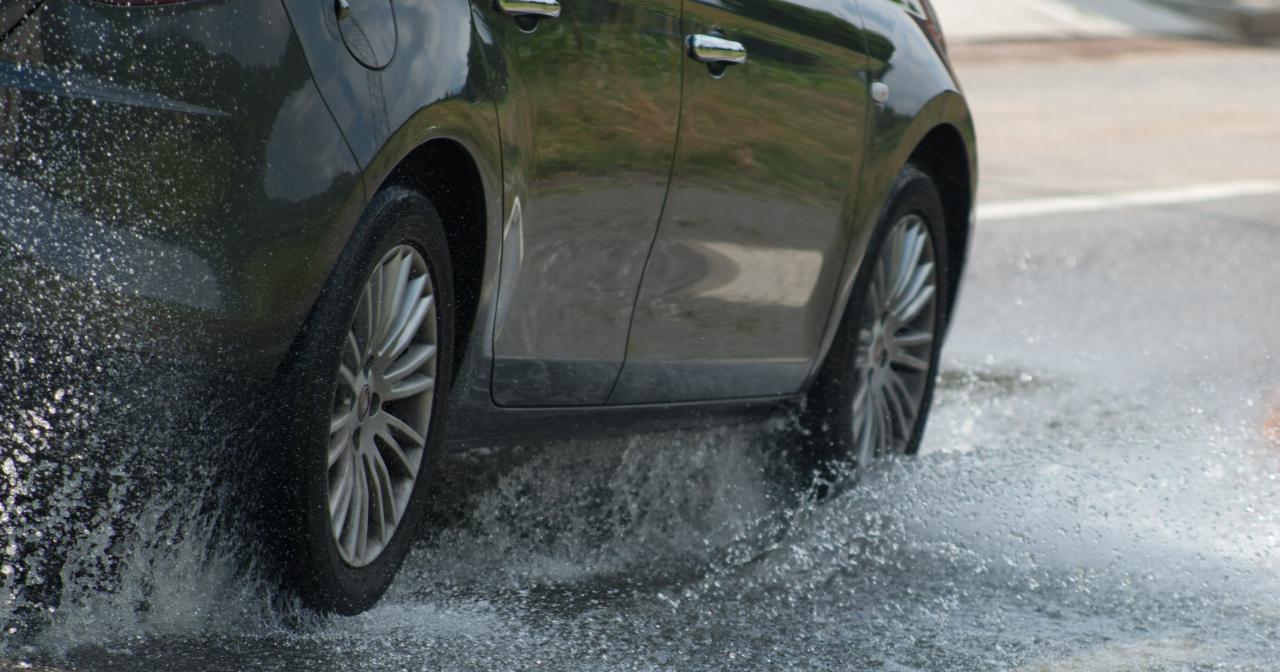
As winter progresses, your car’s wheels and tires face unique challenges from road salt, slush, and extreme temperatures. Regular attention to these components is crucial not only for aesthetics but also for maintaining their integrity and ensuring optimal performance and safety throughout the colder months. This section will guide you through the best practices for keeping your wheels and tires in top condition.Maintaining your wheels and tires in winter requires a proactive approach to combat the harsh elements they encounter.
Road salt, in particular, is highly corrosive and can quickly damage wheel finishes and tire sidewalls if not properly addressed.
Cleaning Winter Road Salt and Brake Dust from Alloy Wheels
Alloy wheels are susceptible to damage from road salt and the accumulation of brake dust, especially in winter conditions. A thorough cleaning process is essential to prevent long-term corrosion and maintain their appearance.The best method involves a multi-step approach using specialized cleaning products and gentle techniques. Begin by rinsing the wheels thoroughly with water to remove loose debris and salt.
Then, apply a pH-neutral wheel cleaner designed for your specific wheel finish. For stubborn brake dust and salt residue, a dedicated wheel cleaner with a slightly acidic or alkaline formulation (always check manufacturer recommendations) might be necessary, but ensure it’s safe for your alloy type.
- Rinsing: Always start with a good rinse to dislodge loose salt and dirt.
- Wheel Cleaner Application: Spray wheel cleaner generously onto one wheel at a time. Allow it to dwell for the recommended time to break down contaminants.
- Agitation: Use a soft-bristled wheel brush or a detailing mitt to gently agitate the cleaner. For intricate wheel designs, use various brushes to reach all areas.
- Stubborn Contaminants: For baked-on brake dust or heavy salt buildup, consider using an iron remover product. These products chemically dissolve iron particles, making them easier to rinse away. Follow the product’s instructions carefully.
- Final Rinse: Rinse each wheel thoroughly with clean water, ensuring all cleaning product and loosened contaminants are washed away.
- Drying: Dry the wheels immediately with a clean, soft microfiber towel to prevent water spots, especially in cold weather where water can freeze.
Protecting Wheel Finishes from Corrosive Winter Road Treatments
Winter road treatments, primarily salt and de-icing agents, are highly corrosive. Protecting your wheel finishes before and during the winter season is key to preventing permanent damage, etching, and discoloration.Applying a protective coating creates a barrier between the wheel surface and the harsh chemicals. Ceramic coatings offer excellent durability and resistance, while specialized wheel sealants provide a more accessible and still effective layer of protection.
- Pre-Winter Application: It is highly recommended to apply a protective coating to your wheels before winter truly sets in.
- Surface Preparation: Ensure wheels are thoroughly cleaned and dried before applying any protectant. Any contaminants left on the surface will be sealed in.
- Coating Options:
- Ceramic Coatings: These provide the longest-lasting protection, often lasting for several years. They create a hard, hydrophobic barrier that repels water, salt, and dirt. Application requires careful surface preparation and a controlled environment.
- Wheel Sealants: These are easier to apply than ceramic coatings and typically last for several months. They offer good protection against salt and brake dust.
- Paste Waxes: While less durable than sealants or coatings, a good quality paste wax can offer temporary protection for a few weeks, requiring more frequent reapplication.
- Application Process: Follow the manufacturer’s instructions for your chosen protectant. Generally, this involves applying a thin, even layer, allowing it to cure, and then buffing off any residue.
Maintaining Tire Pressure and Tread Health During Colder Months
Cold weather significantly impacts tire pressure and can accelerate wear on treads if not managed properly. Maintaining optimal tire pressure and healthy tread depth is vital for safety, fuel efficiency, and tire longevity.Tire pressure decreases as temperatures drop because the air inside the tire contracts. This can lead to underinflation, which affects handling, increases wear, and reduces fuel economy. Similarly, worn tread depths compromise grip, especially on slippery winter roads.
- Tire Pressure Checks: Check tire pressure at least once a month, and more frequently when there are significant temperature fluctuations. The ideal time to check is when the tires are cold, meaning the vehicle has not been driven for at least three hours or has been driven less than a mile at moderate speed.
- Recommended Pressure: Always inflate tires to the pressure recommended by the vehicle manufacturer, found on a sticker in the driver’s side doorjamb, glove compartment, or fuel filler door. Do not use the maximum pressure listed on the tire sidewall.
- Tread Depth Inspection: Regularly inspect your tire tread for wear. A common method is using a tread depth gauge or the “penny test.” Insert a penny into the deepest part of the tread with Lincoln’s head facing down. If the top of Lincoln’s head is visible, your tread depth is likely below the safe minimum of 2/32 of an inch (approximately 1.6 mm) and the tires should be replaced.
- Tire Rotation: If you haven’t already, consider rotating your tires regularly (typically every 5,000-7,500 miles) to ensure even wear, which helps maintain consistent tread depth across all tires.
- Winter Tires: For regions with significant snow and ice, consider investing in dedicated winter tires. These tires are designed with special rubber compounds and tread patterns that provide superior grip in cold temperatures and slippery conditions.
Applying Tire Dressings That Can Withstand Cold and Wet Conditions
Tire dressings enhance the appearance of tires, giving them a clean, rich black look. However, not all dressings are created equal, and some perform poorly in cold and wet winter conditions, attracting dirt or not lasting long.The best tire dressings for winter are those that offer durability, resist water spotting, and do not attract excessive road grime. Water-based dressings with polymer or silicone technology tend to perform better in colder climates.
- Choosing the Right Dressing: Opt for water-based tire dressings that contain polymers or advanced silicone formulas. These tend to bond better to the tire surface and offer greater resistance to water and salt. Avoid oil-based dressings, which can attract more dirt and may not perform as well in freezing temperatures.
- Surface Preparation: Before applying any dressing, thoroughly clean the tire sidewalls. Use a dedicated tire cleaner and a stiff brush to remove all dirt, brake dust, and old dressing residue. A clean surface is crucial for the dressing to adhere properly and last longer.
- Application Technique:
- Apply the dressing to a foam applicator pad or a microfiber applicator.
- Work in sections, applying a thin, even coat to the tire sidewall. Avoid getting the dressing on the tread surface, as this can reduce traction.
- Allow the dressing to dry for the manufacturer’s recommended time. Some products may require a second light coat for a deeper shine.
- For a more matte finish, buff off any excess product with a clean microfiber towel after the initial drying period.
- Durability in Cold: Look for products that specifically mention “long-lasting” or “all-weather” performance. These are formulated to withstand the stresses of winter driving, including frequent exposure to moisture and salt.
- Avoiding Over-Application: Applying too much dressing can lead to sling-off onto the vehicle’s paintwork, especially at higher speeds, and can also attract more dirt. A thin, even coat is generally more effective and durable.
Interior Detailing in Winter Conditions
The interior of your vehicle faces unique challenges during the winter months. Increased moisture, salt residue, and general grime can accumulate, impacting both aesthetics and air quality. Addressing these issues proactively is crucial for maintaining a comfortable and healthy cabin environment.
Winter detailing for the interior focuses on combating the effects of snow, ice, salt, and dampness. This involves thorough cleaning, effective moisture removal, and protective measures to prevent long-term damage like mold and mildew growth. A well-maintained interior not only looks better but also contributes to a more pleasant driving experience during colder weather.
Moisture Management and Mold Prevention
One of the most significant challenges in winter car interiors is moisture buildup. Snow and ice tracked in on footwear, combined with condensation from breath, can create a damp environment. This humidity is a breeding ground for mold and mildew, which can cause unpleasant odors and health issues. Implementing effective moisture management strategies is therefore paramount.
Several techniques can be employed to mitigate moisture and prevent mold and mildew:
- Ventilation: Whenever possible, open windows for a few minutes to allow moist air to escape, even on colder days. This is especially beneficial after a period of heavy use.
- Dehumidifiers: Utilize automotive dehumidifier bags or silica gel packets placed strategically under seats or in the trunk. These absorb excess moisture from the air. Rechargeable options are available for repeated use.
- Floor Mat Care: Remove rubber or all-weather floor mats regularly to shake off accumulated snow and moisture. Allow them to dry completely before reinserting them.
- Air Circulation: Running the car’s fan on a fresh air setting (not recirculate) can help to circulate air and reduce humidity levels within the cabin.
- Immediate Spill Cleanup: Address any spills promptly. Dampness from drinks or melted snow needs to be absorbed quickly to prevent it from soaking into carpets and upholstery.
Fabric and Leather Upholstery Cleaning in Cold Environments
Cleaning fabric and leather upholstery in winter requires a slightly different approach due to the cold. The goal is to clean effectively without introducing excessive moisture that can freeze or prolong drying times, leading to potential issues. It’s advisable to perform interior detailing on a warmer, dry day if possible, or to ensure the vehicle is kept in a heated garage during the process.
For fabric upholstery, a mild fabric cleaner and a microfiber towel are essential. Spray the cleaner sparingly onto the towel, not directly onto the fabric, to avoid oversaturation. Gently agitate the stained or soiled areas. For tougher stains, a soft-bristled brush can be used, followed by blotting with a clean, dry microfiber towel. Ensure good ventilation during and after cleaning to aid drying.
Leather upholstery benefits from specialized leather cleaners and conditioners. Apply the cleaner to a microfiber applicator pad and work it into the leather in sections, using gentle circular motions. Wipe away any residue with a separate clean microfiber towel. Follow up with a leather conditioner to restore moisture and protect the material from drying and cracking, which can be exacerbated by dry winter air.
Allow ample time for both the cleaner and conditioner to penetrate and dry before closing the doors.
Interior Window and Mirror De-icing and Cleaning
Fogging and ice formation on the inside of car windows and mirrors are common winter problems, impairing visibility. Effective cleaning and de-icing techniques are crucial for safe driving.
To de-ice interior windows, avoid using hot water, as the sudden temperature change can crack the glass. Instead, use a dedicated interior glass cleaner and a clean microfiber cloth. For stubborn ice, you can gently use a plastic ice scraper designed for automotive use, taking care not to scratch the glass. Once the ice is removed, spray the glass cleaner onto a clean microfiber towel and wipe the windows and mirrors thoroughly.
For general cleaning and fog prevention, ensure you are using a high-quality automotive glass cleaner. Ammonia-based cleaners can be harsh on window tint and some interior surfaces, so opt for ammonia-free formulas. Spray the cleaner onto the microfiber towel, not directly onto the glass, to prevent overspray onto other interior surfaces. Wipe the glass in a consistent pattern, such as horizontal strokes on the inside and vertical strokes on the outside, to easily identify any missed spots or streaks.
Pay close attention to the corners and edges of the windows and mirrors.
Maintaining clear interior visibility is not just about aesthetics; it is a critical safety measure during winter driving conditions.
Regularly cleaning the interior glass, even when there is no visible fog or ice, helps to remove the film of grime that can contribute to fogging. A clean surface is less likely to attract condensation. Consider using an anti-fog treatment specifically designed for automotive glass, applying it according to the product’s instructions after cleaning for enhanced protection against fogging throughout the winter.
Glass and Trim Maintenance for Winter
Maintaining clear visibility and protecting vulnerable exterior components are paramount during winter months. Cold temperatures, ice, snow, and road salt can significantly impact your car’s glass and trim, leading to reduced visibility and potential long-term damage. This section will guide you through the essential steps to keep these areas in optimal condition.
Exterior Glass Cleaning and Frost Prevention
Proper cleaning of exterior glass in winter is crucial for safety, as ice and frost can severely impair your vision. It’s also important to use the right techniques and products to avoid damaging the glass or your vehicle’s paint.To effectively clean exterior glass and prevent frost and ice buildup, follow these steps:
- Begin by using a high-quality, winter-specific glass cleaner. These cleaners often contain additives that can help lower the freezing point of any residual moisture.
- Use a clean microfiber cloth or a dedicated glass squeegee. Avoid paper towels, as they can leave lint and scratch the glass.
- Spray the cleaner directly onto the glass, not onto your cloth, to ensure even application and prevent streaks.
- Wipe the glass thoroughly, working from top to bottom. For stubborn ice, use a plastic ice scraper designed for automotive use, applying gentle pressure to avoid scratching. Never use metal objects.
- Consider pre-treating your windows with a de-icing spray before a frost is expected. Apply it generously and allow it to work for a few minutes before scraping.
- After cleaning, ensure the glass is completely dry to prevent refreezing.
Rubber and Plastic Trim Treatment
Rubber and plastic trim are susceptible to damage from harsh winter conditions, including extreme cold, UV exposure, and road salt. Neglecting these areas can lead to cracking, fading, and a generally unkempt appearance.The importance of treating rubber and plastic trim in winter lies in preserving their flexibility and color. This proactive approach prevents premature aging and ensures these components continue to serve their protective and aesthetic functions.To effectively treat rubber and plastic trim:
- Clean the trim thoroughly with a dedicated trim cleaner or a mild all-purpose cleaner to remove any dirt, grime, or salt residue.
- Apply a high-quality trim protectant or dressing. Look for products that offer UV protection and conditioning properties. Silicone-based dressings are generally effective for long-lasting protection.
- Use a foam applicator pad or a microfiber cloth to apply the protectant evenly. Work it into the trim, ensuring complete coverage.
- Wipe away any excess product with a clean, dry microfiber cloth to prevent a greasy or uneven finish.
- Regular application throughout the winter months is recommended, especially after washing your car.
Hydrophobic Coatings for Improved Visibility
Applying hydrophobic coatings to your car’s windows can significantly enhance visibility during winter by repelling water, snow, and ice. This creates a surface where precipitation struggles to adhere, making it easier to clear your windshield and windows.The process for applying hydrophobic coatings to windows involves several key steps to ensure optimal performance and longevity:
- Preparation: Thoroughly clean and dry all exterior glass surfaces. Any remaining dirt or residue will prevent the coating from bonding correctly. Use a glass polish if necessary to remove any stubborn contaminants or swirl marks.
- Application: Apply the hydrophobic coating according to the manufacturer’s instructions. Typically, this involves applying a small amount of the product to an applicator pad and working it into the glass in a crosshatch pattern. Ensure complete coverage of the entire glass surface.
- Curing: Allow the coating to cure for the recommended time. This can range from a few minutes to several hours, depending on the product. During this time, avoid touching or washing the treated glass.
- Buffing: After the curing period, use a clean, dry microfiber cloth to gently buff off any haze or residue left by the coating. This will reveal a crystal-clear, slick surface.
Hydrophobic coatings create a surface tension that causes water to bead up and roll off, significantly improving visibility in wet and snowy conditions.
Preventing Interior Fogging
Interior fogging on car windows during winter drives is a common and frustrating issue, caused by the difference in temperature and humidity between the car’s interior and the exterior. Condensation forms on the cooler interior glass surfaces.Effective methods for preventing interior fogging on windows during winter drives include:
- Utilize the Air Conditioning System: Even in cold weather, running your air conditioning system can dehumidify the air inside your car, reducing condensation. Set the climate control to draw in fresh outside air rather than recirculating interior air.
- Proper Ventilation: Slightly cracking a window can help equalize the temperature and humidity levels inside and outside the vehicle, preventing fog buildup.
- Clean Interior Glass: Ensure the inside of your windows is clean. A thin film of dust or grime can provide nucleation sites for water droplets, exacerbating fogging. Use an automotive glass cleaner and a microfiber cloth.
- Anti-Fog Treatments: Apply an anti-fog treatment specifically designed for automotive interiors. These treatments create a barrier that prevents water droplets from forming a fog. Follow product instructions carefully for application.
- Avoid Bringing Excess Moisture In: Shake off snow and water from your shoes and clothing before entering the car to minimize the amount of moisture introduced into the cabin.
Specialized Winter Detailing Challenges

Detailing your vehicle during the colder months presents a unique set of hurdles that require specific knowledge and preparation to overcome. The extreme cold can affect not only the car’s surfaces but also the very tools and products you use, demanding a more strategic approach to achieve optimal results. Understanding these challenges and implementing preventative measures is key to maintaining your car’s condition and ensuring a smooth detailing process.The impact of sub-zero temperatures extends to various aspects of detailing, from the integrity of your equipment to the behavior of your cleaning agents.
Proactive planning and specialized techniques are essential to combat these difficulties and ensure your car remains protected and pristine throughout winter.
Common Issues in Sub-Zero Detailing
Sub-zero temperatures introduce several common problems that can hinder a detailing session and potentially cause damage to your vehicle if not addressed properly. These issues stem from the physical properties of water, various materials, and the environment itself.
- Frozen Water and Ice Formation: Water used for washing can freeze on surfaces, in crevices, and on equipment, leading to potential damage from expansion and making subsequent steps difficult.
- Reduced Effectiveness of Chemicals: Many detailing chemicals are formulated for moderate temperatures and can become less effective or even freeze when exposed to extreme cold.
- Material Brittleness: Rubber seals, plastic trim, and even some paint surfaces can become more brittle and prone to cracking or chipping in freezing conditions.
- Difficulty in Drying: Water evaporates much slower in cold, humid air, making thorough drying a significant challenge and increasing the risk of ice formation.
- Personal Discomfort and Safety: Working in extreme cold poses risks to the detailer, including frostbite and reduced dexterity, which can affect the quality of work.
Preventative Measures for Frozen Components
Preventing common winter detailing frustrations like frozen door locks, seals, and windows requires foresight and the use of specific products and techniques. These measures ensure that your vehicle remains accessible and protected from the harsh effects of freezing temperatures.
- Door Locks: Before winter sets in, apply a graphite-based lubricant or a silicone spray to door lock cylinders. This helps to displace moisture and prevent freezing. If a lock does freeze, avoid forcing it; instead, try a lock de-icer or gently warm the key with a lighter (being careful not to overheat).
- Door Seals and Weatherstripping: Apply a silicone-based protectant or a rubber conditioner to all door seals and weatherstripping. This creates a barrier that repels water and prevents seals from freezing to the car body. Regularly cleaning and conditioning these areas is crucial.
- Windows and Sunroofs: Ensure all windows and sunroofs are fully closed and sealed. If there’s a risk of freezing shut, a light application of silicone spray along the edges can help. For stubborn frost, use a dedicated automotive de-icer spray rather than scraping, which can scratch the glass.
Impact of Extreme Cold on Detailing Chemicals and Equipment
The performance and longevity of your detailing supplies can be significantly compromised by frigid temperatures. Understanding these effects allows for proper storage and handling to maintain their efficacy and prevent damage.
- Chemical Freezing: Many water-based detailing products, such as shampoos, all-purpose cleaners, and waxes, have a freezing point. Storing these indoors in a temperature-controlled environment is paramount. If a product has frozen, allow it to thaw completely at room temperature before use; shaking it vigorously may be necessary to reintegrate separated components.
- Equipment Degradation: Rubber hoses can become stiff and prone to cracking in the cold. It’s advisable to drain them thoroughly after use and store them indoors. Pressure washers and their pumps can also suffer damage from freezing water; ensure they are properly winterized if stored outdoors.
- Reduced Applicator Performance: Microfiber towels can become stiff and less absorbent when frozen. Allow them to thaw and dry completely before use. Foam applicators and brushes may also become less pliable.
It is crucial to remember that certain products, like those containing alcohol or specialized de-icers, are designed for cold weather use and can be beneficial. Always check the product’s label for recommended temperature ranges.
Troubleshooting Guide for Common Winter Detailing Problems
When detailing in winter, unexpected issues can arise. Having a quick reference for common problems and their solutions can save time and prevent potential damage to your vehicle.
| Problem | Cause | Solution |
|---|---|---|
| Frozen Door Lock | Moisture in the lock cylinder freezing. | Apply graphite lubricant or silicone spray preventatively. Use a lock de-icer or gently warm the key if frozen. |
| Frozen Door Seals | Water trapped between the seal and the car body freezing. | Apply silicone-based protectant or rubber conditioner to seals. Ensure seals are dry before closing doors. |
| Windows Stuck Shut | Ice forming around the window edges. | Use a dedicated automotive de-icer spray. Gently pry with a plastic trim tool if necessary, avoiding excessive force. |
| Water Spots from Melted Snow/Ice | Mineral deposits left behind as ice and snow melt. | Rinse thoroughly with clean water after washing. Use a quick detailer spray to remove light spots. For stubborn spots, a clay bar may be needed. |
| Detailing Sprays Not Spraying Properly | Product thickening or freezing in the spray mechanism. | Store products indoors. If a spray head is clogged, warm it gently in lukewarm water. |
| Hoses Freezing/Cracking | Water freezing inside rubber hoses. | Drain hoses completely after use. Store them indoors. Consider heated hoses for frequent winter use. |
| Microfiber Towels Becoming Stiff | Moisture freezing within the fibers. | Allow towels to thaw and dry completely at room temperature before use. |
Maintaining Detailing Tools in Winter
Proper maintenance of your detailing tools is crucial, especially during the colder months. Winter conditions can be harsh on equipment, leading to potential damage and reduced effectiveness if not cared for properly. By implementing a consistent maintenance routine, you can ensure your tools remain in optimal condition, ready for use whenever needed, and extend their lifespan significantly.The cold can affect various aspects of your detailing arsenal, from the materials of your brushes and towels to the functionality of your pressure washer.
Addressing these specific needs proactively will prevent common winter-related issues and keep your detailing operations smooth and efficient.
Storage and Maintenance of Detailing Brushes and Applicators
Detailing brushes and applicators are your primary contact points with the vehicle’s surfaces, and their condition directly impacts the quality of your work. In winter, improper storage can lead to material degradation, such as bristles becoming brittle or foam becoming stiff and less pliable.To ensure your brushes and applicators remain in excellent condition throughout the winter, follow these best practices:
- Thoroughly clean all brushes and applicators after each use to remove any residual cleaning solutions, dirt, or grime.
- Allow brushes to dry completely before storing them. Hang brushes bristles-down to encourage water drainage and prevent the bristles from splaying or retaining moisture, which can lead to mildew.
- Store brushes and applicators in a dry, temperature-controlled environment. Avoid storing them in unheated garages or sheds where they are exposed to freezing temperatures.
- For foam applicators, ensure they are clean and dry. Store them flat or in a way that prevents them from being crushed, which can permanently alter their shape and performance.
- Inspect brushes for any signs of wear, such as frayed bristles or loose ferrules, and replace them as needed.
Preventing Water Freezing in Pressure Washers and Equipment
Water freezing within your pressure washer or other water-dependent equipment can cause significant damage, including cracked pumps, hoses, and other components. Taking preventative measures is essential to protect your investment and ensure operational readiness.To safeguard your equipment from the damaging effects of freezing temperatures:
- After each use, disconnect all hoses and accessories from the pressure washer.
- Drain as much water as possible from the pump and hoses. Tilting the unit can help facilitate complete drainage.
- Run the pressure washer for a few seconds without the water supply connected. This helps to expel any residual water from the pump.
- Consider using a RV/Marine antifreeze specifically designed for pressure washers. Follow the manufacturer’s instructions for introducing the antifreeze into the system.
- Store your pressure washer in a location that remains above freezing temperatures. If this is not possible, ensure it is thoroughly winterized with antifreeze.
- For other water-holding equipment, such as garden hoses or buckets, ensure they are completely emptied and stored indoors or in a protected area.
Keeping Microfiber Towels in Optimal Condition for Winter Use
Microfiber towels are indispensable for various detailing tasks, and their effectiveness can be compromised by cold weather and improper care. Maintaining their absorbency and softness is key to achieving a scratch-free finish.To preserve the quality and performance of your microfiber towels during winter:
- Wash microfiber towels separately from other laundry to prevent lint transfer.
- Use a dedicated microfiber detergent or a mild, free-and-clear detergent. Avoid fabric softeners, as they can clog the microfiber strands and reduce their absorbency and effectiveness.
- Dry microfiber towels on a low heat setting or air dry them. High heat can damage the microfiber strands, making them less effective.
- Inspect towels for any signs of wear, such as thinning fabric or frayed edges, and retire damaged towels to less critical tasks, such as drying engine bays.
- Store towels in a clean, dry place, folded neatly to maintain their shape and prevent contamination.
Maintenance Schedule for Essential Winter Detailing Equipment
A structured maintenance schedule ensures that all your detailing equipment is regularly inspected and cared for, preventing unexpected failures, especially when dealing with the challenges of winter.Here is a sample maintenance schedule for essential winter detailing equipment:
| Equipment | Frequency | Action |
|---|---|---|
| Pressure Washer | After each use | Drain water, run dry, disconnect hoses. |
| Pressure Washer | Monthly (or before storage) | Winterize with antifreeze if storing in freezing temperatures. Inspect seals and connections. |
| Detailing Brushes | After each use | Clean, dry thoroughly, store bristles down. |
| Microfiber Towels | After each use | Wash separately with appropriate detergent, dry on low heat or air dry. |
| Applicators (foam, microfiber) | After each use | Clean and dry thoroughly. |
| Vacuum Cleaner | Monthly | Empty dustbin/bag, clean filters, check power cord for damage. |
| Extension Cords and Power Cables | Before each use | Inspect for any cuts, fraying, or damage. Ensure proper insulation. |
Final Review
By diligently following these winter car detailing strategies, you can ensure your vehicle remains protected, clean, and visually appealing, regardless of the weather. This guide empowers you with the knowledge and techniques to effectively combat the unique challenges of winter, preserving your car’s value and your driving pleasure throughout the season.