As How to Dress and Protect Plastics in the Engine Bay takes center stage, this opening passage beckons readers into a world crafted with good knowledge, ensuring a reading experience that is both absorbing and distinctly original.
Within the demanding environment of an engine bay, plastic components are constantly exposed to heat, UV radiation, and various chemicals, leading to degradation and a diminished aesthetic. This comprehensive guide delves into the essential practices for preserving and enhancing these vital parts, ensuring your vehicle’s engine bay remains not only visually appealing but also structurally sound for years to come.
Understanding Engine Bay Plastics
The engine bay of a vehicle is a demanding environment, characterized by extreme temperatures, exposure to various fluids, and constant vibrations. Plastics are integral to the design and function of many components within this space. Understanding the types of plastics used, their roles, and the challenges they face is the first step in effectively maintaining and protecting them.The plastics found in engine bays are specifically engineered to withstand these harsh conditions, but they are not impervious to degradation over time.
Recognizing the signs of wear and understanding the underlying causes are crucial for ensuring the continued performance and safety of your vehicle.
Common Engine Bay Plastic Types and Functions
Modern vehicles utilize a variety of plastic materials in the engine bay, each chosen for its specific properties to fulfill essential roles. These materials are selected based on their resistance to heat, chemicals, and mechanical stress.
- Polypropylene (PP): Frequently used for fluid reservoirs (like coolant overflow tanks and windshield washer fluid tanks), battery cases, and some air intake components. PP offers good chemical resistance and is relatively inexpensive.
- Acrylonitrile Butadiene Styrene (ABS): Often found in covers, housings for electronic components, and some intake manifold parts. ABS provides a good balance of impact resistance and stiffness.
- Nylon (Polyamide): Commonly employed for fuel lines, connectors, clips, and certain under-hood covers. Nylon excels in high-temperature environments and offers excellent wear resistance and strength.
- Polyethylene (PE): Used in some less critical components like fluid lines and grommets, particularly in lower-temperature areas.
- Silicone: While not always considered a “hard” plastic, silicone is vital for hoses (radiator hoses, vacuum hoses) and seals due to its exceptional flexibility and resistance to extreme temperatures and fluids.
Environmental Factors Causing Plastic Degradation
The engine bay is a dynamic environment where several factors contribute to the breakdown of plastic components over time. Understanding these factors helps in anticipating potential issues and implementing preventative measures.
- Heat: The constant operation of the engine generates significant heat, leading to thermal cycling. Repeated expansion and contraction can cause plastics to become brittle and crack. High under-hood temperatures accelerate the aging process of polymers.
- Chemical Exposure: Engine bays are prone to spills and leaks of various automotive fluids, including engine oil, coolant, brake fluid, power steering fluid, and fuel. Many of these chemicals can degrade certain types of plastics, causing them to swell, soften, or become brittle.
- UV Radiation: Although less direct than in exterior applications, some UV exposure can occur through translucent components or during maintenance. UV radiation breaks down polymer chains, leading to discoloration and reduced mechanical properties.
- Ozone: Ozone, a byproduct of electrical activity (like sparks) and atmospheric reactions, can attack the double bonds in some polymers, leading to surface cracking and embrittlement, particularly in rubber and certain plastic compounds.
- Vibration: Constant engine vibrations can cause fatigue in plastic components, leading to stress cracks and eventual failure, especially at mounting points or areas with inherent stress concentrations.
Common Signs of Engine Bay Plastic Degradation
Recognizing the visual cues of deteriorating plastics is essential for proactive maintenance. These signs often indicate that a component is nearing the end of its service life and may require replacement to prevent further issues.
- Brittleness and Cracking: This is one of the most common signs. Plastics that were once flexible become stiff and prone to cracking, especially when touched or subjected to minor stress. You might see hairline fractures or larger breaks.
- Discoloration: Plastics that were originally black, grey, or translucent may fade, turn a chalky white, or develop yellow or brown hues. This indicates a breakdown of the polymer’s structure and often a loss of UV inhibitors.
- Surface Chalking or Powdering: A dry, powdery residue on the surface of the plastic is a sign of severe degradation. This occurs when the plastic’s surface oxidizes and breaks down.
- Swelling or Warping: Exposure to certain chemicals or excessive heat can cause plastics to swell beyond their original dimensions or warp out of shape, affecting their fit and function.
- Leaking or Seepage: Degraded plastic components, especially seals, hoses, or reservoirs, may develop small leaks that can lead to fluid loss and potential damage to other engine bay components.
Crucial Reasons for Protecting Engine Bay Plastics
The integrity of plastic components in the engine bay is directly linked to the overall health, performance, and longevity of the vehicle. Neglecting their protection can lead to a cascade of problems.
“Protecting engine bay plastics is not merely an aesthetic concern; it is a fundamental aspect of maintaining vehicle reliability and preventing costly future repairs.”
- Preventing Fluid Leaks: Many plastic components, such as coolant overflow tanks, power steering reservoirs, and fuel lines, are designed to contain critical fluids. Degradation can lead to cracks and leaks, resulting in fluid loss, overheating, loss of power steering, or fire hazards.
- Maintaining Airflow and Engine Performance: Components like air intake ducts and housings are made of plastic. Cracks or damage can disrupt proper airflow, leading to reduced engine efficiency, poor fuel economy, and increased emissions.
- Ensuring Electrical System Integrity: Plastic is used extensively for wire insulation, connectors, and housings for electronic control units (ECUs). Degradation can expose wires, leading to short circuits, system malfunctions, and potentially costly electrical repairs.
- Avoiding Mechanical Failures: Clips, brackets, and covers made of plastic secure various components. If these fail due to degradation, parts can become loose, leading to rubbing, damage to other parts, or complete component failure.
- Preventing Contamination: Cracks in plastic components can allow dirt, debris, and moisture to enter sensitive areas, such as the air intake system or electrical connectors, leading to performance issues and corrosion.
- Extending Vehicle Lifespan: By protecting plastic components, you are preserving the integrity of critical systems, reducing the likelihood of breakdowns, and ultimately contributing to a longer and more reliable service life for your vehicle.
Preparing Plastics for Protection
With the foundational understanding of engine bay plastics established, the next crucial step involves preparing these components to receive protective treatments. Proper preparation is paramount to ensure the longevity and effectiveness of any dressing or protectant applied, preventing premature degradation and maximizing aesthetic appeal. This stage focuses on a meticulous cleaning process and addressing any pre-existing damage, laying the groundwork for a durable finish.Thorough preparation ensures that protectants can bond effectively with the plastic surfaces, rather than being hindered by dirt, grime, or oxidation.
It also allows for the identification and repair of minor issues that could otherwise worsen over time and compromise the integrity of the plastic.
Step-by-Step Plastic Cleaning Procedure
A systematic approach to cleaning engine bay plastics is essential to remove accumulated contaminants without causing damage. This process should be gentle yet effective, targeting various types of grime.
- Initial Debris Removal: Begin by using a soft-bristled brush or compressed air to remove loose dirt, dust, and debris from the plastic surfaces. This prevents larger particles from scratching the plastic during the washing phase.
- Application of a Plastic-Safe Cleaner: Select a cleaner specifically formulated for automotive plastics or a mild all-purpose cleaner (APC) diluted to an appropriate strength (typically 1:10 or 1:15 with water). Spray the cleaner directly onto a microfiber applicator pad or a soft detailing brush, rather than directly onto the plastic. This allows for more controlled application and prevents overspray onto sensitive engine components.
- Gentle Agitation: Work the cleaner into the plastic surfaces using a soft detailing brush or a microfiber wash mitt. Focus on textured areas and crevices where dirt tends to accumulate. For stubborn grime, a slightly firmer brush may be used, but always with caution to avoid scratching.
- Rinsing: Thoroughly rinse the cleaned plastics with a low-pressure stream of water. Avoid using high-pressure washers, as they can force water into electrical connectors and damage delicate plastic components.
- Drying: Immediately after rinsing, dry the plastics thoroughly using clean, high-quality microfiber towels.
Identifying and Addressing Existing Damage or Wear
Before applying any protectant, it is vital to inspect the plastic components for signs of wear, cracks, or fading. Addressing these issues beforehand ensures that the protectant enhances, rather than masks, underlying problems.
- Cracks and Splits: Small hairline cracks can sometimes be repaired using specialized plastic repair kits or adhesives designed for automotive plastics. For larger or more extensive cracks, replacement of the component might be the most durable solution.
- Fading and Discoloration: UV exposure often causes plastics to fade and turn a chalky white or grey. While some protectants can temporarily restore a darker appearance, persistent fading may indicate that the plastic has become brittle and may benefit from a UV-resistant coating or replacement.
- Brittleness: If plastics feel excessively brittle and prone to breaking, they have likely degraded significantly due to heat and UV exposure. Applying protectants to brittle plastic may offer temporary cosmetic improvement but will not restore its structural integrity.
- Surface Scratches: Light surface scratches can sometimes be buffed out with a plastic polish or cleaner designed for this purpose. Deeper scratches may remain visible but can be less noticeable after the application of a protectant.
Best Practices for Thorough Drying
Proper drying is a critical step that prevents water spots and ensures that protectants adhere effectively. Incomplete drying can lead to streaks and a less-than-ideal finish.
After rinsing, immediately use clean, plush microfiber towels to absorb as much moisture as possible. Work systematically, drying each plastic component thoroughly. For intricate areas or crevices, a leaf blower or a dedicated car dryer can be used to blow out any residual water. Allowing plastics to air dry completely can lead to mineral deposits from the water, resulting in unsightly water spots.
Plastic Preparation Checklist
Having the right tools and materials readily available streamlines the preparation process and ensures a professional outcome.
| Tool/Material | Purpose |
|---|---|
| Soft-bristled brushes (various sizes) | Removing loose debris and agitating cleaners in textured areas. |
| Compressed air or leaf blower | Dislodging loose dirt and drying intricate areas. |
| Plastic-safe cleaner or diluted APC | Breaking down and lifting grime from plastic surfaces. |
| Microfiber applicator pads | Controlled application of cleaners and protectants. |
| High-quality microfiber towels (multiple) | Drying plastics and wiping away residue. |
| Gloves | Protecting hands from cleaning chemicals. |
| Plastic repair kit (optional) | Addressing minor cracks or splits. |
| Plastic polish (optional) | Buffing out light surface scratches. |
Selecting Appropriate Protectants and Dressings
Choosing the right protectant or dressing for your engine bay plastics is crucial for both aesthetics and longevity. The engine bay environment is harsh, characterized by high temperatures, exposure to various fluids, and UV radiation. A well-chosen product will not only restore a like-new appearance but also create a barrier against these damaging elements. Understanding the different types of products available and their formulations will empower you to make an informed decision that best suits your needs and the specific plastics in your engine bay.
Types of Plastic Protectants and Dressings
The market offers a variety of plastic protectants and dressings, each with its own set of advantages and disadvantages. These products are designed to enhance the appearance and durability of plastic surfaces, but their effectiveness can vary depending on their composition and application.
Water-Based Dressings
Water-based dressings are typically lighter in consistency and are often preferred for their ease of use and natural-looking finish. They generally contain emulsifiers, conditioners, and polymers suspended in water.
- Pros:
- Easy to apply and wipe off.
- Provide a natural, matte, or satin finish.
- Less likely to attract dust and dirt compared to some silicone-based products.
- Generally safe for most plastic types.
- Cons:
- May require more frequent reapplication as they can wear off more quickly, especially under harsh engine bay conditions.
- Offer less intense shine or gloss.
Silicone-Based Dressings
Silicone-based dressings are known for their ability to impart a deep, glossy shine and provide a more durable protective layer. They utilize silicone oils or polymers as their primary active ingredients.
- Pros:
- Deliver a high-gloss, wet look that many enthusiasts desire.
- Offer excellent water repellency and a more durable protective barrier.
- Can help to rejuvenate faded and dull plastics.
- Cons:
- Can attract dust and dirt, leading to a greasy appearance if over-applied or not wiped down properly.
- May leave a slippery residue if not fully buffed.
- Some older or lower-quality silicone products could potentially degrade certain types of rubber or plastic over time, though modern formulations are generally much safer.
Hybrid and Advanced Formulations
Many modern products combine elements of both water-based and silicone-based technologies, or utilize advanced polymer and ceramic coatings. These aim to offer the best of both worlds: ease of application, a desirable finish, and enhanced durability.
Key Ingredients in Effective Engine Bay Plastic Protectants
When evaluating a plastic protectant for the engine bay, certain ingredients contribute significantly to its performance. Looking for these components can help you identify a product that will offer superior protection and appearance.
- UV Inhibitors: These are critical for protecting plastics from the degradation caused by the sun’s ultraviolet rays, which can cause fading, cracking, and brittleness.
- Polymers and Resins: These form a protective film on the plastic surface, offering durability and a barrier against environmental contaminants. Advanced polymers can provide longer-lasting protection.
- Conditioning Agents (e.g., emollients, natural oils): These help to keep the plastic flexible and prevent it from drying out, which is especially important in the heat of the engine bay.
- Emulsifiers: For water-based products, emulsifiers are necessary to evenly disperse the active ingredients in water, ensuring a uniform application.
- Solvents (in moderation): While some solvents can be harsh, specific types are used in some formulations to help penetrate the plastic and ensure even distribution of protectants. It’s important to ensure these are mild and safe for automotive plastics.
Differences Between Water-Based and Silicone-Based Dressings
The fundamental difference between water-based and silicone-based dressings lies in their carrier and primary active ingredients, which dictate their performance characteristics.
Water-Based Dressings
These formulations use water as the primary solvent. The active ingredients, such as polymers and conditioning agents, are suspended in the water. This makes them lighter, easier to spread, and typically results in a more natural finish. They are excellent for a subtle enhancement and daily protection. For instance, a water-based dressing might be ideal for the matte black plastic covers of an engine, providing a refreshed look without a greasy sheen.
Silicone-Based Dressings
These dressings use silicone oils or polymers dissolved or dispersed in a solvent (which can sometimes be water, but often other carriers are used). The silicone components are responsible for creating a slick, hydrophobic surface and a high-gloss finish. They are often chosen for their ability to restore a deep, dark appearance to faded plastics and offer a more robust protective layer.
A classic example is their use on textured plastic trim to achieve a “wet look” that lasts longer.
Application and Finish Comparison
The application method and the resulting finish are key differentiators. Water-based dressings are typically sprayed or applied with a foam applicator and wiped down, often leaving a satin or matte finish. Silicone-based dressings can also be applied similarly, but the buffing process is crucial to manage the gloss level and prevent residue. Over-buffing a silicone dressing can reduce the shine, while under-buffing can leave it too greasy.
Product Types for Various Plastic Finishes
Different plastic finishes in the engine bay require tailored treatment to achieve the best results. Using the wrong product can lead to undesirable outcomes, such as excessive shine on matte surfaces or a dull finish on glossy ones.
- Matte and Satin Finishes: For plastics that are intended to have a non-reflective appearance, such as many under-hood covers and some dashboard components visible from above, water-based dressings are generally preferred. These products enhance the texture and color without adding an artificial gloss. Look for products specifically labeled as “matte finish” or “satin finish protectant.”
- Textured Plastics: Textured plastics, often found on components like air intake covers or battery housings, benefit from dressings that can penetrate the crevices and highlight the texture. Both water-based and some lighter silicone-based dressings can work well here. The key is to ensure the product doesn’t fill the texture with a thick, greasy layer. A product that offers good adhesion and doesn’t attract excessive dust is ideal.
- Glossy and High-Sheen Plastics: For plastics that originally have a glossy finish, silicone-based dressings are excellent for restoring and maintaining that deep shine. These products can revitalize faded glossy plastics and provide a rich, wet look. It is essential to use a product that can be buffed to a uniform shine without streaks.
- Faded and Dull Plastics: For plastics that have lost their original color and luster due to age and exposure, richer formulations, often silicone-based or advanced polymer sealants, are best. These can saturate the plastic, bringing back depth and color. However, it’s important to note that these products primarily enhance appearance and provide protection; they do not repair underlying material degradation.
Application Techniques for Optimal Results
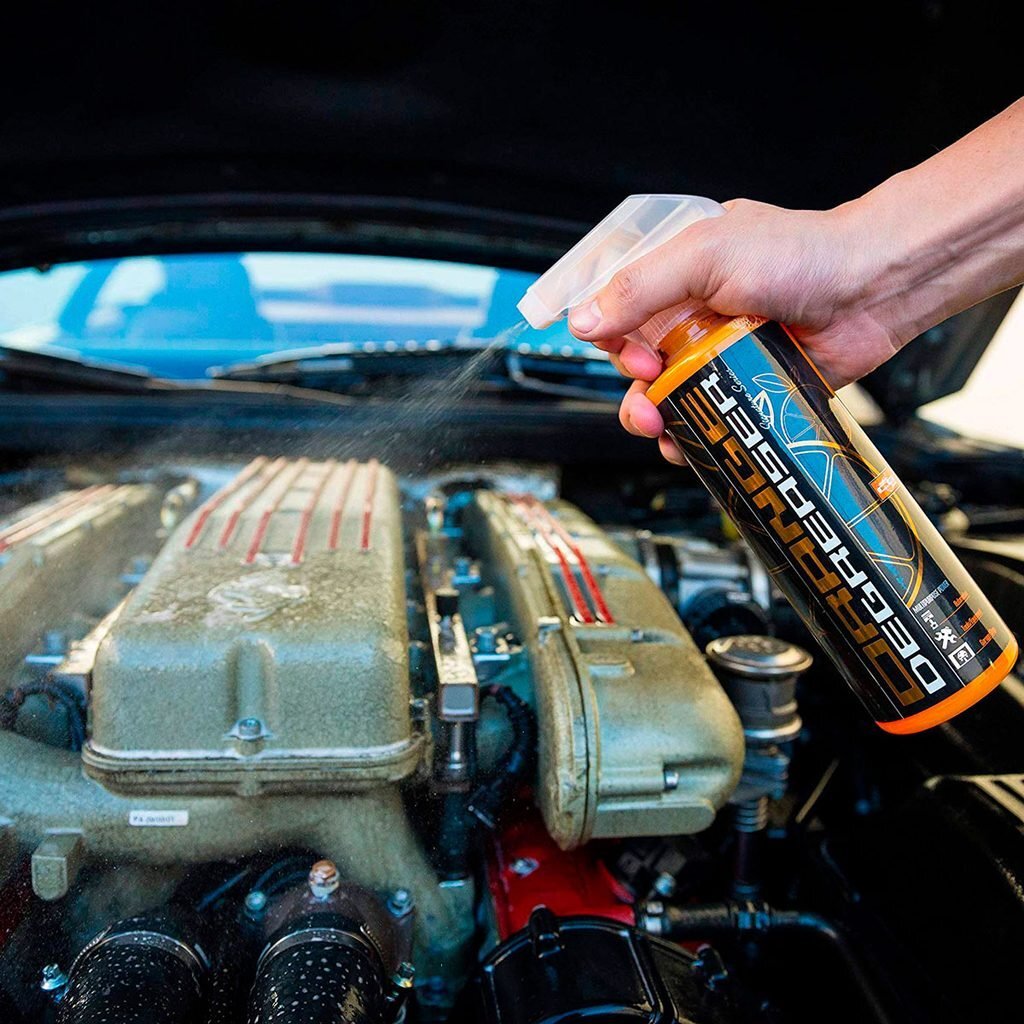
Applying plastic protectants and dressings effectively is crucial for achieving a long-lasting, aesthetically pleasing, and protective finish in your engine bay. The method of application directly influences how well the product adheres, its distribution, and the final appearance, preventing issues like streaking or uneven coverage. This section will guide you through the best practices for applying these products to ensure your engine bay plastics look their best and remain protected.Understanding the nuances of application for different product types and employing meticulous techniques will elevate the overall appearance and longevity of your engine bay’s plastic components.
Careful attention to detail during this stage prevents potential damage to other sensitive engine parts and ensures a uniform, professional finish.
Liquid and Spray-On Plastic Protectant Application
The application of liquid and spray-on plastic protectants requires a methodical approach to ensure thorough coverage and optimal performance. Liquid protectants are typically applied directly to an applicator pad, while spray-on versions are misted onto the surface. Both methods necessitate controlled application to prevent waste and ensure even distribution.
- Liquid Protectants: Apply a small amount of the liquid protectant onto a foam applicator pad or microfiber towel. Work the product into the pad evenly before applying it to the plastic surface.
- Spray-On Protectants: Hold the spray bottle at a consistent distance (typically 6-8 inches) from the plastic surface. Apply in a sweeping motion, overlapping each pass slightly to ensure complete coverage.
Even Application and Overspray Prevention
Achieving an even application is paramount for a uniform look and to maximize the protectant’s effectiveness. Equally important is preventing overspray onto other engine components, such as painted surfaces, rubber hoses, or electrical connectors, which can lead to staining or the attraction of unwanted dirt and grime.
To ensure even application, work in small sections, allowing you to control the product distribution effectively. For spray-on products, consider using a masking towel or shield to protect adjacent areas if you are concerned about overspray. Always aim for a thin, consistent layer rather than a thick, heavy application, which can lead to a greasy finish and attract more dust.
Recommended Reapplication Frequency
The frequency at which you should reapply plastic protectants to your engine bay depends on several factors, including the product used, environmental exposure, and the desired level of protection and appearance. Engine bays are subject to heat, UV radiation, and various automotive fluids, all of which can degrade protectants over time.
As a general guideline, most high-quality plastic protectants will maintain their appearance and protective qualities for approximately 1 to 3 months. However, it is advisable to inspect your engine bay plastics regularly. If you notice the plastic starting to look dull, faded, or dry, it is time for a reapplication. For heavily exposed or frequently driven vehicles, reapplication every 4-6 weeks might be more appropriate.
Achieving a Natural, Non-Greasy Finish
A common concern with plastic dressings is the potential for a greasy or overly shiny appearance, which can attract dust and look unnatural. The key to achieving a satin, non-greasy finish lies in the product selection and the application technique.
- Product Choice: Opt for water-based or silicone-free dressings that are specifically formulated for a natural finish. Avoid products labeled as “high gloss” if a subtle look is desired.
- Application Control: Apply protectants in thin, even coats. After application, allow the product to dwell for a few minutes, then gently buff off any excess with a clean, dry microfiber towel. This buffing step removes any residual product that could cause a greasy feel or appearance.
- Avoid Over-saturation: Do not drench the plastic in the protectant. Less is often more when aiming for a subtle, natural look.
Detailed Application with Applicator Pads and Brushes
For intricate areas within the engine bay, such as textured plastics, around vents, or tight crevices, using applicator pads and brushes allows for precise and controlled application. These tools help ensure that the protectant reaches all areas without spreading onto unintended surfaces.
Using Applicator Pads for Detailed Application:
- Select the Right Pad: Use firm foam applicator pads for larger, flat surfaces and smaller, more flexible pads for curves and edges.
- Controlled Product Dispensing: Apply a small amount of protectant directly onto the pad, not the surface, to control the amount of product being used.
- Work in Sections: Apply the product to a small area at a time, using light, even pressure.
- Edge Control: Use the edge of the applicator pad to carefully work around delicate components or sharp edges.
Using Brushes for Detailed Application:
- Choose Appropriate Brushes: Utilize detailing brushes with soft, synthetic bristles. Different sizes will be useful for various tasks.
- Apply Product to Brush: Lightly dip the bristles of the brush into the protectant or apply a small amount of spray protectant to the brush.
- Targeted Application: Gently dab or brush the protectant into textured areas, seams, and around small components.
- Buffing Excess: After applying with a brush, use a clean microfiber towel to gently buff the area and remove any excess product, ensuring a smooth finish.
“Precision in application ensures that every surface receives the intended protection without compromising the integrity of adjacent components.”
Long-Term Maintenance and Prevention Strategies
Maintaining the pristine condition of your engine bay plastics extends far beyond the initial application of protectants. Proactive measures and consistent care are crucial for safeguarding these components against the harsh environment under the hood, ensuring their longevity and aesthetic appeal. This section focuses on preventative strategies and routine care to keep your engine bay plastics looking their best for years to come.The engine bay is a dynamic environment, subject to significant temperature fluctuations and harmful ultraviolet (UV) radiation.
Implementing preventative measures is key to mitigating these damaging forces. Understanding these strategies will help you shield your plastics from premature aging and degradation.
Preventative Measures Against Heat and UV Exposure
Engine bay plastics are particularly vulnerable to the combined assault of high temperatures and UV rays, which can lead to brittleness, discoloration, and cracking. Employing specific preventative techniques can significantly extend their lifespan.
- Heat Shielding: Where possible, consider installing or ensuring the integrity of heat shields that direct hot air away from plastic components. This is especially important for components located near exhaust manifolds or turbochargers.
- Strategic Component Placement: While not always an option for existing vehicles, during design or modification, placing sensitive plastic parts further from direct heat sources can be beneficial.
- UV-Resistant Protectants: Regularly apply high-quality plastic protectants that contain UV inhibitors. These products create a barrier that absorbs or reflects harmful UV rays, preventing them from breaking down the plastic’s molecular structure. Look for products specifically formulated for automotive engine bays.
- Regular Cleaning: While not a direct preventative measure against heat and UV, keeping plastics clean removes abrasive contaminants that can exacerbate damage when exposed to heat and light.
Regular Inspections for Early Issue Identification
Consistent visual checks of your engine bay plastics are a cornerstone of preventative maintenance. Catching potential problems early can save you from more extensive repairs and replacements down the line.
Importance of Routine Inspections
These inspections allow you to monitor the condition of the plastics, identify any signs of wear or damage, and address them before they become critical issues. Early detection is key to cost-effective maintenance.
- Frequency: Aim to conduct a thorough visual inspection of your engine bay plastics at least every 3-6 months, or more frequently if you notice any changes or experience extreme operating conditions.
- What to Look For: During your inspection, pay close attention to:
- Discoloration: Fading, yellowing, or chalky white patches can indicate UV damage or chemical exposure.
- Cracking and Brittleness: Look for fine lines or deeper cracks, especially around edges or stress points. Gently press on the plastic; if it feels unusually stiff or brittle, it may be degrading.
- Swelling or Warping: Any deformation from the original shape can indicate excessive heat exposure or chemical reactions.
- Surface Dullness: A loss of shine or a matte appearance, especially if it wasn’t there before, can be an early sign of degradation.
- Loose or Damaged Fasteners: Ensure all clips, screws, and mounting points are secure, as loose components can lead to vibration-induced damage.
- Documentation: Consider taking photos of your engine bay plastics periodically. This visual record can help you track subtle changes over time and identify issues you might otherwise miss.
Practices to Avoid for Accelerated Plastic Degradation
Certain common practices or overlooked details can significantly accelerate the deterioration of engine bay plastics. Being aware of these pitfalls allows you to actively avoid them.
Harmful Practices
The engine bay is exposed to a variety of substances and conditions. Understanding what to avoid is as important as knowing what to do.
- Harsh Chemical Cleaners: Avoid using aggressive degreasers, solvents, or all-purpose cleaners not specifically designed for automotive plastics. These can strip protective coatings and break down the plastic’s structure.
- High-Pressure Washing on Close Range: While cleaning is important, directing a high-pressure washer too close to plastic components can cause physical damage, force water into sensitive areas, and strip protective dressings.
- Neglecting Engine Bay Heat: Allowing prolonged periods of extreme heat without adequate protection or ventilation can lead to accelerated aging. This includes frequent short trips where the engine doesn’t have a chance to cool down properly between uses.
- Improper Use of Steam Cleaners: While effective for some tasks, direct, prolonged steam cleaning of plastic components can sometimes cause thermal shock and damage.
- Ignoring Leaks: Fuel, oil, coolant, or brake fluid leaks can be highly corrosive to many types of plastic. Address any fluid leaks promptly.
Routine Plastic Care Schedule for the Engine Bay
Establishing a consistent schedule for plastic care ensures that these components receive the attention they need to remain protected and visually appealing. This proactive approach prevents minor issues from escalating.
Recommended Care Schedule
A well-structured schedule integrates cleaning, inspection, and application of protectants, making plastic maintenance a manageable part of your overall vehicle upkeep.
- Monthly:
- Perform a quick visual check for any obvious damage or leaks.
- Wipe down accessible plastic surfaces with a damp microfiber cloth to remove dust and light debris.
- Quarterly (Every 3-6 Months):
- Conduct a thorough visual inspection as detailed above.
- Clean all accessible plastic components using a pH-neutral automotive cleaner.
- Apply a high-quality plastic protectant with UV inhibitors, following the application guidelines provided in the previous section.
- Annually:
- Deep clean the entire engine bay, paying extra attention to areas where plastics are located.
- Reapply protectants to all plastic surfaces, ensuring thorough coverage.
- Inspect any protective films or heat shields for damage or dislodging.
By integrating these long-term maintenance and prevention strategies into your vehicle care routine, you can significantly enhance the durability and appearance of your engine bay plastics, ensuring they contribute positively to your vehicle’s overall presentation and function.
Addressing Specific Plastic Components
The engine bay is a complex ecosystem of various materials, and plastics are ubiquitous, serving crucial roles in protection, insulation, and containment. Understanding how to specifically treat these diverse plastic elements ensures comprehensive care and longevity for your engine bay’s components. This section delves into the particular needs of common plastic parts, offering tailored advice for their protection and maintenance.Each plastic component in the engine bay has unique characteristics and exposure levels, necessitating specific approaches to dressing and protection.
By focusing on these individual parts, we can achieve optimal results that go beyond a general application, enhancing both the aesthetic appeal and the functional integrity of your engine bay.
Engine Covers, Air Intake Housings, and Battery Trays
These larger plastic components are often the most visible and play significant roles in protecting sensitive engine parts and directing airflow. Their protection requires products that can withstand heat and environmental exposure.* Engine Covers: These are typically made from durable plastics designed to withstand engine heat. Regular cleaning and application of a water-based or silicone-based dressing can restore their matte or satin finish and prevent fading.
For textured surfaces, a slightly thicker dressing might be beneficial to penetrate the crevices.
Air Intake Housings
Similar to engine covers, these are exposed to airflow and potential contaminants. A good quality plastic protectant will not only enhance their appearance but also provide a barrier against UV rays and dirt accumulation, ensuring the intake system remains clean and efficient.
Battery Trays
While often less visible, battery trays are crucial for securing the battery and preventing corrosion. Cleaning them thoroughly and applying a robust plastic protectant can prevent degradation from battery acid fumes and moisture, extending their service life.
Plastic Hoses and Wiring Loom Sheathing
These flexible plastic components are vital for the safe and efficient operation of your engine. Their protection is paramount to prevent leaks, electrical shorts, and premature failure.Plastic hoses, such as those for coolant or vacuum systems, and the sheathing around wiring looms are constantly subjected to engine heat, vibration, and exposure to fluids and oils. Neglecting these can lead to cracking, brittleness, and eventual failure, posing significant risks.* Plastic Hoses: For flexible plastic hoses, a silicone-based dressing is often recommended.
These dressings provide lubrication, flexibility, and protection against drying and cracking. Apply sparingly to avoid making the hoses excessively slippery, which could lead to dislodging.
Wiring Loom Sheathing
The sheathing protects the electrical wires from heat and abrasion. A dedicated plastic and rubber protectant can help maintain the suppleness of the sheathing, preventing it from becoming brittle and cracking, which could expose the wires to the elements and cause short circuits.
Plastic Fluid Reservoirs
The transparent or translucent plastic reservoirs for brake fluid, coolant, power steering fluid, and windshield washer fluid are critical for monitoring fluid levels. Maintaining their clarity and integrity is essential for safety and performance.These reservoirs are constantly exposed to the engine bay environment and the fluids they contain. Over time, they can become clouded, stained, or brittle, making it difficult to accurately read fluid levels and potentially compromising their structural integrity.* Cleaning: Begin by thoroughly cleaning the exterior of the reservoir with an all-purpose cleaner.
For stubborn stains or internal cloudiness, a specialized plastic cleaner might be necessary.
Protection
Once clean, apply a UV-resistant plastic protectant to the exterior. This will help prevent yellowing and brittleness caused by sun exposure. Avoid over-applying to the point where it drips into the reservoir, as this could contaminate the fluid.
Older or Brittle Engine Bay Plastics
Engine bay plastics, especially in older vehicles, can become significantly degraded due to prolonged exposure to heat, UV radiation, and harsh chemicals. Addressing these requires a gentler, more targeted approach to avoid causing further damage.Older plastics are more susceptible to cracking, becoming brittle, and losing their structural integrity. Aggressive cleaning or the wrong type of protectant can accelerate this degradation.* Gentle Cleaning: Use a mild pH-neutral cleaner and soft microfiber cloths for cleaning.
Avoid abrasive brushes or harsh chemicals that can strip away any remaining protective layers or further weaken the plastic.
Product Selection
Opt for water-based or silicone-free protectants. Silicone-based products can sometimes cause certain types of older plastics to swell or become overly soft. Look for products specifically designed for aged or delicate plastics.
Application
Apply protectants in thin, even coats. Multiple light applications are better than one heavy application. Allow each coat to dry completely before applying the next.
Testing
Before applying any product to the entire component, test it on an inconspicuous area to ensure compatibility and observe for any adverse reactions.
Repair
For minor cracks or chips, consider using specialized plastic repair kits designed for automotive use. These can help restore structural integrity and prevent further damage.
For older, brittle plastics, the principle of “less is more” often applies. Gentle handling and carefully selected products are key to preserving their condition.
Ending Remarks
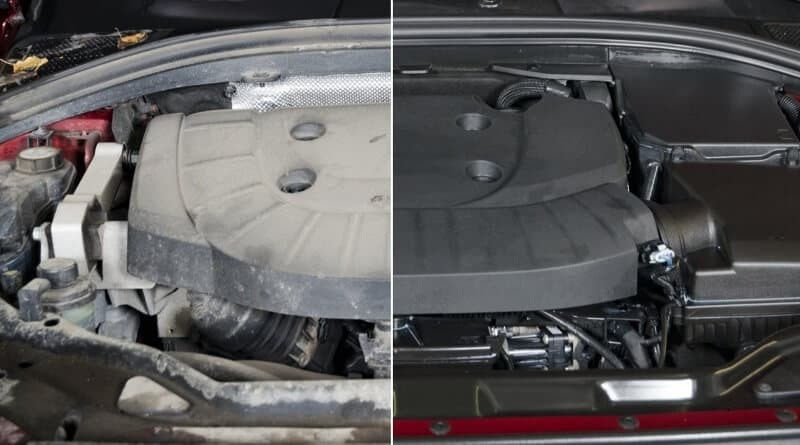
By understanding the unique challenges presented by engine bay plastics and implementing the Artikeld preparation, protection, and maintenance strategies, you can significantly extend the life of these components and maintain the overall integrity and appearance of your vehicle. Consistent care ensures your engine bay remains a testament to meticulous attention to detail, safeguarding against the harsh realities of its operational environment.