Embarking on the journey of maintaining a ceramic coated vehicle is a rewarding endeavor that ensures your car retains its showroom shine and protective barrier for years to come. This comprehensive guide is crafted to provide you with all the essential knowledge and techniques to keep your ceramic coating in pristine condition, far surpassing the longevity and performance of traditional waxes.
We will delve into the fundamental science behind ceramic coatings, illuminating how they bond with your vehicle’s paint to offer superior protection against environmental contaminants and the elements. Understanding the benefits, lifespan, and common misconceptions will lay a solid foundation for effective upkeep. From meticulous washing and drying procedures to tackling stubborn contaminants and advanced rejuvenation techniques, every aspect of ceramic coating care will be explored, empowering you to preserve its hydrophobic properties and brilliant gloss.
Understanding Ceramic Coating Fundamentals
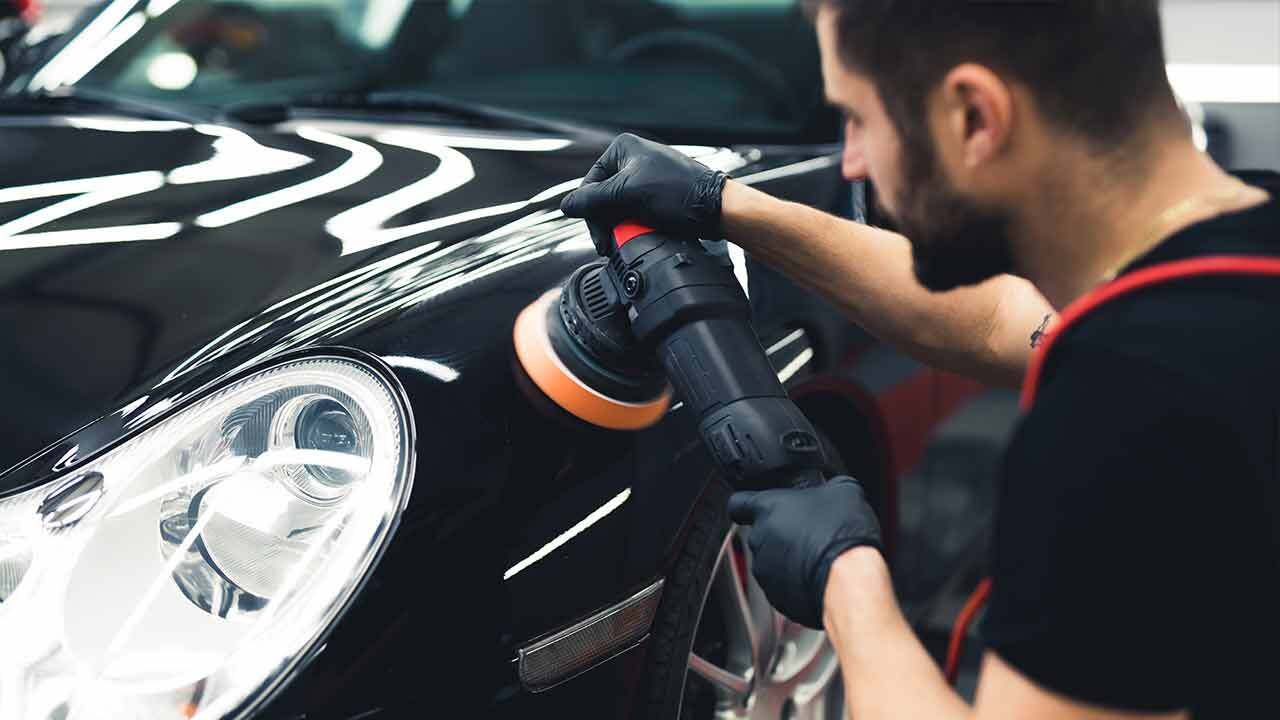
Ceramic coatings represent a significant advancement in automotive paint protection, offering a durable shield against environmental contaminants and enhancing the aesthetic appeal of your vehicle. Unlike traditional waxes that provide a temporary layer of gloss and protection, ceramic coatings chemically bond with your vehicle’s clear coat, creating a semi-permanent, hydrophobic barrier. This deep integration is the key to their superior performance and longevity.The science behind ceramic coatings involves complex silicon-based polymers, typically silicon dioxide (SiO2) or titanium dioxide (TiO2), suspended in a solvent.
When applied to a clean and prepped surface, these polymers react with the oxygen in the air, undergoing a curing process that solidifies into a hard, glass-like layer. This layer is significantly more resistant to chemical etching, UV degradation, and minor scratches than conventional paint sealants. The hydrophobic nature of the coating causes water and other liquids to bead up and roll off, taking dirt and grime with them, which greatly simplifies the washing process.
The Science of Protection
Ceramic coatings work by creating a sacrificial layer that is harder and more resilient than the factory clear coat. This layer effectively absorbs the impact of environmental hazards, preventing them from reaching and damaging the underlying paint. The chemical bonding process ensures that the coating becomes an integral part of the paint’s surface, rather than simply sitting on top of it.
This is why they offer such exceptional durability and resistance to the elements.
Benefits Compared to Traditional Waxes
Traditional waxes, such as carnauba or synthetic sealants, offer a temporary protective layer that typically lasts for a few weeks to a few months. They provide a pleasing gloss but are easily stripped by harsh detergents, UV exposure, and environmental contaminants. Ceramic coatings, on the other hand, offer a much more robust and long-lasting solution.
- Durability: Ceramic coatings can last from 2 to 10 years or even longer, depending on the product’s quality, application, and maintenance. Waxes typically last only a few months at best.
- Chemical Resistance: The hardened layer of a ceramic coating is highly resistant to acidic and alkaline contaminants like bird droppings, bug splatter, tree sap, and road salt, which can etch and damage conventional paint protection.
- UV Protection: Ceramic coatings act as a barrier against harmful UV rays, preventing paint oxidation and fading that can occur over time with prolonged sun exposure.
- Hydrophobicity: The water-repellent properties of ceramic coatings make washing and drying your vehicle significantly easier. Water beads and sheets off the surface, carrying dirt and contaminants with it, reducing the risk of water spots.
- Scratch Resistance: While not entirely scratch-proof, ceramic coatings add a layer of hardness that can resist light swirl marks and minor abrasions that might otherwise mar the clear coat.
- Gloss and Depth: Ceramic coatings enhance the paint’s natural gloss and depth, giving the vehicle a consistently “wet look” that is difficult to achieve with traditional methods.
Lifespan and Durability Expectations
The lifespan of a ceramic coating is influenced by several factors, including the quality of the product, the skill of the installer, the vehicle’s environment, and the maintenance routine followed. Generally, ceramic coatings are categorized by their expected durability:
- Entry-Level Coatings (1-2 years): These are often DIY-friendly options or professional coatings with a shorter warranty. They still offer significant benefits over waxes but require more frequent reapplication.
- Mid-Tier Coatings (3-5 years): These are common professional-grade coatings that offer a good balance of durability and cost. They provide substantial protection and are a popular choice for many vehicle owners.
- Premium Coatings (5-10+ years): These are typically high-end professional coatings that require meticulous application by certified detailers. They offer the longest-lasting protection and the most robust performance characteristics.
It is important to note that these are general expectations. For instance, a vehicle kept in a harsh climate with frequent exposure to salt, intense UV radiation, and heavy road debris may experience a slightly reduced lifespan compared to a vehicle stored in a garage in a milder climate.
Common Misconceptions About Ceramic Coatings
Despite their widespread popularity and proven effectiveness, several myths persist regarding ceramic coatings and their maintenance. Addressing these misconceptions is crucial for setting realistic expectations and ensuring proper care.
- Myth: Ceramic coatings are a substitute for car washes.
Reality: While ceramic coatings make washing easier and more effective, they do not eliminate the need for regular cleaning. Dirt, dust, and other contaminants will still accumulate on the surface and require removal to maintain the coating’s performance and appearance.
- Myth: Ceramic coatings are completely scratch-proof.
Reality: Ceramic coatings add a degree of hardness that helps resist minor scratches and swirl marks. However, they are not impervious to damage from sharp objects or abrasive cleaning techniques. Care must still be taken during washing and drying.
- Myth: Once applied, a ceramic coating requires no maintenance.
Reality: Proper maintenance is essential for maximizing the lifespan and performance of a ceramic coating. This includes using pH-neutral car shampoos, avoiding abrasive brushes, and drying the vehicle thoroughly to prevent water spots.
- Myth: Ceramic coatings can be applied over existing imperfections like scratches or swirl marks.
Reality: For optimal results and bonding, the paint surface must be meticulously decontaminated and corrected (e.g., polished to remove scratches and swirl marks) before a ceramic coating is applied. The coating will encapsulate any existing imperfections, making them permanent.
- Myth: All ceramic coatings are the same.
Reality: There is a wide range of ceramic coating products available, varying in their chemical composition, durability, ease of application, and cost. Professional-grade coatings often contain higher concentrations of active ingredients and require specialized application techniques.
Essential Washing Techniques for Ceramic Coated Surfaces
Maintaining the pristine condition of your ceramic coated vehicle hinges significantly on adopting proper washing techniques. Unlike conventional paintwork, ceramic coatings offer enhanced protection, but they are not impervious to improper care. Gentle, consistent, and methodologically sound washing practices are paramount to preserving the coating’s hydrophobic properties, gloss, and overall durability. This section will guide you through the optimal procedures and products to ensure your ceramic coating remains in peak condition for years to come.The foundation of a safe and effective wash for a ceramic coated vehicle lies in minimizing contact and employing techniques that prevent the introduction of abrasive contaminants.
Ceramic coatings are designed to be slick, which aids in the wash process, but neglecting the fundamentals can still lead to micro-marring and a reduction in the coating’s aesthetic appeal and protective capabilities. Adhering to a structured approach ensures that every wash contributes to the longevity of your investment.
Step-by-Step Procedure for Safely Washing a Ceramic Coated Vehicle
A methodical approach is crucial to prevent scratching and swirl marks, which can compromise the integrity of the ceramic coating. Each step is designed to gently lift dirt and grime without grinding it into the surface.
- Pre-Rinse Thoroughly: Begin by rinsing the entire vehicle with a strong stream of water. This initial rinse is vital for removing loose dirt, dust, and debris, significantly reducing the risk of scratching during the contact wash phase. Focus on areas prone to collecting grit, such as wheel wells and lower body panels.
- Prepare Your Wash Buckets: Set up two buckets. One bucket should contain your diluted car wash soap solution, and the other should be filled with clean rinse water. This is the cornerstone of the two-bucket wash method.
- Wash from Top to Bottom: Start washing the vehicle from the roof and work your way down. This ensures that dirty water flows downwards, preventing you from re-contaminating cleaned areas.
- Use a Gentle Wash Mitt: Employ a high-quality, plush wash mitt made from microfiber or lamb’s wool. Dip the mitt into the soap solution.
- Wash Small Sections at a Time: Wash one panel or section of the vehicle at a time. After washing a section, rinse your wash mitt thoroughly in the clean water bucket to remove all trapped dirt and grit before dipping it back into the soap solution. This prevents transferring contaminants back onto the paint.
- Rinse the Mitt Frequently: Never put a dirty wash mitt back into the soap bucket. Frequent rinsing in the clean water bucket is essential.
- Rinse the Vehicle Frequently: After washing a few sections, rinse the vehicle to prevent the soap from drying on the surface, which can leave water spots.
- Clean Wheels Separately: Wheels are often the dirtiest part of a vehicle and can harbor abrasive brake dust. Wash them last, using dedicated wheel brushes and cleaners, and a separate wash mitt and bucket if possible.
- Final Rinse: Once the entire vehicle is washed, perform a final, thorough rinse with clean water.
- Drying: Gently dry the vehicle using high-quality microfiber drying towels. Blot or gently drag the towel across the surface rather than scrubbing. Consider using a leaf blower for initial water removal from crevices and panel gaps.
Recommended Types of Soaps and Cleaning Agents for Ceramic Coatings
The choice of cleaning agents is critical for preserving the hydrophobic and protective qualities of a ceramic coating. Harsh chemicals or abrasive detergents can strip away the coating’s integrity.The ideal soaps for ceramic coatings are pH-neutral and specifically formulated to be safe for these advanced protective layers. These products are designed to clean effectively without degrading the coating’s structure or its ability to repel water.
- pH-Neutral Car Shampoos: These are the gold standard. They effectively lift dirt and grime without the risk of etching or stripping the ceramic coating. Look for products explicitly stating “pH-neutral” or “ceramic coating safe” on their labels.
- Ceramic Infused Wash Soaps: Some wash soaps contain small amounts of ceramic polymers. While primarily designed for cleaning, they can offer a minor boost to the coating’s existing properties and add a temporary layer of gloss. Use these as a regular maintenance wash option.
- Avoid Harsh Chemicals: Steer clear of alkaline or acidic cleaners, degreasers, and all-purpose cleaners not designated as safe for ceramic coatings. These can break down the silica or quartz structure of the coating, reducing its effectiveness and lifespan.
- Use Dedicated Wheel Cleaners: While wheel cleaners can be more aggressive, opt for those specifically formulated for painted or coated wheels and ensure they are safe for use on vehicles with ceramic coatings. Always test in an inconspicuous area first.
The Importance of the Two-Bucket Wash Method and Its Application
The two-bucket wash method is a fundamental technique in detailing that significantly reduces the risk of introducing scratches and swirl marks onto your vehicle’s paintwork, especially crucial for a protected surface like a ceramic coating. Its application is straightforward but requires discipline.This method creates a barrier between the dirt lifted from the car and the paint surface during the washing process.
By having one bucket for soapy water and another for rinsing the wash mitt, you effectively separate clean and dirty water, preventing the redistribution of abrasive particles.The application involves the following:
- Fill one bucket with your chosen pH-neutral car wash soap and water.
- Fill the second bucket with plain, clean water.
- Dip your wash mitt into the soap bucket and wash a section of the vehicle.
- Before returning the mitt to the soap bucket, thoroughly rinse it in the clean water bucket. This action dislodges dirt, grit, and debris from the mitt.
- Once the mitt is clean, dip it back into the soap bucket for the next section.
- This continuous cycle of washing, rinsing the mitt, and re-soaping is the essence of the two-bucket method, ensuring that only clean soap solution is applied to the paint.
The benefit is a dramatically cleaner wash mitt throughout the process, minimizing the chance of dragging abrasive contaminants across the delicate ceramic coating.
Washing Schedule for Optimizing Ceramic Coating Longevity
Establishing a consistent washing schedule is key to maintaining the protective and aesthetic benefits of your ceramic coating. The frequency will depend on environmental factors, driving habits, and personal preference, but a general guideline ensures the coating remains in optimal condition.A well-maintained ceramic coating will repel dirt and water more effectively, meaning you might be able to wash less frequently than you would a non-coated vehicle, provided you are washing correctly.
However, allowing dirt and grime to sit for extended periods can still impact the coating’s performance.Here’s a recommended approach:
- Regular Maintenance Washes: Aim for a thorough wash every 2-4 weeks, depending on your driving conditions. This involves the two-bucket method, pH-neutral soap, and proper drying. This frequency is sufficient for most environments to prevent significant build-up of contaminants.
- Immediate Rinse After Contamination: If your vehicle is exposed to harsh contaminants like bird droppings, bug splatter, tree sap, or road salt, rinse or gently wash these areas as soon as possible. These contaminants can etch or degrade the coating if left to dwell for extended periods.
- Decontamination Washes: Every 6-12 months, consider a more in-depth decontamination process. This may include using an iron remover to tackle embedded ferrous particles and a clay bar or clay mitt to remove bonded surface contaminants that a regular wash might miss. This step is crucial for restoring the coating’s smoothness and gloss.
- Avoid Automatic Car Washes: With few exceptions, automatic car washes, especially those with brushes, are detrimental to ceramic coatings. The harsh brushes can cause micro-marring and even strip the coating over time. Hand washing is always the preferred method.
- Seasonal Adjustments: In winter months, with increased exposure to road salt and grime, you may need to wash more frequently, perhaps weekly, to prevent corrosion and maintain the coating’s barrier. In drier, cleaner climates, you might extend the interval between washes.
By adhering to these washing techniques and schedules, you will ensure your ceramic coating continues to provide superior protection, a brilliant shine, and an effortless cleaning experience for your vehicle.
Drying Methods to Prevent Water Spots and Streaks
Proper drying is a crucial step in maintaining the pristine appearance of your ceramic coated vehicle. Neglecting this phase can undo the hard work of washing and lead to unsightly water spots and streaks, diminishing the hydrophobic properties and visual appeal of the coating. The goal is to remove water quickly and efficiently without introducing new contaminants or marring the surface.Ceramic coatings are designed to be hydrophobic, meaning they repel water.
However, when water evaporates, it leaves behind mineral deposits from the water itself. These deposits, if allowed to sit and dry on the surface, become water spots. Effective drying techniques focus on minimizing the contact time of water on the paint and lifting it away cleanly.
Microfiber Drying Towels Versus Air Blowers
Both microfiber drying towels and air blowers are popular methods for drying ceramic coated vehicles, each with its own set of advantages and disadvantages. Understanding these differences will help you choose the most effective approach for your situation.Microfiber drying towels are highly absorbent and designed to lift water from the surface.
- Pros of Microfiber Drying Towels:
- Excellent absorbency, capable of soaking up large amounts of water.
- Soft and plush textures minimize the risk of scratching the paint surface when used correctly.
- Versatile for reaching various areas of the vehicle.
- Relatively inexpensive and readily available.
- Cons of Microfiber Drying Towels:
- Can potentially drag contaminants across the paint if not kept clean, leading to micro-scratches.
- Require regular washing and proper care to maintain their effectiveness and prevent damage.
- May leave slight streaks if the towel becomes saturated or if the surface has bonded contaminants.
Air blowers, particularly leaf blowers or dedicated car dryers, use a strong stream of air to push water off the surface.
- Pros of Air Blowers:
- Completely touchless, eliminating the risk of scratching or marring the paint surface from towel contact.
- Highly effective at removing water from crevices, panel gaps, and around emblems where towels can’t reach.
- Can speed up the drying process significantly.
- Leaves a streak-free finish by pushing water away rather than absorbing it.
- Cons of Air Blowers:
- Can be noisy and require a power source.
- Initial investment can be higher than for drying towels.
- May not remove all water from very tight crevices without careful maneuvering.
- Can blow dust and debris onto the wet surface if not used in a clean environment.
“The most effective drying strategy often involves a combination of methods, leveraging the touchless benefits of air blowers for initial water removal and the precise absorption of microfiber towels for any residual moisture.”
Best Practices for Drying Intricate Areas
Drying intricate areas such as panel gaps, around emblems, and door jambs requires specific attention to detail to prevent water from pooling and later dripping out, causing water spots. These areas often trap water due to their design and can be challenging to reach with standard drying techniques.For panel gaps and seams, a high-quality, plush microfiber drying towel folded into a thin strip can be carefully inserted to absorb trapped water.
Alternatively, an air blower can be directed at an angle to push water out of these narrow spaces.Around emblems and badges, a dedicated, smaller microfiber towel or a microfiber detailing brush can be used to gently wick away moisture. An air blower is also very effective here, as the air stream can easily flow around the contours of the emblem without direct contact.Door jambs should be dried thoroughly after the main body of the car.
A separate, dedicated microfiber towel is recommended for this task to avoid transferring dirt from the jambs to the paint. Again, an air blower can be used to blast water out of the hinges and seals.
Organizing a Drying Process for a Spot-Free Finish
A systematic approach to drying ensures that every part of your vehicle is addressed, leading to a consistently spot-free finish. This process minimizes the chances of water evaporating and leaving behind mineral deposits.The recommended drying process typically begins with the highest points of the vehicle and moves downwards, allowing gravity to assist in water removal.
- Initial Water Removal with Air Blower: After washing, immediately use an air blower to remove the bulk of the water from the entire vehicle. Focus on the roof, hood, trunk, and doors first. Direct the air flow to push water off the panels and into the ground. Pay special attention to areas where water tends to pool, such as around windshield wipers, mirrors, and body lines.
- Targeted Drying of Intricate Areas: Once the majority of the water is blown off, use the air blower to meticulously clear water from panel gaps, around emblems, grilles, and door jambs. This step is critical for preventing drips later.
- Gentle Towel Drying for Residual Moisture: For any remaining moisture, employ high-quality, plush microfiber drying towels. Use a blotting or gentle wiping motion rather than aggressive rubbing. Work from top to bottom, using multiple towels if necessary to avoid saturating a single towel. Fold the towel to expose a clean surface frequently.
- Detailing Specific Areas: Use smaller microfiber towels or detailing brushes for extremely tight areas or around sensitive components like exhaust tips or sensor housings.
- Final Inspection: After drying, conduct a final visual inspection under good lighting conditions. If any water spots or streaks are detected, gently buff them out with a clean, dry microfiber towel.
By following these methodical steps, you can effectively dry your ceramic coated vehicle, preserving its glossy finish and maximizing the benefits of the protective coating.
Addressing Contaminants and Protecting the Coating
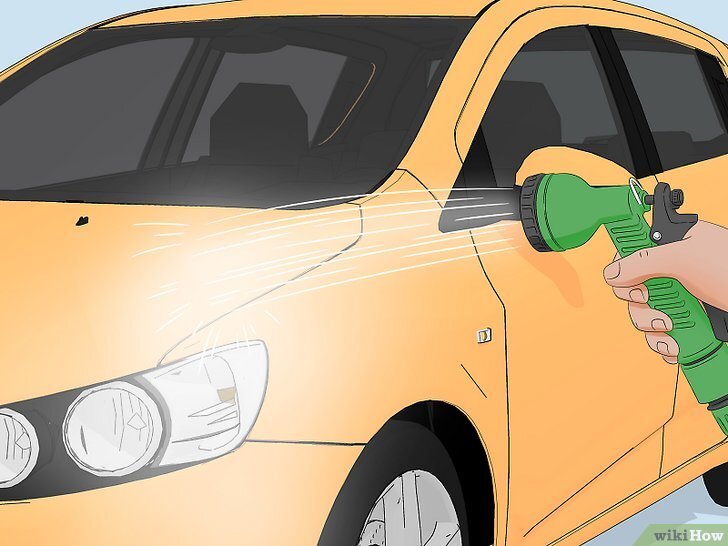
While a ceramic coating provides a robust shield for your vehicle’s paint, it’s not entirely impervious to the elements. Regular maintenance and prompt attention to contaminants are crucial for preserving the coating’s integrity and your car’s aesthetic appeal. This section will guide you through safely removing common and stubborn contaminants, ensuring your ceramic coating remains in optimal condition.Effectively managing contaminants is key to maximizing the longevity and performance of your ceramic coating.
Prompt removal of substances like bird droppings, bug splatter, and tree sap prevents etching or staining of the coating, while specific techniques are employed for more challenging deposits like tar and asphalt. Furthermore, understanding the role of maintenance products and addressing environmental fallout will ensure your vehicle continues to shine and remains protected.
Safe Removal of Common Contaminants
Bird droppings, bug splatter, and tree sap are common occurrences that can pose a threat to your ceramic coating if left untreated. These organic substances can become acidic and etch into the coating over time, compromising its protective barrier. Immediate and gentle removal is therefore essential.For fresh bird droppings and bug splatter, the most effective approach is to use a dedicated ceramic coating quick detailer spray.
These sprays are formulated to lubricate the surface, allowing contaminants to be wiped away with a clean, high-quality microfiber towel without scratching. Lightly mist the affected area, allow the product to dwell for a moment to soften the contaminant, and then gently wipe in one direction with a clean section of the microfiber towel. For dried-on or stubborn spots, you may need to apply more product and gently agitate with a clean microfiber or a very soft detailing brush specifically designed for this purpose, always working with caution to avoid marring the surface.Tree sap requires a slightly more targeted approach.
While quick detailers can help with fresh sap, hardened or older sap may require a specialized citrus-based or tar and bug remover that is safe for ceramic coatings. Always test any new product on an inconspicuous area first. Apply the remover to a microfiber applicator pad, not directly to the paint, and gently work the sap loose. Once removed, rinse the area thoroughly with water and dry with a clean microfiber towel.
Dealing with Tar and Asphalt Spots
Tar and asphalt, often encountered after driving on freshly paved roads, are particularly stubborn contaminants. Their sticky nature can make them difficult to remove and, if forced, can lead to scratching of the coating. It is imperative to use products specifically designed for tar and asphalt removal that are also certified as safe for ceramic coatings.The recommended method for removing tar and asphalt spots involves a specialized tar remover.
These products are typically solvent-based but are formulated to break down the adhesive properties of tar and asphalt without degrading the ceramic coating. Apply the tar remover to a clean microfiber towel or applicator pad, and then gently dab and wipe the affected areas. Avoid aggressive rubbing. Allow the product to work for a short period as per the manufacturer’s instructions.After the tar or asphalt has been sufficiently softened and lifted, use a clean microfiber towel to carefully wipe away the residue.
It is crucial to work in small sections and to use a fresh, clean portion of the microfiber towel for each wipe to prevent spreading the contaminant. Once all spots are removed, it is advisable to wash the area with a pH-neutral car shampoo to ensure all residue from the tar remover is eliminated, and then dry the surface thoroughly.
The Role of Quick Detailer Sprays
Quick detailer sprays are invaluable tools for maintaining the gloss and protection of your ceramic-coated vehicle between full washes. They act as a lubricant and cleaning agent, allowing for the removal of light dust, fingerprints, and other minor surface contaminants that can accumulate daily. Regular use helps to prevent these light contaminants from becoming bonded to the coating, which would require more intensive cleaning.Quick detailers enhance the hydrophobic properties of the ceramic coating, making water bead and sheet off the surface more effectively.
This not only contributes to the vehicle’s appearance by reducing water spots but also makes subsequent washes easier. They are formulated to be pH-neutral and free from harsh abrasives, ensuring they will not strip or damage the ceramic layer.Using a quick detailer is straightforward. Lightly spray the product onto a clean, folded microfiber towel and then gently wipe the surface of your vehicle.
Follow up with a dry, clean microfiber towel to buff the surface to a high gloss. This process can be performed as needed, typically after parking the car or before an event, to keep it looking its best.
Tackling Stubborn Environmental Fallout
Environmental fallout refers to a range of contaminants that can settle on your vehicle’s paint, including industrial fallout, rail dust, and brake dust. These particles are often metallic and can bond strongly to the ceramic coating, appearing as small, rusty specks or a general dullness. Left untreated, they can embed themselves and potentially cause etching.To address stubborn environmental fallout, a specialized iron remover is highly recommended.
These products are designed to chemically react with iron particles, breaking them down and making them easily rinsable. They are generally safe for ceramic coatings when used according to the manufacturer’s instructions.The application process for an iron remover typically involves washing the vehicle first to remove loose dirt. Then, spray the iron remover liberally over the dry surface, ensuring full coverage of the affected areas.
You will observe the product turning purple or red as it reacts with the iron particles. Allow it to dwell for the recommended time, usually a few minutes, but do not let it dry on the surface.After the reaction is complete, rinse the vehicle thoroughly with a high-pressure water source. For particularly stubborn fallout, a clay bar or clay mitt designed for ceramic coatings may be used after the iron remover treatment, followed by a rinse and dry.
This combination effectively lifts and removes any remaining bonded contaminants, restoring a smooth and clean surface.
Advanced Maintenance and Rejuvenation
Maintaining the pristine condition of your ceramic coated vehicle extends beyond regular washing. Advanced techniques and periodic rejuvenation are key to maximizing the coating’s lifespan and its protective and aesthetic benefits. This section will guide you through enhancing your ceramic coating’s performance and addressing any signs of wear.The integrity of a ceramic coating can be further bolstered by the judicious application of complementary products.
These advanced maintenance steps ensure that your investment continues to perform optimally, offering superior protection and a stunning visual appeal.
Applying Ceramic Coating Toppers and Sealants
Ceramic coating toppers and sealants are designed to work in conjunction with your existing ceramic coating, offering an additional layer of protection and enhancing gloss. These products can fill in microscopic imperfections, further repel contaminants, and make future washing even easier. They are typically applied after washing and drying the vehicle.To achieve the best results when applying a topper or sealant:
- Ensure the vehicle’s surface is thoroughly clean and dry. Any residual dirt can be trapped, compromising the finish.
- Apply a small amount of the product to an applicator pad.
- Work in small, manageable sections, using light pressure and overlapping strokes.
- Buff off any residue immediately with a clean, high-quality microfiber towel.
- Allow the topper or sealant to cure according to the manufacturer’s instructions before exposing the vehicle to the elements.
Light Polishing and Decontamination for Coating Renewal
Over time, even the best ceramic coatings can accumulate minor imperfections, such as very light swirl marks or stubborn bonded contaminants that regular washing doesn’t fully remove. A light polish or a dedicated decontamination process can restore the coating’s smooth finish and hydrophobic properties. This is not a correction of the paint itself, but rather a rejuvenation of the coating’s surface.The process for light polishing or decontamination involves:
- Chemical Decontamination: This is often the first step if bonded contaminants are suspected. Using an iron remover and a tar remover can effectively break down and lift stubborn particles without abrading the coating. Thoroughly rinse the vehicle after each chemical application.
- Clay Bar Treatment (Optional and with Caution): If chemical decontamination isn’t sufficient, a fine-grade clay bar or clay mitt can be used. Always use plenty of clay lubricant to minimize the risk of marring the coating. Work in small sections with gentle pressure.
- Light Machine Polishing: For very light swirl marks or hazing on the coating itself, a machine polisher with a very light finishing polish and a soft foam pad can be used. This is an advanced technique and should only be performed by those with experience. The goal is to gently level the coating’s surface, not to abrade the underlying paint.
- Wipe Down and Inspection: After polishing or claying, thoroughly wipe down the surface with an IPA (Isopropyl Alcohol) solution or a dedicated panel wipe to ensure all polishing oils and residue are removed, revealing the true condition of the coating.
It is crucial to understand that these processes aim to refresh the coating, not to remove it. Over-aggressiveness can damage the coating.
Identifying Ceramic Coating Reapplication Needs
The longevity of a ceramic coating varies significantly based on the product quality, application, and maintenance routine. Recognizing the signs that indicate the coating may be nearing the end of its lifespan is essential for timely reapplication.Signs that your ceramic coating may need reapplication include:
- Diminished Water Beading: The most prominent indicator is a significant reduction in the characteristic tight, round water beads. Instead, water may start to sheet off or form larger, flatter droplets.
- Reduced Hydrophobic Properties: If the surface no longer repels water and dirt as effectively, and cleaning becomes more challenging, the coating’s protective layer is likely compromised.
- Visible Swirl Marks or Scratches: While coatings offer resistance, they are not entirely scratch-proof. If you notice a significant increase in light scratches or swirl marks appearing on the surface that were not present before, the top layer of the coating may be wearing thin.
- Uneven Gloss or Haze: A healthy ceramic coating provides a deep, uniform gloss. If you observe areas of dullness, hazing, or an inconsistent shine across the vehicle’s panels, it suggests degradation of the coating.
- Contaminants Bonding More Easily: If you find that dirt, tar, or other contaminants are adhering to the paintwork more readily and are harder to remove than before, the coating’s self-cleaning properties are likely diminished.
Periodic Coating Integrity Maintenance Plan
A proactive maintenance plan ensures that you catch potential issues early and keep your ceramic coating in top condition. This plan should be integrated into your regular vehicle care schedule.A comprehensive maintenance plan for your ceramic coating:
- Monthly Inspections: After washing, take a moment to observe the water behavior on the paintwork. Check for the characteristic beading. Also, run your hand over the surface to feel for any roughness or bonded contaminants.
- Quarterly Deep Clean and Topper Application: Beyond regular washes, dedicate time each quarter to a more thorough cleaning. This is an ideal time to apply a ceramic coating topper or sealant as discussed earlier. This reinforces the protective layer and enhances gloss.
- Annual Professional Inspection (Recommended): Consider having a professional detailer inspect your coating annually. They have the expertise and tools to assess the coating’s health accurately and can advise on the best course of action, whether it’s a rejuvenation service or planning for reapplication.
- Address Issues Promptly: If you notice any of the signs of coating degradation mentioned above, do not wait for the annual inspection. Address the issue promptly with appropriate maintenance steps, such as a light polish or decontamination, to prevent further deterioration.
By consistently following these advanced maintenance practices, you can significantly extend the life and performance of your ceramic coating, ensuring your vehicle remains protected and visually stunning for years to come.
Common Pitfalls to Avoid
Maintaining a ceramic coated vehicle is generally straightforward, but certain common mistakes can significantly shorten its lifespan and diminish its protective properties. Understanding these pitfalls is crucial for ensuring your investment continues to perform optimally. This section will guide you through the most frequent errors and how to steer clear of them.
The effectiveness and longevity of a ceramic coating are directly tied to how it’s treated. Even with the best intentions, improper care can lead to premature degradation of the coating, leaving your vehicle vulnerable. Being aware of these common missteps empowers you to protect your vehicle’s finish.
Abrasive Cleaning Tools and Harsh Chemicals
One of the most detrimental practices when caring for a ceramic coated surface is the use of abrasive cleaning tools or harsh chemicals. These can easily scratch, dull, or even strip away the delicate protective layer that the ceramic coating provides. It is essential to select products and tools specifically designed for delicate automotive finishes to preserve the integrity of the coating.
- Abrasive Tools: Avoid using stiff brushes, scouring pads, steel wool, or rough microfiber towels that can create micro-scratches on the coating. These imperfections, while sometimes subtle, can accumulate over time, reducing gloss and making the surface more susceptible to contamination.
- Harsh Chemicals: Strong alkaline or acidic cleaners, degreasers not formulated for automotive use, or even some aggressive all-purpose cleaners can break down the hydrophobic properties and integrity of the ceramic coating. Always opt for pH-neutral car shampoos and dedicated ceramic coating cleaners.
Washing and Drying Process Mistakes
The fundamental steps of washing and drying are where many owners inadvertently compromise their ceramic coating. These processes, when performed incorrectly, can negate the benefits of the coating and lead to undesirable results.
- Improper Washing Techniques: Washing a vehicle in direct sunlight can cause soap and water to dry too quickly, leaving water spots that can etch into the coating if left unaddressed. Additionally, using a single bucket method without proper rinsing of the wash mitt can transfer grit back onto the paint, causing swirls.
- Incorrect Drying Methods: Allowing water to air dry on the surface is a primary cause of water spots, which are mineral deposits left behind. Using rough towels or excessive pressure during drying can also create micro-scratches.
Automatic Car Washes with Brushes
Automatic car washes, particularly those that employ spinning brushes, are a significant risk to ceramic coatings. The physical contact with the brushes, which are often laden with dirt and grit from previous vehicles, can cause severe scratching and swirl marks on the coating, much like using an abrasive tool manually.
The abrasive action of brushes in automatic car washes can strip away the top layer of a ceramic coating, diminishing its protective qualities and aesthetic appeal.
Correcting Minor Surface Imperfections
While professional intervention is sometimes necessary, many minor imperfections on a ceramic coated surface can be addressed at home with the right approach and products. This allows for timely correction and maintains the coating’s appearance.
- Light Swirl Marks: For very light swirl marks that haven’t penetrated the coating, a high-quality spray detailer and a clean, soft microfiber towel can often buff them out. Apply the spray detailer to the affected area and gently wipe in a straight line with the microfiber towel.
- Water Spots: Fresh water spots can typically be removed with a dedicated ceramic coating quick detailer or a specialized water spot remover. Apply the product and gently wipe with a clean microfiber towel. For stubborn spots, a mild clay bar specifically designed for paintwork might be considered, but always follow up with a sealant or quick detailer afterwards.
- Minor Scratches: Deeper scratches that have penetrated the coating will require professional attention. However, very superficial scratches that are only in the top layer of the coating might be improved with a fine finishing polish applied by hand with a soft foam applicator, followed by a ceramic coating spray sealant. It’s crucial to test in an inconspicuous area first.
Seasonal Care and Environmental Factors

The resilience of a ceramic coating is remarkable, but its longevity and optimal performance are significantly influenced by seasonal changes and environmental elements. Understanding how to adapt your maintenance routine to protect your vehicle from the unique challenges presented by different times of the year is crucial for preserving the coating’s hydrophobic properties and glossy finish.
Winter Protection Strategies
Winter presents a formidable array of challenges for any vehicle’s finish, and ceramic coatings are no exception. The primary concerns revolve around the abrasive nature of snow and ice, the corrosive effects of road salt, and the reduced sunlight which can impact the coating’s self-cleaning capabilities. Proactive measures are essential to mitigate potential damage and maintain the integrity of the ceramic layer.
- Frequent Washing: Even in freezing temperatures, regular washing is paramount. Focus on rinsing off accumulated snow, ice, and especially road salt. Use a high-pressure washer with warm water if possible to effectively melt and dislodge ice and salt.
- Underbody Cleansing: Road salt and de-icing agents tend to accumulate heavily on the undercarriage of vehicles. Ensure thorough cleaning of wheel wells, chassis, and suspension components during washes to prevent long-term corrosion.
- Application of Winter Sealants: While a ceramic coating is durable, a sacrificial layer of a spray sealant or wax designed for winter can offer an additional barrier against harsh elements. These products are typically easier to apply in colder conditions and can be reapplied more frequently.
- Avoid Abrasive Brushes: When manual washing is necessary, opt for soft wash mitts and avoid stiff brushes that can scratch the coating, especially when dealing with frozen debris.
- Promptly Remove Snow and Ice: Use a soft snow brush or foam squeegee to gently remove snow and ice. Never chip or scrape ice directly off the paint surface, as this can severely damage the coating and underlying paint.
Summer UV Ray Defense
While winter brings its own set of hazards, the intense solar radiation of summer poses a different kind of threat to ceramic coatings. Prolonged exposure to ultraviolet (UV) rays can, over time, degrade the organic components within some ceramic formulations, leading to a reduction in gloss and hydrophobic performance. Implementing a strategy to shield the coating from excessive UV exposure is vital for its long-term health.
- Regular Washing and Drying: The most effective defense against UV damage is maintaining a clean surface. Washing removes contaminants that can bake onto the surface under the sun, and proper drying prevents water spots, which can etch into the coating.
- Application of UV-Protective Top Coats: Many ceramic coating manufacturers offer dedicated top coats or ceramic spray sealants that provide an enhanced layer of UV protection. These are typically easier to apply than the initial coating and can be reapplied every few months.
- Parking in Shade: Whenever possible, park your vehicle in shaded areas, such as garages or under carports, during the peak hours of sunlight. This simple practice significantly reduces the direct impact of UV rays.
- Consider Paint Protection Film (PPF): For the ultimate protection against UV rays and physical damage, consider applying a paint protection film to high-impact areas or the entire vehicle. PPF acts as a physical barrier that absorbs UV radiation.
Mitigating Road Salt and De-icing Agents
Road salt and chemical de-icing agents are notorious for their corrosive properties, and while a ceramic coating offers a significant barrier, prolonged exposure can still lead to issues. These substances can break down the coating’s structure over time and promote corrosion on metal surfaces beneath the coating if it’s compromised. Swift and thorough removal is key.
- Immediate Rinsing: After driving on treated roads, rinse the vehicle as soon as possible, paying particular attention to the lower panels, wheel wells, and undercarriage. A quick rinse can remove a significant portion of the salt before it has a chance to bond.
- Thorough Washing: When a full wash is performed, use a pH-neutral автомобильный shampoo to break down and lift salt residue. Ensure you use ample water to flush away all loosened contaminants.
- Undercarriage Specific Cleaning: Utilize a pressure washer with an undercarriage attachment to thoroughly clean the underside of the vehicle. This is where salt and de-icing agents concentrate and can cause the most damage.
- Post-Wash Protection: After washing, consider applying a spray wax or sealant. This adds a temporary sacrificial layer that can help repel future salt and de-icing agents.
- Avoid Parking in Salt Piles: If possible, avoid parking in areas where large piles of salt or de-icing agents have been stored, as airborne particles can settle on your vehicle.
Adapting Routines to Weather Conditions
The dynamic nature of weather necessitates a flexible approach to ceramic coating maintenance. By understanding the prevailing conditions, you can adjust your washing frequency, protection methods, and detailing techniques to ensure your vehicle remains in pristine condition year-round.
| Weather Condition | Primary Concerns | Recommended Actions |
|---|---|---|
| Cold & Snowy | Road salt, de-icing agents, ice, abrasive snow removal | Frequent rinses, undercarriage cleaning, winter-specific sealants, careful snow removal, prompt washing after exposure. |
| Hot & Sunny | UV radiation, baked-on contaminants, water spots | Shade parking, regular washing, UV-protective top coats, thorough drying, avoid washing in direct sun. |
| Rainy | Acid rain, mud, bird droppings, tree sap | Regular washing to remove contaminants, prompt removal of bird droppings and sap, application of quick detailer after rain. |
| Windy | Dust, sand, airborne debris, pollen | Gentle washing to avoid scratching, use of quick detailer for light dust, consider a protective spray after washing. |
By proactively adjusting your care routine to suit the environmental demands of each season, you can significantly enhance the longevity and appearance of your ceramic coated vehicle, ensuring it continues to repel dirt and shine brilliantly.
End of Discussion

In conclusion, mastering the art of ceramic coating maintenance is within your reach, transforming routine washes into a protective ritual. By adhering to the Artikeld washing techniques, employing the correct drying methods, and understanding how to address contaminants and environmental challenges, you will significantly extend the life and enhance the performance of your ceramic coating. This diligent approach ensures your vehicle not only looks exceptional but also benefits from the enduring protection that only a well-maintained ceramic coating can provide, making every drive a pleasure.