How to Maintain a Show Car Finish unveils the secrets to achieving and preserving that coveted, flawless gleam. This comprehensive guide delves into the meticulous processes, essential tools, and expert techniques that transform a regular vehicle into a show-stopping masterpiece.
From understanding the fundamental principles of superior paintwork to mastering the art of washing, polishing, and protection, each step is crucial. We will explore the necessity of meticulous surface preparation, the selection of premium detailing products, and the gentle yet effective methods required to keep your vehicle looking its absolute best, ensuring it commands attention at every turn.
Understanding the Fundamentals of Show Car Finishes
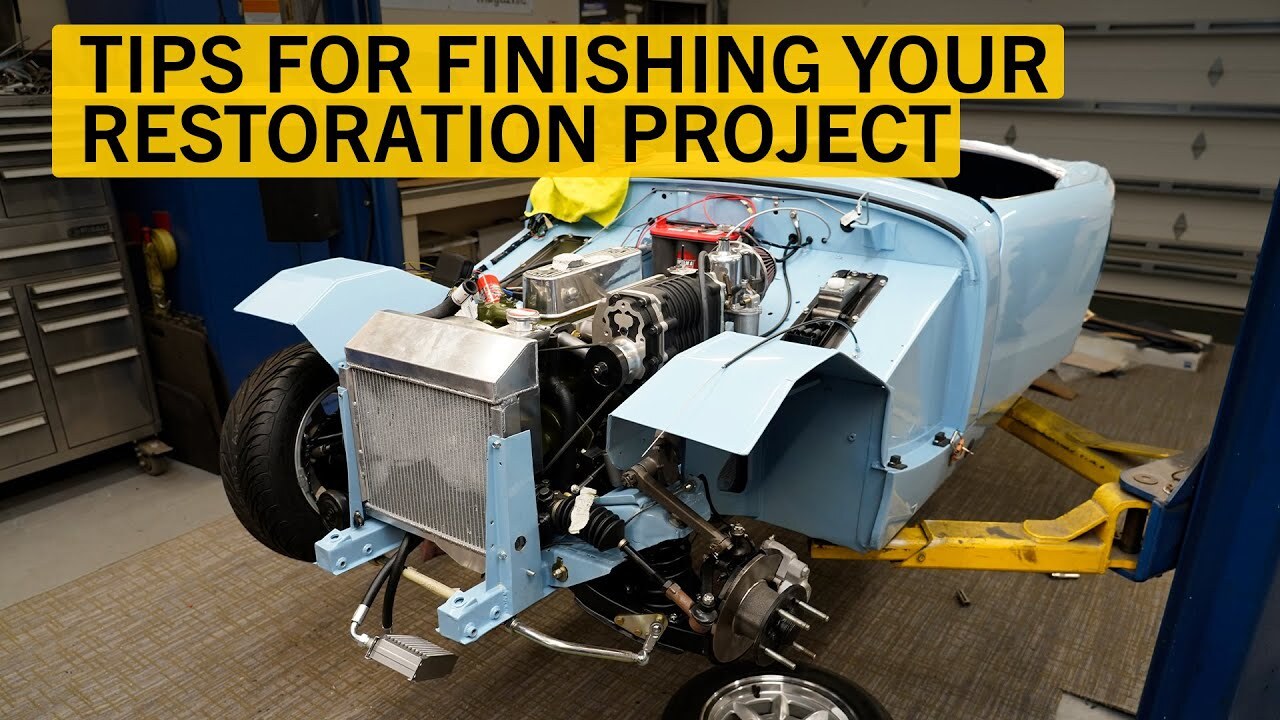
Achieving a show car finish is more than just a thorough wash and wax; it’s a meticulous process rooted in understanding the core principles of paint, surface integrity, and the science of light reflection. A truly exceptional finish commands attention through its depth, clarity, and flawless uniformity, making the vehicle appear as if it were sculpted from liquid metal. This pursuit requires patience, precision, and a commitment to detail that goes beyond the superficial.The foundation of a show car finish lies in its ability to present a smooth, uninterrupted surface that interacts with light in a highly desirable way.
This involves not only the color and gloss but also the absence of imperfections that detract from the overall aesthetic. It’s about creating a visual experience that highlights the car’s design lines and curves with unparalleled brilliance.
Core Principles of Show Car Finishes
The essence of a show car finish is built upon several interconnected principles that ensure its visual impact and longevity. These principles guide every step of the detailing process, from initial assessment to the final application of protective layers.
- Surface Smoothness: A show car finish requires an exceptionally smooth surface. This means eliminating any texture, including orange peel (the bumpy texture characteristic of some factory paint jobs), swirl marks, water spots, and scratches.
- Depth and Clarity: The paint should possess a noticeable depth, allowing light to penetrate and reflect back, creating a three-dimensional effect. Clarity refers to the unblemished transmission of light through the clear coat, revealing the true color and metallic flakes without distortion.
- Uniformity and Consistency: The finish must be uniform across all panels, with consistent color, gloss, and texture. Any variations can break the illusion of a perfect surface.
- Reflectivity: High reflectivity is paramount. A show car finish should mirror its surroundings with sharp, undistorted reflections, indicating a perfectly flat and smooth surface.
- Protection and Longevity: Beyond aesthetics, a show car finish should be durable and protected against environmental contaminants, UV rays, and minor abrasances to maintain its pristine condition over time.
Essential Characteristics of a Superior Paint Job
A superior paint job, the kind that defines a show car, exhibits distinct characteristics that set it apart from standard automotive finishes. These qualities are the tangible results of expert application and meticulous finishing.
- Flawless Clear Coat: The clear coat is the protective and gloss-enhancing layer. A show car finish boasts a thick, even, and perfectly polished clear coat, free from imperfections like fisheyes, solvent pop, or overspray.
- Deep Gloss and Wet Look: The paint should exhibit a deep, rich gloss that often appears “wet,” as if the car has just been sprayed with water. This is achieved through a perfectly flat and smooth surface that allows light to reflect uniformly.
- Absence of Swirls and Scratches: Micro-scratches and swirl marks scatter light, dulling the finish and creating a hazy appearance. A superior paint job is entirely free of these defects, allowing for sharp, clear reflections.
- True Color Saturation: The color appears vibrant and true, with no cloudiness or dullness. Metallic flakes, if present, are evenly distributed and sparkle brilliantly without clumping.
- Perfect Panel Alignment and Gaps: While not strictly paint, the alignment of body panels and the consistency of gaps contribute significantly to the overall perception of quality and precision, which is a hallmark of a show car.
Common Mistakes Beginners Make
Aspiring detailers often encounter pitfalls when first attempting to achieve a show car finish. Understanding these common errors can help prevent wasted effort and potential damage to the paintwork.
- Inadequate Surface Preparation: Rushing the washing and decontamination stages is a primary mistake. This can lead to sanding or polishing over embedded contaminants, creating new scratches.
- Aggressive Polishing Techniques: Using excessive pressure, the wrong pad, or an inappropriate polish can burn through the clear coat, create excessive heat, or induce more defects than they correct.
- Ignoring Paint Depth: Not understanding the thickness of the clear coat and how much material can be safely removed during the correction process can lead to irreparable damage.
- Using Inappropriate Products: Relying on “all-in-one” waxes or polishes that fill rather than correct defects can provide a temporary shine but do not offer a true, long-lasting finish.
- Neglecting Paint Protection: Failing to apply a durable sealant or ceramic coating after achieving a perfect finish leaves the paint vulnerable to immediate damage from environmental elements.
- Improper Washing Techniques: Using abrasive sponges, harsh detergents, or the “two-bucket method” incorrectly can introduce swirl marks and scratches.
Importance of Surface Preparation
Surface preparation is arguably the most critical phase in achieving a show car finish. It lays the groundwork for all subsequent steps, ensuring that correction and protection efforts are effective and long-lasting. Without thorough preparation, even the most skilled polishing and waxing will yield suboptimal results.The initial stages involve thoroughly cleaning the vehicle to remove all loose dirt, grime, and debris.
This is followed by a more intensive decontamination process to lift bonded contaminants that washing alone cannot remove. This ensures that the surface is as chemically and physically clean as possible, allowing detailing products to perform optimally and preventing the introduction of new imperfections.
- Thorough Washing: A multi-step wash process, often involving a pre-rinse, snow foam, and a careful two-bucket wash with pH-neutral soap and high-quality wash mitts, is essential to lift and encapsulate dirt without scratching.
- Decontamination: This stage involves chemical decontamination (using iron removers and tar removers) to dissolve embedded contaminants, followed by mechanical decontamination using a clay bar or clay mitt to physically lift bonded contaminants like industrial fallout, rail dust, and tree sap.
- Drying: Proper drying techniques, such as using plush microfiber drying towels or an air blower, are crucial to prevent water spots and towel-induced scratches.
- Inspection: A detailed inspection under proper lighting (like LED swirl finder lights) is vital to identify all defects such as scratches, swirl marks, oxidation, and other imperfections that need to be addressed.
- Masking: Protecting sensitive trim, rubber seals, and plastic components with painter’s tape prevents them from being stained, damaged, or abraded during the polishing process.
Essential Tools and Products for Show Car Maintenance
Maintaining a show car finish is an art form that requires not only skill but also the right arsenal of tools and products. Investing in quality equipment and detailing supplies is paramount to achieving and preserving that coveted deep shine and flawless appearance. This section will guide you through the essential items you’ll need, from basic cleaning implements to specialized polishing agents, and help you curate a starter kit for your detailing journey.The world of automotive detailing offers a vast array of products and tools, each designed to perform specific tasks to perfection.
Understanding the purpose and quality of each item is key to avoiding damage and achieving professional-level results. We will explore a comprehensive selection to ensure your show car receives the meticulous care it deserves.
Recommended Cleaning and Polishing Tools
The right tools are the foundation of any successful detailing process. They are designed to work efficiently and safely, preventing scratches and swirl marks while maximizing the effectiveness of your cleaning and polishing products.
A well-equipped detailing kit should include the following essential tools:
- Wash Mitts: Opt for high-quality microfiber wash mitts. These are gentle on paintwork and are designed to trap dirt and grit, preventing them from being dragged across the surface. Consider having separate mitts for the upper and lower sections of the vehicle to avoid transferring road grime to cleaner areas.
- Drying Towels: Large, plush microfiber drying towels are crucial for safely absorbing water without scratching. Look for towels with a high GSM (grams per square meter), indicating greater absorbency and softness. Twisted loop microfiber towels are excellent for efficient water wicking.
- Detailing Brushes: A variety of detailing brushes in different sizes and stiffness levels are indispensable for cleaning intricate areas like grilles, emblems, wheel barrels, and interior crevices. Soft-bristled brushes are ideal for delicate surfaces, while stiffer ones can tackle tougher grime.
- Wheel Brushes: Specialized wheel brushes, including soft-bristled options for painted or polished wheels and stiffer brushes for more robust cleaning of alloy or chrome wheels, are necessary. Barrel brushes are designed to reach deep into the wheel to remove brake dust and road film.
- Microfiber Towels: Beyond drying, an ample supply of clean, high-quality microfiber towels is essential for various tasks, including wiping down surfaces, applying and removing products, and buffing. Having different types of weave (e.g., plush, waffle weave) can be beneficial for specific applications.
- Buckets: A two-bucket wash method is highly recommended to prevent dirt from being reintroduced to the paintwork. One bucket should contain your soapy wash solution, and the other should contain clean rinse water for your wash mitt. Grit guards for the bottom of each bucket are a valuable addition to trap dirt.
- Applicator Pads: Foam or microfiber applicator pads are used for applying polishes, waxes, and sealants. Having both firm and soft applicators can be useful depending on the product and the surface.
- Clay Bar Mitt or Towel: For removing embedded contaminants that washing alone cannot eliminate, a clay bar mitt or towel offers a faster and more user-friendly alternative to traditional clay bars, while still achieving excellent decontamination.
- Polishing Machine (Optional but Recommended): For achieving the highest level of finish, a dual-action (DA) polisher is highly recommended. It allows for safe and effective paint correction, removing minor scratches, swirl marks, and oxidation.
Curated Selection of High-Quality Detailing Products
The effectiveness of your tools is amplified by the quality of the products you use. Choosing reputable brands known for their performance and paint-safe formulations is a wise investment.
When selecting detailing products for a show car, prioritize those formulated for superior protection, enhanced gloss, and ease of use. Here are some categories and examples of highly regarded products:
- Shampoos: Look for pH-neutral car shampoos that effectively lift dirt and grime without stripping existing wax or sealant layers. Brands like Chemical Guys, Gtechniq, and Meguiar’s offer excellent options. For example, Chemical Guys Mr. Pink Super Suds Car Wash Soap is known for its high suds and gentle cleaning action.
- Wheel Cleaners: Choose wheel cleaners that are safe for your specific wheel finish (e.g., painted, chrome, polished aluminum). Acid-free wheel cleaners are generally the safest option for all wheel types. Sonax Wheel Cleaner Plus and Gtechniq W5 Citrus All Season Wheel Cleaner are highly effective and safe.
- Tire Dressings: For a deep, long-lasting shine on tires, select water-based or solvent-based tire dressings that offer UV protection to prevent cracking and fading. Water-based options tend to offer a more natural satin finish, while solvent-based can provide a higher gloss. Griot’s Garage Brilliant Black Tire Dressing and CarPro PERL are popular choices.
- Glass Cleaners: Use a dedicated automotive glass cleaner that is ammonia-free to avoid damaging window tint. Look for streak-free formulas. Stoner Invisible Glass and Meguiar’s Perfect Clarity Glass Cleaner are well-regarded.
- Interior Cleaners and Conditioners: For interiors, opt for gentle all-purpose cleaners that are safe for various surfaces (plastic, vinyl, leather) and UV protectants to prevent fading and cracking. Leather cleaners and conditioners should be specifically formulated for automotive leather. Gtechniq I2 Tri-Clean and Lexol Leather Care Kit are excellent examples.
- Detailing Sprays/Quick Detailers: These are perfect for light dust removal between washes and can also be used to enhance gloss and provide a temporary layer of protection. They are also useful for safely removing light fingerprints or smudges. Optimum No Rinse Wash & Shine (diluted for quick detailing) and Griot’s Garage Speed Shine are versatile.
- Clay Bar Alternatives: For a less labor-intensive decontamination process, consider clay bar towels or mitts from brands like Adam’s Polishes or Griot’s Garage. These work with a lubricant spray to lift contaminants from the paint surface.
- Compound and Polish: For paint correction, a range of compounds (for heavy defect removal) and polishes (for lighter defects and refining the finish) are necessary. Brands like Rupes, Meguiar’s, and 3M offer professional-grade products.
Comparison of Waxes and Sealants
Waxes and sealants are crucial for protecting your paintwork and enhancing its gloss. While both serve a similar purpose, they differ in their composition, durability, and aesthetic qualities.
| Feature | Waxes (Natural Carnauba) | Sealants (Synthetic) |
|---|---|---|
| Origin | Derived from the carnauba palm tree. | Man-made polymer-based products. |
| Durability | Generally less durable, lasting 1-3 months depending on environmental factors and wash frequency. | Significantly more durable, often lasting 6-12 months or even longer with proper care. |
| Appearance | Known for producing a warm, deep, wet-looking shine with excellent depth. | Tend to provide a sharper, more reflective, glass-like shine. |
| Ease of Use | Can sometimes be more challenging to apply and remove, especially in warmer temperatures. Some can leave white residue on trim if not applied carefully. | Generally easier to apply and buff off, often with a wider working temperature range. |
| Protection | Offers good protection against UV rays and environmental contaminants, but less robust than sealants against chemical etching. | Provide superior protection against UV rays, chemical etching, bird droppings, and other environmental fallout due to their stronger molecular structure. |
| Examples | Collinite 845 Insulator Wax, Pinnacle Souveran Carnauba Paste Wax, P21S Carnauba Wax. | Chemical Guys JetSeal, Pinnacle Black Diamond Paint Sealant, Meguiar’s Ultimate Liquid Wax. |
Many detailers opt for a layered approach, applying a sealant first for long-lasting protection and then topping it with a carnauba wax for enhanced gloss and a desirable aesthetic. This combination leverages the strengths of both product types.
Starter Kit for Show Car Finish Maintenance
For those new to the world of show car detailing, building a comprehensive kit from scratch can seem daunting. This starter kit focuses on essential, high-quality items that will allow you to begin maintaining your vehicle’s finish effectively.
This starter kit provides a solid foundation for anyone beginning their journey in show car detailing:
- Wash Supplies:
- Two high-quality microfiber wash mitts.
- Two 5-gallon buckets with grit guards.
- A pH-neutral car shampoo (e.g., Chemical Guys Mr. Pink).
- A dedicated wheel cleaner safe for all wheel types (e.g., Sonax Wheel Cleaner Plus).
- A soft-bristled wheel brush and a general detailing brush.
- Drying Supplies:
- Two large, plush microfiber drying towels (e.g., waffle weave or twisted loop).
- Several all-purpose microfiber towels for various wiping tasks.
- Decontamination:
- A clay bar mitt or towel with a suitable lubricant spray (e.g., Adam’s Polishes Clay Towel Kit).
- Protection:
- A durable synthetic sealant (e.g., Pinnacle Black Diamond Paint Sealant) or a high-quality carnauba wax (e.g., Collinite 845).
- Foam applicator pads for wax/sealant application.
- Buffing microfiber towels.
- Glass and Tires:
- An ammonia-free glass cleaner (e.g., Stoner Invisible Glass).
- A tire dressing for a clean, protected finish (e.g., CarPro PERL).
- Interior:
- A gentle interior all-purpose cleaner (e.g., Gtechniq I2 Tri-Clean).
- An interior microfiber towel.
As you gain experience, you can expand your kit with specialized products like polishes, compounds, and a dual-action polisher for paint correction.
The Washing Process: A Gentle Approach
Maintaining a show car finish begins with a meticulous washing process. This critical step, when executed correctly, removes surface contaminants without introducing new imperfections. The goal is to lift dirt and grime away from the paintwork, preserving the gloss and depth of your vehicle’s finish. A gentle approach is paramount to avoid the dreaded swirl marks and fine scratches that can detract from even the most stunning paintwork.The foundation of a scratch-free wash lies in minimizing contact and ensuring that any contact made is with clean, lubricated surfaces.
This involves a deliberate technique that separates the cleaning action from the rinsing action, preventing the transfer of abrasive particles back onto the paint.
Preventing Scratches During Washing
The most common cause of scratches during washing is the reintroduction of dirt and grit that has been lifted from the car’s surface. To combat this, a systematic approach is essential, focusing on a downward motion and working in sections.
- Begin by rinsing the entire vehicle thoroughly with a strong stream of water. This removes loose dirt and debris, acting as a crucial first step in minimizing abrasive contact.
- Work from the top of the vehicle downwards. This ensures that gravity assists in carrying dirt away from previously cleaned areas.
- Use a dedicated wash mitt designed for automotive paint. Avoid sponges, as they can trap grit against the paint surface.
- Wash one panel at a time. After washing a panel, rinse the wash mitt thoroughly before dipping it back into the cleaning solution.
- Continuously rinse the wash mitt and the panel being cleaned to ensure maximum lubrication and to prevent dirt from being dragged across the paint.
The Two-Bucket Method for Swirl Mark Prevention
The two-bucket method is a cornerstone of maintaining a swirl-free finish. It is a simple yet highly effective technique that significantly reduces the risk of inflicting micro-scratches.
The two-bucket method involves one bucket filled with soapy water and another filled with clean rinse water.
This system ensures that the wash mitt is thoroughly rinsed of all dirt and grit before being re-immersed in the shampoo solution. This separation of cleaning and rinsing is vital.
- Fill one bucket with your chosen car shampoo and water, creating a rich, sudsy solution.
- Fill the second bucket with plain, clean water. This is your rinse bucket.
- Dip your wash mitt into the shampoo bucket and gently wash a section of the car.
- Before returning the wash mitt to the shampoo bucket, rinse it thoroughly in the clean water bucket. This removes any dirt or grit that has been picked up from the car’s surface.
- Repeat this process for each section of the car, ensuring the wash mitt is always clean before it touches the paintwork.
- Consider using grit guards at the bottom of both buckets. These specially designed inserts trap dirt at the bottom, further preventing it from being picked up by the wash mitt.
Appropriate Microfiber Towels for Drying and Buffing
The choice of drying and buffing towels is as important as the washing technique itself. Microfiber is the preferred material due to its exceptional absorbency and its soft, non-abrasive nature.
Microfiber towels are designed with thousands of tiny fibers that effectively lift and trap dirt and moisture.
When selecting microfiber towels, consider their pile height and GSM (Grams per Square Meter). Higher GSM generally indicates a denser, more absorbent, and softer towel.
- Drying Towels: Opt for plush, high-GSM microfiber drying towels, often referred to as “waffle weave” or “twisted loop” towels. These are designed to absorb large amounts of water quickly and safely. Their thick pile allows them to glide over the paintwork, minimizing friction.
- Buffing/Detailing Towels: For buffing away residual water, wax, or sealant, use softer, lower-GSM microfiber towels with a short to medium pile. These are ideal for gently lifting product without causing any marring. Ensure they are lint-free.
- Dedicated Towels: It is best practice to have separate towels for drying, buffing, and any other detailing tasks. This prevents cross-contamination and ensures each towel performs optimally for its intended purpose.
- Care of Microfiber: Always wash microfiber towels separately from other laundry, using a dedicated microfiber detergent. Avoid fabric softeners, as they can clog the fibers and reduce their effectiveness. Air drying is often recommended, or tumble dry on a low heat setting.
The Significance of pH-Neutral Car Shampoos
The shampoo used in the washing process plays a crucial role in effectively cleaning the vehicle without stripping protective layers or damaging the paint’s clear coat. pH-neutral car shampoos are specifically formulated to achieve this balance.
A pH-neutral shampoo has a pH level of approximately 7, meaning it is neither acidic nor alkaline.
This neutral pH ensures that the shampoo will effectively lift dirt and grime without reacting aggressively with the paint’s surface.
- Protection of Waxes and Sealants: Many traditional car washes contain harsh detergents that can strip away protective waxes, sealants, and ceramic coatings. pH-neutral shampoos are gentle and will not degrade these protective layers, preserving their longevity and effectiveness.
- Paint Safety: Acidic or alkaline cleaners can etch into the clear coat, causing dullness and making the paint more susceptible to damage. pH-neutral shampoos are formulated to be safe for all automotive paint finishes, including clear coats and single-stage paints.
- Effective Cleaning Power: Despite their gentle nature, pH-neutral shampoos are formulated with advanced surfactants that effectively emulsify dirt, oil, and road grime, allowing them to be easily rinsed away.
- Biodegradability: Many high-quality pH-neutral shampoos are also biodegradable, making them an environmentally conscious choice for vehicle maintenance.
Decontamination and Clay Bar Treatment
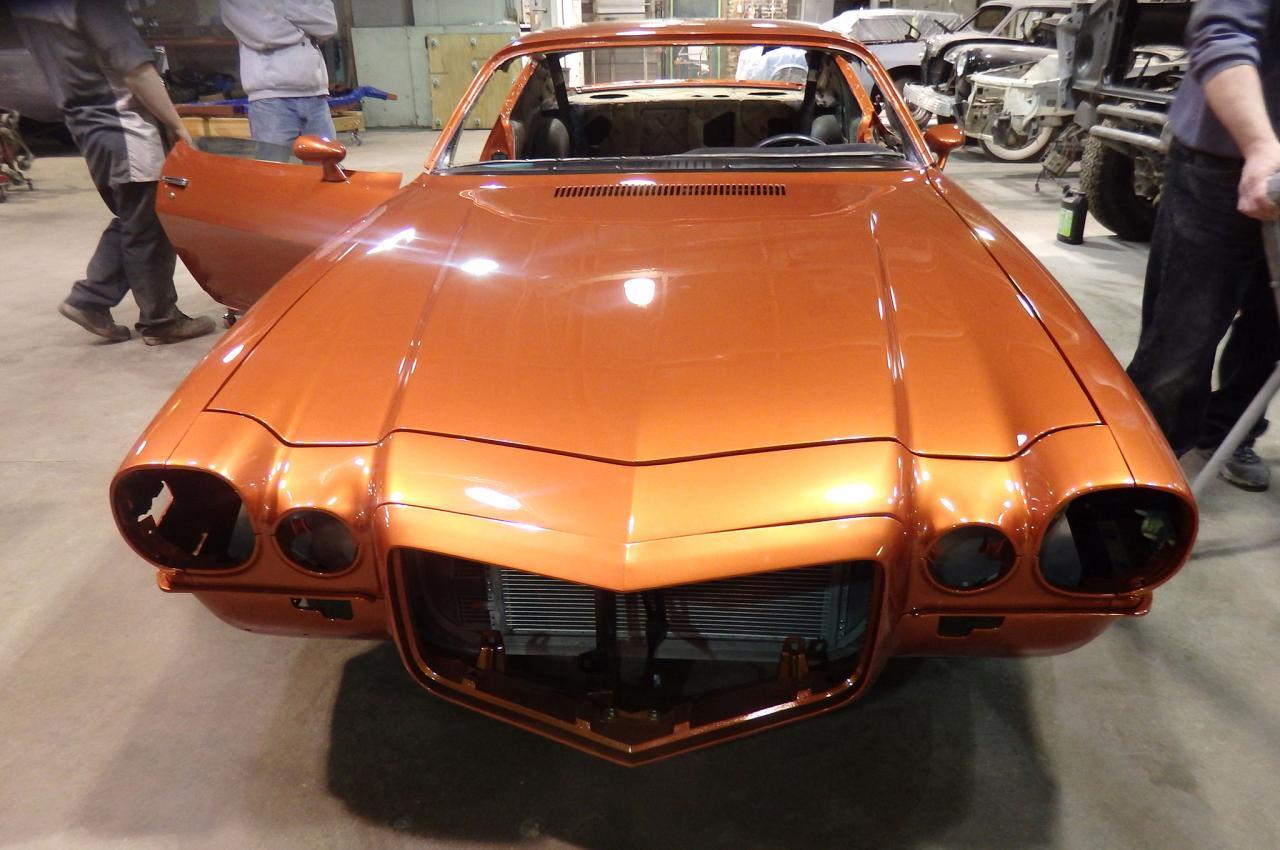
Even after a thorough wash, your show car’s paint surface can still harbor microscopic contaminants that are invisible to the naked eye. These embedded particles, if left untreated, can dull the finish, create a rough texture, and prevent polishing compounds and sealants from bonding effectively. Paint decontamination is a crucial step to ensure a truly flawless surface, preparing it for the subsequent stages of detailing.The process of paint decontamination involves removing these bonded contaminants from the paintwork.
While chemical decontamination methods exist, the most common and effective physical method for removing embedded impurities is using a clay bar or a clay mitt. This process lifts and traps the foreign particles, leaving the paint surface smooth and pristine.
The Process of Using a Clay Bar or Clay Mitt
Utilizing a clay bar or clay mitt is a meticulous yet rewarding process that significantly enhances the paint’s smoothness and clarity. It involves gently gliding the clay medium over the lubricated paint surface, allowing it to capture and encapsulate any bonded contaminants. This careful application is key to avoiding any marring of the paintwork.The general procedure involves working on small sections of the vehicle at a time.
- Start by thoroughly spraying a generous amount of clay lubricant onto a small section of the paint.
- Gently glide the clay bar or mitt over the lubricated surface using light, straight-line motions. Avoid excessive pressure.
- As the clay begins to pick up contaminants, it will feel grittier. Fold or knead the clay to expose a clean surface. If the clay becomes heavily soiled or drops on the ground, discard it immediately to prevent scratching the paint.
- Wipe away any excess lubricant with a clean microfiber towel.
- Repeat this process for the entire vehicle, including glass and painted trim.
Best Practices for Lubricating the Surface During Clay Bar Application
Proper lubrication is paramount to a successful and safe clay bar treatment. The lubricant acts as a barrier between the clay and the paint, allowing the clay to glide smoothly and preventing it from sticking or creating scratches. Insufficient lubrication is a primary cause of marring during this process.When lubricating the surface, consider these best practices:
- Always use a dedicated clay lubricant. Water alone is not sufficient and can lead to increased friction.
- Apply the lubricant liberally to the section you are working on. The surface should remain visibly wet throughout the claying process.
- Reapply lubricant frequently, especially if the clay starts to feel sticky or resistant.
- Ensure the lubricant is evenly distributed to cover the entire area you intend to clay.
Common Contaminants That Can Mar a Show Car Finish
A show car’s finish is susceptible to a variety of airborne and environmental contaminants that can adhere to the paint surface over time. Identifying these can help you understand why decontamination is so vital.Common contaminants that can mar a show car finish include:
- Industrial Fallout: Tiny metallic particles from industrial processes that can embed themselves into the paint, often appearing as small orange or brown specks.
- Rail Dust: Similar to industrial fallout, these are small iron particles that can settle on the paint, especially from train tracks.
- Tree Sap and Bug Residue: Sticky organic matter that hardens on the paint, attracting dirt and potentially etching the clear coat if left for extended periods.
- Overspray: Paint particles from nearby painting projects that can settle on your vehicle’s surface.
- Road Tar: Black, sticky spots that accumulate from road surfaces, particularly in warmer weather.
- Brake Dust: Fine metallic particles from brake pads that can adhere to the paint, especially on wheels and lower body panels.
These contaminants, while often microscopic, create a rough texture and reduce the gloss and depth of your car’s paint.
Polishing Techniques for Depth and Shine
Polishing is the critical step that transforms a clean and decontaminated surface into one with exceptional depth, clarity, and shine. It involves removing microscopic imperfections from the paint’s clear coat, such as swirl marks, light scratches, oxidation, and water spots. This process refines the surface, allowing light to reflect more uniformly, which is the key to achieving that coveted show car finish.
Understanding the nuances of polishing, from the tools and products used to the techniques employed, is paramount for success.The distinction between machine polishing and hand polishing lies primarily in efficiency, effectiveness, and the potential for correction. Machine polishing, utilizing dual-action (DA) or rotary polishers, offers a significantly faster and more aggressive approach to paint correction. DA polishers are generally safer for beginners as their random orbital action reduces the risk of burning through the paint.
Rotary polishers, while more powerful and capable of faster defect removal, require more skill and experience to avoid paint damage. Hand polishing, on the other hand, is a much slower and labor-intensive process. It is suitable for very minor imperfections or for applying glazes and waxes, but it lacks the cutting power necessary for significant paint correction. For a true show car finish, machine polishing is almost always the preferred method.
Types of Polishing Pads and Compounds for Various Paint Imperfections
The effectiveness of polishing is heavily dependent on the synergy between the polishing pad and the compound. Different levels of abrasion are required to address specific paint defects, and choosing the right combination ensures optimal results without unnecessary damage.The selection of polishing pads is based on their aggressiveness, which is determined by their material and density.
- Wool Pads: Typically the most aggressive, used for heavy compounding and initial paint correction to remove deeper scratches and oxidation.
- Foam Pads: Available in a range of densities and cutting abilities.
- Cutting Pads (Aggressive Foam): Designed for removing moderate to heavy defects.
- Polishing Pads (Medium Foam): Used for removing lighter swirls and scratches after compounding, or for polishing with less aggressive compounds.
- Finishing Pads (Soft Foam): The least abrasive, ideal for applying polishes, glazes, or sealants to achieve maximum gloss and clarity.
Polishing compounds and polishes are formulated with varying levels of abrasives to tackle different paint imperfections.
- Compounds: These contain coarser abrasives and are used for heavy defect removal. They are typically followed by a less aggressive polish to refine the finish.
- Polishes: Contain finer abrasives and are used to remove lighter swirls, holograms (buffer trails), and to enhance gloss after compounding.
- Finishing Polishes/Glazes: Contain very fine abrasives or fillers to create a deep shine and fill minor imperfections, often used as a final step.
It is crucial to perform a test spot in an inconspicuous area to determine the most effective pad and product combination for your specific paint condition.
Step-by-Step Guide to Machine Polishing a Car’s Surface
Machine polishing requires a systematic approach to ensure consistent and effective paint correction. Following these steps will help you achieve a flawless finish.Begin by ensuring the vehicle is thoroughly washed and decontaminated, as previously discussed.
- Prepare Your Workspace: Work in a well-lit, temperature-controlled environment, ideally out of direct sunlight.
- Masking: Protect trim, rubber seals, and any sensitive areas with painter’s tape to prevent damage from the polisher and compounds.
- Select Your Pad and Product: Based on your test spot, choose the appropriate polishing pad and compound or polish.
- Apply Product to Pad: Apply a small amount of product (pea-sized dots) to the face of the polishing pad.
- Spread Product: Place the pad flat on a small section of the paint (approximately 2×2 feet) and spread the product evenly with the polisher turned off or at a very low speed.
- Begin Polishing: Set the polisher to the recommended speed for your chosen product and pad.
- Work the Section: Move the polisher in a slow, overlapping pattern, typically with 4-6 passes per section, applying light to moderate pressure. Overlap each pass by about 50%.
- Wipe Off Residue: Immediately after completing a section, wipe away the residue with a clean, soft microfiber towel.
- Inspect: Inspect the polished area under proper lighting to assess defect removal and clarity.
- Repeat: Move to the next section and repeat the process until the entire vehicle is polished.
- Final Polish (if necessary): If compounding was performed, follow up with a less aggressive polish and a finishing pad to refine the paint and maximize gloss.
- Final Wipe Down: After all polishing is complete, perform a final wipe down with a panel wipe or isopropyl alcohol solution to remove any remaining polishing oils, revealing the true finish.
Importance of Proper Lighting When Inspecting Paint During the Polishing Stage
Adequate lighting is not merely a convenience during the polishing process; it is an absolute necessity for achieving professional results. Without the right illumination, it is impossible to accurately assess the paint’s condition, identify remaining defects, or confirm that imperfections have been successfully removed.Proper lighting allows for the clear visualization of microscopic imperfections.
“The human eye can only detect what it can see, and under poor lighting, many swirl marks and scratches remain hidden, leading to a compromised finish.”
Here’s why proper lighting is so crucial:
- Defect Identification: A strong, directional light source, such as an LED inspection light or a halogen work light, can highlight swirl marks, deep scratches, holograms, and other paint defects that are invisible under ambient light.
- Assessing Correction Progress: During polishing, you need to see if the current pad and product combination is effectively removing the targeted defects. Proper lighting allows you to make informed decisions about continuing with the same setup or switching to a more aggressive or less aggressive approach.
- Confirming Hologram Removal: Rotary polishers, in particular, can leave behind holograms (circular buffer trails). Intense lighting is essential for spotting these and ensuring they are removed with a subsequent polishing step.
- Achieving Uniformity: Proper lighting helps ensure that you are polishing consistently across the entire panel, avoiding missed spots or areas that have been over-worked.
- Final Inspection: Before moving to the next step, such as applying a sealant or wax, proper lighting is vital for a final inspection to confirm the paint is as flawless as possible.
Specialized detailing lights, often with adjustable color temperatures and intensities, are invaluable tools for this stage. They are designed to cast a uniform light across the surface, revealing even the most subtle imperfections.
Protection: Waxes, Sealants, and Coatings
Having meticulously washed, decontaminated, and polished your show car, the final and crucial step is to apply a protective layer. This layer acts as a shield against the elements, environmental contaminants, and the harsh realities of daily exposure, ensuring your hard-earned shine is preserved. The right protection not only safeguards your paintwork but also enhances its depth and gloss, making your show car truly stand out.The primary role of waxes, sealants, and ceramic coatings is to provide a sacrificial barrier between your car’s clear coat and the outside world.
This barrier is designed to absorb or deflect contaminants, UV rays, and minor abrasions, preventing them from reaching and damaging the delicate paint surface. Each type of protection offers a different balance of longevity, durability, ease of application, and aesthetic enhancement.
Longevity and Durability of Protection Methods
The lifespan of a protective layer on your vehicle’s paintwork varies significantly depending on the type of product used, environmental conditions, washing frequency, and the quality of the initial application. Understanding these differences is key to selecting the most appropriate protection for your show car and managing your maintenance schedule effectively.
- Carnauba Waxes: These are derived from the leaves of the Brazilian carnauba palm. They are renowned for their ability to impart a deep, warm glow and excellent slickness. However, carnauba waxes generally offer the shortest durability, typically lasting from a few weeks to a couple of months, especially under harsh conditions.
- Synthetic Paint Sealants: These are polymer-based products that bond chemically to the paint surface. Sealants offer significantly longer durability than natural waxes, often lasting from 4 to 6 months, and in some cases, up to a year with proper care. They tend to provide a sharper, more reflective shine compared to the warm glow of carnauba.
- Ceramic Coatings (SiO2-based): These are advanced protective layers that form a hard, semi-permanent bond with the clear coat, creating a durable, hydrophobic barrier. Ceramic coatings offer the longest longevity, with professionally applied coatings lasting from 1 to 5 years or even longer. They provide exceptional chemical resistance, UV protection, and a high level of gloss and water-repellency.
Application Process for High-Quality Carnauba Wax
Applying a high-quality carnauba wax is a rewarding process that can dramatically enhance the visual appeal and protection of your show car. The key is to work in a cool, shaded environment and to apply the wax thinly and evenly.
- Preparation: Ensure the vehicle is thoroughly washed, dried, and free of any contaminants. The paint surface should be smooth and cool to the touch.
- Product Application: Apply a small amount of wax to a clean, foam or microfiber applicator pad. Work the wax into the pad to ensure even distribution.
- Application Technique: Apply the wax to the paintwork in thin, overlapping strokes, covering one panel at a time. A circular motion is generally not recommended; instead, use a back-and-forth or crosshatch pattern to ensure complete coverage without applying too much product.
- Curing Time: Allow the wax to haze over for the manufacturer’s recommended time, typically 5-15 minutes. Avoid letting the wax dry completely to a powdery state.
- Buffing: Using a clean, plush microfiber towel, gently buff off the hazy wax residue. Fold the towel frequently to expose a clean surface, preventing the transfer of dried wax back onto the paint. Work in small sections to ensure all residue is removed.
- Layering (Optional): For added depth and protection, a second thin coat of wax can be applied after the first coat has been buffed off, following the same process.
Tips for Applying a Synthetic Paint Sealant for Extended Protection
Synthetic paint sealants offer a robust and long-lasting shield for your show car’s finish. Their application is similar to wax, but attention to detail can maximize their protective capabilities and aesthetic benefits.
- Surface Preparation is Paramount: A perfectly clean and decontaminated surface is essential for optimal bonding. Ensure all polishing oils from previous steps are removed. IPA (Isopropyl Alcohol) or a dedicated paint prep spray is highly recommended to strip any residual oils or waxes that could hinder sealant adhesion.
- Apply Thinly: Sealants, like waxes, perform best when applied in thin, even coats. Over-application will not increase durability and will make buffing significantly more difficult. Use a foam applicator and apply in a consistent pattern, such as front-to-back or side-to-side.
- Work in Small Sections: Apply the sealant to one panel or a section of a panel at a time. This prevents the sealant from drying too quickly, which can lead to streaking and difficult removal.
- Follow Manufacturer’s Cure Times: Different sealants have varying cure times before they can be buffed off. Adhering to these times ensures the product has properly bonded to the paint. Some sealants may require a longer curing period, especially in humid conditions.
- Buff with High-Quality Microfiber: Use soft, plush microfiber towels for buffing. Start with a towel to remove the bulk of the residue and finish with a second, clean towel to achieve a streak-free shine.
- Avoid Water Exposure During Curing: If the sealant requires a specific curing period before its hydrophobic properties fully activate, avoid washing the vehicle or exposing it to significant moisture during this time.
Maintenance Schedule for Reapplying Protective Layers
A consistent maintenance schedule is vital for preserving the show car finish and ensuring the protective layers are always performing optimally. The frequency of reapplication will depend on the type of protection used and environmental factors.
| Protection Type | Typical Reapplication Interval | Factors Influencing Frequency |
|---|---|---|
| Carnauba Wax | Every 1-3 months | Frequent washing, harsh weather, direct sunlight exposure, road salt. |
| Synthetic Paint Sealant | Every 4-9 months | Washing frequency and technique, exposure to chemicals (e.g., bird droppings, bug splatter), UV intensity. |
| Ceramic Coating | Every 1-5+ years (depending on product and professional application) | Washing frequency, use of harsh chemicals, physical abrasion, manufacturer’s warranty. Touch-up sprays or boosters may be used more frequently. |
Regular washing with pH-neutral shampoos and proper drying techniques will help extend the life of any protective layer. For ceramic coatings, periodic application of a ceramic booster spray can help maintain and enhance the hydrophobic properties between full reapplication cycles.
Interior Detailing for a Complete Show Car Experience
While the exterior gleam of a show car is often the first impression, a truly immaculate vehicle extends its perfection to the interior. Maintaining the inside of your car to the same high standard as the outside is crucial for a complete show car experience. A clean, well-maintained interior not only enhances the aesthetic appeal but also preserves the longevity and value of your vehicle’s components.
This section will guide you through the essential steps to achieve a show-worthy interior.The interior of your vehicle is exposed to a unique set of challenges, from dust and debris to spills and UV damage. Addressing these requires a tailored approach for each material. Understanding the composition of your interior surfaces is the first step to effective cleaning and protection.
Cleaning Methods for Different Interior Surfaces
Each material within your car’s interior demands specific cleaning techniques to avoid damage and achieve optimal results. Using the wrong product or method can lead to discoloration, cracking, or premature wear. Therefore, a diversified approach is necessary.
- Leather: Leather requires gentle cleaning to remove dirt and oils without stripping its natural moisture. Specialized leather cleaners are designed to break down grime while being pH-balanced for leather. Always test any cleaner in an inconspicuous area first. For general cleaning, apply the cleaner to a microfiber applicator pad or soft brush, then gently work it into the leather surface in small sections.
Wipe away residue with a clean, damp microfiber towel. Avoid excessive scrubbing or harsh chemicals.
- Fabric: Fabric interiors, including carpets and upholstery, can accumulate dust, dirt, and stains. A good quality interior cleaner or fabric cleaner is essential. For light cleaning, a spray bottle with diluted interior cleaner and a microfiber towel can be effective. For deeper cleaning or stubborn stains, an upholstery extractor or a dedicated fabric cleaner with a soft brush can be used.
Agitate the cleaner gently, then blot the area with a clean microfiber towel to lift dirt and moisture. Ensure adequate ventilation for drying.
- Plastic and Vinyl: These surfaces are common throughout a car’s interior, from the dashboard to door panels. They are susceptible to fading and cracking from UV exposure. A dedicated interior cleaner or an all-purpose cleaner formulated for automotive interiors is suitable. Apply the cleaner to a microfiber towel rather than directly to the surface to prevent overspray onto electronics or glass. Gently wipe down the surfaces, paying attention to crevices with a soft detailing brush or cotton swabs.
Interior Protectants and Conditioners
Once cleaned, interior surfaces require protection to maintain their appearance and prevent degradation. Protectants offer UV resistance and a subtle sheen, while conditioners are vital for materials like leather to keep them supple and prevent cracking.
Protectants guard against the damaging effects of UV rays, which can cause fading and brittleness in plastics, vinyl, and leather.
Recommendations for protectants and conditioners include:
- Leather Conditioners: Look for conditioners that are specifically designed for automotive leather. These products often contain natural oils and emollients that replenish moisture, keeping the leather soft and preventing it from drying out and cracking. Apply a small amount to a microfiber applicator and gently work it into the leather. Allow it to penetrate for a few minutes before buffing off any excess with a clean microfiber towel.
- Interior Protectants (for Plastic/Vinyl): Many reputable brands offer interior protectants that provide UV blocking properties and a non-greasy, satin finish. Some are water-based, while others are solvent-based, offering varying levels of durability and shine. Choose a product that complements your desired interior look – avoid overly glossy products that can cause glare. Apply sparingly with a microfiber applicator and wipe off any excess.
- Fabric Protectants: While less common for a show car finish, fabric protectants can offer stain resistance. However, for a show car, the focus is often on immaculate cleanliness rather than added coatings on fabric. If used, ensure they do not alter the fabric’s texture or color.
Deep Cleaning and Conditioning Leather Seats
Leather seats are a premium feature that significantly contributes to a car’s interior appeal. A thorough deep cleaning and conditioning process will restore their suppleness and rich appearance.The procedure for deep cleaning and conditioning leather seats involves several key steps:
- Initial Vacuuming: Thoroughly vacuum all crevices, seams, and under the seats to remove loose dirt and debris. Use a soft brush attachment to avoid scratching the leather.
- Pre-treatment (if necessary): For heavily soiled areas or ingrained dirt, a dedicated leather pre-treatment cleaner can be used. Apply sparingly and follow the product instructions.
- Leather Cleaning: Apply a pH-neutral leather cleaner to a soft detailing brush or a microfiber applicator pad. Work the cleaner into the leather in small sections, using gentle circular motions. Avoid saturating the leather.
- Wiping Away Residue: Immediately after cleaning a section, wipe away the cleaner and lifted dirt with a clean, damp microfiber towel. Rinse the towel frequently.
- Drying: Allow the leather to air dry completely. Ensure good ventilation in the car, perhaps by leaving doors or windows open in a safe location.
- Leather Conditioning: Once the leather is completely dry, apply a high-quality leather conditioner. Dispense a small amount onto a microfiber applicator pad. Gently massage the conditioner into the leather, working it into the surface in a thin, even layer.
- Allowing Penetration: Let the conditioner penetrate the leather for the time recommended by the product manufacturer, typically 15-30 minutes. This allows the oils and emollients to absorb.
- Buffing: After the penetration time, use a clean, dry microfiber towel to gently buff away any excess conditioner. This will reveal a soft sheen and a smooth finish.
By diligently attending to your car’s interior, you ensure that every aspect of your vehicle reflects the dedication and care you’ve invested in its show car finish.
Wheel and Tire Care for a Polished Presentation
Wheels and tires are the foundation of a show car’s aesthetic. Their cleanliness and meticulous upkeep are crucial for a truly polished presentation, drawing attention to the vehicle’s overall design and performance. Neglecting these areas can detract significantly from even the most immaculate paintwork.The right approach to wheel and tire care involves understanding the unique materials they are made from and employing specialized products and techniques to maintain their integrity and appearance.
This section will guide you through achieving that deep, lustrous finish that complements your show car’s exterior.
Specialized Cleaners for Diverse Wheel Finishes
Different wheel finishes require distinct cleaning agents to ensure effective grime removal without causing damage. Using the wrong product can lead to etching, discoloration, or dullness. Understanding the specific needs of your wheels is paramount.
- Chrome Wheels: These highly reflective surfaces demand non-acidic, pH-neutral cleaners. Harsh chemicals can cause pitting and corrosion. Look for dedicated chrome wheel cleaners that are specifically formulated to be gentle yet effective at lifting brake dust and road film.
- Painted Wheels: Painted finishes, often found on factory wheels or custom painted options, are susceptible to damage from aggressive solvents. Mild, automotive-grade wheel cleaners are ideal. These cleaners should be capable of breaking down brake dust and road grime without stripping the paint or clear coat.
- Alloy Wheels: Most alloy wheels are clear-coated for protection. Similar to painted wheels, they benefit from pH-neutral cleaners. For bare or polished aluminum, specialized aluminum cleaners might be necessary, but always test in an inconspicuous area first, as these can be more aggressive.
Achieving a Deep Black Tire Appearance
Tires are often overlooked, but their rich, black finish can significantly enhance a vehicle’s stance and overall visual appeal. A clean tire surface, free from browning and dust, paired with a quality dressing, creates a sharp contrast that complements the wheels.The process begins with thorough cleaning to remove any old tire dressing, dirt, and road grime. After cleaning, a water-based or solvent-based tire dressing can be applied.
Water-based dressings typically offer a more natural, satin finish and are less likely to sling onto the paintwork. Solvent-based dressings often provide a higher gloss and a more durable finish, but require careful application to avoid overspray.
Effective Brake Dust Removal Techniques
Brake dust is a common and persistent adversary for wheel cleanliness. Its abrasive nature can etch into wheel surfaces if left untreated for too long. Effective removal requires specific products and careful technique.
- pH-Neutral Wheel Cleaners: As mentioned, these are the first line of defense. Spray liberally onto the wheel, allow it to dwell for the manufacturer’s recommended time, and then agitate with a wheel brush.
- Iron Removers: For stubborn, embedded brake dust that has begun to oxidize, an iron remover is invaluable. These products react with iron particles, turning purple as they dissolve the contaminants. They are generally safe for most wheel finishes when used according to instructions.
- Gentle Agitation: Always use soft-bristled wheel brushes or mitts. Avoid stiff brushes that can scratch the wheel finish.
- Rinsing: Thoroughly rinse the wheels with a strong stream of water to wash away loosened contaminants.
“Brake dust is best tackled proactively and with the right chemical assistance.”
Tools for Intricate Wheel Spoke Cleaning
The complex designs of modern wheels, with their intricate spokes and hidden crevices, demand specialized tools to ensure every inch is cleaned effectively. Standard wash mitts often cannot reach these areas.
- Wheel Spoke Brushes: These brushes are designed with long, flexible handles and soft bristles to navigate between spokes and reach deep into the barrel of the wheel. They come in various sizes and shapes to accommodate different wheel designs.
- Detailing Brushes: Smaller, more detailed brushes are excellent for cleaning lug nut areas, valve stems, and any other tight spots that larger brushes cannot access.
- Wheel Woolies: These microfiber or wool-covered tools are incredibly gentle and effective at lifting dirt and grime from delicate wheel surfaces without scratching.
- Microfiber Towels: High-quality, plush microfiber towels are essential for drying and for gently wiping down areas after cleaning.
Maintaining the Finish Between Shows
Keeping your show car’s finish pristine between events is crucial for maintaining its visual impact and protecting your investment. This involves a proactive approach to quick touch-ups, addressing minor imperfections as they arise, and ensuring the car is protected during transit. A consistent routine will prevent small issues from becoming larger problems and ensure your vehicle always presents its best.
Routine Touch-Ups and Spot Cleaning
Establishing a regular schedule for quick detailing before attending shows is essential. This allows you to catch and correct any minor dust, fingerprints, or smudges that may have accumulated since the last deep clean. These brief interventions significantly contribute to the overall immaculate appearance of your vehicle on show day.A pre-show routine can be as simple as a walk-around with a high-quality microfiber towel and a suitable quick detailer.
Focus on areas most likely to attract attention, such as the hood, roof, and side panels. For more stubborn spots, a dedicated spot cleaner can be employed.
Quick Detail Sprays and Their Benefits
Quick detail sprays are invaluable tools for maintaining a show car’s finish between detailed cleaning sessions. These products are designed to safely lift light dust, fingerprints, and smudges without scratching the paintwork. They also often contain lubricants to aid in the removal of contaminants and can add a layer of gloss, enhancing the paint’s depth and shine.The benefits of using quick detail sprays include:
- Rapid removal of light dust and grime.
- Safe for use on paint, glass, and trim.
- Enhances gloss and slickness of the paint surface.
- Convenient for on-the-go touch-ups.
- Helps to maintain a freshly detailed look.
Safely Removing Water Spots and Bird Droppings
Water spots and bird droppings are common adversaries to a flawless finish, and their prompt and safe removal is paramount. Leaving these contaminants on the paintwork for extended periods can lead to etching, which may require more intensive correction methods.For water spots, a dedicated water spot remover or a pH-neutral quick detailer can be effective. Spray the product generously onto the affected area, allow it to dwell for a moment as per the manufacturer’s instructions, and then gently wipe away with a clean, plush microfiber towel.
Always work from the outside of the spot inwards to avoid spreading any mineral deposits.Bird droppings are acidic and can quickly damage clear coats. It is crucial to tackle these immediately. Gently moisten the droppings with a damp microfiber towel or a quick detail spray to soften them. Then, carefully lift the softened droppings away with a clean section of the towel.
Avoid rubbing, as this can grind the droppings into the paint. After removal, it is advisable to clean the area with a pH-neutral car wash soap and water to neutralize any residual acidity.
Protecting the Car During Transport
Transporting your show car to and from events requires careful consideration to protect its meticulously maintained finish. Unforeseen elements like road debris, dust, and weather can quickly mar the paintwork.Strategies for protecting your car during transport include:
- Using a Car Cover: A high-quality, breathable car cover is an excellent first line of defense against dust and light debris. Ensure the cover is clean before application to avoid scratching the paint.
- Enclosed Trailer: For maximum protection, an enclosed trailer is the ideal solution. This shields the vehicle from road spray, airborne contaminants, and weather conditions.
- Paint Protection Film (PPF): Consider applying PPF to high-impact areas such as the front bumper, hood, and mirrors. This clear, durable film acts as a sacrificial layer against stone chips and scratches.
- Secure Tie-Downs: If using a trailer, ensure the car is securely tied down using soft straps that do not come into direct contact with the paint. Utilize wheel straps or frame hooks where appropriate.
- Pre-Transport Wash: A thorough wash and wax or sealant application before transport will provide an extra layer of protection against the elements.
Advanced Techniques and Considerations
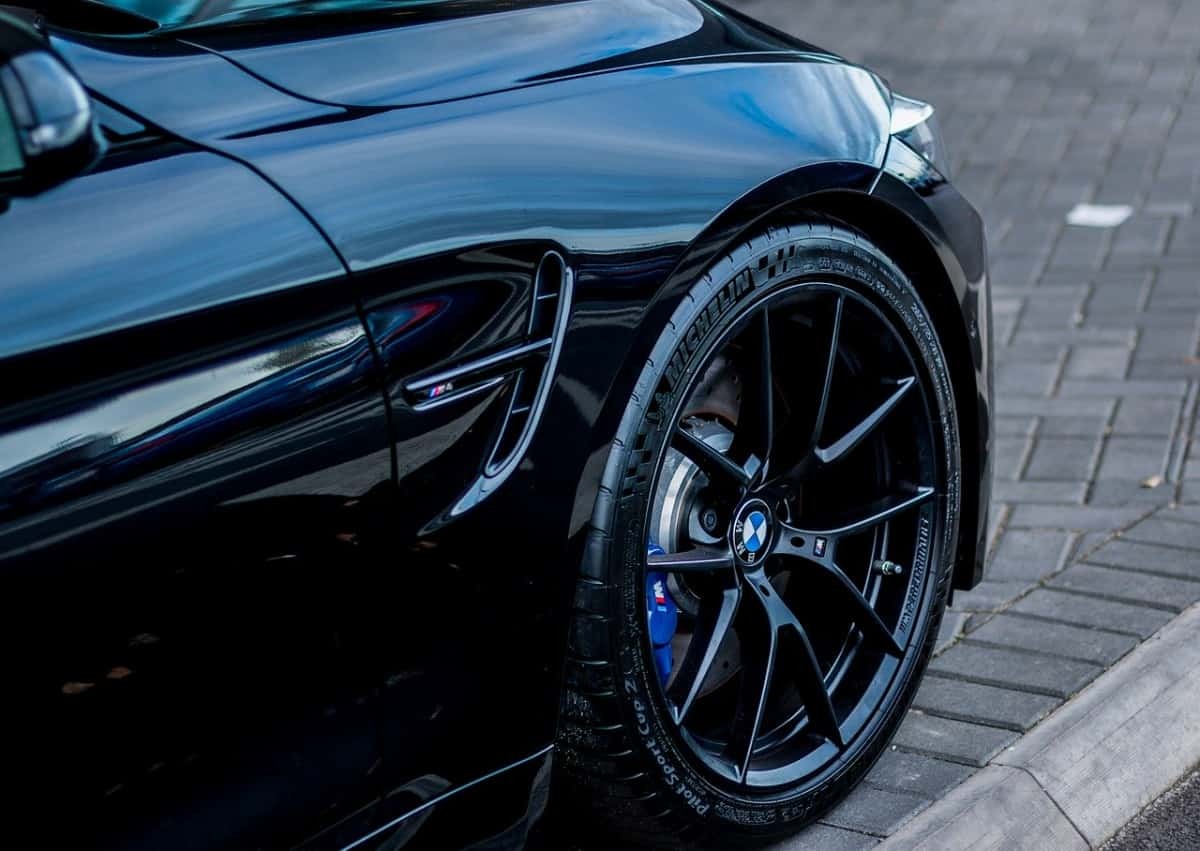
Having mastered the fundamental steps of show car maintenance, it’s time to delve into the more nuanced techniques that elevate a finish from excellent to truly exceptional. These advanced methods focus on maximizing gloss, achieving unparalleled clarity, and ensuring the longevity of your hard work, even between show events. Precision and attention to detail become paramount as we explore the finer points of paint correction and preservation.The pursuit of an ultimate show car finish often involves going beyond basic polishing.
Paint enhancement is a critical step that refines the paint surface to an almost molecular level, coaxing out the deepest possible gloss and reflectivity. This involves a deeper understanding of paint composition and the interaction of light with the surface.
Paint Enhancement for Extreme Gloss
Achieving extreme gloss involves meticulously refining the paint surface to eliminate even the faintest imperfections that scatter light. This process goes beyond removing visible defects; it aims to create a smoother, more uniform surface that reflects light with maximum intensity and clarity. The goal is to make the paint appear as if it’s a liquid layer, rather than a solid surface.Paint enhancement techniques typically involve using highly refined polishing compounds and pads specifically designed for this purpose.
These products are often finer than those used for standard defect removal and are applied with specialized machines or by hand with extreme care. The process is iterative, with multiple passes often required to achieve the desired depth of shine.
- Ultra-Fine Polishing Compounds: These compounds contain diminishing abrasives that break down to extremely fine particles during the polishing process, creating a highly polished surface.
- Specialized Polishing Pads: Foam or microfiber pads with very fine cell structures are used to complement the ultra-fine compounds, ensuring a gentle yet effective polishing action.
- Controlled Machine Speed and Pressure: Maintaining consistent, low machine speeds and light pressure is crucial to avoid generating heat and to allow the abrasives to work effectively without causing further marring.
- Layering of Products: In some cases, a layering approach of different polishing stages might be employed, starting with a slightly more aggressive (but still fine) polish and progressing to the finest possible polish to build up gloss.
Panel-by-Panel Detailing for Precision
The concept of panel-by-panel detailing is a strategic approach that ensures each section of the vehicle receives focused attention. Instead of working on the entire car at once, this method involves completing all necessary detailing steps on one panel before moving to the next. This meticulous process guarantees that no area is overlooked and allows for a higher degree of control and consistency in the application of products and techniques.This methodical approach is particularly beneficial when performing complex tasks like paint correction or applying fine polishes.
It allows the detailer to assess the results of each step on a smaller scale, making adjustments as needed before moving forward. This prevents issues from compounding across larger areas and ensures a uniformly excellent finish across the entire vehicle.
Identifying and Correcting Minor Paint Defects
Even with careful maintenance, minor paint defects can emerge. Understanding how to identify and correct these subtle imperfections is key to maintaining a show-worthy finish. Common issues include holograms, which are faint circular or swirling patterns left by improper polishing, and light marring that can dull the paint’s clarity.The correction of these defects often requires a more refined approach than initial paint correction.
It might involve a re-evaluation of the polishing process, potentially using finer polishes, different pads, or adjusting machine speed and pressure. The goal is to remove the defect without introducing new ones.
- Holograms: These are typically caused by excessive heat or the wrong combination of polish and pad during a previous polishing attempt. Correction involves using a very fine finishing polish with a soft, finishing pad at a low machine speed.
- Light Marring: This can appear as fine scratches or dullness. A light finishing polish, often applied by hand or with a machine, can effectively remove these superficial marks and restore clarity.
- Water Spots: While often addressed during washing, stubborn water spots that have etched into the paint may require a very light abrasive polish to level the surface.
- Dullness in Clear Coat: Over time, the clear coat can lose some of its initial vibrancy. A dedicated clear coat polish or a final finishing polish can help to bring back that deep, wet look.
Proper Storage to Preserve a Show Car Finish
The environment in which a show car is stored plays a critical role in preserving its pristine finish. Exposure to the elements, dust, and temperature fluctuations can all degrade the paintwork and protective layers over time. Implementing proper storage practices is as important as the detailing itself.The ideal storage solution involves a controlled environment that minimizes exposure to contaminants and environmental stress.
This not only keeps the car cleaner but also helps to maintain the integrity of waxes, sealants, and ceramic coatings, extending their lifespan and protective capabilities.
- Climate-Controlled Garage: A garage that maintains a consistent temperature and humidity level is ideal. This prevents extreme expansion and contraction of materials and reduces the risk of condensation.
- Dust Protection: Using a breathable car cover designed for indoor use is essential to prevent dust accumulation, which can be abrasive. Avoid plastic covers that can trap moisture.
- Elevated Storage: If possible, storing the vehicle on mats or a lift can help prevent tire flat-spotting and allow for better air circulation around the undercarriage.
- Regular Airing Out: Even in a controlled environment, it can be beneficial to occasionally air out the vehicle to prevent any stale odors from accumulating.
Conclusion
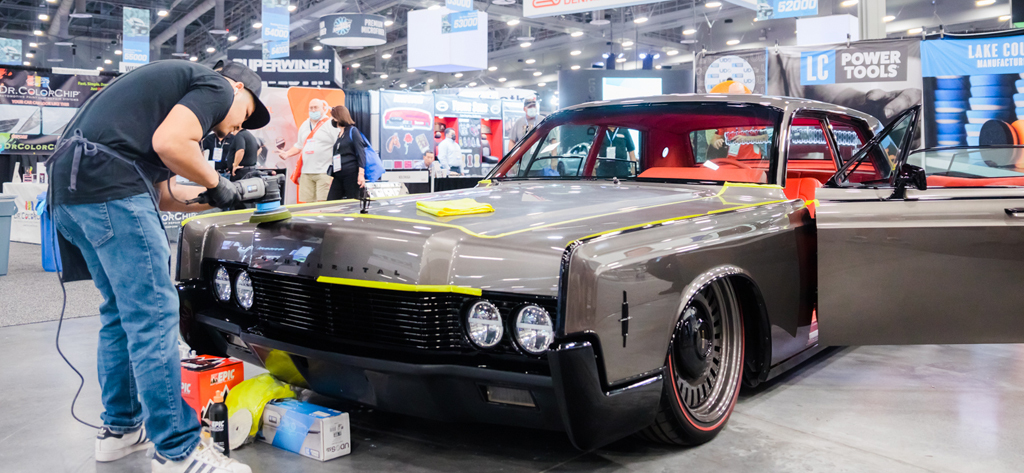
In essence, achieving and maintaining a show car finish is a rewarding journey that combines knowledge, patience, and the right approach. By diligently following these Artikeld steps, from the initial wash and decontamination to the final protective layers and ongoing care, you can ensure your vehicle consistently presents an impeccable appearance. Embrace these practices, and your car will undoubtedly turn heads, reflecting the pride and dedication you’ve invested in its preservation.