Embarking on the journey of car care, understanding how to properly dry your vehicle is paramount to maintaining its pristine appearance. This comprehensive guide delves into the intricacies of preventing those unsightly water spots, transforming a common chore into an art form that preserves your car’s gleam and protects its finish.
We will explore the science behind why water spots form, the essential tools that make drying effortless, and the meticulous preparation and techniques required for a flawless result. From the initial wash to the final polish, every step is designed to ensure your car dries beautifully, leaving no trace of mineral deposits or streaks behind.
Understanding the Problem: Why Water Spots Form
Water spots are a common and frustrating phenomenon for car owners, detracting from a vehicle’s pristine appearance. These unsightly marks are not merely superficial blemishes but can, over time, cause damage to your car’s paintwork if left unaddressed. Understanding their origin is the first crucial step in preventing them and maintaining a flawless finish.The formation of water spots is a direct consequence of the minerals and impurities present in water, coupled with the drying process.
When water evaporates from your car’s surface, it leaves behind these dissolved solids. The speed at which this evaporation occurs and the type of water used significantly influence the severity and persistence of the spots.
Primary Causes of Water Spots
Water spots develop primarily because of the residue left behind after water evaporates from a surface. This residue consists of dissolved minerals and other contaminants that were present in the water. When water is left to air dry on your car’s paint, the evaporation process concentrates these solids, creating visible marks.
Chemical Composition of Typical Water Spots
The chemical composition of water spots is largely determined by the mineral content of the water source. In most cases, these spots are primarily composed of calcium and magnesium carbonates, which are common in hard water. Other dissolved solids, such as sulfates, chlorides, and even trace amounts of iron or silica, can also contribute to the formation of water spots, depending on the local water supply.
Water spots are essentially mineral deposits left behind by evaporating water.
Impact of Different Water Types on Spot Formation
The type of water used for washing your car plays a significant role in how easily water spots form and their potential impact.
- Hard Water: Water with a high concentration of dissolved minerals, particularly calcium and magnesium, is known as hard water. When hard water evaporates, it leaves behind a more substantial and concentrated deposit of these minerals, leading to prominent and often difficult-to-remove water spots.
- Soft Water: Soft water has a lower concentration of dissolved minerals. While it can still leave marks, they are typically less pronounced and easier to wipe away than those left by hard water. However, even soft water can contain impurities that can cause spotting if not dried properly.
Microscopic Damage to Clear Coats
While seemingly benign, water spots can inflict microscopic damage on your car’s clear coat over time. The mineral deposits, particularly those left by hard water, are alkaline in nature. When these deposits sit on the paint surface, especially under direct sunlight, they can begin to etch into the clear coat. This etching is a form of chemical abrasion that degrades the protective layer of the paint.Over extended periods, repeated exposure to water spots and the subsequent etching process can lead to:
- A dulling of the paint’s shine and clarity.
- Increased susceptibility of the clear coat to scratches and environmental contaminants.
- In severe cases, the etching can penetrate deeper, potentially requiring professional paint correction or even repainting to restore the surface.
Essential Drying Tools and Materials
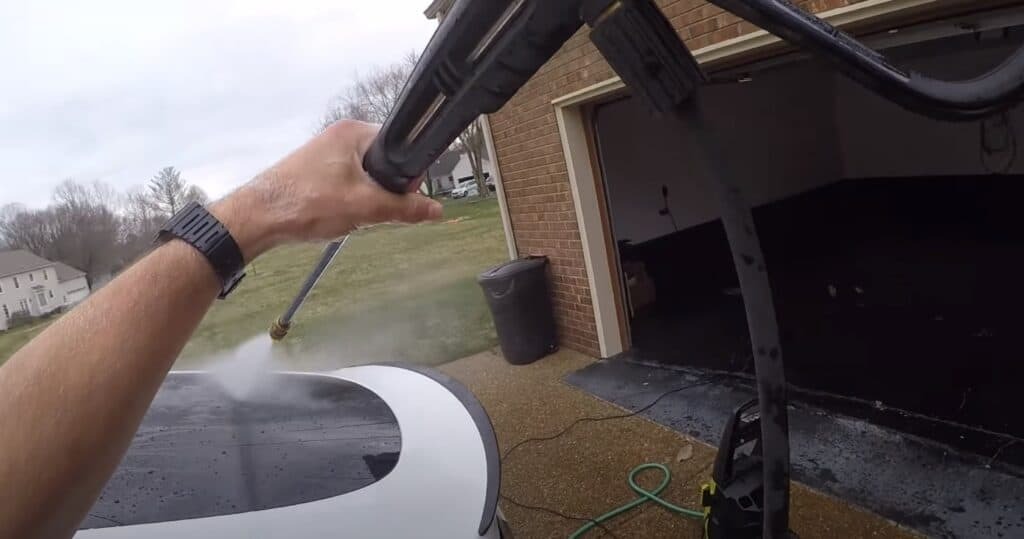
Having the right tools and materials is paramount to achieving a spot-free finish after washing your car. The effectiveness of your drying process hinges on selecting products designed to absorb water efficiently and safely, preventing the abrasive action that can lead to scratches and swirls. This section will guide you through the essential items you’ll need.The foundation of a proper car drying process lies in the quality of your drying towels.
Microfiber has revolutionized car care due to its exceptional absorbency and gentle touch. Understanding the different types and their specific applications will significantly enhance your results.
Ideal Types of Microfiber Drying Towels
Microfiber towels are specifically engineered with split fibers that create a larger surface area, allowing them to trap water effectively. For car exteriors, the focus is on plushness and absorbency to lift water away without dragging dirt particles across the paintwork.
- Waffle Weave Drying Towels: These towels feature a distinctive waffle-like pattern. This texture enhances their ability to absorb large amounts of water quickly and efficiently. The raised weave also helps to lift water away from the surface, reducing the risk of streaks. They are ideal for the initial bulk water removal.
- Twisted Loop Drying Towels: Characterized by their long, twisted loops, these towels offer superior absorbency and a very soft feel. The twisted structure allows water to channel through the fibers, leading to faster drying times and a reduced chance of scratching. They are excellent for soaking up remaining moisture.
- Plush/Deep Pile Drying Towels: These are the thickest and softest microfiber towels, often with a very deep pile. Their plushness provides a luxurious feel and excellent cushioning, making them incredibly gentle on paintwork. They are perfect for the final buffing to ensure no moisture remains and to achieve a glossy finish.
When selecting microfiber towels, look for high GSM (Grams per Square Meter) ratings, typically between 500-1200 GSM. A higher GSM generally indicates a denser, more absorbent, and softer towel.
Comparison of Different Drying Aids
While microfiber towels are the primary drying tool, drying aids can further enhance the process by aiding in water removal and adding a layer of protection. These products work in conjunction with your towels to deliver superior results.
| Drying Aid Type | Description | Benefits | Best Use Case |
|---|---|---|---|
| Spray Waxes | A liquid or sprayable formulation containing carnauba wax or synthetic polymers that provide a temporary layer of gloss and protection. | Adds shine, provides a slick surface to help water bead off, and offers a short-term protective barrier. | After drying, to enhance gloss and provide a hydrophobic layer. Can also be used sparingly during drying to aid water sheeting. |
| Drying Polymers/Detailing Sprays | Synthetic-based sprays designed to lubricate the surface, reduce friction, and help water sheet off the paint. They often contain gloss enhancers. | Makes drying easier by reducing drag, minimizes the risk of scratches, and leaves a streak-free shine. | Applied to wet surfaces during the drying process to help water run off more easily, and then buffed off with a microfiber towel. |
| Quick Detailers | Versatile sprays that can be used on dry or slightly damp surfaces to remove light dust, fingerprints, and enhance gloss. | Quick touch-ups, adding shine, and removing minor contaminants. | Can be used on a damp car to help remove any remaining water spots before they dry, or after drying for a final polish. |
It’s important to note that drying aids should be used sparingly and in conjunction with proper drying techniques. Overuse can lead to product buildup and potential streaking if not applied and buffed correctly.
Characteristics of a Good Car Drying Squeegee
A car drying squeegee, when used correctly, can be an incredibly efficient tool for removing the bulk of water from large, flat surfaces. However, not all squeegees are created equal, and using the wrong one can cause damage.A good car drying squeegee possesses several key characteristics:
- Soft, Flexible Silicone Blade: The blade should be made of high-quality, soft silicone. This ensures it conforms to the contours of your vehicle without being too stiff. A flexible blade glides smoothly over the paint, lifting water without excessive pressure.
- Ergonomic Handle: A comfortable, non-slip handle is essential for control and ease of use, especially when working on different areas of the car.
- Appropriate Width: A blade width of around 10-14 inches is generally ideal for most car surfaces, allowing for efficient water removal without being cumbersome.
- Rounded Edges: The edges of the silicone blade should be slightly rounded to prevent scratching or snagging on delicate paintwork or trim.
When using a squeegee, always ensure the surface is well-lubricated with a drying aid or residual wash water. Work in straight, overlapping strokes, and follow immediately with a microfiber towel to dry any remaining drips. Avoid using a squeegee on dirty surfaces, as this can embed grit and cause scratches.
Essential Cleaning Supplies for Conjunction with Drying
While the focus is on drying, having a few key cleaning supplies readily available will ensure a truly spot-free finish. These items help address any lingering issues or prepare the surface for optimal drying.
- High-Quality Car Wash Soap: Starting with a clean car is fundamental. Using a pH-neutral car wash soap ensures that all dirt and grime are effectively lifted without stripping existing wax or sealant layers. This prevents contaminants from being spread during the drying process.
- Dedicated Wheel Cleaner and Brushes: Wheels often accumulate brake dust and road grime, which can be stubborn. Using a dedicated wheel cleaner and appropriate brushes allows for thorough cleaning, preventing dirty water from splashing onto your freshly washed paintwork during the drying stage.
- Glass Cleaner and Lint-Free Cloths: After drying the paintwork, windows and mirrors often retain water spots or streaks. Using a high-quality automotive glass cleaner and dedicated lint-free microfiber cloths will ensure a crystal-clear finish on all glass surfaces.
- Waterless Wash or Quick Detailer: These can be invaluable for tackling any small water spots that may have begun to form on the paintwork before you’ve finished drying. A light spray and a gentle wipe with a clean microfiber towel can often resolve minor issues.
Having these supplies on hand ensures that you can address any unexpected issues that arise during the drying process, maintaining the integrity of your car’s finish.
Pre-Drying Preparation for Optimal Results
Before you even reach for a drying towel, a few crucial preparation steps will significantly impact the final outcome, ensuring a spot-free finish. This stage is about minimizing the chances of water spots forming by removing as much loose contamination as possible and strategically managing water on the vehicle’s surface. Proper preparation sets the foundation for a smooth and effective drying process.Thorough washing is the bedrock of effective car drying.
If dirt, grit, and other contaminants are left on the surface, they can be dragged across the paint by the drying towel, leading to micro-scratches. A clean surface allows the drying towel to glide effortlessly, absorbing water without picking up abrasive particles.
Thorough Vehicle Washing
A comprehensive wash removes the majority of surface contaminants that could otherwise cause scratching or spotting during the drying phase. This involves using the right washing techniques and products to lift and encapsulate dirt, preventing it from adhering to the paintwork.The two-bucket wash method is highly recommended. One bucket contains your car wash soap solution, and the other contains clean rinse water.
After washing a section of the car, rinse your wash mitt thoroughly in the clean water bucket before dipping it back into the soap solution. This prevents transferring dirt from the car back onto the mitt and then onto another section of the paint. Using a high-quality car shampoo that creates ample suds helps to lubricate the surface and lift dirt effectively.
Comprehensive Vehicle Rinsing
After washing, a thorough rinse is essential to remove all loose debris and residual soap. This step is critical in preventing water spots, as any remaining soap or dirt particles can dry and become difficult to remove later.Ensure you rinse from the top of the vehicle downwards. This allows gravity to assist in carrying away loosened dirt and soap. Pay close attention to crevices, panel gaps, and around trim pieces where water and soap can accumulate and drain slowly.
A high-pressure hose or a pressure washer on a low setting can be very effective in dislodging stubborn debris from these areas.
Reducing Water Retention Before Towel Drying
Minimizing the amount of water clinging to the car’s surface before you begin towel drying will significantly reduce the likelihood of water spots. This involves using specific techniques to encourage water to sheet off the vehicle.Several methods can be employed to reduce water retention:
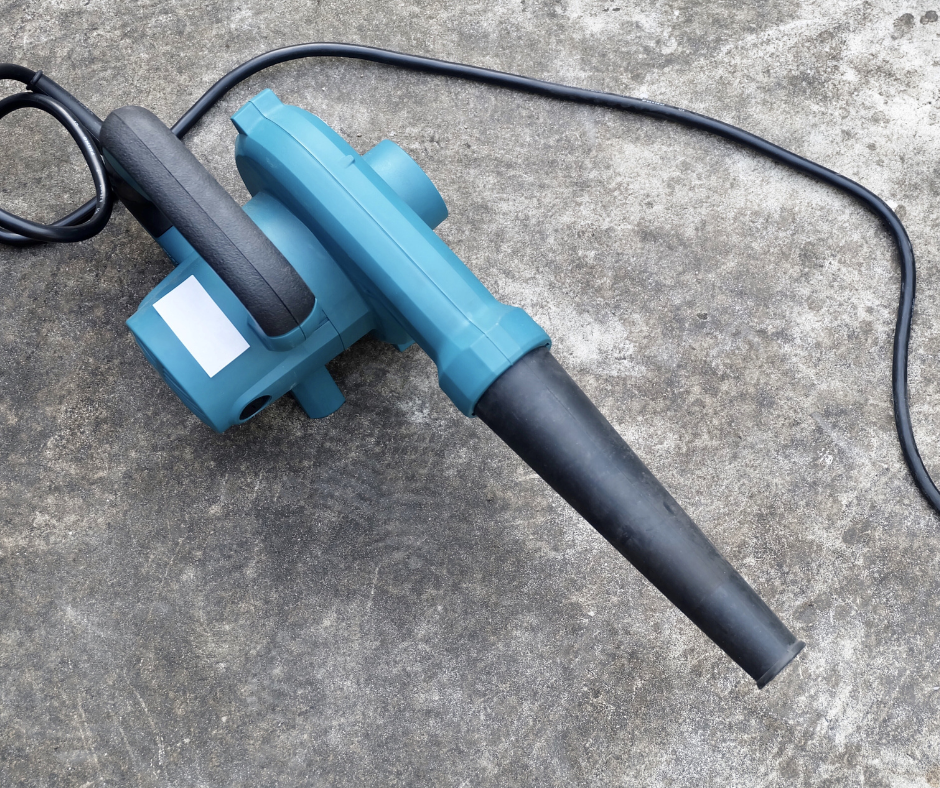
- Leaf Blower or Air Blower: A dedicated car drying blower or even a powerful leaf blower can be used to blast water out of crevices, around mirrors, badges, and trim. This is an excellent way to remove water that would otherwise drip onto the paintwork later and create spots.
- Drying Aids/Sprays: Some detailing sprays are designed to enhance water sheeting. When sprayed onto a wet car, they can help water bead up and run off more easily, leaving less water behind for the towel to absorb.
- Chamois or Drying Blade (Use with Caution): While a chamois can absorb a lot of water, it needs to be kept extremely clean. A detailing drying blade can be used to squeegee large amounts of water off flat surfaces, but it must be used with extreme care to avoid scratching the paint. It’s best reserved for very clean vehicles and with proper technique.
Sectional Drying Strategy
Working in sections is a fundamental practice that prevents water from drying prematurely on the car’s surface, which is a primary cause of water spots. By focusing on one small area at a time, you can ensure that the water is removed before it has a chance to evaporate.The recommended approach is to start from the top of the vehicle and work your way down.
This aligns with the rinsing process and ensures that any water that might drip from an un-dried upper section doesn’t land on an already dried lower section.Here is a typical sectional drying workflow:
- Roof: Begin with the roof, as it’s the highest point and will shed water onto other panels.
- Upper Body Panels: Proceed to the hood, trunk lid, and upper portions of the doors.
- Lower Body Panels: Move to the lower sections of the doors, fenders, and bumpers.
- Wheels and Tires: These are typically the dirtiest parts and should be dried last to avoid transferring brake dust and road grime to the clean paintwork.
Within each section, use a methodical drying motion. For example, when drying the hood, start at the front edge and work your way back, or use a back-and-forth motion, ensuring the towel covers the entire area before moving to the next. This systematic approach guarantees that no area is missed and that water has minimal time to sit and evaporate.
Effective Drying Techniques
With the preparatory steps completed and the right tools at hand, the next crucial phase is the actual drying process. This stage is where meticulous technique can make the difference between a spot-free finish and a frustrating battle against water marks. Employing a systematic and gentle approach will ensure your car’s paintwork remains pristine and gleaming.The goal of effective drying is to lift water from the surface quickly and efficiently without spreading it around, which is the primary cause of water spots.
This involves working methodically and utilizing the absorbency of your microfiber materials to their fullest potential.
Systematic Top-Down Drying
Beginning your drying process from the highest point of the vehicle and working your way down is a fundamental principle that prevents re-contamination of already dried areas. Water naturally flows downwards, so by drying the roof first, then the hood and trunk, followed by the upper sections of the doors and fenders, and finally the lower panels, you minimize the risk of water dripping onto and spotting areas you’ve just finished.This method ensures that any residual water from higher surfaces will be collected by your drying tool as you move to lower sections.
It’s a simple yet highly effective strategy for achieving a uniform, spot-free shine across the entire vehicle.
Microfiber Towel Absorption Technique
Microfiber towels are unparalleled in their ability to absorb water without scratching or smearing the paint. The key to their effectiveness lies in a gentle blotting or patting motion, rather than a vigorous rubbing action.Here is a step-by-step guide for using a microfiber towel to absorb water:
- Select a high-quality, plush microfiber drying towel. These towels have a high GSM (grams per square meter), indicating greater absorbency and softness.
- Gently lay the towel flat over a section of the car’s surface.
- Lightly press down to allow the towel to absorb the water.
- Lift the towel and refold it to expose a dry section.
- Repeat the blotting process, moving to an adjacent area.
- As the towel becomes saturated, switch to a fresh, dry towel or wring out the current one if it’s a very large towel and you’re in a pinch (though a fresh towel is always preferred for optimal results).
- Avoid dragging the towel across the paint, as this can push water and potential contaminants, leading to scratches or streaks.
Car Drying Squeegee Application
A high-quality car drying squeegee, particularly one with a silicone blade, can be an excellent tool for removing large amounts of water quickly and minimizing streaks, especially on larger, flat surfaces like windows and the roof. The technique requires a light touch and a consistent, controlled motion.Follow these steps for optimal squeegee use:
- Ensure the squeegee blade is clean and free of debris.
- Hold the squeegee at a slight angle (around 45 degrees) to the surface.
- Apply very light pressure and drag the squeegee in a single, continuous stroke across the panel.
- Wipe the silicone blade with a clean microfiber towel after each stroke to remove any collected water and debris.
- Work in overlapping strokes to ensure all water is captured.
- For vertical surfaces, start at the top and work downwards.
- Be mindful of edges and curves, and avoid pressing too hard, which can cause the blade to skip or leave streaks.
Drying Intricate Areas
Areas such as door jambs, mirrors, and trim often retain water due to their complex shapes and crevices. These spots require a more detailed approach to ensure they are completely dry.Methods for drying these areas include:
- Door Jambs: Use a smaller, highly absorbent microfiber towel or a dedicated detailing brush with soft bristles to gently wick away water from the jambs, hinges, and seals.
- Mirrors: Carefully use a clean, dry microfiber towel to blot and wipe the mirror surfaces. For the housing, a smaller towel or a detailing brush can be effective.
- Trim and Emblems: Employ a clean, dry microfiber towel and gently pat or dab the areas. For textured or grooved trim, a soft detailing brush can help lift trapped moisture.
- Window Seals: A thin microfiber towel or a detailing brush can be used to carefully wipe the rubber seals to prevent water from seeping out later.
Effective Wheel and Tire Drying
Wheels and tires are often the dirtiest parts of the car and require a separate drying strategy to prevent transferring brake dust and road grime back onto the paint.A systematic procedure for drying wheels and tires involves:
- Use dedicated, separate microfiber towels for wheels and tires. These towels will likely become quite dirty.
- For wheel barrels and spokes, use a smaller, highly absorbent microfiber towel or a wheel brush with microfiber bristles to carefully blot and wipe away water.
- Dry the tire sidewalls using a clean microfiber towel, patting or wiping gently.
- If your wheels have intricate designs or lug nut areas, a soft detailing brush can be used to reach these spots and absorb residual moisture.
- Avoid using the same towels used for drying the car’s paintwork on your wheels and tires, and vice versa.
Advanced Drying Methods and Aids
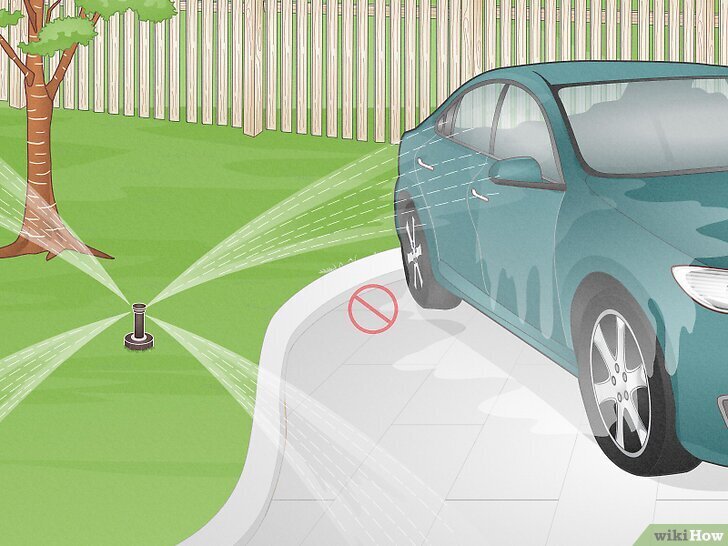
Moving beyond the basic towel-drying technique, several advanced methods and aids can significantly enhance your car’s drying process, minimizing the risk of water spots and leaving a superior finish. These techniques often leverage airflow or specialized products to expedite drying and add an extra layer of protection.This section explores sophisticated approaches to drying your vehicle, focusing on tools and products that offer efficiency and improved results.
We will delve into the comparative benefits of air drying with different equipment, the versatile role of quick detailer sprays, the integration of protective polymers during drying, and strategies for tackling diverse weather conditions.
Air Drying Methods: Leaf Blowers vs. Dedicated Car Dryers
Both leaf blowers and dedicated car dryers utilize forced air to remove water, but they differ in power, design, and intended use, impacting their effectiveness and user experience for car drying. Understanding these distinctions allows for an informed choice based on your needs and budget.Leaf blowers are powerful tools primarily designed for clearing leaves and debris. When adapted for car drying, their high airflow can quickly blast water off surfaces.
However, they are often loud, heavy, and can produce hot air if not properly managed, potentially causing damage or uneven drying. Their nozzles may also be less refined, making it challenging to direct air precisely without creating turbulence that could lift dirt.Dedicated car dryers, on the other hand, are specifically engineered for automotive use. They typically feature variable speed controls, temperature regulation (often producing warm, filtered air), and specialized nozzle attachments for controlled airflow.
This allows for a gentler, more precise drying experience, minimizing the risk of scratching or stressing the paintwork. While generally more expensive than a standard leaf blower, their specialized design and safety features make them a preferred choice for detailing enthusiasts and professionals seeking optimal results.
Comparison Table: Leaf Blower vs. Car Dryer
| Feature | Leaf Blower | Dedicated Car Dryer |
|---|---|---|
| Primary Purpose | Debris removal | Vehicle drying |
| Airflow Control | Limited, often high volume | Variable speed and temperature control |
| Noise Level | High | Moderate to high, depending on model |
| Portability/Weight | Can be heavy and cumbersome | Generally lighter and more ergonomic |
| Nozzle Design | Basic, less precise | Specialized, for controlled airflow |
| Risk of Paint Damage | Higher if not used carefully (heat, turbulence) | Lower due to controlled temperature and airflow |
| Cost | Generally lower | Generally higher |
Quick Detailer Sprays as Drying Lubricants and Enhancers
Quick detailer sprays are invaluable tools that serve a dual purpose during the drying phase: they act as lubricants to reduce friction between the drying towel and the paint surface, and they enhance the car’s appearance by adding gloss and protection. Their use is a key step in achieving a spot-free finish.These sprays contain specialized polymers and cleaning agents that encapsulate dirt particles, lifting them away from the paint and allowing them to be safely wiped off.
This lubrication is critical for preventing microscopic scratches that can occur when a dry towel drags over a surface. Furthermore, many quick detailers offer UV protection and leave behind a slick, glossy finish, effectively enhancing the look of your freshly washed car as you dry it.
Quick detailer sprays reduce towel friction, preventing swirl marks, and add a layer of gloss and protection during the drying process.
When using a quick detailer for drying, a light mist is applied to a section of the car. Then, a clean, high-quality microfiber drying towel is used to gently wipe the surface, following the direction of airflow or panel lines. This method not only dries the car efficiently but also imparts a noticeable shine.
Applying Drying Polymers or Spray Waxes During Drying
Integrating drying polymers or spray waxes into your drying routine is an excellent way to apply a protective layer and enhance gloss simultaneously, turning a simple drying task into a protective detailing step. This method streamlines the process and offers long-lasting benefits.The application involves misting the chosen polymer or spray wax onto a damp surface, either directly onto the panel or onto your microfiber drying towel.
As you wipe the car down to dry it, the product is spread evenly across the paintwork. The residual moisture from the wash helps to distribute the product, ensuring a uniform coating. This technique is particularly effective for maximizing the slickness of the towel, further reducing the risk of scratches.A recommended process for applying a drying polymer or spray wax during the drying stage is as follows:
- Ensure the car is thoroughly rinsed, leaving it wet.
- Select a high-quality microfiber drying towel.
- Lightly mist the drying polymer or spray wax onto a section of the car’s surface or directly onto the drying towel.
- Gently wipe the panel with the towel, working from top to bottom. The moisture from the car and the product will combine to create a slick surface.
- As the towel becomes damp or saturated, switch to a dry section of the towel or a second clean towel to finish drying and buffing.
- Repeat for each section of the vehicle, ensuring even coverage.
This method not only dries the car but also leaves behind a protective barrier that repels water and dirt, making future washes easier and extending the life of your paintwork’s protection.
Drying in Various Weather Conditions
Adapting your drying strategy to prevailing weather conditions is crucial for preventing water spots and ensuring the best possible finish. Different environmental factors present unique challenges that require specific approaches.On sunny days, the primary challenge is the rapid evaporation of water, which can leave mineral deposits behind if not dried quickly and thoroughly.
- Work in sections: Dry one panel at a time to prevent water from sitting and evaporating.
- Use a drying aid: A quick detailer or drying polymer will help lubricate the towel and reduce the chance of spots forming.
- Employ a high-quality, absorbent microfiber drying towel: Ensure it can soak up water efficiently.
- Avoid direct sunlight if possible: If you must dry in the sun, work very quickly.
Humid days present a different challenge: slower evaporation can lead to water sitting on the surface for longer periods, increasing the risk of spotting.
- Focus on thoroughness: Ensure every drop of water is removed, paying attention to crevices and trim.
- Consider a final wipe with a separate, dry microfiber towel: This helps to remove any lingering moisture.
- Air drying can be less effective: Rely more on absorbent towels rather than air blowers, as the ambient air already holds a lot of moisture.
- Maintain good ventilation: If drying in a garage, ensure good airflow to aid evaporation.
For windy conditions, be cautious of airborne debris that can be picked up and scratched into the paint by your drying towel.
- Pre-rinse thoroughly: Ensure all loose dirt is removed before drying.
- Use a gentle touch: Avoid applying excessive pressure with the drying towel.
- Consider using a leaf blower or car dryer first: This can remove the bulk of the water and reduce the need for extensive towel drying, minimizing contact with potential debris.
By understanding and adapting to these conditions, you can significantly improve the outcome of your car drying efforts and maintain a pristine, spot-free finish.
Preventing Future Water Spots
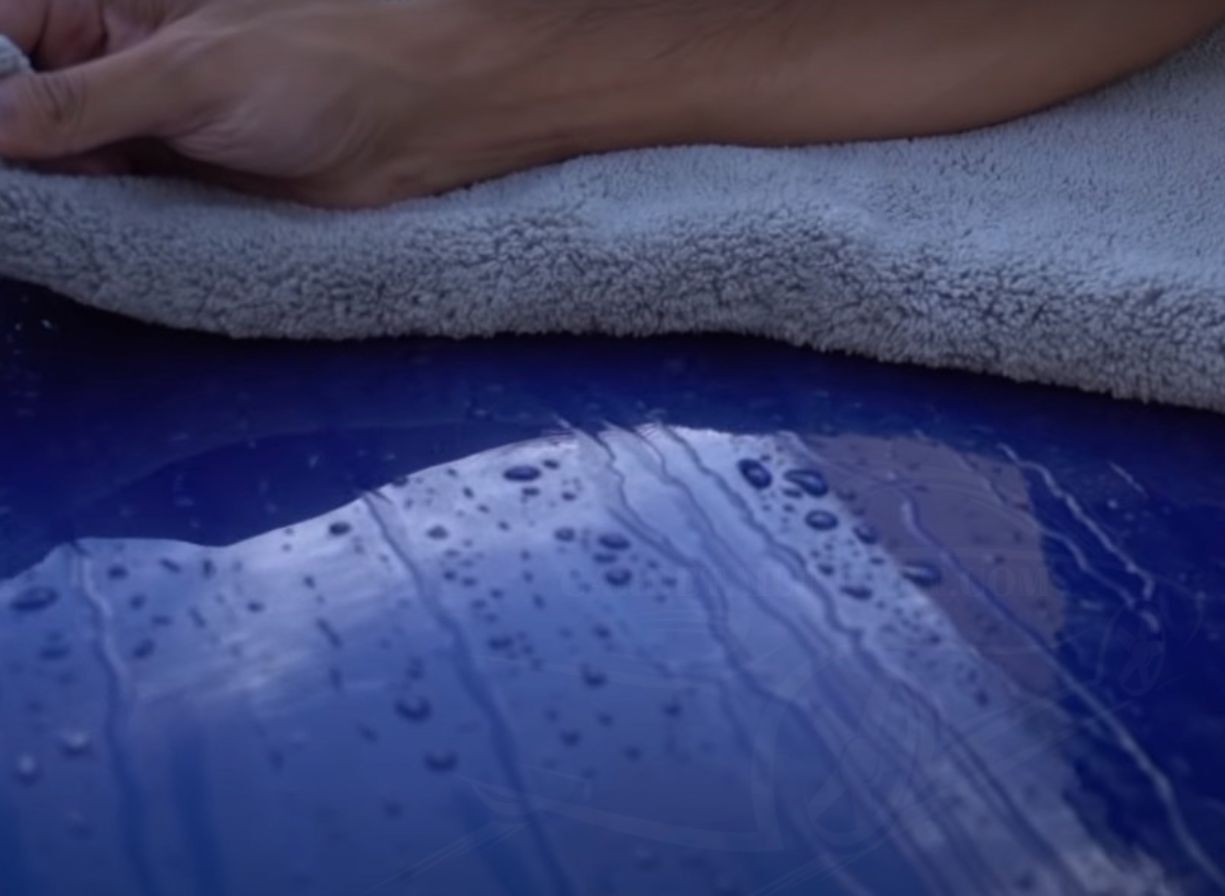
Maintaining a pristine finish on your vehicle extends beyond the drying process. By implementing proactive measures and addressing issues promptly, you can significantly reduce the likelihood of water spots forming and ensure your car continues to look its best. This section Artikels key strategies to achieve a spot-free shine long-term.
Paint Protection for Enhanced Resistance
Applying a protective coating to your car’s paint is one of the most effective ways to prevent water spots. These coatings create a barrier that not only enhances gloss but also makes it more difficult for mineral deposits from water to adhere to the paint surface. This barrier allows water to bead up and roll off more easily, carrying away impurities before they can dry and leave behind unsightly marks.The benefits of applying a protective coating include:
- Improved Water Beading: Coatings encourage water to form tight beads, which are less likely to spread out and evaporate slowly, thus minimizing contact time for mineral residue.
- Easier Cleaning: The slick surface created by these products makes subsequent washes and drying much easier, as dirt and grime have less surface area to cling to.
- UV Protection: Many protective coatings also offer protection against harmful UV rays, which can cause paint fading and oxidation over time.
- Enhanced Durability: Professional-grade sealants and ceramic coatings can last for months or even years, offering long-term protection.
Protective coatings range from traditional waxes, which offer a warm glow and are easy to apply, to synthetic sealants that provide longer durability, and advanced ceramic coatings that offer the highest level of protection and hydrophobic properties. The choice depends on your desired level of protection, longevity, and application effort.
Consistent Washing and Drying Regimens
A consistent schedule for washing and drying your vehicle is crucial for preventing the buildup of contaminants that lead to water spots. Regular cleaning removes environmental fallout, road grime, and bird droppings before they have a chance to etch into the paint. Following up with a thorough drying process after each wash ensures that no water residue is left behind to evaporate and form spots.Establishing a routine offers several advantages:
- Minimizes Contaminant Adhesion: Frequent washing prevents dirt and pollutants from becoming deeply embedded in the paint’s clear coat.
- Reduces Drying Effort: When the car is washed regularly, the amount of residue left after drying is significantly less, making the drying process quicker and more effective.
- Maintains Surface Integrity: Consistent care helps to preserve the integrity of the paint’s clear coat, making it more resilient to environmental damage.
Aim to wash your car at least every two weeks, or more frequently if it is exposed to harsh conditions such as salt spray, industrial fallout, or heavy pollen. Always follow the washing with a meticulous drying procedure.
The Advantage of Filtered or Deionized Water
The mineral content in tap water is a primary culprit behind water spots. Minerals like calcium and magnesium remain on the surface once the water evaporates, leaving behind a chalky residue. Using filtered or deionized water for your car’s final rinse can dramatically reduce or even eliminate the formation of water spots.Filtered water undergoes a process that removes larger particles and some impurities.
Deionized water, on the other hand, has had virtually all of its mineral ions removed. This means that when deionized water evaporates, there is little to no residue left behind.The benefits are significant:
- Eliminates Mineral Deposits: The absence of minerals means no chalky residue will be left on the paint surface.
- Reduces Drying Time: Because there are no minerals to leave marks, you can be less stressed about drying every single drop immediately.
- Achieves a Truly Spot-Free Finish: This is especially beneficial for darker colored vehicles where water spots are more noticeable.
While deionized water systems might seem like an investment, portable deionization units or specialized car wash services that offer this option can be a game-changer for achieving a flawless finish.
Immediate Action for Emerging Spots
Even with the best preventative measures, water spots can sometimes appear, especially after unexpected rain showers or incomplete drying. Addressing these spots immediately is key to preventing them from becoming permanent or difficult to remove.When you notice water spots forming:
- Quick Wipe-Down: If the spots are fresh and the car is still damp, a quick wipe with a clean, dry microfiber towel can often remove them before they dry.
- Detailing Spray: For spots that have started to dry, a quality quick detailer spray applied to a microfiber towel can help lift the residue. Gently wipe the affected area.
- Waterless Wash: A waterless wash product can be used similarly to a detailing spray for more stubborn fresh spots. Ensure you use plenty of product and clean towels to avoid scratching.
- Spot Treatment with Clay Bar: If the spots have etched slightly, a clay bar treatment with a suitable lubricant might be necessary. This should be followed by a wax or sealant application to re-protect the area.
The principle here is to act swiftly. The longer mineral deposits sit on your paint, the more likely they are to bond with the clear coat, making removal more challenging.
Troubleshooting Common Drying Issues
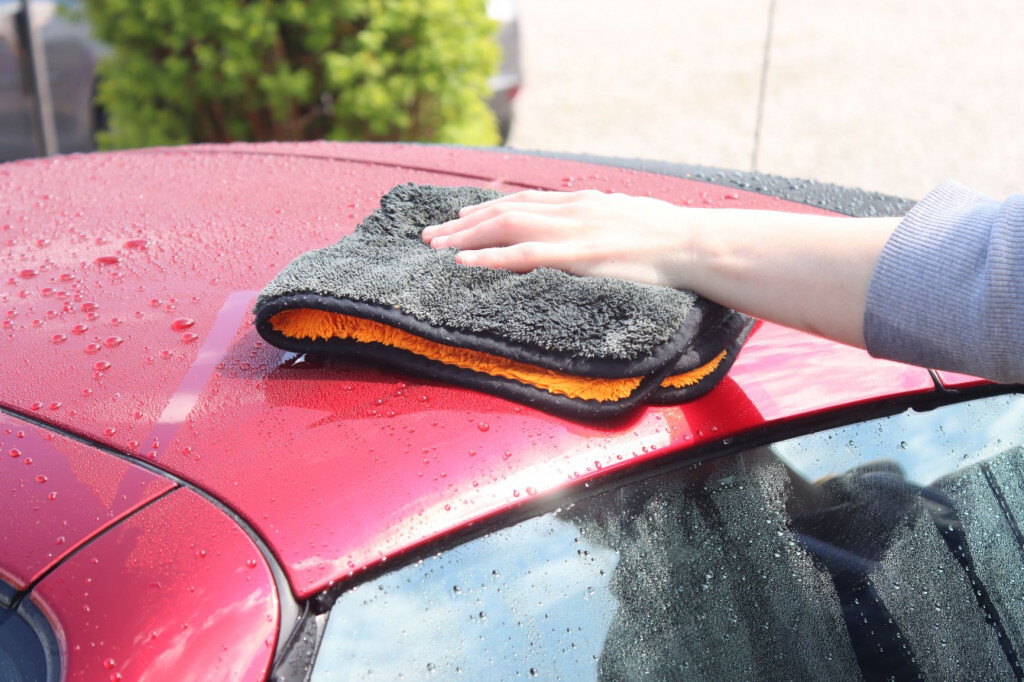
Even with the best preparation and techniques, you might encounter a few hiccups during the drying process. This section addresses common problems and provides practical solutions to ensure your car’s finish remains spotless and streak-free.Persistent water spots can be frustrating, but they are often treatable with the right approach. These spots occur when mineral deposits from water are left behind as the water evaporates.
For spots that have etched into the paint, a more targeted cleaning method may be necessary.
Persistent Water Spot Removal
If simple drying techniques haven’t removed water spots, it’s time for a more direct approach. The key is to gently dissolve or lift the mineral deposits without damaging the paint.
- Vinegar Solution: A common and effective DIY solution for water spots is a diluted white vinegar mixture. Mix equal parts white vinegar and distilled water in a spray bottle. Lightly mist the affected area, allowing it to sit for a minute or two. The acetic acid in the vinegar helps to break down the mineral deposits.
- Dedicated Water Spot Removers: The automotive detailing market offers specialized water spot removers. These products are formulated to safely dissolve mineral deposits without harming your car’s paint or protective coatings. Follow the product instructions carefully for best results.
- Clay Bar Treatment: For stubborn, ingrained water spots that don’t respond to liquid treatments, a clay bar can be very effective. A clay bar gently abrades the surface, lifting contaminants, including mineral deposits, from the paint. Always use a clay lubricant when using a clay bar to prevent scratching.
- Light Polishing: In cases where water spots have caused minor etching into the clear coat, a very light polish with a fine-grit polish and a soft microfiber applicator or polishing pad can help. This process removes a microscopic layer of the clear coat, leveling the surface and removing the etched spot. It’s crucial to use a polish designed for this purpose and to work in small sections, checking your progress frequently.
Correcting Streaks and Haze
Streaks and haze are often the result of using dirty towels, improper drying motions, or drying too quickly in direct sunlight. Fortunately, these are usually superficial issues that can be easily rectified.
- Re-dry with a Clean Towel: The simplest solution for streaks is to take a fresh, clean, and dry microfiber towel and gently buff the affected area. This often lifts the residue causing the streak.
- Use a Detail Spray: A good quality detail spray can act as a lubricant and help lift any remaining residue that caused the streaking. Spray a light mist of detail spray onto the area and then wipe gently with a clean microfiber towel.
- Address Drying Conditions: If you notice streaking consistently, re-evaluate your drying environment. Avoid direct sunlight and high temperatures, which cause water to evaporate too quickly, leaving behind residue.
- Inspect Towels: Ensure your microfiber towels are clean and free of any dried-on dirt or cleaning product residue. Wash them separately with a microfiber-specific detergent and avoid fabric softeners, which can reduce their absorbency and effectiveness.
Drying Delicate Paint Finishes and Wraps
Vehicles with delicate paint finishes, such as matte paint, or those with vinyl wraps require extra care during the drying process. Aggressive rubbing or harsh chemicals can damage these surfaces.
- Gentle Blotting and Patting: For matte finishes and wraps, the primary technique should be gentle blotting and patting rather than wiping. Use highly absorbent microfiber towels and press them lightly onto the surface to soak up water. Avoid any circular or aggressive motions.
- Air Drying Aids: Consider using an air blower or a leaf blower (on a low setting) to remove most of the water, especially from crevices and panel gaps. This significantly reduces the amount of physical contact needed with towels.
- Specialized Cleaners: If using any cleaning solutions on wraps or matte finishes, ensure they are specifically designed for these surfaces. Standard car washes or polishes can alter the sheen or texture of wraps and matte paint.
- Avoid Wax and Polishes: Generally, avoid applying traditional waxes or polishes to matte finishes and vinyl wraps unless the product is explicitly stated as safe for these surfaces. Many products can create a glossy finish that is undesirable on matte surfaces.
Cleaning and Maintaining Drying Towels
The effectiveness and longevity of your drying towels directly impact the quality of your car drying results. Proper care ensures they remain absorbent and free from particles that could scratch your paint.
- Separate Washing: Always wash your drying towels separately from other laundry. This prevents lint from other fabrics from transferring to your towels, which can then be deposited onto your car’s paint.
- Use Microfiber-Specific Detergent: Invest in a detergent formulated specifically for microfiber. These detergents are designed to clean microfiber effectively without clogging the fibers or leaving behind residues that reduce absorbency. Avoid fabric softeners, bleach, and harsh detergents, as they degrade microfiber.
- Rinse Thoroughly: Ensure a thorough rinse cycle when washing your towels. Any residual soap left in the fibers can lead to streaking on your car.
- Drying Method: Air drying is ideal for microfiber towels, as high heat from a dryer can damage the delicate fibers and reduce their absorbency. If you must use a dryer, opt for a low-heat setting and remove them while slightly damp.
- Regular Inspection: Before each use, inspect your drying towels for any signs of damage, embedded dirt, or wear. Discard any towels that are no longer soft, absorbent, or show signs of degradation.
Outcome Summary
Mastering the art of drying your car is more than just a cosmetic endeavor; it’s a crucial step in protecting your vehicle’s long-term appearance and value. By implementing the strategies and techniques discussed, you can confidently banish water spots, enhance your car’s shine, and enjoy a consistently immaculate finish. Embrace these practices, and your car will always look as though it just rolled off the showroom floor.