As How to Properly Use a Wheel Brush Without Scratching takes center stage, this opening passage beckons readers into a world crafted with good knowledge, ensuring a reading experience that is both absorbing and distinctly original.
Achieving pristine wheels without causing unsightly scratches is a common concern for automotive enthusiasts. This guide delves into the essential techniques and considerations for using wheel brushes effectively, transforming a potentially damaging task into a meticulous cleaning process. We will explore the nuances of brush selection, preparation, application, and maintenance, ensuring your wheels remain in immaculate condition.
Understanding Wheel Brush Types and Their Applications
Selecting the right wheel brush is paramount to achieving a spotless finish without introducing unsightly scratches. The vast array of brushes available can be overwhelming, but understanding their specific materials and designs will guide you to the perfect tool for your wheels. Each brush type is engineered with particular surfaces and cleaning tasks in mind, ensuring both effectiveness and safety.The choice of brush bristles significantly impacts how safely and effectively you can clean your wheels.
While stiffer bristles may seem more powerful, they also carry a higher risk of scratching delicate finishes. Conversely, softer bristles are gentler but might require more effort for stubborn grime.
Wheel Brush Bristle Materials
The material of the bristles is the most critical factor in determining a brush’s suitability for different wheel types and finishes. Each material offers unique properties that affect cleaning performance and the potential for damage.
- Boar’s Hair: These natural bristles are exceptionally soft and flexible, making them ideal for high-end, delicate wheel finishes like polished aluminum, chrome, and painted wheels. Their gentleness minimizes the risk of scratching, allowing for thorough cleaning without worry.
- Synthetic Bristles: Made from various polymers like nylon or polypropylene, synthetic bristles offer a balance of durability and gentleness. They are more robust than natural boar’s hair and can withstand harsher cleaning chemicals. Different synthetic bristles can range from soft to medium stiffness, catering to a broader range of wheel finishes and dirt levels.
- Microfiber: While not always in a traditional brush form, microfiber detailing heads attached to brush handles offer an extremely soft and non-abrasive cleaning surface. They excel at lifting dirt and grime without any risk of scratching, making them perfect for the most sensitive wheel finishes or for a final, gentle wipe-down.
Stiff vs. Soft Bristled Brushes
The rigidity of a brush’s bristles directly correlates to its cleaning power and its potential for causing damage. The decision between a stiff and a soft brush depends heavily on the wheel’s material and the type of dirt you are trying to remove.
- Stiff-Bristled Brushes: These brushes, often made with firmer synthetic bristles, are designed for tackling heavy brake dust, road tar, and baked-on grime. They offer aggressive cleaning action, which can be highly effective on durable wheel finishes like clear-coated alloys or steel wheels. However, their aggressive nature makes them unsuitable for soft, polished, or delicate finishes, as they can easily induce swirl marks and scratches.
- Soft-Bristled Brushes: Brushes with soft boar’s hair or very fine synthetic bristles are the preferred choice for maintaining the pristine condition of wheels with sensitive finishes. They are excellent for general cleaning, removing light dust and dirt, and for reaching intricate areas without the fear of scratching. While they may require more passes or a stronger cleaning solution for stubborn contaminants, their safety is their primary advantage.
Brush Suitability for Wheel Designs
The complexity and design of your wheels will dictate the optimal brush shape and size. Intricate designs require brushes that can navigate tight spaces, while simpler designs may benefit from brushes that cover larger areas more efficiently.
- Intricate Wheel Designs: For wheels with many spokes, complex patterns, or deep recesses, brushes with long, flexible bristles and a narrow profile are essential. Boar’s hair brushes, particularly those designed with a tapered or pointed tip, are excellent for reaching into tight areas between spokes and around lug nuts. Detailing brushes with very fine synthetic or microfiber heads are also ideal for these delicate maneuvers.
- Larger, Simpler Spokes: Wheels with broad, flat spokes or simpler designs can be effectively cleaned with larger, rounder brushes. These brushes offer greater surface contact, allowing for quicker cleaning of larger areas. Synthetic bristle brushes with a medium stiffness are often well-suited for these applications, providing sufficient cleaning power without being overly aggressive.
Pre-Cleaning and Preparation for Scratch-Free Washing
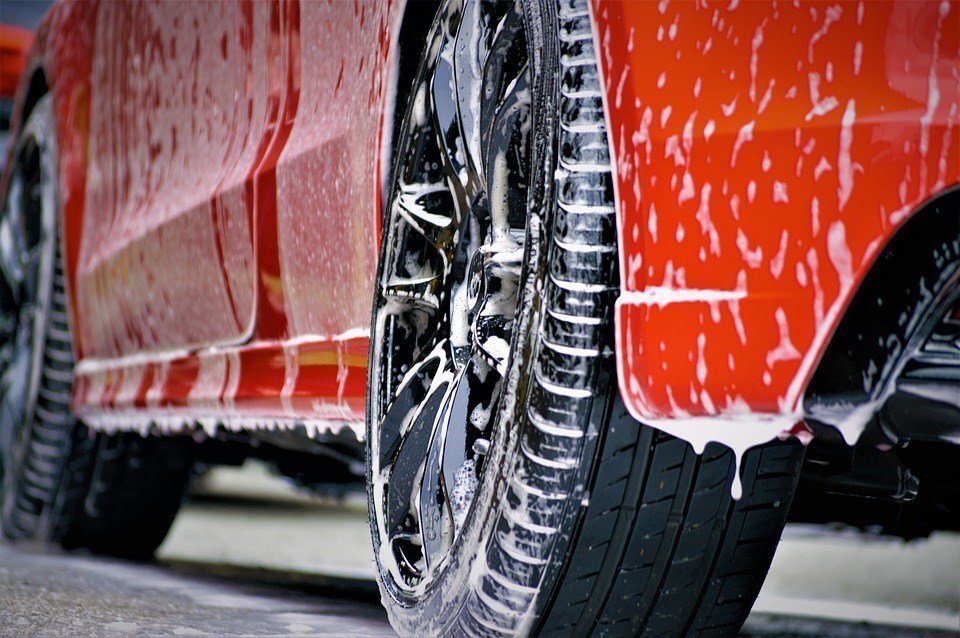
Before you even think about introducing a wheel brush to your rims, a thorough pre-cleaning and preparation phase is absolutely essential. This crucial step significantly minimizes the risk of scratching your wheels by removing loose contaminants that could otherwise get trapped between the brush bristles and the wheel surface. Properly preparing your wheels ensures that your subsequent washing efforts are more effective and, most importantly, safer for your prized rims.Taking the time to rinse and address loose debris before applying any cleaning solution or brush will dramatically improve the outcome of your wheel cleaning.
This proactive approach is the first line of defense against unsightly scratches and swirl marks, preserving the aesthetic appeal of your wheels for longer.
Wheel Rinsing Procedure
A meticulous rinse is the cornerstone of effective pre-cleaning. This process dislodges larger particles of dirt, brake dust, and road grime, preventing them from being ground into the wheel surface during the brushing phase. Following a systematic rinsing technique ensures that as much loose debris as possible is removed.
- Start with a high-pressure water source, such as a pressure washer or a strong hose nozzle.
- Begin rinsing from the top of the wheel and work your way down. This allows gravity to assist in washing away the loosened debris.
- Pay close attention to the intricate areas of the wheel, including between spokes, around lug nuts, and the inner barrel. These areas often trap the most stubborn contaminants.
- Ensure a comprehensive rinse, making sure water reaches all surfaces of the wheel and tire.
- If using a pressure washer, maintain a safe distance from the wheel surface to avoid any potential damage, especially on delicate finishes.
Importance of Removing Loose Debris and Grit
Loose debris, commonly referred to as grit, is the primary culprit behind wheel scratches. These small, hard particles act like sandpaper when agitated against the wheel surface by a brush. Brake dust, road salt, and general road grime all contribute to this abrasive layer.
When you introduce a wheel brush to a wheel covered in loose grit without properly rinsing, the bristles will inevitably press these particles into the wheel’s finish. This action causes micro-scratches that, over time, accumulate and become noticeable swirl marks. By dedicating time to the rinsing stage, you effectively lift and wash away the majority of this abrasive material, creating a much smoother surface for the brush to work on.
This significantly reduces the likelihood of creating new scratches and preserves the integrity of your wheel’s clear coat or painted finish.
Ideal Cleaning Solutions and Wheel-Specific Soaps
While a thorough rinse is vital, sometimes a preliminary cleaning solution is necessary to loosen stubborn brake dust and road film. The key is to use products specifically designed for automotive wheels, as they are formulated to be effective yet safe for various wheel finishes.
- pH-Neutral Wheel Cleaners: These are generally the safest option for all types of wheels, including painted, polished, chrome, and anodized finishes. They work by encapsulating dirt and brake dust, making them easier to rinse away without the risk of etching or damaging the surface.
- Dedicated Wheel Soaps: Many reputable car care brands offer wheel-specific soaps that are formulated to tackle brake dust and road grime effectively. These soaps often have enhanced cleaning power compared to regular car wash shampoos but are still gentle enough for wheel surfaces.
- Avoid Harsh Chemicals: Steer clear of acidic or alkaline cleaners not intended for wheel use. These can strip protective coatings, cause discoloration, and even lead to corrosion, especially on sensitive finishes like polished aluminum or chrome.
Always choose a cleaning solution that is specifically labeled as safe for your wheel type. When in doubt, a pH-neutral cleaner is the most prudent choice.
Proper Technique for Applying Cleaning Solutions
The method of application for your chosen cleaning solution is as important as the solution itself. Applying it correctly ensures even coverage and maximizes its effectiveness in loosening contaminants without causing any issues.
- Ensure the wheels are cool to the touch. Applying cleaning solutions to hot wheels can cause them to dry too quickly, leaving streaks and potentially etching the finish.
- Work on one wheel at a time. This prevents the cleaning solution from drying before you have a chance to rinse it off.
- Spray the cleaning solution liberally onto the wheel surface, starting from the top and working your way down.
- Allow the cleaner to dwell for the time recommended by the manufacturer. This dwell time is crucial for the product to break down brake dust and grime. Do not let it dry on the surface.
- For wheels with intricate designs or deep barrels, use a separate, softer brush or a detailing brush to gently agitate the solution in these hard-to-reach areas. This helps to lift embedded dirt.
- Once the dwell time is complete, thoroughly rinse the wheel with clean water, again working from top to bottom.
The Art of Wheel Brushing: Techniques for Avoiding Scratches
Mastering the technique of wheel brushing is paramount to achieving a spotless finish without introducing unsightly scratches. This section delves into the essential practices that ensure your wheels remain pristine, even after a thorough cleaning. It’s about applying the right amount of force, employing strategic movements, and paying close attention to delicate areas.
Correct Motion and Pressure Application
Applying the correct motion and pressure is the cornerstone of scratch-free wheel brushing. Excessive force or an abrasive scrubbing action can easily mar even the most durable wheel finishes. Conversely, too little pressure may not effectively remove embedded brake dust and road grime. The goal is a controlled, consistent approach.When using a wheel brush, employ a gentle, sweeping motion. Imagine you are polishing the surface rather than scrubbing it.
Move the brush in straight lines or smooth, overlapping arcs, following the contours of the wheel. Avoid aggressive back-and-forth scrubbing, which can create micro-scratches. Pressure should be firm enough to dislodge dirt but light enough that you don’t feel resistance from embedded grime. If you encounter significant resistance, it’s a sign that you need more cleaning solution or a different type of brush, not more force.
Sectional Cleaning and Frequent Rinsing
Working in manageable sections and consistently rinsing your brush are critical for preventing the transfer of abrasive particles across the wheel surface. This methodical approach ensures that you are always working with a clean brush, minimizing the risk of scratching.It is highly recommended to clean one section of the wheel at a time. This allows you to focus your efforts and ensure thoroughness without letting the cleaning solution dry.
As you move from one section to the next, rinse the brush thoroughly in a separate bucket of clean water. This step is crucial for removing any collected dirt, grit, or brake dust that could otherwise be dragged across the wheel and cause scratches. The more frequently you rinse, the cleaner your brush will remain, and the safer it will be for your wheel’s finish.
Best Practices for Lug Nuts and Valve Stems
Lug nuts and valve stems, while small, are often overlooked and can be surprisingly susceptible to scratching. Their intricate shapes and proximity to the wheel surface require a delicate touch and specialized tools.For cleaning around lug nuts, a smaller, more detailed brush is ideal. Many wheel brushes come with interchangeable heads or smaller detailing brushes specifically designed for these areas.
Gently work the bristles around each lug nut, ensuring you get into the recessed areas. Avoid jamming the brush aggressively into tight spaces. For valve stems, a soft-bristled brush or even a microfiber cloth can be used to wipe away any accumulated dirt without risking damage to the rubber or cap.
Brushing Methods for Different Wheel Finishes
The ideal brushing method can vary significantly depending on the type of wheel finish. Painted wheels are generally more forgiving than polished or chrome surfaces, which can be more prone to showing even minor imperfections.
- Painted Wheels: For standard painted wheels, a medium-stiff bristled wheel brush is usually effective. The motion should be firm but not aggressive, with a focus on sweeping away brake dust and road grime. You can use overlapping strokes to ensure complete coverage.
- Polished or Chrome Wheels: These finishes require a much gentler approach. Opt for a soft-bristled wheel brush, ideally one with non-abrasive synthetic fibers. The brushing motion should be extremely light, almost a glide, and focus on lifting dirt rather than scrubbing it away. For stubborn spots, consider using a dedicated wheel cleaner designed for delicate finishes and allow it to dwell longer rather than applying more pressure.
Optimizing Brush Stroke Sequence for Marring Prevention
A strategic sequence of brush strokes can significantly reduce the risk of marring your wheel’s finish. The key is to start with the least abrasive method and progress only if necessary, always working from the least visible to the most visible areas if possible.A recommended sequence for minimizing the risk of marring is as follows:
- Initial Rinse: Begin with a thorough rinse of the entire wheel to remove loose debris.
- Gentle Cleaning Solution Application: Apply a pH-neutral wheel cleaner, allowing it to work for the recommended dwell time.
- Soft Brush Detailing: Use a soft-bristled brush or a detailing brush to carefully clean around lug nuts, valve stems, and any intricate areas.
- Main Wheel Surface Brushing (Painted Wheels): For painted wheels, use a medium-bristled wheel brush with gentle, sweeping motions, working in sections and rinsing the brush frequently.
- Main Wheel Surface Brushing (Polished/Chrome Wheels): For polished or chrome wheels, use a soft-bristled brush with very light pressure, focusing on lifting dirt.
- Stubborn Spot Treatment: If any areas remain dirty, reapply cleaner and use a slightly firmer brush (if appropriate for the finish) or a detailing brush with a bit more focus, but always with caution.
- Final Rinse: Rinse the entire wheel thoroughly to remove all cleaning agents and loosened dirt.
By adhering to these techniques, you can confidently clean your wheels, achieving a brilliant shine without the worry of inflicting damage.
Brush Maintenance and Care for Longevity
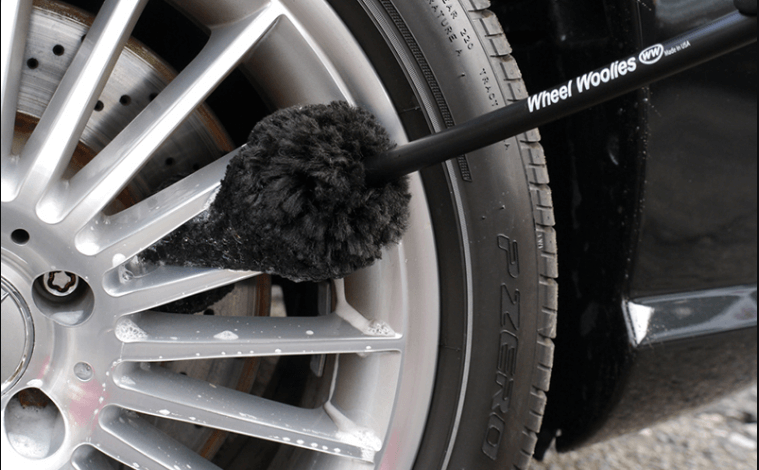
Proper care and maintenance of your wheel brush are essential to ensure its continued effectiveness and prevent it from becoming a source of scratches. Just like any other tool, a well-maintained brush performs better and lasts longer. Neglecting its upkeep can lead to diminished cleaning power and, unfortunately, unintended damage to your wheels.This section will guide you through the best practices for cleaning, drying, storing, and knowing when to replace your wheel brush, ensuring you maintain a scratch-free finish on your prized wheels.
Wheel Brush Cleaning Procedures
Thoroughly cleaning your wheel brush after each use is paramount to remove abrasive debris, such as brake dust, grit, and road grime, which can embed themselves in the bristles. Failing to do so can turn your cleaning tool into a scratching hazard.The following steps Artikel an effective cleaning process:
- Rinse the brush under running water to dislodge loose dirt and debris. A hose with a strong spray is ideal for this.
- Use a dedicated brush cleaner or a mild soap solution to lather the bristles. Gently agitate the bristles with your fingers or a secondary, less abrasive brush to ensure all dirt is lifted.
- Rinse the brush again thoroughly, ensuring no soap residue remains. Soap residue can attract dirt and make the bristles stiff.
- For stubborn grime, a soak in a bucket of soapy water for a few minutes before rinsing can be beneficial.
Drying Wheel Brushes
Proper drying is crucial to prevent the growth of mold and mildew, which can degrade the bristles and the handle material, and also to maintain the integrity of the bristles themselves. Damp bristles can become matted and lose their effectiveness.Effective drying methods include:
- Shake off excess water vigorously.
- Hang the brush bristles-down from a hook or a drying rack. This allows water to drain away from the ferrule (where the bristles meet the handle), preventing rust on metal ferrules and rot on wooden handles.
- Allow the brush to air dry completely in a well-ventilated area. Avoid placing it in direct sunlight for extended periods, as this can degrade plastic components and bristles.
- Never store a wheel brush while it is still damp.
Wheel Brush Storage Recommendations
The way you store your wheel brush significantly impacts its shape and ability to perform its cleaning duties effectively. Proper storage ensures the bristles remain straight and undamaged, ready for their next use.Consider these storage tips for optimal results:
- Store brushes in a clean, dry environment. A dedicated tool organizer, a bucket, or a hanging rack are excellent options.
- Ensure the bristles are not compressed or bent. Storing brushes upright with the bristles facing upwards, or hanging them, is ideal.
- Avoid storing brushes with heavy objects placed on top of them, as this can deform the bristles.
- If using a storage bucket, ensure it is dry and clean.
Indicators for Wheel Brush Replacement
Over time, even with meticulous care, wheel brushes will show signs of wear. Recognizing these signs is vital to avoid causing scratches to your wheels. A worn-out brush is less effective and potentially more damaging.Signs that indicate your wheel brush needs replacement include:
- Severely splayed or bent bristles: If the bristles no longer stand upright and are permanently deformed, they lose their cleaning efficacy and can drag debris across the wheel surface.
- Bristle loss: A significant number of missing bristles can leave bare spots and reduce the brush’s coverage and cleaning ability.
- Damaged handle or ferrule: Cracks in the handle or corrosion on the ferrule can compromise the brush’s structural integrity and potentially lead to sharp edges that could scratch.
- Persistent stiffness or matting: Even after thorough cleaning and drying, if the bristles remain stiff and matted, they are unlikely to clean effectively and may cause micro-scratches.
- Visible embedded debris: If abrasive materials are deeply embedded in the bristles and cannot be removed through cleaning, the brush should be retired.
It is generally advisable to inspect your wheel brush before each use and replace it when any of these signs become apparent. Investing in a new, high-quality brush is a small price to pay for maintaining the pristine condition of your wheels.
Identifying and Addressing Potential Scratch Causes
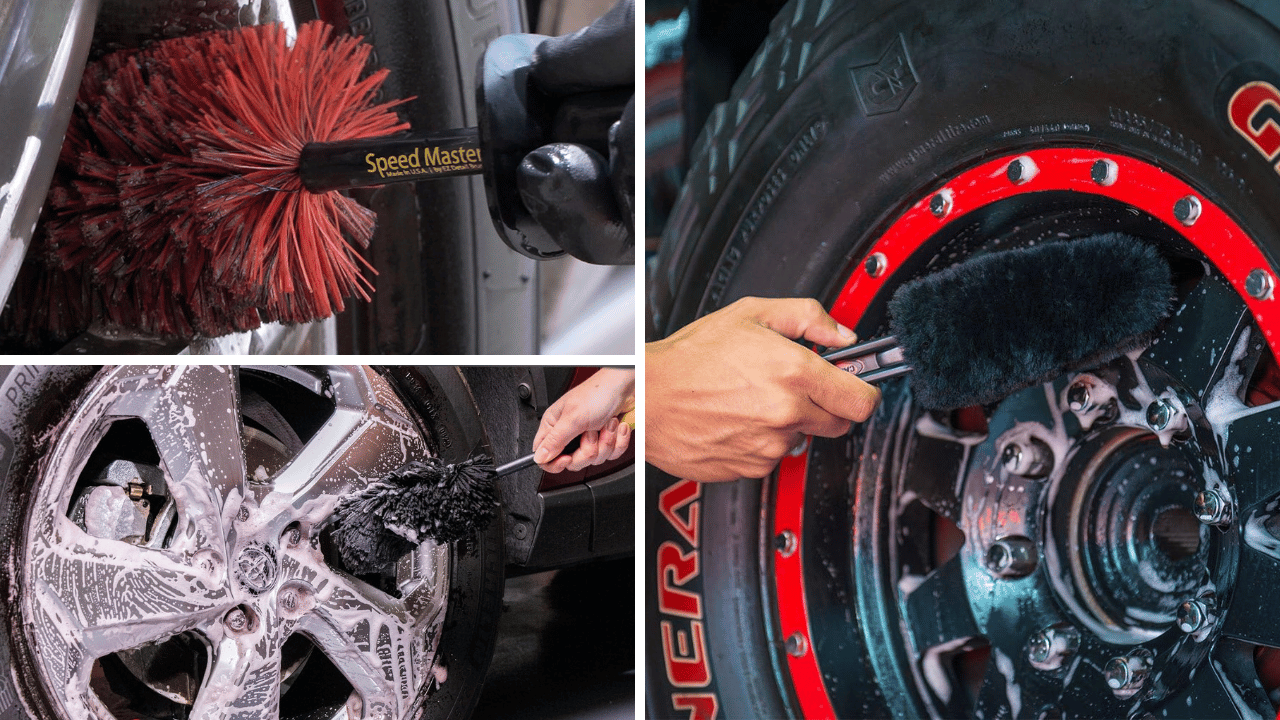
Understanding the common pitfalls and intrinsic properties of your wheels is crucial for preventing scratches during the cleaning process. Even with the right tools, improper technique or a lack of awareness can lead to unwanted damage. This section will guide you through recognizing these potential issues and taking proactive steps to avoid them, ensuring your wheels remain in pristine condition.
Common Mistakes Leading to Wheel Scratches
Many enthusiasts inadvertently introduce scratches to their wheels due to a few recurring errors. Recognizing these can significantly improve your wheel cleaning technique and protect your investment.
The most frequent mistakes include:
- Applying Excessive Pressure: Brushing too hard, especially on delicate finishes, can embed dirt particles into the brush and then into the wheel surface, causing micro-scratches.
- Using a Dry Brush: Attempting to scrub dirt off a dry wheel with a dry brush is a recipe for disaster. Grit and debris will be dragged across the surface, acting like sandpaper.
- Using the Wrong Brush Type: Employing a stiff-bristled brush on a soft finish, or a brush with embedded metal fragments from previous use, will inevitably lead to scratches.
- Neglecting Wheel Cleaner: Relying solely on mechanical action without adequate lubrication from a wheel cleaner leaves the surface vulnerable to abrasion.
- Failing to Rinse Thoroughly: Not rinsing away loose debris before and during brushing allows these particles to be churned into the paintwork.
- Scrubbing in Circular Motions on Certain Finishes: While sometimes effective, aggressive circular motions can exacerbate scratches on finishes like polished aluminum if not done with extreme care and lubrication.
Wheel Finish Susceptibility to Scratches
The material and coating of your wheels play a significant role in how prone they are to scratching. Different finishes require varying levels of care and specific approaches to cleaning.
Understanding your wheel’s finish is paramount:
- Clear Coat: This is a protective layer found on most painted or coated wheels. While durable, it can be scratched by abrasive materials or excessive force, revealing the color coat beneath.
- Polished Aluminum: This finish is highly reflective and achieved by mechanical polishing. It is very soft and easily scratched, often showing damage from even light contact with abrasive particles. Scratches on polished aluminum can be difficult to remove without professional polishing.
- Powder Coat: A durable and chip-resistant finish, powder coating is generally more resilient than clear coats. However, it can still be scratched by sharp objects or aggressive brushing.
- Chrome Plating: While very hard and reflective, chrome can be scratched, and once the plating is breached, corrosion can occur underneath. Care must be taken to avoid abrasive contact.
- Anodized Aluminum: This finish involves an electrochemical process that creates a hard, protective oxide layer. It is relatively scratch-resistant but can still be damaged by harsh chemicals or abrasive scrubbing.
Strategies for Inspecting Wheels for Existing Minor Scratches
Before you even think about reaching for your wheel brush, a thorough inspection of your wheels can save you from exacerbating existing damage or misdiagnosing new scratches. This pre-cleaning assessment is a vital step in proper wheel care.
Implement these inspection strategies:
- Pre-Cleaning Visual Check: With the wheels dry and clean (a quick rinse might be necessary), examine each wheel under good lighting. Look for any swirl marks, deeper gouges, or dull spots. Natural light is often best for revealing subtle imperfections.
- Tactile Inspection: Gently run a clean, lint-free microfiber cloth over the surface. If you feel any rough patches or catches, these are likely areas of damage that need careful attention.
- Post-Brushing Assessment: After completing your wheel cleaning, rinse and dry the wheels thoroughly. Perform another visual inspection. If new scratches appear, re-evaluate your technique, the brush used, and the lubrication applied during the cleaning process. Compare the post-cleaning condition to your pre-cleaning assessment.
Impact of Water Temperature on Scratch Prevention
The temperature of the water used during the wheel cleaning process can subtly but significantly influence the effectiveness of lubrication and the potential for scratching. Understanding this can optimize your cleaning efforts.
Consider the role of water temperature:
- Warm Water: Warm water is generally preferred for wheel cleaning. It helps to loosen brake dust and road grime more effectively, reducing the need for aggressive scrubbing. This increased lubrication minimizes the friction between the brush and the wheel surface, thereby reducing the risk of scratches.
- Cold Water: While it can still clean, cold water is less effective at breaking down stubborn contaminants. This might tempt you to apply more pressure with the brush, increasing the likelihood of scratches.
- Hot Water: Extremely hot water, while effective at loosening dirt, can sometimes be too aggressive for certain wheel finishes, potentially affecting sealants or waxes applied to the wheels. It’s best to use comfortably warm water.
The key is to use water as a lubricant. Warm water enhances this lubricating effect, making the entire cleaning process smoother and safer for your wheels.
Advanced Wheel Cleaning Scenarios and Brush Selection
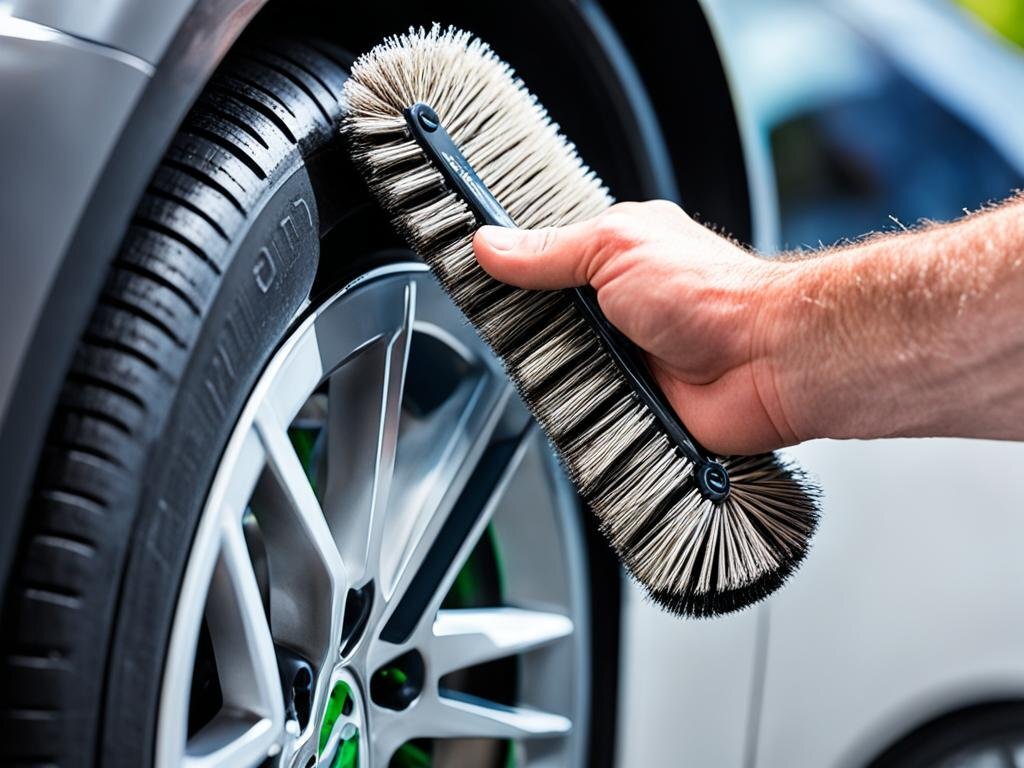
Navigating complex wheel designs and unique cleaning challenges requires a strategic approach to brush selection and application. This section delves into advanced scenarios, empowering you to tackle even the most demanding wheel cleaning tasks without compromising their pristine finish. We will explore how to adapt your brush arsenal and techniques for heavily soiled wheels with intricate details, protect delicate or aftermarket finishes, and address specialized components like brake calipers and barrels.When faced with wheels that have accumulated significant grime, particularly those with complex spoke patterns or deep recesses, a multi-brush strategy is essential.
The goal is to effectively reach all areas while minimizing the risk of scratching. This involves selecting brushes with varying stiffness, bristle types, and shapes to work in tandem.
Heavily Soiled Wheels with Intricate Spokes
Cleaning heavily soiled wheels with intricate spokes presents a significant challenge, demanding a methodical approach to ensure every nook and cranny is addressed without inflicting damage. The key lies in a tiered brush strategy, starting with broader coverage and progressing to finer detail work.For initial grime removal on heavily soiled, intricate wheels, a soft-bristled, long-handled wheel brush with a flexible head is an excellent starting point.
This allows for broad strokes to lift loose dirt and debris from larger surfaces and between spokes. Follow this with a dedicated spoke brush, which is typically narrower and more elongated, with softer, non-abrasive bristles. These brushes are designed to navigate the tight spaces between spokes, effectively dislodging embedded dirt without scratching the metal. For areas where spokes meet the wheel hub or rim edge, a detailing brush with a pointed tip and fine, soft bristles is invaluable.
This brush allows for precise cleaning in the most confined areas, preventing the buildup of brake dust and road film.
The principle of progressive cleaning, moving from general to specific, is paramount when tackling heavily soiled intricate wheels.
A common mistake is using a single, stiff brush for all areas. Instead, consider a system:
- Initial Rinse: Thoroughly rinse the wheels to remove loose dirt and grit.
- Pre-Soak: Apply a dedicated wheel cleaner and allow it to dwell according to the manufacturer’s instructions.
- Broad Surface Cleaning: Use a large, soft-bristled wheel brush to clean the main face of the wheel and the outer rim.
- Spoke Detailing: Employ a narrower, flexible spoke brush to clean between each spoke, working from the rim towards the hub.
- Calipers and Barrel Cleaning: Utilize specialized brushes (discussed later) for these areas.
- Final Rinse: Rinse thoroughly to remove all cleaning solution and loosened grime.
Selecting the Right Brush for Delicate or Aftermarket Wheels
Delicate or aftermarket wheels, often featuring polished finishes, chrome plating, or unique coatings, are particularly susceptible to scratching. The selection of brushes for these wheels must prioritize the utmost gentleness.For polished or chrome wheels, the primary concern is maintaining the mirror-like finish. Brushes with extremely soft, synthetic bristles are essential. Microfiber wheel brushes, designed with plush, non-abrasive fibers, are ideal for this purpose.
These brushes gently lift dirt without creating micro-scratches that can dull the shine. Similarly, boar’s hair brushes, known for their natural softness and ability to hold soap solution, can also be a safe choice, provided they are meticulously clean and free from any embedded grit. When using any brush on delicate wheels, always apply light pressure and work in a consistent direction to avoid swirling marks.For wheels with matte finishes or unique coatings, such as powder-coated or anodized wheels, the goal is to avoid abrasion that could dull or damage the finish.
Soft synthetic bristles are again the preferred choice. Avoid brushes with metal components or stiff bristles that could easily mar these surfaces. Always test a small, inconspicuous area first if you are unsure about a brush’s compatibility with a specific wheel finish.
Specialized Brushes for Specific Wheel Components
Beyond the main wheel face and spokes, other components of the braking system require specialized attention and brushes to ensure a thorough and safe clean.
Brake Calipers
Brake calipers are often subjected to intense heat and brake dust buildup. They can have intricate designs with multiple fins and crevices that trap grime. For cleaning brake calipers, a stiff-bristled, yet non-metallic, brush is often necessary to dislodge baked-on brake dust. Brushes with nylon or polypropylene bristles are suitable. A smaller, pointed detailing brush can be useful for reaching into tight corners and around brake line fittings.
It is crucial to use a dedicated caliper brush to prevent cross-contamination of brake dust onto wheel surfaces, which can lead to scratches.
Wheel Barrels
The wheel barrel, the inner part of the wheel, is often the dirtiest and most overlooked area. It is prone to accumulating brake dust, road tar, and grease. For cleaning wheel barrels, a long, flexible brush with soft to medium bristles is ideal. These brushes are designed to reach deep into the barrel and navigate the curves without scratching the inner rim.
Some barrel brushes have a curved or angled head to better access these areas. The material of the bristles should be chosen based on the wheel barrel’s finish; softer synthetic bristles are generally preferred for most finishes, while slightly stiffer ones might be needed for heavily soiled, bare metal barrels.
Routine for Regular Wheel Cleaning
Establishing a consistent routine for wheel cleaning is crucial for maintaining a scratch-free appearance and preventing the buildup of stubborn contaminants. This routine should incorporate the proper brushing techniques discussed throughout this guide.A recommended routine for regular wheel cleaning, aiming for a scratch-free finish, would be as follows:
- Weekly Wash (or every 500-750 miles): This is for light to moderate dirt.
- Rinse wheels thoroughly with water.
- Apply a pH-neutral wheel cleaner.
- Use a soft-bristled wheel brush for the face and outer rim.
- Use a dedicated spoke brush for between spokes.
- Rinse thoroughly.
- Dry with a clean microfiber towel.
- Bi-Weekly or Monthly Deep Clean (or as needed for heavier soiling): This addresses more ingrained dirt and brake dust.
- Follow the weekly wash steps.
- In addition, use a caliper brush to clean the brake calipers.
- Use a wheel barrel brush to clean the inner barrel of the wheel.
- For stubborn spots, a slightly stiffer (but still non-metallic) brush might be used sparingly on the barrel, followed by a thorough rinse.
- Ensure all cleaning products are fully rinsed off.
- Dry thoroughly with microfiber towels, paying attention to all crevices.
- As Needed (for extreme conditions or track use):
- Employ stronger wheel cleaners if necessary, always following manufacturer instructions and testing in an inconspicuous area.
- A more aggressive brushing technique might be required, but always with the appropriate soft brushes for the wheel’s finish.
- Thorough rinsing and drying are critical to prevent water spots and corrosion.
Consistency in your wheel cleaning routine is the most effective preventative measure against scratches.
By adhering to this structured approach, incorporating the right brushes for each task, and maintaining a regular schedule, you can ensure your wheels remain in immaculate condition, free from the unsightly marks of improper cleaning.
Last Point

By adhering to these detailed guidelines on brush selection, preparation, meticulous technique, and proper care, you can confidently maintain the stunning appearance of your wheels. Mastering the art of wheel brushing ensures that your vehicle’s aesthetic appeal is preserved, reflecting a commitment to detail and a passion for automotive excellence.