Embarking on a journey to master the art of cleaning involves understanding the tools at your disposal, and microfiber towels stand out as exceptional allies. Their unique composition offers superior cleaning capabilities, making them a preferred choice for many. This guide will navigate you through the essential steps to ensure your microfiber towels remain in pristine condition, maximizing their effectiveness and longevity.
We will explore the distinct characteristics that make microfiber so effective, differentiate between various types and their applications, and highlight the advantages they offer over conventional fabrics. Furthermore, we will delve into the crucial pre-washing steps, the optimal washing techniques, and the drying and storage methods that preserve their integrity. Finally, we will address common issues and provide solutions to keep your microfiber towels performing at their best.
Understanding Microfiber Towels
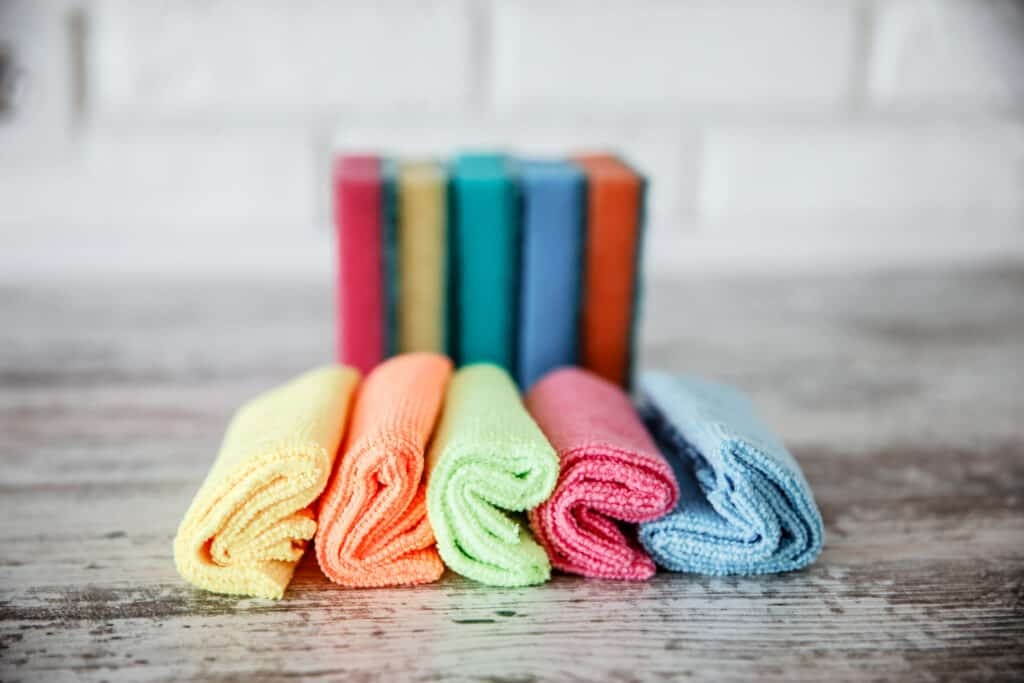
Microfiber towels represent a significant advancement in cleaning technology, offering superior performance compared to traditional fabric options. Their unique construction allows for exceptional effectiveness in capturing dirt, dust, and liquids, making them indispensable tools for a pristine environment.The effectiveness of microfiber lies in its engineered composition. These towels are made from synthetic fibers, typically a blend of polyester and polyamide (nylon), which are split into much finer strands than natural fibers like cotton.
This splitting process creates a vast surface area with many microscopic hooks and edges that excel at trapping particles and absorbing moisture.
Unique Properties of Microfiber
The distinct characteristics of microfiber fibers are the foundation of their cleaning prowess. These properties enable them to outperform conventional materials in various cleaning applications.Microfiber’s exceptional cleaning capabilities stem from several key properties:
- Extremely Fine Fibers: Microfibers are significantly thinner than human hair, often measured in denier (a unit of fiber fineness). A typical microfiber strand is about 1/100th the diameter of a human hair.
- High Surface Area: The fineness of the fibers results in an incredibly large surface area relative to their volume. This increased surface area allows for greater contact with surfaces and more efficient trapping of dirt and liquids.
- Split Fiber Technology: The manufacturing process splits each microfiber strand into even smaller wedge-shaped segments. These segments create millions of microscopic “hooks” and edges that actively grab and hold onto dirt, dust, grease, and bacteria.
- Electrostatic Charge: Dry microfiber towels can generate a static charge, which further attracts and holds fine dust particles, making them highly effective for dusting and dry wiping.
- Absorbency: Despite their fine nature, microfiber towels can absorb significantly more liquid than cotton towels of comparable weight. This is due to the capillary action created by the spaces between the densely packed fibers.
Types of Microfiber Towels and Their Uses
The versatility of microfiber is evident in the variety of towel types available, each engineered for specific cleaning tasks. Understanding these distinctions ensures optimal results for different applications.Microfiber towels are categorized by their weave, pile, and intended purpose, leading to specialized designs:
- All-Purpose Microfiber Towels: These are the most common type, featuring a balanced weave that makes them suitable for general cleaning, dusting, wiping spills, and everyday household tasks. They are typically medium-weight and durable.
- Waffle Weave Microfiber Towels: Characterized by a textured, waffle-like pattern, these towels excel at absorbing large amounts of liquid. They are ideal for drying dishes, car drying, and absorbing spills. The pattern also helps to lift and trap debris.
- Plush Microfiber Towels: With a long, soft pile, these towels are designed for delicate surfaces and high-gloss finishes. They are perfect for buffing waxes, polishes, and for drying sensitive car exteriors without scratching. Their plushness also enhances their absorbency and ability to trap microscopic particles.
- Glass Microfiber Towels: These towels have a tighter weave and a smooth texture, specifically designed to clean glass and mirrors without leaving streaks or lint. They are highly effective at lifting fingerprints and smudges, leaving surfaces crystal clear.
- Edgeless Microfiber Towels: These towels have no stitched edges, which further reduces the risk of scratching delicate surfaces. They are often used in automotive detailing and for high-end cleaning applications where absolute scratch prevention is paramount.
Benefits of Using Microfiber Towels
The adoption of microfiber towels offers a multitude of advantages over traditional cleaning materials, contributing to more effective, efficient, and environmentally conscious cleaning practices.The superiority of microfiber is demonstrated through its numerous benefits:
- Superior Cleaning Power: Microfiber’s ability to trap dirt, dust, and bacteria at a microscopic level far surpasses that of cotton or paper towels. This leads to a deeper, more thorough clean.
- Reduced Chemical Usage: The effective mechanical action of microfiber often means that cleaning can be achieved with just water, significantly reducing the need for harsh chemical cleaners. This is better for health and the environment.
- Lint-Free and Streak-Free Results: High-quality microfiber towels are designed to be lint-free, which is particularly important when cleaning glass, mirrors, and sensitive electronic screens.
- Durability and Longevity: When properly cared for, microfiber towels can withstand hundreds of washes, maintaining their effectiveness over time. This makes them a cost-effective choice in the long run compared to disposable options.
- Enhanced Absorbency: Microfiber can hold up to seven times its weight in liquid, making it highly efficient for soaking up spills and for drying tasks.
- Gentle on Surfaces: The soft nature of microfiber prevents scratching and damage to delicate surfaces, such as car paintwork, furniture finishes, and electronic displays.
“Microfiber’s microscopic structure is the key to its unparalleled ability to lift and trap contaminants, offering a cleaner outcome with less effort.”
Pre-Washing Preparation
Proper preparation before washing your microfiber towels is crucial to maintaining their integrity and ensuring they perform optimally for years to come. This stage involves separating them from other laundry, removing any lingering debris, and selecting the correct detergent. By taking these simple yet vital steps, you prevent damage, preserve their absorbency, and avoid cross-contamination.Proper preparation before washing your microfiber towels is crucial to maintaining their integrity and ensuring they perform optimally for years to come.
This stage involves separating them from other laundry, removing any lingering debris, and selecting the correct detergent. By taking these simple yet vital steps, you prevent damage, preserve their absorbency, and avoid cross-contamination.
Separating Microfiber Towels from Other Laundry
Microfiber possesses unique properties that make it highly effective for cleaning and drying. However, these same properties can cause it to attract lint and fibers from other types of fabrics. Washing microfiber with cotton items, for instance, can lead to your microfiber towels becoming covered in lint, significantly reducing their absorbency and effectiveness. Furthermore, abrasive materials can snag and damage the delicate microfiber strands.Therefore, it is essential to establish a dedicated washing routine for your microfiber towels.
This ensures they remain free from lint and other contaminants, preserving their superior cleaning capabilities.
- Dedicated Wash Loads: Always wash microfiber towels separately from all other laundry items, including other microfiber products that may have different intended uses (e.g., car detailing towels vs. kitchen towels).
- Avoid Mixing with Lint-Producing Fabrics: Never wash microfiber with cotton, terry cloth, or any other material known to shed lint.
- Consider Color Separation: While not as critical as fabric separation, separating light and dark colored microfiber towels can help prevent any potential color bleeding, especially with new or brightly colored items.
Checking and Removing Loose Debris
Before placing your microfiber towels into the washing machine, a quick inspection can prevent potential issues during the wash cycle. Loose debris, such as dirt, sand, or even small pebbles, can act as abrasives, potentially damaging the delicate microfiber structure or even the washing machine drum.Taking a moment to shake out your towels thoroughly will dislodge most loose particles. This simple action contributes significantly to the longevity of your towels and the efficiency of your washing machine.Here are some effective methods for checking and removing loose debris:
- Shake Vigorously: Take each towel outside and shake it vigorously. This is particularly effective for removing larger particles like sand, dirt, and hair.
- Inspect Edges and Seams: Pay close attention to the edges and seams of the towels, as debris can often accumulate in these areas. A soft brush can be useful for dislodging stubborn particles.
- Visual Inspection: Hold the towel up to a light source and visually inspect it for any embedded particles or foreign objects.
Selecting the Right Detergent for Microfiber
The choice of detergent plays a pivotal role in the care of microfiber towels. Traditional laundry detergents often contain fabric softeners, optical brighteners, and harsh chemicals that can clog the microscopic fibers of microfiber. These additives diminish the towel’s ability to absorb liquids and trap dirt effectively.Fabric softeners, in particular, create a coating on the microfiber strands, reducing their natural wicking and absorbency.
Optical brighteners can alter the color of your towels over time, and harsh chemicals can degrade the fibers themselves.For optimal performance and longevity of your microfiber towels, it is recommended to use detergents specifically formulated for microfiber or a mild, high-efficiency (HE) detergent.
“Microfiber is designed with a unique structure that requires specialized care. Harsh chemicals and additives found in conventional detergents can compromise its effectiveness.”
When choosing a detergent, consider the following:
- Detergent for Microfiber: These are specifically designed to clean microfiber without leaving residue or damaging the fibers. They are often free of fabric softeners and optical brighteners.
- Mild, HE Detergent: If a dedicated microfiber detergent is not available, opt for a mild, high-efficiency liquid detergent. Ensure it is free from fabric softeners and perfumes.
- Avoid Bleach and Fabric Softeners: Never use chlorine bleach or fabric softeners with your microfiber towels. Bleach can degrade the fibers, and fabric softeners will coat them, reducing absorbency.
The Washing Process: Best Practices
:max_bytes(150000):strip_icc()/rsp-tier-3-detail-amazon-basics-microfiber-cloths-ebrockob-001-2-bbb79ab50a754a3b91e8af185538d786.jpeg)
Now that your microfiber towels are ready and you’ve completed the pre-washing preparation, it’s time to dive into the actual washing process. Following the right techniques will ensure your towels remain effective, soft, and durable for countless uses. This section will guide you through the optimal methods for machine washing and, if needed, hand washing your microfiber towels.
Optimal Water Temperature
The temperature of the water used for washing microfiber towels significantly impacts their cleaning performance and longevity. Hot water can cause the fibers to break down prematurely, reducing their absorbency and effectiveness. Conversely, very cold water may not adequately dissolve detergents or remove embedded dirt and grime.
For the best results, wash microfiber towels in warm water. A temperature range of 105°F to 120°F (40°C to 50°C) is ideal. This temperature is hot enough to effectively clean and sanitize without causing damage to the delicate microfiber structure.
Recommended Washing Cycle and Spin Speed
The washing cycle and spin speed should be chosen to gently yet effectively clean the towels. Harsh cycles can lead to excessive wear and tear on the microfiber strands, while a spin speed that is too low might not extract enough water, leaving the towels damp for longer and potentially leading to mildew.
Select a gentle or delicate wash cycle for your microfiber towels. These cycles use less agitation, which is crucial for preserving the integrity of the microfiber. For spin speed, a medium setting is generally recommended. This will efficiently remove excess water without putting undue stress on the fibers. Avoid high spin speeds, as they can cause the fibers to clump together and lose their effectiveness.
Maximum Load Size for Effective Cleaning
Overloading your washing machine is a common mistake that hinders effective cleaning for all laundry, and microfiber towels are no exception. When towels are packed too tightly, water and detergent cannot circulate freely, preventing proper rinsing and cleaning.
To ensure thorough cleaning and rinsing, do not overload your washing machine. A good rule of thumb is to fill the drum no more than two-thirds full. This allows ample space for the towels to move freely, ensuring that water and detergent reach all surfaces and that all soap residue is rinsed away. If you have a large batch of towels, it’s better to wash them in two separate loads.
Acceptable Detergents for Microfiber Towels
The type of detergent used is critical. Many conventional detergents contain fabric softeners, bleach, or optical brighteners that can coat microfiber, reducing its absorbency and damaging its structure.
When selecting a detergent for your microfiber towels, prioritize those that are specifically designed for microfiber or are free from certain additives. The following types of detergents are generally considered acceptable:
- Detergents specifically formulated for microfiber towels.
- Mild, liquid detergents without fabric softeners, bleach, or optical brighteners.
- Powder detergents can sometimes leave residue, so liquid is often preferred.
- Detergents with a neutral pH are also a good choice.
Always check the product label to ensure it does not contain any of the prohibited ingredients.
Procedure for Hand-Washing Microfiber Towels
While machine washing is the most convenient method, hand washing is an excellent alternative for spot cleaning or when a washing machine is not available. It allows for more direct control over the cleaning process.
If hand-washing is necessary, follow these steps to ensure your microfiber towels are cleaned effectively:
- Fill a clean basin or sink with warm water (around 105°F to 120°F or 40°C to 50°C).
- Add a small amount of a mild, additive-free liquid detergent.
- Submerge the microfiber towels in the water and gently agitate them with your hands. Avoid harsh scrubbing or twisting, which can damage the fibers.
- Allow the towels to soak for about 15-30 minutes to loosen dirt and grime.
- Drain the soapy water and refill the basin with clean, warm water for rinsing.
- Gently rinse the towels, pressing out the soapy water. Repeat this rinsing process until all detergent residue is gone. This is crucial for maintaining absorbency.
- Gently squeeze out as much excess water as possible without wringing or twisting.
- Lay the towels flat or hang them to air dry, away from direct heat or sunlight.
This method ensures a thorough clean while being gentle on the delicate microfiber material.
What to Avoid During Washing
Properly caring for your microfiber towels involves not only knowing what to do but also understanding what to actively avoid. Certain common laundry practices and products can significantly degrade the effectiveness and longevity of microfiber, turning what should be a high-performance cleaning tool into a less useful item. This section will guide you through the pitfalls to sidestep for optimal microfiber care.Understanding these “don’ts” is crucial for maintaining the unique cleaning properties of microfiber.
These materials are designed with fine, split fibers that excel at trapping dirt, dust, and moisture. However, they are also sensitive to certain chemicals and abrasive actions that can compromise this structure.
Laundry Additives to Exclude
Several common laundry additives can negatively impact microfiber’s cleaning capabilities. These substances can coat the fibers, reducing their ability to attract and hold onto dirt and liquids, and can also lead to premature wear and tear.When selecting laundry products, it is essential to opt for those specifically designed for delicate fabrics or to use them sparingly. The primary goal is to clean the microfiber without leaving behind residues that hinder its performance.
Fabric Softener’s Detrimental Effect
Fabric softeners are a significant enemy of microfiber towels. These products are designed to coat fabric fibers, making them feel softer and smoother. However, this coating directly interferes with the very structure that makes microfiber effective.The microscopic pores and the electrostatic charge that allow microfiber to grab dirt, dust, and moisture are blocked by the waxy or silicone-based ingredients in fabric softeners.
This leads to a dramatic reduction in absorbency and cleaning power, rendering the towels less effective for their intended purpose. Over time, repeated use of fabric softener can permanently damage the microfiber’s structure.
The Prohibition of Bleach
Bleach, whether chlorine-based or oxygen-based, should be strictly avoided when washing microfiber towels. While bleach is effective at whitening and sanitizing other fabrics, it is too harsh for the delicate structure of microfiber.Chlorine bleach, in particular, can break down the synthetic fibers that make up microfiber, causing them to fray, weaken, and lose their cleaning efficacy. Even oxygen bleaches, which are generally gentler, can still degrade the microfiber’s integrity over time.
The goal of washing microfiber is to clean it thoroughly without damaging its unique fiber composition.
Risks of Washing with Zippers and Hooks
Washing microfiber towels alongside items with zippers, hooks, Velcro, or other abrasive fasteners poses a considerable risk to the towels’ integrity. These hard components can snag, tear, and create pulls in the delicate microfiber fabric.When microfiber gets snagged, the fine fibers can be pulled out, creating fuzzy patches and reducing the surface area available for cleaning. This not only diminishes the towel’s performance but can also lead to unsightly damage.
To prevent this, it is best practice to wash microfiber towels separately or with other items that do not have abrasive closures. If washing with mixed loads is unavoidable, ensure all zippers are closed and Velcro is fastened to minimize potential damage.
Drying Your Microfiber Towels
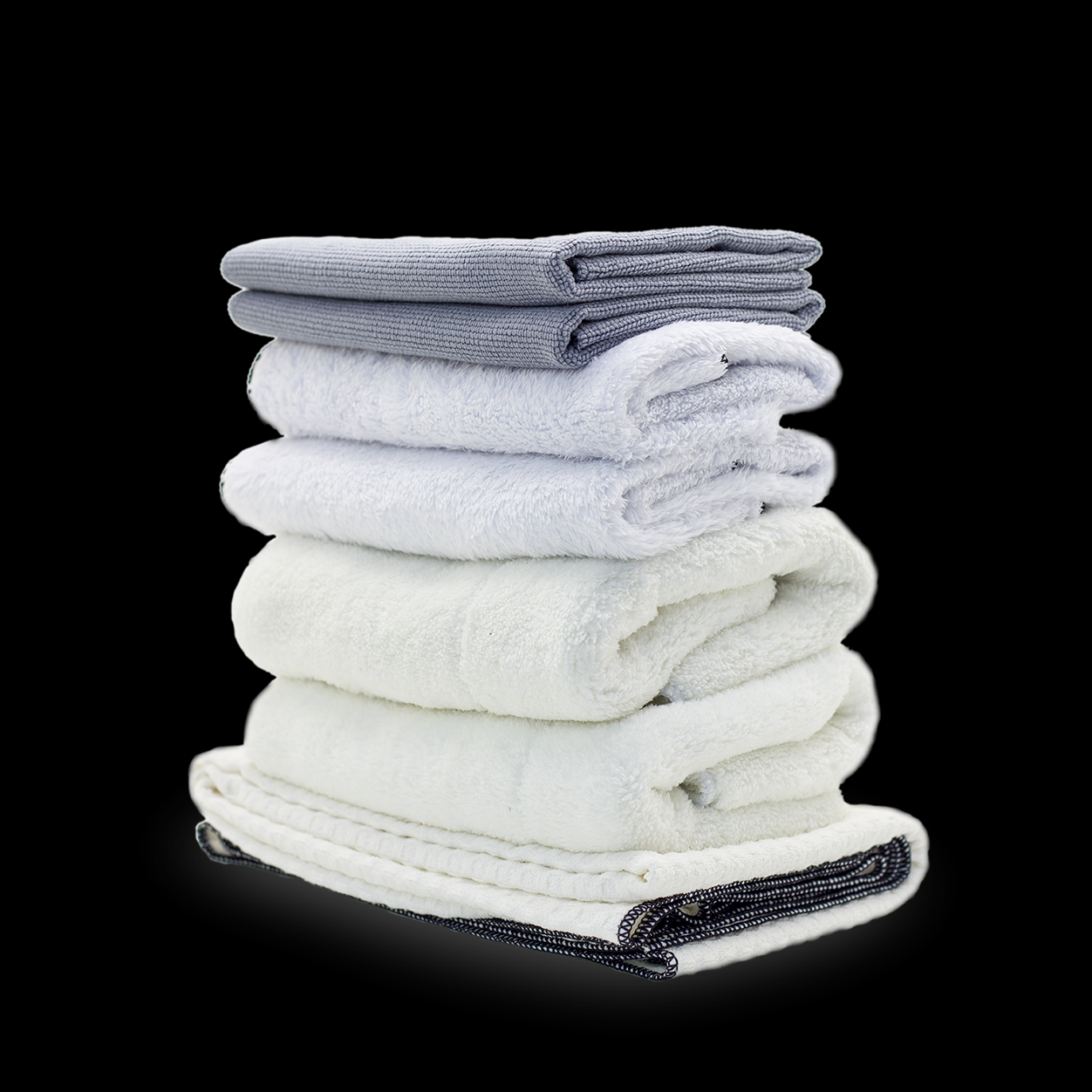
Proper drying is a crucial step in maintaining the absorbency and softness of your microfiber towels. Incorrect drying methods can lead to heat damage, reduced effectiveness, and a shortened lifespan for these valuable cleaning tools. By following best practices, you can ensure your microfiber towels remain in excellent condition for countless uses.The goal of drying microfiber towels is to remove moisture without compromising the integrity of the delicate fibers.
Microfibers are designed to trap dirt and absorb liquids efficiently, and this ability can be diminished if the fibers become fused or damaged by excessive heat. Therefore, a gentle approach is always recommended.
Low-Heat Tumble Drying
Tumble drying can be an efficient way to dry microfiber towels, but it’s essential to use the correct settings to prevent damage. The key is to minimize heat exposure.When using a tumble dryer, always select the lowest heat setting available. Many dryers offer a “low heat” or “air fluff” option, which is ideal for microfiber. This setting provides enough warmth to evaporate moisture without causing the synthetic fibers to melt or fuse together.Avoid using high heat settings, as this can permanently damage the microfiber’s structure, making it less effective at absorbing and trapping dirt.
It’s also beneficial to remove the towels from the dryer as soon as they are dry to prevent over-drying, which can lead to static cling and a rougher texture. Adding a few clean tennis balls or dryer balls can help to fluff the towels and speed up the drying process, further reducing the time they spend in the dryer.
Air-Drying Microfiber Towels
Air-drying is the gentlest method for drying microfiber towels and is highly recommended for preserving their properties. This method eliminates the risk of heat damage entirely.To air-dry your microfiber towels, hang them on a clothesline, drying rack, or even over a shower rod. Ensure that there is adequate air circulation around each towel. This can be achieved by spacing them out and avoiding overcrowding.Allowing the towels to dry naturally in a well-ventilated area, away from direct sunlight, is the most effective approach.
Direct sunlight can degrade the synthetic fibers over time, making them brittle and less absorbent. While it may take longer than tumble drying, air-drying is the best way to ensure your microfiber towels maintain their superior absorbency and softness for the longest possible time.
Ideal Drying Temperature
The ideal drying temperature for microfiber towels is as low as possible, ideally ambient or very low heat.
Microfiber fibers are sensitive to high temperatures. Exposing them to excessive heat can cause irreversible damage, fusing the fibers and significantly reducing their cleaning capabilities.
For tumble drying, this translates to using the “low heat” or “air fluff” setting, which typically operates at temperatures below 140°F (60°C). For air-drying, the temperature is simply the ambient room temperature, which is perfectly safe. Even slightly warm air circulation from a fan can be beneficial for faster air-drying without introducing damaging heat.
Storing Microfiber Towels
Proper storage is a crucial step in maintaining the integrity and effectiveness of your microfiber towels. Just as careful washing and drying are essential, so too is how you store them between uses. Incorrect storage can negate all your previous efforts, leading to dust accumulation, lint transfer, and even damage to the delicate fibers. By implementing a few simple practices, you can ensure your microfiber towels remain in pristine condition, ready for their next task.The goal of proper storage is to protect the microfiber’s unique structure, which is designed to trap dirt and absorb liquids efficiently.
When microfiber towels are exposed to dust, lint, or harsh environments, their ability to perform optimally is compromised. This section will guide you through the best methods to keep your valuable microfiber towels in excellent shape.
Ideal Storage Environment
Creating the right environment for your microfiber towels is paramount to preventing contamination and preserving their cleaning power. Exposure to airborne particles and other materials can quickly render them less effective or even unsuitable for delicate tasks like paint polishing.The ideal storage location for microfiber towels is a clean, dry, and enclosed space. This could be a dedicated shelf in a clean cabinet, a storage bin, or a drawer.
It is important to ensure that the area is free from:
- Dust and airborne debris
- Lint-producing materials (e.g., cotton towels, blankets)
- Chemical fumes or strong odors
- Excessive moisture or humidity
- Direct sunlight, which can degrade fibers over time
Consider using breathable storage containers, such as plastic bins with ventilation or fabric storage bags, to allow for air circulation while still protecting the towels from dust. Avoid storing them in open baskets or on shelves exposed to the general environment, especially in workshops or garages where dust is prevalent.
Folding and Rolling Techniques
The way you fold or roll your microfiber towels can significantly impact how much space they occupy and how easily they can be accessed without causing lint transfer. Different methods can also help maintain the integrity of the fibers.Here are recommended techniques for storing your clean microfiber towels:
- Flat Folding: This is a simple and effective method. Lay the towel flat and fold it in half lengthwise, then in half again, or into thirds, depending on the desired size. This method is good for stacking.
- Rolling: For some types of microfiber towels, especially those used for buffing or polishing, rolling can be beneficial. Start from one corner and roll diagonally towards the opposite corner. This can help prevent sharp creases that might become permanent.
- Individual Storage: For high-quality or specialized microfiber towels (e.g., paint correction towels), consider storing each one separately. This can be achieved by folding them and placing them in individual plastic bags or sleeves. This ensures that no lint or debris from one towel transfers to another.
When folding or rolling, ensure the towels are completely dry. Avoid overstuffing storage containers, as this can compress the fibers and reduce their loft and absorbency. The aim is to store them in a way that keeps them flat and uncreased, preserving their delicate structure for optimal performance.
Troubleshooting Common Microfiber Towel Issues
Even with the best care, microfiber towels can sometimes encounter issues that affect their performance. Understanding the root causes and knowing how to address them will help you maintain your towels’ effectiveness and longevity. This section will guide you through common problems and their solutions.Microfiber’s unique structure, designed for superior absorbency and cleaning, can be compromised by improper washing or contamination.
Recognizing these issues is the first step to restoring your towels to their optimal state.
Causes of Microfiber Towel Loss of Absorbency
Several factors can lead to microfiber towels becoming less absorbent over time. These often stem from residue buildup that prevents the fibers from effectively trapping moisture.
- Detergent Buildup: Using too much detergent, or detergents with fabric softeners or bleach, can leave a waxy coating on the fibers, hindering their ability to absorb water.
- Fabric Softener Contamination: Fabric softeners are designed to coat fibers and make them feel softer. This coating directly interferes with microfiber’s absorbent properties by creating a barrier.
- Heat Damage: Excessive heat during washing or drying can melt or damage the delicate microfiber strands, reducing their effectiveness.
- Lint and Residue Transfer: Washing microfiber with other fabrics, especially cotton, can transfer lint and residue onto the microfiber, clogging the fibers.
- Chemical Contamination: Exposure to oils, grease, waxes, or harsh chemicals can permanently alter the microfiber structure or create residues that repel water.
Restoring Absorbency of Old or Neglected Microfiber
Fortunately, many cases of reduced absorbency can be reversed with a proper deep cleaning. This process aims to strip away any accumulated residues.Before attempting to restore absorbency, it’s crucial to ensure the towels are free from any loose debris. A quick shake-out outdoors can remove surface lint.
To effectively restore absorbency, follow these steps:
- Pre-soak: Soak the towels in a bucket of hot water with a dedicated microfiber cleaner or a small amount of white vinegar for at least 30 minutes. This helps to break down residues.
- Wash with Vinegar: Wash the towels in a washing machine on a hot water cycle using a high-quality microfiber detergent. Add 1 to 2 cups of white vinegar to the rinse cycle instead of fabric softener. The vinegar acts as a natural cleaning agent and helps to strip residues.
- Rinse Thoroughly: Ensure the towels are thoroughly rinsed to remove all detergent and vinegar. An extra rinse cycle might be beneficial.
- Air Dry or Low Heat Dry: Air dry the towels whenever possible. If using a dryer, opt for a low heat setting.
Dealing with Static Cling in Microfiber Towels
Static cling is a common annoyance with microfiber, especially in dry environments or after drying. This occurs due to the friction between the synthetic fibers.Static electricity can make towels cling to each other and other fabrics, which is not only inconvenient but can also transfer lint.
Here are effective methods to combat static cling:
- Use Dryer Balls: Wool or rubber dryer balls help to separate the towels during the drying cycle, reducing friction and thus static.
- Vinegar in the Rinse Cycle: As mentioned for absorbency, white vinegar in the rinse cycle can help to reduce static by acting as a natural anti-static agent.
- Avoid Over-Drying: Remove towels from the dryer when they are slightly damp and allow them to air dry the rest of the way. Over-drying exacerbates static.
- Anti-Static Spray (Use Sparingly): In persistent cases, a light mist of a dedicated anti-static spray designed for fabrics can be used, but this should be a last resort as some sprays can leave residues.
Removing Stubborn Stains from Microfiber
Microfiber’s absorbent nature means it can sometimes pick up tough stains. Prompt and appropriate action is key to successful stain removal.Stubborn stains require targeted treatments to lift them from the fibers without damaging the material.
For various types of stubborn stains, consider these solutions:
- General Stains (e.g., dirt, light grease):
- Apply a small amount of dedicated microfiber cleaner or a mild, bleach-free laundry detergent directly to the stain.
- Gently rub the cleaner into the stain with your fingers or a soft brush.
- Let it sit for 5-10 minutes before washing as usual.
- Grease and Oil Stains:
- Blot the stain immediately to absorb excess oil.
- Sprinkle the stained area with cornstarch, baking soda, or talcum powder to absorb more oil. Let it sit for at least 30 minutes, then brush off.
- Pre-treat with a degreasing dish soap (like Dawn) or a specialized laundry stain remover for grease.
- Wash in the hottest water safe for the towel.
- Ink Stains:
- Place a clean cloth or paper towel under the stain.
- Dab the stain with rubbing alcohol or an alcohol-based hand sanitizer. Work from the outside of the stain inward.
- Continue dabbing until the ink is no longer transferring.
- Rinse thoroughly and wash as usual.
- Set-in Stains:
- For older, set-in stains, a pre-soak with a microfiber cleaner or an oxygen-based stain remover (like OxiClean) can be effective. Follow the product instructions carefully.
- A soak in hot water with white vinegar can also help loosen some set-in stains before washing.
Always test any stain removal product on an inconspicuous area of the towel first to ensure it does not cause discoloration or damage.
Extending the Lifespan of Your Microfiber Towels
Maintaining your microfiber towels with a consistent routine is paramount to ensuring they perform optimally and last for a significant period. Just like any high-quality tool, regular care prevents premature wear and tear, saving you money and maintaining the effectiveness of your cleaning arsenal. This section will guide you through establishing a maintenance schedule, inspecting for damage, and understanding when it’s time for a replacement.Proper maintenance goes beyond just washing; it involves a proactive approach to identifying potential issues before they become major problems.
By implementing a few simple practices, you can significantly prolong the life of your microfiber towels and ensure they continue to deliver excellent results for years to come.
Routine Maintenance Schedule
Establishing a regular maintenance schedule will help you stay on top of your microfiber towel care. This proactive approach ensures consistent performance and longevity.A well-structured schedule should incorporate regular washing, drying, inspection, and proper storage. By adhering to these practices, you can prevent damage and maintain the integrity of the microfiber fibers.
- After Each Use: Wash microfiber towels as soon as possible after use, especially if they have been used with cleaning chemicals or are heavily soiled. This prevents dirt and residue from setting into the fibers.
- Weekly Inspection: Dedicate a few minutes each week to visually inspect your most frequently used towels. Look for any signs of damage or excessive wear.
- Monthly Deep Clean (Optional): For heavily used towels or those used for critical tasks, consider a monthly deep clean using a specialized microfiber cleaner to ensure all residues are removed.
- Seasonal Review: Twice a year, conduct a thorough review of all your microfiber towels. This is a good time to identify any towels nearing the end of their lifespan and to organize your inventory.
Inspecting Towels for Wear and Tear
Regular visual inspection is a critical component of extending the lifespan of your microfiber towels. Catching issues early can prevent them from worsening and rendering the towel unusable.When inspecting your towels, focus on the condition of the fibers, the stitching, and any signs of chemical damage or excessive pilling. These indicators will help you determine the overall health of the towel.
- Fiber Condition: Run your hand over the towel’s surface. The fibers should feel soft and fluffy. If they feel stiff, rough, or matted, it may indicate residue buildup or damage. Look for any signs of fraying or broken fibers.
- Stitching and Edges: Examine the seams and edges of the towel. Loose threads, unraveling stitches, or fraying edges are clear signs of wear and can lead to the towel falling apart over time.
- Stains and Discoloration: While some stains may be cosmetic, persistent discoloration, especially if accompanied by a change in texture, could indicate chemical damage or improper washing that has permanently affected the fibers.
- Absorbency Check: Test the towel’s absorbency by placing a small amount of water on it. If the water beads up or doesn’t absorb readily, the towel’s effectiveness has likely diminished.
Timely Replacement for Damaged Towels
While we aim to extend the life of our microfiber towels, there comes a point when replacement is necessary. Continuing to use damaged or degraded towels can be counterproductive and even harmful to the surfaces you are cleaning.Recognizing when a towel has reached its end-of-life is crucial for maintaining effective cleaning practices. Damaged towels can spread contaminants, scratch surfaces, and simply fail to perform their intended function.
“A compromised microfiber towel is no longer a tool for effective cleaning; it becomes a potential liability.”
- Loss of Absorbency: If a towel no longer absorbs liquids effectively, even after proper washing and drying, its fibers have likely degraded, and it should be retired.
- Visible Damage: Towels with significant fraying, unraveling seams, or large areas of matted or broken fibers should be replaced. These issues compromise the towel’s cleaning ability and can lead to scratching.
- Chemical Contamination: If a towel has been permanently stained or its fibers altered by harsh chemicals, and these effects cannot be removed through proper cleaning, it’s best to discard it to avoid cross-contamination.
- Reduced Cleaning Performance: If you notice that surfaces are not coming clean as they used to, or if you’re seeing streaks or lint left behind, it’s a strong indicator that your microfiber towels are no longer performing optimally and may need replacement.
Simple Checklist for Regular Microfiber Towel Care
To make maintaining your microfiber towels effortless, consider using this simple checklist. It consolidates the key aspects of microfiber towel care into an easy-to-follow guide.Regularly ticking off these points will ensure your towels remain in excellent condition, providing you with reliable cleaning performance.
| Task | Frequency | Status (✓) | Notes |
|---|---|---|---|
| Wash towels after use | As needed | ||
| Inspect for fiber damage | Weekly | ||
| Check stitching and edges | Weekly | ||
| Assess absorbency | Monthly | ||
| Check for chemical stains/damage | Monthly | ||
| Evaluate overall performance | Monthly | ||
| Identify towels for replacement | Seasonally |
Concluding Remarks
By adhering to these comprehensive guidelines, you will not only extend the lifespan of your valuable microfiber towels but also ensure they consistently deliver exceptional cleaning performance. Proper care transforms these cleaning essentials into long-term investments, maintaining their absorbency, softness, and effectiveness for countless uses. Embrace these practices to unlock the full potential of your microfiber collection.