Embarking on the quest to remove stickers and decals can sometimes feel like a battle against stubborn adhesives, leaving behind frustrating remnants. This guide, “How to Remove Stickers and Decals Without Residue,” is your comprehensive companion, promising to transform this often-dreaded task into a straightforward and successful endeavor. We’ll explore the science behind those pesky sticky situations and equip you with the knowledge and techniques to restore surfaces to their pristine condition.
Understanding the nature of adhesives and the factors that make them cling tenaciously is the first step toward liberation. From common household items to specialized tools, we’ll delve into preparation, gentle methods for delicate surfaces, and effective solutions for even the most stubborn residue. Our journey will cover everything from peeling techniques to the best solvents, ensuring you can tackle any sticker removal challenge with confidence and care.
Understanding Sticker Residue
Stickers and decals are a popular way to personalize items, express oneself, or convey information. However, the adhesive that keeps them in place can often leave a stubborn residue behind when the sticker is removed, presenting a common and sometimes frustrating challenge. Understanding the nature of this residue is the first step toward effective removal.The persistence of sticker residue is directly linked to the types of adhesives used and their chemical properties.
These adhesives are formulated to bond with surfaces, and their composition dictates how they interact with the substrate and how they break down (or fail to break down) over time, leading to the sticky remnants we often encounter.
Common Adhesive Types in Stickers and Decals
Adhesives used in stickers and decals vary widely in their formulation, affecting their stickiness, removability, and the residue they leave. Understanding these types can help predict how a sticker will behave.
- Acrylic Adhesives: These are very common and offer a good balance of tack (initial stickiness) and shear strength (resistance to sliding). They are generally durable and resistant to temperature changes and UV light, making them suitable for outdoor applications. However, some acrylic adhesives can be quite aggressive and may leave a strong residue that requires specific solvents for removal.
- Rubber-Based Adhesives: Often referred to as “tackifiers,” these adhesives provide high initial tack, meaning they stick very quickly upon contact. They are typically more flexible than acrylics but can be less durable and may degrade faster, especially when exposed to heat or sunlight. The residue from rubber-based adhesives can be gummy and easy to smear, making it challenging to remove cleanly.
- Silicone Adhesives: These are known for their excellent temperature resistance and their ability to adhere to difficult surfaces, including silicone itself. They are often used in high-performance applications like electronics or automotive decals. Silicone adhesives are generally designed for reusability and low residue, but if they are formulated for permanent adhesion, the residue can be challenging to tackle.
- Pressure-Sensitive Adhesives (PSAs): This is a broad category encompassing many of the above. PSAs are designed to form a bond under light pressure, without requiring heat or a solvent. Their properties can be tailored for permanent or removable applications. Removable PSAs are formulated to break their bond with the surface cleanly, but this isn’t always perfectly achieved, especially with older stickers.
Chemical Properties Causing Sticker Residue
The sticky nature of sticker residue stems from the inherent chemical properties of the adhesives used. These properties dictate how the adhesive interacts with surfaces and how it degrades.The primary reason sticker residue forms is that the adhesive does not entirely release from the surface when the sticker is peeled. This can occur due to several factors related to the adhesive’s chemical composition:
- Polymerization and Cross-linking: Some adhesives, particularly acrylics, can undergo further polymerization or cross-linking over time. This process can make the adhesive more rigid and harder to remove, causing it to break into small, sticky fragments rather than peeling off cleanly.
- Plasticizers and Tackifiers: Many adhesives contain plasticizers and tackifiers, which are compounds that keep the adhesive flexible and tacky. Over time, these components can migrate to the surface or degrade, leaving behind a sticky, oily film.
- Surface Energy Interaction: The adhesive’s ability to bond is also influenced by the surface energy of the material it’s applied to. If the adhesive has a strong affinity for the surface (high surface energy interaction), it will be more difficult to pull away cleanly.
- Oxidation and Degradation: Exposure to oxygen, UV radiation, and heat can cause adhesives to oxidize and degrade. This process can alter their chemical structure, making them brittle or sticky and leading to the formation of residue.
Factors Influencing Residue Removal Difficulty
The ease with which sticker residue can be removed is not solely dependent on the adhesive type. Several external factors significantly impact the tenacity of the residue.The age of the sticker and its environmental history play crucial roles in how stubbornly the residue adheres. Older adhesives have had more time to cure, bond, and react with their surroundings, making them more challenging to dislodge.
- Age of the Sticker: Over time, adhesives cure and harden, forming a stronger bond with the surface. This curing process can make the adhesive more brittle or, conversely, more deeply integrated with the surface material. For instance, a sticker applied just a few days ago might peel off with minimal residue, while one that has been in place for several years may have an adhesive that has effectively become one with the surface.
- Environmental Exposure: Stickers exposed to sunlight (UV radiation), extreme temperatures (heat or cold), humidity, or harsh chemicals will experience accelerated degradation of the adhesive. UV radiation can break down polymer chains, making the adhesive brittle and prone to flaking, or it can cause some components to oxidize, leaving a sticky, gummy residue. Heat can cause adhesives to soften and flow, penetrating porous surfaces, while cold can make them brittle.
For example, a car bumper sticker left in the sun for years will likely have a residue that is baked on and much harder to remove than a sticker on an indoor item.
- Surface Porosity and Material: The type of surface the sticker is applied to is a critical factor. Porous surfaces, like unfinished wood or certain plastics, can absorb the adhesive over time, making it nearly impossible to remove completely without damaging the surface. Smooth, non-porous surfaces, such as glass or finished metal, generally allow for easier residue removal as the adhesive sits on the surface rather than being absorbed.
- Initial Application Pressure: The amount of pressure applied when the sticker was first placed can also influence residue. More pressure can force the adhesive deeper into microscopic imperfections on the surface, creating a stronger bond that is harder to break.
Preparation and Initial Removal Steps
Before diving into the specifics of tackling sticker residue, it’s crucial to establish a solid foundation by preparing the surface and executing the initial sticker removal with care. This proactive approach not only makes the subsequent residue removal much easier but also significantly reduces the risk of damaging the underlying material. Taking a few moments for preparation can save you a considerable amount of time and frustration later on.The primary goal during this stage is to remove as much of the sticker as possible in one piece, minimizing the spread of adhesive.
This often involves a combination of gentle force and, in some cases, a little help from common household items. By approaching this step methodically, you can often lift the majority of the sticker cleanly, leaving behind only a small amount of stubborn residue to address.
Essential Preparatory Actions
Prior to any attempt at peeling, it is beneficial to assess the sticker and the surface it adheres to. Understanding the material you are working with will inform the best approach. For instance, a sticker on glass will tolerate different methods than one on paper or painted wood. Ensure the surface is clean and dry, free from dust or debris that could interfere with the peeling process or cause scratches.
If the sticker is old and brittle, applying a gentle heat source might make it more pliable and easier to remove.
Common Household Items for Initial Sticker Removal
A variety of readily available household items can significantly aid in the initial removal of stickers. These items work by softening the adhesive or providing a tool for gentle lifting. Having these on hand can make the process smoother and more effective.
- Hair Dryer: A common and effective tool for softening adhesives.
- Plastic Scraper or Old Credit Card: Useful for gently lifting the edges of the sticker without scratching most surfaces.
- Rubbing Alcohol (Isopropyl Alcohol): Can help to break down some adhesives, making them easier to peel.
- Warm Water and Dish Soap: A gentle solution for many surfaces, particularly useful for glass or ceramics.
- Nail Polish Remover (Acetone-based): More potent than rubbing alcohol, but should be used with caution on certain materials.
Safe Method for Peeling Stickers
The most effective way to peel a sticker is to start from a corner and peel slowly and steadily. This method aims to lift the sticker in one continuous motion, preventing it from tearing into small pieces. Patience is key here; rushing the process can lead to more residue.
- Identify a Starting Point: Locate a corner or edge of the sticker that appears to be lifting slightly or is easy to access.
- Gentle Lifting: Use your fingernail or the edge of a plastic scraper (like an old credit card) to carefully lift this corner. Avoid sharp metal objects that could scratch the surface.
- Slow and Steady Peeling: Once a corner is lifted, begin to peel the sticker back at a low angle, ideally around 180 degrees. Pull slowly and evenly, maintaining consistent pressure.
- Apply Heat if Necessary: If the sticker is resistant or begins to tear, use a hairdryer on a low to medium heat setting. Hold it a few inches away from the sticker and move it back and forth for about 30-60 seconds. The heat softens the adhesive, making it more pliable. Immediately try peeling again after applying heat.
- Work in Sections: For larger stickers, it may be beneficial to peel in sections. Apply heat to a small area, peel that section, then move to the next.
- Lubricate if Stuck: If the sticker is still proving difficult, a small amount of rubbing alcohol or a mild soap and water solution applied to the edge can sometimes help the adhesive release.
“The slower you peel, the less residue you’ll likely leave behind.”
Gentle Removal Methods for Delicate Surfaces
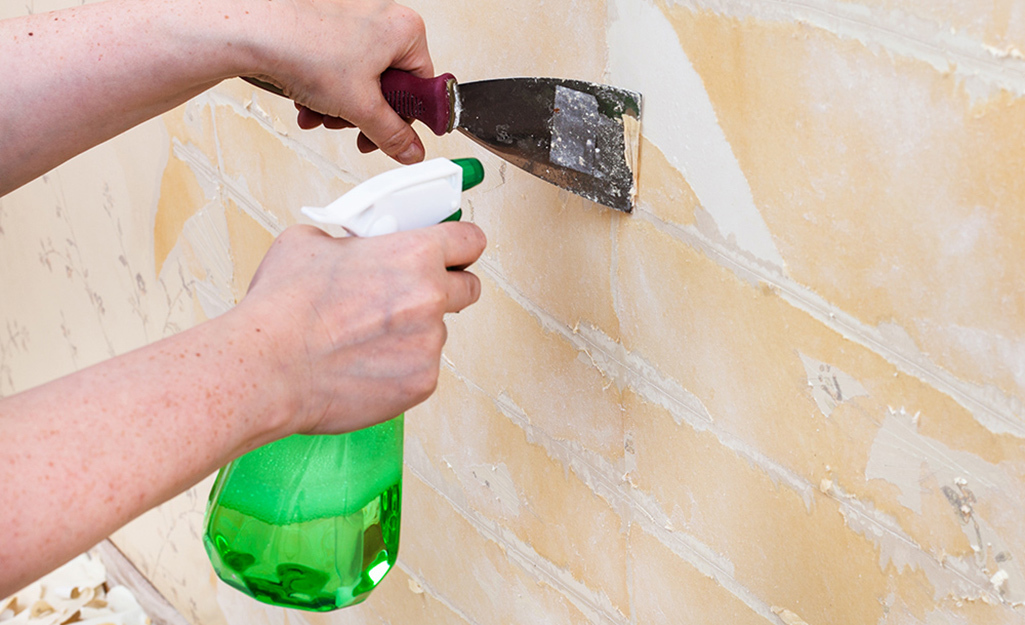
While many stickers can be removed with relative ease, certain surfaces require a more delicate touch to prevent damage. This section Artikels specialized techniques for tackling stickers on painted finishes, glass, and plastic, ensuring a clean removal without compromising the integrity of the material.
Understanding the material’s properties is paramount. Painted surfaces can be scratched or have their finish lifted, glass can be etched or scratched, and plastic can become discolored or warped with aggressive removal methods. The following procedures are designed to mitigate these risks.
Painted Surfaces
Removing stickers from painted surfaces, such as walls or vehicles, demands a cautious approach to avoid damaging the paintwork. The goal is to soften the adhesive and lift the sticker without abrading or lifting the paint itself.
Here is a step-by-step procedure for removing stickers from painted surfaces:
- Test a small, inconspicuous area: Before applying any method to the main sticker, test it on a hidden spot to ensure it doesn’t affect the paint’s color or texture.
- Warm the sticker: Gently warm the sticker using a hairdryer on a low heat setting. Hold the hairdryer about 6 inches away and move it constantly over the sticker for 30-60 seconds. This softens the adhesive.
- Peel slowly from a corner: Using a plastic scraper, a credit card, or your fingernail, gently lift a corner of the sticker. Once a corner is lifted, slowly and steadily peel the sticker away at a low angle, parallel to the surface. Avoid pulling upwards, which can tear the sticker and leave more residue.
- Address stubborn residue: If residue remains, apply a small amount of a mild, pH-neutral soap and water solution to a soft cloth. Gently rub the residue in a circular motion. For more persistent adhesive, a specialized sticker remover designed for painted surfaces can be used sparingly. Apply it to a cloth, not directly to the paint, and dab at the residue.
- Clean and protect: Once the sticker and all residue are removed, clean the area with mild soap and water and dry thoroughly. For vehicle paint, consider applying a coat of wax or sealant to protect the area.
Glass Surfaces
Glass is more durable than painted surfaces, but it is still susceptible to scratches. The primary concern here is to avoid abrasive materials and techniques that could leave permanent marks.
The following method prioritizes scratch prevention for sticker removal from glass:
- Warm the glass: Similar to painted surfaces, warming the glass with a hairdryer can significantly help soften the adhesive. Directing warm air onto the sticker for a minute or two is usually sufficient.
- Use a non-abrasive tool: A plastic razor blade scraper or an old credit card are excellent tools for lifting stickers from glass. Hold the tool at a very low angle to the glass and gently push under the edge of the sticker.
- Lubricate the edge: For particularly stubborn stickers, a spray of glass cleaner or a solution of water and a few drops of dish soap can act as a lubricant, allowing the scraper to glide more easily and reducing the risk of scratching.
- Soak and scrape: If the sticker is very resistant, you can try soaking a cloth or paper towel in warm, soapy water or a glass cleaner and placing it over the sticker for several minutes. This allows the liquid to penetrate the sticker and dissolve the adhesive. Then, attempt to scrape again.
- Remove residue: Any remaining adhesive can typically be removed with glass cleaner and a microfiber cloth. For tougher residue, a dedicated adhesive remover (ensure it’s safe for glass) can be applied to a cloth and gently rubbed.
Plastic Surfaces
Plastic surfaces, such as those found on electronics, car interiors, or outdoor equipment, are sensitive to heat and certain chemicals. Improper sticker removal can lead to discoloration, a sticky film, or even warping of the plastic.
Here are techniques for removing decals from plastic without causing discoloration or warping:
- Avoid excessive heat: While gentle warmth can help, excessive heat from a hairdryer can warp or melt many types of plastic. If using a hairdryer, use the lowest heat setting and keep it moving, focusing on softening the adhesive rather than heating the plastic itself.
- Utilize mild solvents carefully: For plastic, it’s best to start with the mildest options. Isopropyl alcohol (rubbing alcohol) diluted with water is often effective. Apply it to a soft cloth and gently dab at the sticker and any residue. Test in an inconspicuous area first, as some plastics can be affected by alcohol.
- Use an adhesive remover designed for plastic: If isopropyl alcohol isn’t sufficient, opt for an adhesive remover specifically formulated for use on plastics. These products are designed to break down adhesives without damaging the plastic substrate. Always follow the product’s instructions and test in a hidden area.
- Gentle scraping and wiping: Use a plastic scraper or a soft cloth to gently lift the sticker and wipe away residue. Avoid abrasive scrubbers or harsh chemicals that can dull or discolor the plastic.
- Clean and condition: After removing the sticker and residue, clean the area with a mild soap and water solution. For some plastics, a plastic cleaner or conditioner can help restore its original sheen and prevent future adhesion issues.
Effective Solvents and Solutions for Stubborn Residue
When gentle methods prove insufficient, specialized solvents and solutions become your allies in tackling persistent sticker residue. These agents work by breaking down the adhesive’s chemical bonds, making it easier to lift and wipe away. It’s crucial to select the right solvent for the surface you’re working with to avoid damage.The effectiveness of a solvent hinges on its ability to dissolve the specific type of adhesive used in the sticker or decal.
Different adhesives have varying chemical compositions, requiring tailored approaches for optimal removal. Always test any new solvent in an inconspicuous area first to ensure compatibility.
Common Solvents for Adhesive Breakdown
A variety of readily available household items can act as effective solvents for sticker residue. Their differing chemical properties allow them to target and weaken adhesive bonds in distinct ways. Understanding these differences will help you choose the most appropriate solution for the task at hand.
- Rubbing Alcohol (Isopropyl Alcohol): This is a widely accessible and effective solvent for many common adhesives. Its relatively quick evaporation rate means less lingering moisture. It works by dissolving the sticky components of the adhesive.
- White Vinegar: The acetic acid in vinegar can help to break down certain types of adhesives. It’s a gentler option than some stronger solvents and is often safe for a broader range of surfaces, though its effectiveness can vary depending on the adhesive’s composition.
- Commercial Adhesive Removers (e.g., Goo Gone): These products are specifically formulated to break down a wide range of adhesives. They often contain citrus-based solvents or petroleum distillates that are highly effective. Follow the product instructions carefully, as some can be quite potent.
Oil-Based Solutions for Safe Application
Oil-based solutions offer a gentle yet effective approach to dissolving adhesives, particularly on surfaces where harsher chemicals might cause damage. The oils work by penetrating the adhesive and weakening its grip, making it easier to scrape or wipe away. Their non-corrosive nature makes them a preferred choice for many materials.When using oil-based solutions, patience is key. Allow ample time for the oil to work its magic, typically at least 15-30 minutes, or even longer for very stubborn residue.
This soaking period is crucial for the oil to effectively break down the adhesive.
- Cooking Oil (Vegetable, Olive, Canola): These common kitchen staples can be surprisingly effective. Apply a generous amount directly to the residue and let it sit. The oil will seep into the adhesive, loosening its hold.
- Peanut Butter: The oils in peanut butter serve the same purpose as cooking oils. The texture can also help to keep the oil in place on vertical surfaces. Apply a thick layer, let it sit, and then gently scrape away the softened residue.
To apply these oil-based solutions, simply dab a small amount onto a clean cloth or paper towel and gently rub it into the sticker residue. For tougher spots, you can apply the oil directly to the residue and let it soak for a period. After the soaking time, use a plastic scraper or a credit card to gently lift the residue.
Clean the area with mild soap and water afterward to remove any oily film.
Homemade Adhesive Remover Recipes
For those who prefer a DIY approach or need a quick solution, several homemade adhesive removers can be concocted using common household ingredients. These recipes leverage the dissolving properties of everyday items to create effective cleaning agents.One popular and effective homemade solution combines baking soda and a liquid oil. This creates a paste that has both abrasive and solvent properties, working to lift and dissolve the adhesive.
Basic Homemade Adhesive Remover Paste: Mix equal parts baking soda and a liquid oil (like vegetable or olive oil) to form a thick paste.
To use this paste, apply it generously to the sticker residue and let it sit for at least 15-30 minutes. The baking soda acts as a mild abrasive, while the oil breaks down the adhesive. After the waiting period, gently scrub the area with a soft cloth or sponge. Rinse the area with water and dry thoroughly. For particularly stubborn residue, you may need to repeat the process.
Advanced Techniques and Tools
While gentler methods often suffice, certain situations call for more specialized approaches and tools to tackle stubborn stickers and their residue effectively. These techniques, when used correctly, can significantly expedite the removal process and yield excellent results. It is crucial to understand the appropriate application of these tools to avoid damaging the underlying surface.When faced with particularly tenacious adhesives or large decals, incorporating advanced techniques and tools can make a significant difference.
These methods often involve applying controlled heat or utilizing precision instruments to lift and remove the offending material.
Specialized Tools for Sticker and Residue Removal
Several tools are designed to assist in the removal of stickers and their lingering residue, offering greater efficiency and control than basic household items. Each tool has its specific applications and requires a degree of familiarity for optimal use.
- Plastic Scrapers: These are invaluable for gently lifting stickers and scraping away residue without scratching most surfaces. They come in various shapes and sizes, with flexible or rigid edges, allowing for versatility. Their non-metallic nature makes them a safer alternative to metal blades on painted surfaces, glass, and some plastics.
- Heat Guns and Hairdryers: Applying controlled heat softens the adhesive, making the sticker easier to peel. A heat gun offers more concentrated heat, while a hairdryer provides a gentler approach, suitable for more delicate materials.
- Razor Blades (Single-Edge or Scrapers): For very tough residue on robust surfaces like glass or metal, a sharp razor blade can be highly effective. However, extreme caution and proper technique are paramount to prevent deep scratches.
- Erasers (Art Gum or Specialized Adhesive Erasers): These can be surprisingly effective at rubbing away small amounts of sticky residue by creating friction and lifting the material.
- Microfiber Cloths: While not a primary removal tool, high-quality microfiber cloths are essential for wiping away loosened residue and polishing the surface afterward, ensuring a clean finish.
Utilizing Heat to Soften Adhesive
The application of heat is a powerful method for weakening the bond between the sticker adhesive and the surface. By increasing the temperature, the adhesive becomes more pliable, allowing for easier removal.
A heat gun or a hairdryer can be used for this purpose. Begin by holding the heat source a few inches away from the sticker, moving it continuously to distribute the heat evenly. Avoid concentrating the heat on one spot for too long, especially on heat-sensitive materials like plastic or painted surfaces, as this could cause warping or discoloration. After a minute or two of gentle heating, test a corner of the sticker with your fingernail or a plastic scraper.
If it begins to lift easily, continue peeling slowly, reapplying heat as needed to maintain the adhesive’s pliability. The goal is to warm the adhesive, not to melt or scorch the sticker or the surface beneath.
The Role of Razor Blades in Residue Removal
Razor blades, particularly single-edge scrapers, are potent tools for tackling hardened or stubborn adhesive residue that resists other methods. Their sharp edge can efficiently slice through and lift the residue.
The primary benefit of using a razor blade is its ability to physically scrape away even the most tenacious residue. However, this power comes with significant drawbacks if not handled with care. The main disadvantage is the high risk of scratching or damaging the underlying surface. Therefore, razor blades are best reserved for hard, non-porous surfaces such as glass, metal, or certain finished tiles.
When using a razor blade, always maintain a low angle to the surface, ideally around 30 degrees, and use short, firm strokes. It is often beneficial to lubricate the area with a cleaning solution (as discussed in previous sections) before scraping to further reduce the risk of scratching. Always test in an inconspicuous area first to ensure the surface can withstand the blade.
Post-Removal Cleaning and Surface Care
Once the sticker and any accompanying residue have been successfully removed, the surface may still require a final cleaning to ensure it is pristine. This stage is crucial for restoring the surface to its original condition and preparing it for any subsequent treatments or simply for aesthetic appeal. Proper post-removal care not only enhances the appearance but also helps to maintain the integrity of the material.The goal of this phase is to eliminate any faint traces of cleaning agents used during the residue removal process and to address any minor imperfections that might have been masked by the sticker or residue.
This ensures a uniform and clean finish across the entire area.
Surface Cleaning After Residue Removal
After the stubborn residue has been tackled, a thorough cleaning of the affected area is essential. This step removes any lingering cleaning solutions or faint marks, ensuring a completely clean surface.To achieve the best results, it is recommended to use a mild cleaning solution appropriate for the specific material of the surface.
- For glass surfaces, a standard glass cleaner or a mixture of water and white vinegar works effectively. Wipe the area with a clean, lint-free cloth.
- For painted or plastic surfaces, a gentle all-purpose cleaner diluted with water is usually sufficient. Always test the cleaner in an inconspicuous area first to avoid discoloration or damage.
- For delicate materials like wood or fabric, consult specific cleaning guidelines for those materials. Often, a damp cloth with minimal moisture is the safest approach.
Restoring the Original Finish
Depending on the material and the aggressive nature of the sticker or residue removal process, the original finish of the surface might need some attention. The aim is to bring back the sheen, texture, and color as closely as possible to its pre-sticker state.Various methods can be employed to revitalize the surface, tailored to its specific composition.
- For glossy surfaces like car paint or polished metal, a fine-grit polishing compound can be used to buff out any dullness or minor scratches. Follow this with a good quality wax or sealant to protect the finish and restore its shine.
- For matte finishes, a specialized matte finish cleaner or a very light buffing with a microfiber cloth can help to even out the appearance. Avoid abrasive polishes that can alter the matte texture.
- On wood surfaces, a wood polish or a light application of furniture wax can restore moisture and luster. For scratched wood, consider a wood repair pen or touch-up stain that matches the original color.
- For fabrics, steaming can help to lift and restore the fibers, making the area look uniform with the rest of the fabric.
Preventing Future Sticker Residue Issues
Proactive measures can significantly reduce the likelihood of encountering difficult sticker residue in the future. Understanding how stickers adhere and degrade can help in making informed choices about where and how to apply them.Implementing a few key strategies can save considerable effort and potential damage down the line.
- When applying stickers, consider the surface type. Smooth, non-porous surfaces are generally less prone to residue buildup than textured or porous materials.
- Opt for high-quality stickers designed for temporary use or those explicitly stating “residue-free removal.” These often use specialized adhesives that break down more easily.
- For long-term applications on sensitive surfaces, consider using a protective layer, such as a clear vinyl or laminate, before applying the sticker. This barrier can prevent the adhesive from directly contacting the surface.
- When purchasing stickers, read product descriptions carefully. Manufacturers often provide information about the adhesive type and ease of removal.
- In commercial settings, such as retail windows or vehicle wraps, professional installers often use specific techniques and products to ensure clean application and removal, which can be a good indicator of best practices.
Illustrative Scenarios and Solutions

Understanding how to tackle sticker and decal removal in various real-world situations can significantly simplify the process. Different materials and adhesive types require tailored approaches to ensure effective removal without causing damage. This section explores common scenarios and provides practical, step-by-step solutions.Applying the right technique based on the surface and the nature of the sticker is crucial for a successful outcome.
Whether it’s a tough automotive decal or a delicate book cover, a methodical approach will yield the best results.
Stubborn Bumper Sticker Removal from a Car
Removing a stubborn bumper sticker from a car requires patience and the right tools to avoid scratching the paintwork. Bumper stickers are often designed to withstand weather and time, making their adhesive particularly strong.Here’s a procedure to effectively remove a stubborn bumper sticker:
- Preparation:
- Clean the area around the sticker with car wash soap and water to remove any dirt or debris that could scratch the paint during removal.
- Gather your supplies: a heat gun or hairdryer, a plastic razor blade or plastic scraper, a degreaser or Goo Gone-type product, microfiber cloths, and car wax.
- Heating the Sticker:
- Using a heat gun on a low setting or a hairdryer, warm the sticker evenly. Move the heat source constantly to avoid overheating any single spot, which could damage the paint. The goal is to soften the adhesive.
- Test a corner of the sticker to see if it begins to lift easily. If not, continue heating.
- Peeling the Sticker:
- Once the adhesive is softened, carefully insert the edge of a plastic razor blade or scraper under a corner of the sticker.
- Slowly and steadily peel the sticker away from the surface, applying heat as you go if the adhesive starts to re-harden or resist. Work in small sections, lifting and peeling.
- Removing Residue:
- After the sticker is removed, you will likely have adhesive residue. Apply a sticker remover product (like Goo Gone or a dedicated automotive adhesive remover) to a microfiber cloth and rub it onto the residue.
- Allow the product to sit for a few minutes, then gently rub the residue away with the cloth. A plastic scraper can be used carefully to help lift stubborn bits.
- Final Cleaning and Protection:
- Clean the area thoroughly with car wash soap and water to remove any remaining cleaner residue.
- Dry the area completely with a clean microfiber cloth.
- Apply a coat of car wax to the cleaned area to restore shine and protect the paint.
Price Tag Residue Removal from a Book Cover
Book covers, especially those with matte or textured finishes, can be sensitive to harsh chemicals or aggressive scraping. Removing price tag residue requires a gentle yet effective approach to preserve the cover’s integrity.This procedure is designed for delicate book covers:
- Gentle Warming:
- Use a hairdryer on its lowest heat setting, holding it at least 6-8 inches away from the book cover.
- Gently warm the area with the price tag residue for about 30 seconds, moving the hairdryer constantly. This can help soften the adhesive.
- Peeling and Lifting:
- Attempt to gently peel away any remaining paper from the price tag with your fingernail or a plastic card (like a library card). Avoid using metal objects.
- If the paper lifts easily, continue to do so. If it tears or leaves significant residue, proceed to the next step.
- Using a Mild Adhesive Remover:
- Apply a very small amount of a mild adhesive remover, such as isopropyl alcohol (rubbing alcohol) or a dedicated product like Goo Gone, onto a cotton swab or the corner of a soft cloth.
- Dab and gently rub the residue. Work in small, circular motions. Be careful not to saturate the book cover, especially if it’s made of paper or cardboard.
- For textured covers, a soft-bristled brush (like a toothbrush) can be used very gently to work the residue out of the texture after applying the remover.
- Wiping and Drying:
- Use a clean, slightly damp cloth to wipe away any remaining residue and cleaner.
- Allow the book cover to air dry completely. Avoid closing the book until the area is fully dry to prevent sticking.
Cleaning Adhesive Marks from a Kitchen Appliance
Kitchen appliances often have smooth, non-porous surfaces that can easily show adhesive marks from labels. The goal is to remove the residue without scratching or dulling the appliance’s finish.Here is a method for cleaning adhesive marks from a kitchen appliance:
- Initial Wipe-Down:
- Wipe the affected area with a damp cloth and mild dish soap to remove any surface dirt or grease. Dry the area thoroughly.
- Applying a Solvent:
- Choose an appropriate solvent. For stainless steel or most finished surfaces, a degreaser, Goo Gone, or even vegetable oil can be effective. For glass or ceramic surfaces, isopropyl alcohol is a good option.
- Apply a small amount of the chosen solvent to a clean microfiber cloth. Avoid applying directly to the appliance, especially near vents or electronic components.
- Working the Residue:
- Gently rub the adhesive mark with the cloth. For stubborn residue, you may need to let the solvent sit for a few minutes to break down the adhesive.
- A plastic scraper or an old credit card can be used carefully to help lift softened residue, always moving in the direction of the appliance’s grain if applicable (especially for stainless steel).
- Final Cleaning:
- Once the residue is removed, wipe the area with a clean, damp cloth to remove any solvent.
- Dry the surface immediately with a clean, dry microfiber cloth to prevent water spots. For stainless steel, follow the grain when drying to maintain a uniform finish.
Safety Precautions and Best Practices

Ensuring your safety and the integrity of the surfaces you are working on is paramount when removing stickers and their stubborn residue. This section Artikels essential precautions and best practices to guide you through the process effectively and without incident. Adhering to these guidelines will help prevent injuries, damage to materials, and unintended consequences.It is crucial to approach sticker residue removal with a mindful and prepared attitude.
This involves understanding the potential hazards associated with the tools and chemicals you might use, as well as knowing what actions could lead to undesirable outcomes. By prioritizing safety, you can achieve a clean, residue-free surface with confidence.
Essential Safety Precautions
When working with solvents and tools for sticker residue removal, a proactive approach to safety is non-negotiable. Many common household and specialized products can pose risks if not handled correctly. Understanding these risks and implementing appropriate protective measures will significantly minimize the chance of accidents or adverse reactions.A thorough understanding of personal protective equipment (PPE) and safe handling procedures for chemicals is vital.
This ensures that you are adequately shielded from potential irritants, fumes, or direct contact with materials that could cause harm.
- Ventilation: Always work in a well-ventilated area, especially when using chemical solvents. Open windows and doors to allow fresh air circulation and dissipate fumes. If ventilation is poor, consider using a fan to direct air away from your workspace.
- Eye Protection: Wear safety glasses or goggles to protect your eyes from splashes of solvents or flying debris, particularly when scraping or using abrasive tools.
- Gloves: Use chemical-resistant gloves (e.g., nitrile or neoprene) to prevent skin contact with solvents, which can cause irritation, dryness, or allergic reactions.
- Respiratory Protection: For strong solvents or in poorly ventilated areas, consider wearing a respirator with appropriate cartridges to filter out harmful fumes.
- Fire Safety: Many solvents are flammable. Keep them away from open flames, sparks, and heat sources. Ensure you have a fire extinguisher readily available if working with large quantities or in an environment with potential ignition sources.
- Tool Handling: When using sharp tools like scrapers or razor blades, always direct the blade away from your body and fingers. Use a steady hand and apply pressure gradually.
- Chemical Storage: Store all solvents and cleaning solutions in their original containers, clearly labeled, and out of reach of children and pets.
Things to Avoid During Sticker Residue Removal
Certain actions and practices can inadvertently lead to damage, injury, or ineffective removal of sticker residue. Being aware of these common pitfalls will help you navigate the removal process more effectively and prevent regrettable mistakes. It is about making informed choices and understanding the potential consequences of certain approaches.Avoiding these common mistakes ensures that you do not compromise the integrity of the surface or create more problems than you solve.
A mindful approach can save you time, effort, and the cost of potential repairs.
- Excessive Heat: Avoid prolonged exposure to excessive heat, especially on plastics or painted surfaces, as it can warp, melt, or discolor the material.
- Abrasive Scrubbing: Do not use steel wool, highly abrasive scouring pads, or stiff wire brushes on delicate surfaces like glass, painted metal, or certain plastics, as they can cause scratches.
- Harsh Chemicals on Sensitive Surfaces: Never use strong industrial solvents (like acetone or paint thinner) on surfaces not explicitly recommended for them, such as certain types of plastic, varnished wood, or tinted glass.
- Soaking Without Consideration: While soaking can be effective, prolonged soaking of certain materials (like paper, cardboard, or unsealed wood) can lead to swelling, warping, or damage.
- Forcing Stubborn Residue: If a method is not working, do not apply excessive force. This can lead to scratching, tearing, or damaging the underlying surface. Instead, try a different method or a stronger, appropriate solvent.
- Mixing Unknown Chemicals: Never mix different cleaning products or solvents unless specifically instructed to do so by the product manufacturer. Mixing can create dangerous fumes or chemical reactions.
- Ignoring Product Instructions: Always read and follow the manufacturer’s instructions for any cleaning product or tool you use. This includes recommended application methods, dwell times, and safety warnings.
Importance of Testing Removal Methods
Before applying any sticker residue removal technique or solvent to a prominent area, it is critically important to test it in an inconspicuous location. This precautionary step is your best defense against accidental damage, discoloration, or etching of the surface. Every material and finish can react differently to various removal agents, and a small test patch can reveal potential problems before they become widespread and costly to fix.This testing phase allows you to observe how the chosen method interacts with the specific material of your item.
It is a simple yet highly effective way to ensure that your efforts to remove residue will not result in unintended harm to the object itself.
- Identify Surface Compatibility: A test patch confirms that the solvent or tool will not damage, discolor, etch, or scratch the material it is applied to.
- Gauge Effectiveness: It allows you to see how well the chosen method works on the specific type of residue present.
- Determine Dwell Time: For solvents, testing helps establish the optimal amount of time needed for the product to work without causing damage.
- Prevent Widespread Damage: A failed test in a hidden spot saves you from having to repair a large, visible area.
Final Conclusion
As we conclude our exploration of “How to Remove Stickers and Decals Without Residue,” you are now equipped with a robust toolkit of methods and insights to tackle any adhesive challenge. Whether you’re dealing with a new application or a long-standing mark, the principles of preparation, gentle application, and appropriate solvent use will ensure a clean finish without damaging your valued items.
Embrace these techniques, and say goodbye to sticky messes for good, restoring the beauty and integrity of your surfaces with ease and satisfaction.