Embarking on the journey of detailing your car’s engine bay is more than just a cosmetic endeavor; it’s a crucial step towards enhancing your vehicle’s performance, ensuring its longevity, and potentially boosting its resale value. This comprehensive guide, centered around “How to Safely Detail Your Car’s Engine Bay,” will illuminate the myriad benefits of a pristine engine compartment, from preventing corrosion and electrical issues to safeguarding against the risks of improper cleaning techniques.
We will delve into the essential tools and supplies you’ll need, covering everything from specialized cleaning agents and brushes to protective gear, and even provide a starter shopping list. Furthermore, we’ll meticulously walk you through the vital pre-cleaning preparations and safety measures, ensuring sensitive components are shielded and the engine is cool before you begin. Our step-by-step procedures will guide you through degreasing, cleaning various materials, reaching difficult spots, and the all-important rinsing and drying stages.
Understanding the Importance of a Clean Engine Bay
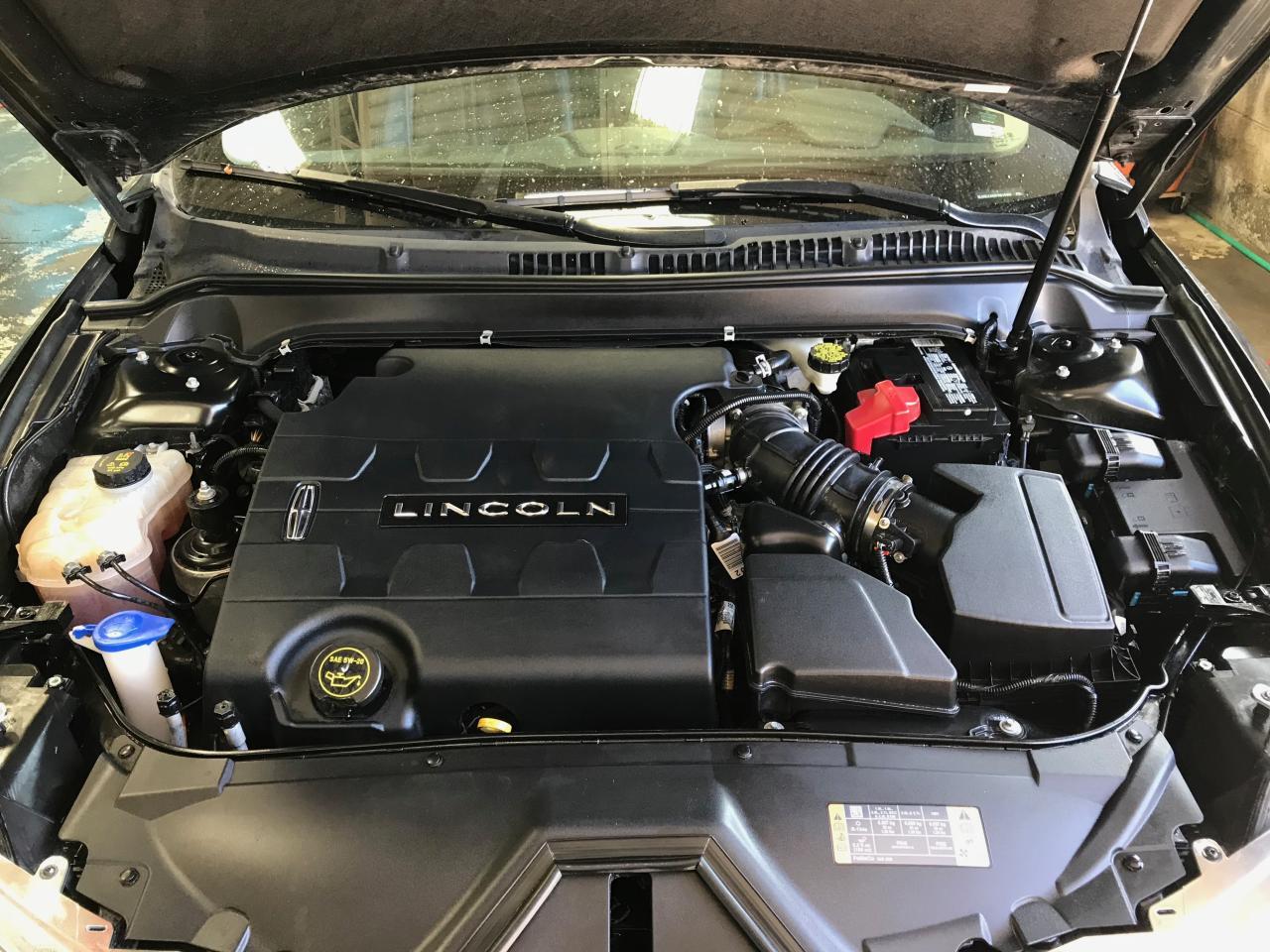
A pristine engine bay is more than just an aesthetic enhancement; it’s a crucial aspect of vehicle maintenance that directly impacts its performance, longevity, and overall value. Regularly cleaning and detailing your engine bay can reveal potential issues before they escalate into costly repairs and contributes significantly to the vehicle’s resale appeal.Investing time in engine bay detailing offers a multitude of benefits that extend far beyond superficial cleanliness.
A well-maintained engine bay is indicative of a well-cared-for vehicle, which can translate into tangible advantages for the owner, both in terms of practical operation and financial considerations.
Performance Enhancement Through a Clean Engine Bay
A clean engine bay can contribute to optimal engine performance by ensuring that cooling systems function efficiently and that components are not obstructed by debris. This can lead to better heat dissipation, preventing overheating and allowing the engine to operate at its designed capacity.
Engine Longevity and Reduced Repair Costs
Regular cleaning allows for early detection of leaks, corrosion, and wear on various engine components. Identifying these issues early can prevent minor problems from developing into major, expensive repairs, thereby extending the lifespan of your vehicle.
Impact on Resale Value
A clean and well-organized engine bay signals to potential buyers that the vehicle has been meticulously maintained. This can significantly increase the perceived value and desirability of your car, potentially leading to a quicker sale and a higher selling price.
Common Issues Arising from a Neglected Engine Bay
The accumulation of dirt, oil, and road grime in an engine bay can lead to a range of problems that compromise the vehicle’s health and safety. These issues often stem from the insulating properties of debris, which can trap heat, and the corrosive nature of certain contaminants.
- Corrosion: Moisture and road salt can mix with dirt and grime, accelerating the corrosion of metal components, including electrical connectors, brake lines, and parts of the engine block itself. This can lead to component failure and compromised safety.
- Electrical Problems: Dirt and moisture can interfere with electrical connections, leading to intermittent faults, short circuits, or complete system failures. This can manifest as warning lights on the dashboard, engine misfires, or non-starting issues.
- Overheating: A thick layer of grime can insulate engine components, hindering the effectiveness of the cooling system. This can lead to increased operating temperatures, which can cause significant damage to the engine over time.
- Reduced Efficiency: Accumulated debris can obstruct airflow to critical components or interfere with the proper functioning of sensors, potentially leading to reduced fuel efficiency and suboptimal engine performance.
Risks Associated with Improper Engine Bay Cleaning
While cleaning the engine bay is beneficial, performing the task incorrectly can introduce new risks and potentially damage sensitive components. It is crucial to understand these risks to ensure a safe and effective cleaning process.
Improper cleaning methods can lead to water ingress into critical electrical components, potentially causing short circuits and costly damage.
- Water Damage to Electronics: Aggressively spraying water into the engine bay, especially without proper protection for sensitive electronic modules, can lead to water infiltration. This can cause short circuits, corrosion of electrical contacts, and failure of various vehicle systems.
- Damage to Belts and Hoses: Using harsh chemicals or high-pressure water jets directly on rubber belts and hoses can degrade their material, leading to premature cracking, tearing, or premature failure.
- Dislodging Components: Excessive force or improper tool usage can accidentally dislodge or damage vacuum lines, electrical connectors, or other small, often brittle, components within the engine bay.
- Chemical Damage: Using overly aggressive degreasers or cleaning agents not specifically designed for automotive engine bays can strip protective coatings, damage plastic components, or cause discoloration.
Essential Tools and Supplies for Engine Bay Detailing
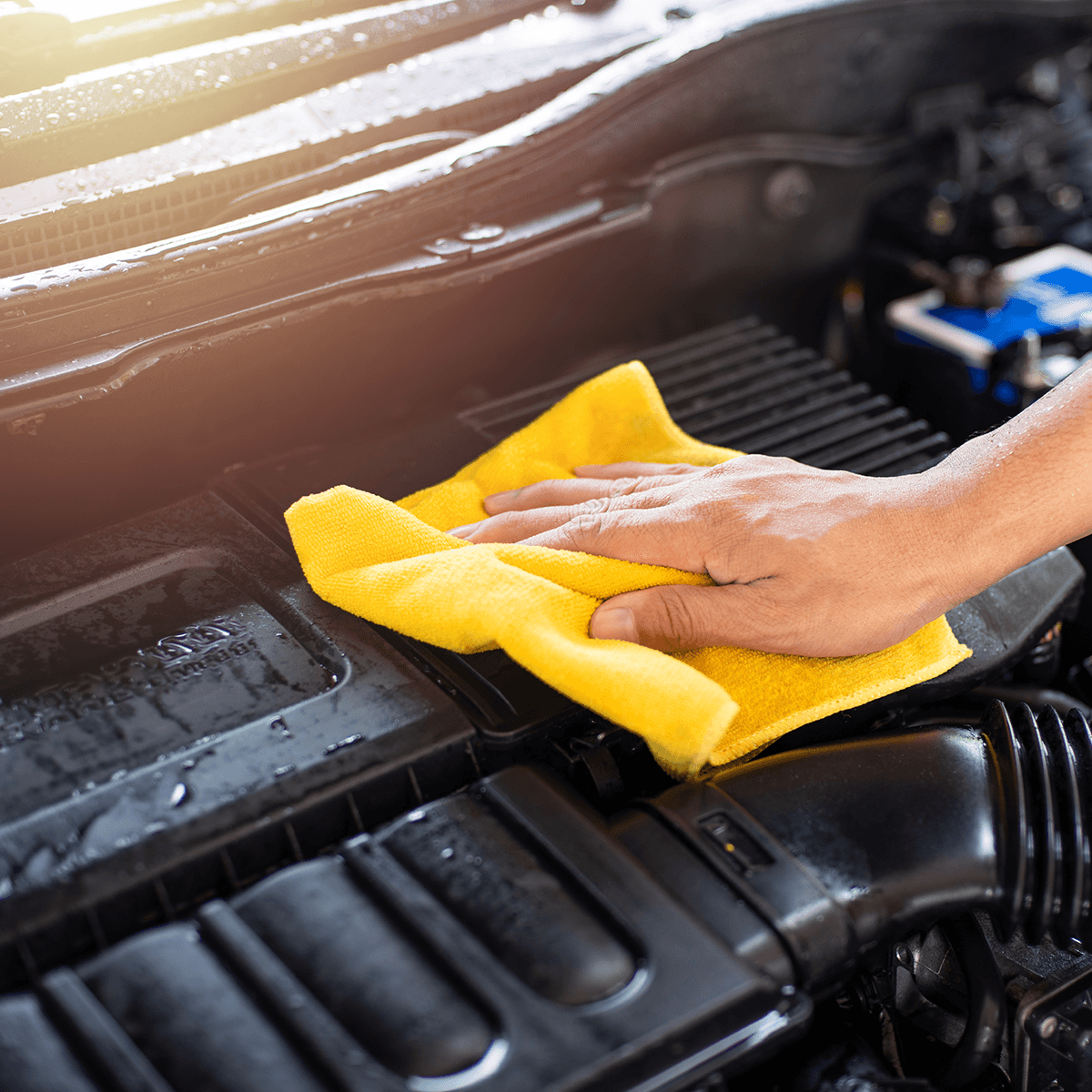
Having the right tools and supplies is paramount to effectively and safely cleaning your car’s engine bay. This section will guide you through the essential items you’ll need, ensuring a thorough and damage-free detailing experience. A well-equipped arsenal will not only make the job easier but also protect your vehicle’s sensitive components.Gathering the appropriate cleaning agents, brushes, and protective gear is the first step towards a successful engine bay detail.
Each component within the engine bay requires specific attention, and using the correct products will prevent discoloration, degradation, or damage. From degreasers to specialized protectants, understanding your needs will lead to optimal results.
Engine Bay Cleaning Agents
The selection of cleaning agents is critical for breaking down grease, grime, and other contaminants without harming the diverse materials found in an engine bay. It’s important to choose products specifically designed for automotive use and engine bay applications.
- All-Purpose Cleaner (APC): A versatile cleaner suitable for general grime and light grease on most surfaces. Look for pH-neutral formulas to avoid etching or damaging sensitive materials.
- Engine Degreaser: A more potent cleaner formulated to tackle heavy oil and grease buildup. Biodegradable and water-based degreasers are often preferred for environmental and safety reasons. Ensure it’s safe for plastics and rubber.
- Detailing Sprays/Quick Detailers: Useful for light dust and fingerprints on painted or plastic surfaces after the main cleaning is done.
- Glass Cleaner: For cleaning the inside of the hood and any glass components within the engine bay.
Brushes and Applicators
Various brushes are indispensable for agitating dirt and reaching into tight crevices that sponges or towels cannot access. The type of brush needed depends on the surface being cleaned.
- Soft Bristle Detailing Brushes: Ideal for delicate areas like painted surfaces, sensors, and electrical connectors. These come in various sizes for different tasks.
- Stiff Bristle Brushes: Effective for scrubbing tougher grime on metal components or heavily soiled plastic parts. Use with caution on painted surfaces.
- Wheel Brushes (if applicable): Some smaller, stiff-bristle wheel brushes can be useful for scrubbing stubborn dirt on certain engine bay components.
- Applicator Pads: Foam or microfiber applicator pads are useful for applying protectants and dressings to plastic and rubber surfaces.
Microfiber Towels
High-quality microfiber towels are essential for safe and effective wiping, drying, and buffing. Using the correct towels prevents scratching and ensures a streak-free finish.
- All-Purpose Microfiber Towels: For general wiping and drying. Have a plush pile to lift dirt away from surfaces.
- Drying Towels: Larger, highly absorbent towels specifically designed for drying the engine bay after rinsing.
- Waffle Weave Towels: Excellent for glass cleaning and for buffing off excess product.
Protective Gear
Safety should always be a priority when working with chemicals and in the engine bay. Wearing appropriate protective gear ensures your well-being.
- Gloves: Nitrile gloves are recommended to protect your skin from chemicals and grease.
- Eye Protection: Safety glasses or goggles are crucial to prevent splashes of cleaning solutions or debris from entering your eyes.
- Mask (Optional): If using strong degreasers or working in a poorly ventilated area, a respirator mask can offer additional protection against fumes.
Specialized Products for Different Engine Bay Components
The engine bay is a mosaic of materials, each requiring specific care to maintain its integrity and appearance. Using the wrong product can lead to premature aging or damage.
Plastic and Rubber Components
Plastic covers, hoses, and rubber seals can become faded and brittle over time due to heat and exposure. Specialized dressings restore their look and provide protection.
- Plastic and Rubber Dressings: These products are formulated to condition, protect, and restore the appearance of plastic and rubber. They often contain UV inhibitors to prevent fading and cracking. Water-based dressings offer a more natural, matte finish, while silicone-based ones can provide a higher gloss.
- Trim Restorers: For heavily oxidized or faded plastic trim, these products can offer a more significant rejuvenation.
Metal Components
Exposed metal parts, such as the intake manifold, brackets, and exhaust components, can accumulate rust and discoloration.
- Metal Polish: For polished or chrome metal parts, a metal polish will remove oxidation and restore shine.
- Engine Lacquer/Heat-Resistant Coatings: For painted metal parts like the engine block or intake manifold, a high-temperature engine enamel or lacquer can protect against heat and add a clean, uniform finish.
- Rust Removers: For areas with light surface rust, a dedicated rust remover can be used, followed by protection.
Painted Surfaces (Under the Hood)
The underside of the hood and any painted engine bay components are susceptible to grease and grime.
- Automotive Wash Soap: A pH-neutral car wash soap can be used for the painted surfaces to safely remove dirt without stripping existing wax or sealant.
- Paint Sealant or Wax: After cleaning, applying a spray sealant or wax can provide a layer of protection and make future cleaning easier.
Recommended Shopping List for Beginners
For those new to engine bay detailing, starting with a curated list of essential items will prevent overspending and ensure you have what you need for a successful first attempt.
- All-Purpose Cleaner (APC): One versatile bottle.
- Engine Degreaser: A mild, water-based formula.
- Microfiber Towels: A pack of 5-10 all-purpose towels.
- Soft Bristle Detailing Brush: One medium-sized brush.
- Gloves: A box of nitrile gloves.
- Eye Protection: A pair of safety glasses.
- Plastic and Rubber Dressing: One bottle for a finishing touch.
- Spray Bottle: For diluted APC or water.
Pre-Cleaning Preparations and Safety Measures
Before embarking on the satisfying task of cleaning your car’s engine bay, prioritizing safety and proper preparation is paramount. A few crucial steps will protect both you and your vehicle’s delicate components from potential damage. This section will guide you through these essential preparations, ensuring a smooth and secure detailing experience.Taking the time to disconnect the battery and shield sensitive areas not only prevents electrical shorts but also safeguards vital engine parts from water ingress and harsh cleaning agents.
A cool engine is also a non-negotiable aspect of safe engine bay detailing.
Battery Disconnection and Component Protection
Safely disconnecting the vehicle’s battery is the first and most critical safety step. This eliminates the risk of electrical shorts and accidental starting while you are working. Following this, strategic protection of vulnerable components is essential to prevent water damage.
- Battery Disconnection: Locate the battery, typically under the hood. Using an appropriate wrench (often 10mm or 13mm), loosen the nut on the negative (black) terminal first. Once loose, carefully lift the cable off the terminal post. Then, repeat the process for the positive (red) terminal. Store the disconnected cables away from the terminals to prevent accidental reconnection.
- Alternator Protection: The alternator is sensitive to moisture. Cover it with a plastic bag secured with a rubber band or tape. Ensure the bag is snug but doesn’t restrict airflow if the engine were to run (though it shouldn’t be running during cleaning).
- Air Intake Protection: The air intake system, particularly the air filter housing and any exposed filter elements, must be shielded from water. Use a plastic bag to cover the air intake opening or the entire air filter box.
- Fuse Box and Electrical Connectors: The fuse box and other exposed electrical connectors are susceptible to corrosion and shorts. Cover the fuse box with a plastic bag. For individual connectors, such as those found on sensors or wiring harnesses, wrap them securely with plastic wrap or small plastic bags.
Engine Temperature Considerations
The temperature of the engine bay is a significant factor in both safety and cleaning effectiveness. Attempting to clean a hot engine can lead to burns, damage to surfaces due to rapid drying of cleaning solutions, and potential cracking of components if cold water is applied to hot metal.
“Always allow the engine to cool completely before commencing any cleaning or detailing procedures. A cool engine minimizes the risk of thermal shock to components and prevents cleaning solutions from drying too quickly, which can leave streaks or stains.”
This cooling period is also an excellent opportunity to gather your tools and supplies, ensuring everything is ready for the next steps.
Covering Exposed Electrical Connections
While some major components have been addressed, a thorough approach to covering electrical connections is vital. Even small amounts of moisture can cause significant issues down the line.
- Wiring Harnesses: Inspect the entire engine bay for exposed wiring harnesses and connectors. Use plastic wrap, electrical tape, or small plastic bags to meticulously cover any visible connection points.
- Sensors: Many sensors have electrical connectors. Ensure these are well-protected with plastic bags and secured with tape or rubber bands.
- Ground Points: While less critical than powered connections, protecting exposed ground points can prevent future corrosion.
Step-by-Step Cleaning Procedures
Now that you have prepared your engine bay and gathered your tools, it’s time to dive into the actual cleaning process. This section will guide you through the most effective methods for tackling dirt, grime, and restoring the appearance of various engine bay components. Remember to work systematically and patiently to achieve the best results.
Degreasing and Removing Heavy Grime
The engine block and surrounding metal components are often the most heavily soiled areas, accumulating oil, grease, and road debris. A powerful degreaser is essential for breaking down these stubborn contaminants. Start by applying a quality engine degreaser to dry surfaces, ensuring thorough coverage of the affected areas. Allow the degreaser to dwell for the time recommended by the manufacturer, typically 5-15 minutes, to let it penetrate and loosen the grime.
For heavily soiled areas, a stiff-bristled brush or an old toothbrush can be used to agitate the degreaser and lift the grime. Avoid spraying degreaser directly onto sensitive electrical components if possible, or cover them with plastic bags beforehand.
Cleaning Plastic and Rubber Components
Plastic covers, hoses, and rubber seals can become dull and faded over time due to heat and exposure. To restore their appearance, specialized plastic and rubber cleaners or conditioners are recommended. After degreasing the engine bay, lightly spray these components with a dedicated cleaner. Use a soft-bristled brush or a microfiber applicator pad to gently work the cleaner into the material.
This process helps to lift dirt and grime while simultaneously conditioning the plastic and rubber, preventing them from drying out and cracking. After cleaning, wipe away any excess product with a clean microfiber towel.
Cleaning Hard-to-Reach Areas and Crevices
Engine bays are notorious for their tight spaces and hidden nooks where dirt can accumulate. For these challenging areas, a variety of tools can be employed. Long-handled brushes, detailing brushes of various sizes, and even cotton swabs can be invaluable. Compressed air is also highly effective for blowing dust and loose debris out of tight corners and off electrical connectors.
For stubborn grime in crevices, a detailing spray can be used in conjunction with a brush to loosen and lift the dirt, followed by wiping with a microfiber towel or a dedicated detailing wand.
Rinsing and Drying the Engine Bay
Once the cleaning and agitation are complete, a thorough rinse is necessary to remove all traces of degreaser and loosened grime. Use a low-pressure water source, such as a garden hose with a gentle spray setting. Avoid using a high-pressure washer, as this can force water into sensitive electrical components and cause damage. When rinsing, start from the top of the engine bay and work your way down, allowing gravity to assist in carrying the dirt away.
After rinsing, immediate and thorough drying is crucial to prevent water spots and corrosion. Microfiber towels are ideal for this purpose. Compressed air can also be used to blow water out of crevices and off components. For optimal results, allow the engine bay to air dry completely in the sun for a few hours, or use a leaf blower on a low setting for a quicker drying process.
Protection and Dressing Engine Bay Components
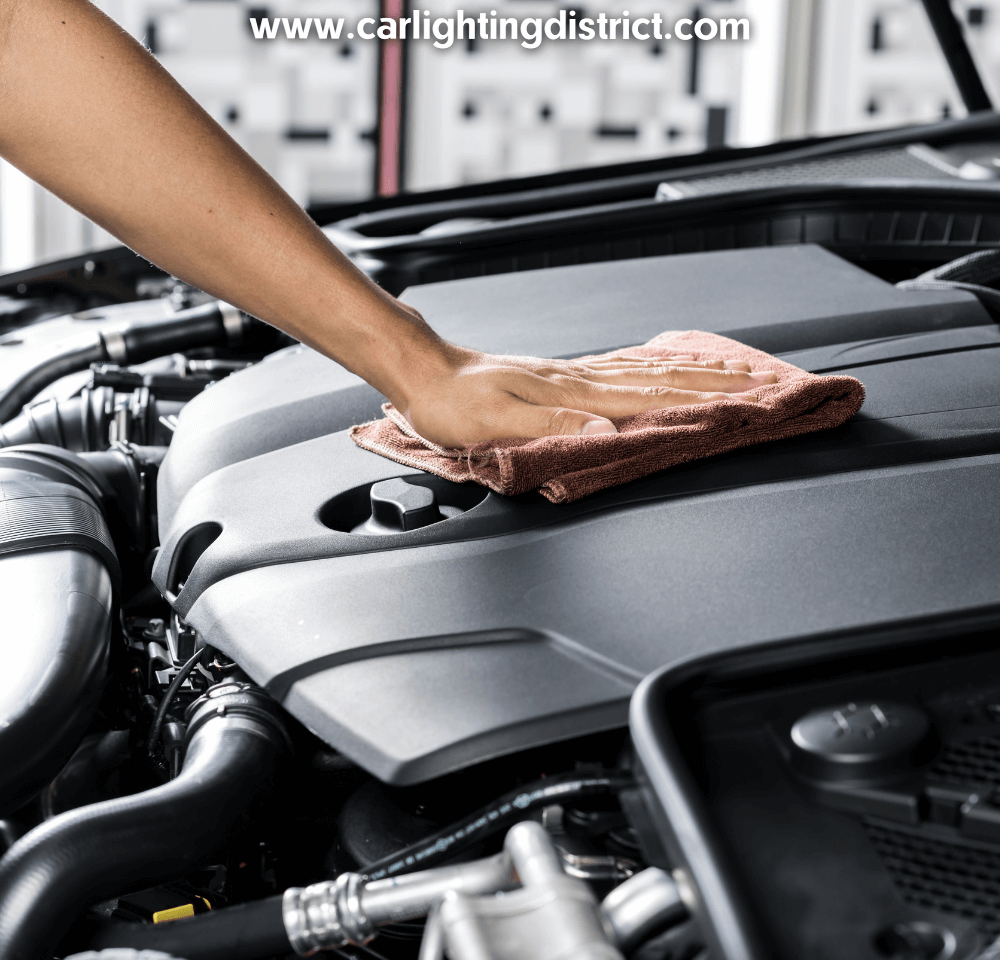
Once your engine bay is thoroughly cleaned, the next crucial step is to protect and enhance its various components. This not only improves the aesthetic appeal but also significantly extends the lifespan of plastic, rubber, and other materials, preventing premature wear and tear. Applying appropriate protectants and dressings is key to achieving a showroom-quality finish that lasts.Engine bay components are exposed to extreme temperatures, harsh chemicals, and UV radiation, all of which can lead to degradation.
Regular application of specialized products creates a barrier against these elements, maintaining the integrity and appearance of your engine bay. This section will guide you through the best practices for protecting these vital parts.
Applying Protectants to Plastic and Rubber Parts
Plastic and rubber components in the engine bay are particularly susceptible to drying, cracking, and fading due to heat and environmental exposure. Applying a quality protectant creates a nourishing barrier that keeps these materials supple and resilient. This process is vital for preventing future damage and maintaining a like-new appearance.When applying protectants, it’s important to use products specifically designed for automotive use, as they are formulated to be safe for these materials and provide long-lasting results.
Avoid using household products, as they may contain harsh chemicals that can cause further damage.
- Surface Preparation: Ensure all plastic and rubber surfaces are completely dry and free from any cleaning residue before application. This allows the protectant to bond effectively.
- Application Method: Typically, protectants are applied using an applicator pad or a microfiber towel. For intricate areas, a detailing brush can be helpful.
- Even Coverage: Work the product into the surface in a thin, even layer. Avoid over-application, which can lead to a greasy or streaky finish.
- Wipe Off Excess: After allowing the protectant to penetrate for a few minutes (refer to product instructions), gently wipe off any excess product with a clean microfiber towel. This prevents dust attraction and a sticky feel.
- Target Components: Focus on areas such as plastic covers, hoses, wiring looms, grommets, and any exposed rubber seals.
Achieving Desired Finishes with Dressings
Engine bay dressings serve a dual purpose: protection and aesthetic enhancement. The type of dressing you choose will determine the final look, ranging from a subtle satin finish to a deep, high-gloss appearance. Selecting the right product and applying it correctly is essential for achieving your desired outcome.Dressings often contain polymers and conditioning agents that not only protect but also restore the original color and luster of faded plastics and rubber.
The choice between satin and gloss often depends on personal preference and the overall condition of the engine bay.
- Satin Finish: For a natural, matte look that mimics the original appearance of many engine bay components, opt for water-based or silicone-based dressings labeled as “satin” or “natural finish.” These products provide protection without an overly shiny appearance, which can sometimes look artificial. Apply a thin layer and buff off thoroughly for a subtle sheen.
- Glossy Finish: To achieve a deep, wet-look shine, select a high-gloss dressing. These are typically silicone-based and formulated to reflect light intensely. Apply sparingly and allow it to cure according to product directions. For an even glossier finish, multiple thin coats can be applied, with buffing in between.
- Application Technique: Regardless of the desired finish, apply dressings using an applicator pad or microfiber towel. For a more controlled application, spray the product onto the applicator rather than directly onto the engine bay components.
- Buffing is Key: For both satin and glossy finishes, the final buffing step with a clean, dry microfiber towel is crucial. This removes any high spots, ensures even distribution, and prevents the dressing from attracting dust or becoming overly slick.
Long-Term Benefits of Regular Protective Coating Application
Consistently applying protective coatings to your engine bay components is an investment that pays dividends over time. It’s not just about making your car look good; it’s about preserving the value and functionality of your vehicle.Regular protection shields materials from the damaging effects of heat, UV rays, and chemical exposure, which are unavoidable in an engine bay. This proactive approach prevents costly repairs and replacements down the line.
Regular application of protective coatings prevents premature degradation of plastic and rubber, significantly extending their lifespan and maintaining the aesthetic integrity of the engine bay.
The long-term benefits include:
- Extended Component Lifespan: Prevents plastics from becoming brittle and cracking, and rubber from drying out and splitting, thus reducing the need for premature replacement.
- UV Protection: Guards against fading and discoloration caused by prolonged exposure to sunlight.
- Resistance to Contaminants: Creates a slicker surface that makes future cleaning easier and helps repel dirt, oil, and grime.
- Preservation of Value: A well-maintained engine bay contributes to the overall resale value of the vehicle.
- Improved Aesthetics: Maintains a clean, sharp, and professional look, enhancing the overall appeal of the car.
Dealing with Specific Engine Bay Challenges

While a thorough cleaning is achievable for most engine bays, certain challenges require specific approaches to ensure both effectiveness and safety. Stubborn stains, intricate areas with sensitive components, and common contaminants necessitate tailored techniques. Addressing these issues diligently will result in a truly immaculate and well-maintained engine bay.The engine bay is a complex environment, and some areas present unique obstacles to a pristine finish.
Understanding how to tackle these specific challenges will elevate your detailing skills and protect your vehicle’s vital components.
Tackling Stubborn Stains and Grease Buildup
Grease and oil are notorious for their tenacity, often clinging to engine bay surfaces and resisting standard cleaning methods. Effective removal requires a combination of appropriate degreasers, the right tools, and patient application. It’s crucial to select products specifically designed for automotive engine bays to avoid damaging plastics, rubber, or painted surfaces.For heavily soiled areas, a multi-stage approach is often most effective.
Begin with a potent, yet safe, engine degreaser. Apply it liberally to the affected areas, allowing it to dwell for the manufacturer’s recommended time. This allows the degreaser to break down the stubborn grime. Following the dwell time, use a variety of brushes, from stiff-bristled detailing brushes to larger wheel brushes, to agitate the grease and lift it from the surface.
Rinse thoroughly with a low-pressure water source. For particularly resistant spots, repeat the degreasing and agitation process, or consider using a specialized tar and bug remover for localized, tough spots, always testing in an inconspicuous area first.
Safely Cleaning Areas with Exposed Wiring or Hoses
Areas containing exposed wiring, electrical connectors, and rubber hoses require a cautious and deliberate cleaning strategy. Water and harsh chemicals can compromise the integrity of these components, leading to electrical issues or premature degradation of the rubber. The primary goal is to clean effectively without introducing moisture or corrosive substances into sensitive areas.When cleaning around wiring and hoses, it is paramount to avoid direct, high-pressure spraying.
Instead, opt for a damp cloth or a detailing brush lightly misted with a diluted all-purpose cleaner or a dedicated plastic and rubber cleaner. For connectors, use a cotton swab or a soft brush lightly dampened with electrical contact cleaner or isopropyl alcohol. This will help remove any grime without leaving residue. After cleaning, ensure these areas are thoroughly dry.
Compressed air is an excellent tool for blowing out any residual moisture from connectors and around wiring harnesses. If compressed air is not available, a clean, dry microfiber towel can be used to gently dab and absorb moisture.
“Protecting electrical connections and rubber components is as vital as cleaning them; prevention of water ingress is key.”
Identifying Common Contaminants and Effective Removal Strategies
Engine bays are susceptible to a variety of contaminants beyond typical road grime and oil. Understanding these common culprits and employing specific removal strategies ensures a comprehensive clean.Common contaminants and their removal strategies include:
- Road Tar and Asphalt Splatter: These sticky residues can be difficult to remove. Specialized tar removers are highly effective. Apply the remover to a microfiber towel and gently rub the tar spot. Allow it to dwell briefly before wiping clean.
- Rust and Oxidation: On metal components, rust and light oxidation can appear. For minor surface rust, a metal polish applied with a soft cloth and some elbow grease can restore the finish. For more severe rust, a wire brush (used carefully to avoid scratching) followed by a rust converter and then a protective coating may be necessary.
- Tree Sap and Bird Droppings: These organic contaminants can etch into surfaces if left for too long. A quick detailer spray or a diluted all-purpose cleaner can often remove fresh sap and droppings. For dried-on residue, a clay bar with lubrication can be used to safely lift the contaminant without damaging the paint.
- Brake Dust: While primarily found on wheels, brake dust can settle on engine bay components, especially near the firewall. A pH-neutral wheel cleaner, diluted appropriately, can be used with a brush to agitate and lift brake dust from painted or plastic surfaces.
- Fuel and Oil Leaks: Small, dried fuel or oil spots can leave stubborn stains. Engine degreasers are the primary tool here, applied with a brush and wiped away thoroughly. For very old, set-in stains, a stronger solvent-based cleaner might be considered, but always with extreme caution and testing in an inconspicuous area.
Advanced Engine Bay Detailing Techniques
Moving beyond the fundamental cleaning, advanced techniques can elevate your engine bay’s appearance and longevity. These methods require a bit more precision and specialized knowledge but yield impressive results, transforming dull metal into a show-worthy finish and ensuring every nook and cranny is pristine.
Polishing Metal Components
The engine bay often features various metal components, such as intake manifolds, valve covers, and brackets, which can oxidize and lose their luster over time. Restoring these elements to a high shine significantly enhances the overall aesthetic. The process involves carefully removing oxidation and then applying a polish to achieve a mirror-like finish.
- Surface Preparation: Before polishing, ensure the metal surface is thoroughly cleaned and degreased. Any remaining dirt or grime can act as an abrasive during the polishing stage, leading to scratches.
- Oxidation Removal: For heavily oxidized metal, start with a metal cleaner or a very fine grit abrasive pad (e.g., 2000-3000 grit sandpaper used with water) to gently remove the dull layer. Work in one direction to maintain a consistent finish.
- Polishing Compound Application: Apply a small amount of metal polish to a clean microfiber applicator pad or a dedicated metal polishing pad. Work the polish into the metal surface using moderate pressure and circular or back-and-forth motions, depending on the metal type and desired finish.
- Buffing and Refinement: Once the polish has hazed, use a clean, soft microfiber towel to buff away the residue. For a deeper shine, you can repeat the polishing process or use a finer polish.
- Protection: After achieving the desired shine, apply a metal sealant or wax to protect the polished surface from future oxidation and environmental contaminants. This step is crucial for maintaining the achieved brilliance.
Cleaning and Restoring Headlights and Fog Lights
While not always directly within the engine bay, headlights and fog lights can be obscured by engine bay grime or are often cleaned as part of a comprehensive detailing. Their restoration can dramatically improve visibility and the vehicle’s overall appearance. The primary challenge is often yellowing and hazing caused by UV exposure and environmental damage.
- Surface Cleaning: Begin by thoroughly washing the lenses with car wash soap and water to remove loose dirt and debris. Dry them completely with a clean microfiber towel.
- Abrasion and Restoration: For moderate to severe hazing, a headlight restoration kit is recommended. These kits typically include various grit sandpaper or abrasive pads, a polishing compound, and a sealant. Follow the kit’s instructions precisely, usually involving wet sanding with progressively finer grits to remove the damaged plastic layer.
- Polishing: After sanding, use the provided polishing compound to restore clarity. Apply the compound to a microfiber cloth or applicator pad and rub it onto the lens in a circular motion until clear.
- UV Protection: The final and most critical step is applying a UV protectant or sealant. This forms a barrier against future UV damage, preventing the lenses from yellowing again quickly. Without this step, the restoration will be short-lived.
Using Compressed Air for Drying and Debris Removal
Compressed air is an invaluable tool for achieving a truly clean and dry engine bay, especially in hard-to-reach areas. It efficiently removes loose debris and water that would otherwise linger and potentially cause issues.
- Initial Debris Removal: Before applying any liquids, use compressed air with a suitable nozzle to blow out loose leaves, dust, and general debris from crevices, around components, and from under plastic covers. This prevents these materials from becoming saturated with cleaning solutions.
- Water Evacuation: After washing and rinsing, compressed air is essential for drying. Focus on areas where water tends to pool, such as around electrical connectors, engine covers, and within intricate cooling systems. A steady stream of air can force water out of these areas.
- Detailing Aid: Compressed air can also be used to blow away excess cleaning product residue or to dry tight gaps before applying dressings. This ensures a cleaner final finish and prevents water spots.
- Safety Considerations: When using compressed air, wear safety glasses to protect your eyes from flying debris. Maintain a safe distance from sensitive components and avoid directing the air blast directly at delicate wiring or seals for extended periods.
Maintaining a Clean Engine Bay
Keeping your car’s engine bay pristine after a thorough detailing is an ongoing process that requires diligence and a proactive approach. Regular maintenance not only preserves the aesthetic appeal of your vehicle but also contributes to the longevity and optimal performance of its components. By implementing a consistent cleaning schedule and adopting preventative habits, you can significantly extend the time between major detailing sessions and safeguard your engine bay from the detrimental effects of environmental contaminants.This section will guide you through establishing an effective maintenance routine, Artikel practical measures to prevent excessive dirt accumulation, and address how environmental factors can impact your engine bay’s cleanliness, along with strategies to counteract these influences.
Engine Bay Maintenance Schedule Development
A structured maintenance schedule is crucial for sustained engine bay cleanliness. This involves determining the frequency of cleaning based on your vehicle’s usage, typical driving conditions, and personal preferences. A well-defined schedule ensures that minor accumulations are addressed before they become significant issues, making future cleanings easier and more effective.A practical approach to developing your schedule involves considering the following:
- Regular Visual Inspections: Dedicate a few minutes during your weekly car wash or every few fuel stops to visually inspect the engine bay. Look for any new dirt, debris, or fluid leaks.
- Light Cleaning Frequency: For most daily drivers, a light wipe-down of accessible surfaces with a damp microfiber cloth or a dedicated engine bay cleaner spray every 1-2 months can be sufficient. This removes light dust and grime.
- Moderate Cleaning Frequency: If you frequently drive in dusty or dirty environments, or if your vehicle is exposed to the elements regularly, a more thorough cleaning using a mild degreaser and water may be necessary every 3-6 months.
- Deep Cleaning Frequency: A comprehensive detailing, similar to the initial deep clean, is typically recommended once a year or every 10,000-15,000 miles, depending on the severity of accumulation.
Preventative Measures for Engine Bay Cleanliness
Proactive steps taken between detailed cleanings can significantly reduce the amount of dirt and grime that accumulates in your engine bay. These measures are designed to create a barrier against contaminants and make subsequent cleaning tasks less labor-intensive.Implementing these preventative strategies will help maintain a cleaner engine bay with minimal effort:
- Engine Bay Covers and Shields: Ensure all factory-installed plastic covers and shields are properly in place. These are designed to block dirt, water, and debris from entering critical areas. If any are missing or damaged, consider replacing them.
- Regularly Clean Under the Hood: Before starting any engine bay cleaning, it’s good practice to clear out any leaves, twigs, or large debris that may have collected under the hood. This can be done with compressed air or a soft brush.
- Address Leaks Promptly: Any fluid leaks, whether oil, coolant, or power steering fluid, can attract dirt and create stubborn stains. Inspect for and repair leaks as soon as they are detected.
- Use Protective Sprays: After a thorough cleaning, applying a water-based or silicone-based dressing to plastic and rubber components can create a smoother surface that repels dust and makes future cleaning easier.
- Drive in Cleaner Conditions When Possible: While not always feasible, avoiding driving through large puddles, heavily muddied roads, or unpaved surfaces can reduce the initial ingress of dirt into the engine bay.
Impact of Environmental Factors and Mitigation Strategies
The environment in which you drive your car plays a significant role in how quickly and severely the engine bay accumulates dirt and contaminants. Understanding these factors allows for targeted mitigation efforts.Common environmental factors and their mitigation include:
| Environmental Factor | Impact on Engine Bay | Mitigation Strategies |
|---|---|---|
| Dust and Dirt Roads | Fine particles can infiltrate crevices, cling to surfaces, and form a gritty layer. | Regular use of compressed air to blow out dust. Applying protective dressings to surfaces to reduce dust adhesion. Prioritizing cleaning after driving on unpaved roads. |
| Rain and Road Grime | Water, combined with road salt, oil, and debris, creates a corrosive and sticky film. | Washing the vehicle regularly, especially after driving in wet conditions. Ensuring drainage points are clear to prevent water pooling. Using a dedicated engine degreaser periodically to break down stubborn grime. |
| Salt and De-icing Agents (Winter) | Highly corrosive, these agents can accelerate rust and degrade rubber and plastic components. | Thoroughly washing the undercarriage and engine bay after exposure to road salt. Using specialized undercarriage cleaners. Applying corrosion inhibitors to metal parts. |
| Extreme Temperatures (Heat/Cold) | Extreme heat can bake on grime, while extreme cold can make components brittle. | Allowing the engine to cool completely before cleaning to avoid thermal shock. Using appropriate cleaning products for the season. Applying protectants that offer UV resistance in hot climates. |
| Insects and Bird Droppings | Acidic components in these can etch surfaces and create unsightly marks. | Wiping away fresh droppings immediately with a damp cloth. Using a pH-neutral cleaner to dissolve dried-on residue. |
Outcome Summary
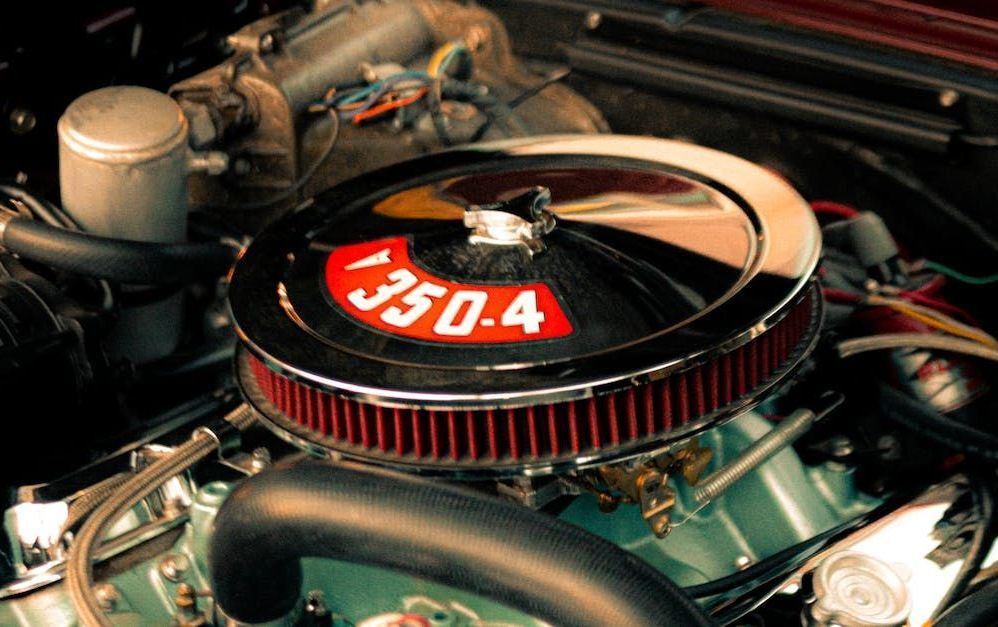
Concluding our exploration of “How to Safely Detail Your Car’s Engine Bay,” we’ve equipped you with the knowledge to not only clean but also protect and maintain your engine bay for lasting results. From advanced techniques like polishing metal components to tackling stubborn stains and understanding long-term maintenance, you are now prepared to keep your engine looking its best and performing optimally.
By implementing these practices, you ensure your vehicle not only runs smoothly but also retains its aesthetic appeal and value for years to come.