How to Safely Remove Tree Sap from Car Paint presents a comprehensive guide designed to assist you in tackling this common automotive challenge. We will delve into the nature of tree sap, its potential to mar your vehicle’s finish, and the essential steps for its effective and safe removal. Our aim is to equip you with the knowledge and techniques to restore your car’s pristine appearance.
Understanding the sticky residue left by trees is the first step in safeguarding your car’s paint. This guide will explain why sap adheres so readily to vehicle surfaces and the damage it can inflict, from etching to staining, if left unattended. We’ll also identify common culprits, so you can be aware of potential hazards in your parking environment.
Understanding Tree Sap and Its Impact on Car Paint
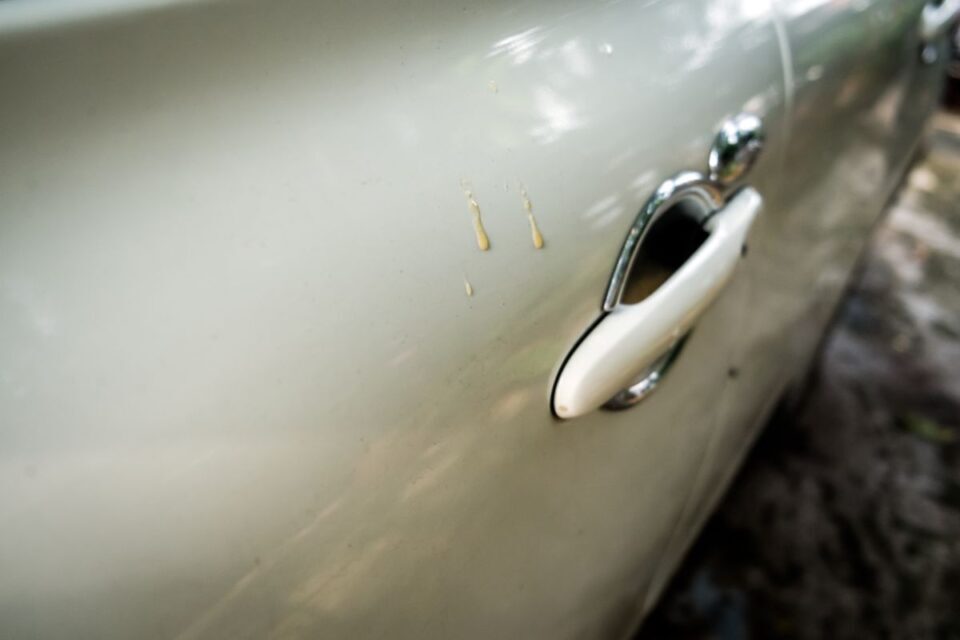
Tree sap, a natural secretion from trees, can be a persistent and potentially damaging contaminant for your vehicle’s paintwork. While seemingly innocuous, its sticky nature and chemical composition can lead to significant aesthetic and even structural issues if not addressed promptly and correctly. Understanding what tree sap is, why it sticks, and the damage it can inflict is the first crucial step in effectively removing it from your car.The sticky substance you encounter on your car is primarily composed of sugars, resins, and organic compounds that the tree produces to protect itself, heal wounds, and transport nutrients.
This complex mixture is designed to be viscous and adhere to surfaces, which is why it readily sticks to the smooth finish of your car. When exposed to sunlight, these compounds can harden and cure, making removal even more challenging and increasing the risk of paint damage.
Chemical Composition and Adhesion Properties
Tree sap is a complex biological fluid containing a variety of organic molecules. Key components include sugars (like fructose and glucose), amino acids, proteins, resins, terpenes, and essential oils. The high concentration of sugars and resins contributes significantly to its sticky, adhesive nature. These compounds create strong intermolecular forces that allow the sap to bond tightly to surfaces, including the clear coat of your car.
The viscosity of the sap, especially when warm, further enhances its ability to spread and adhere.
Potential Damage to Automotive Paint
When tree sap remains on a car’s surface, particularly under the influence of heat and UV radiation from the sun, it can cause considerable harm to the paint. The sugars and acids within the sap can begin to break down the clear coat, the protective outer layer of your car’s paint. This process is known as etching.
Etching occurs when the chemical components of tree sap degrade the polymer structure of the clear coat, creating a dull, etched appearance.
Over time, this etching can become permanent, leaving behind unsightly marks that are difficult to remove without repainting. Beyond etching, prolonged contact can also lead to staining, where the pigments within the sap permeate the clear coat and even reach the base coat, resulting in discolored patches that are even more challenging to rectify. The longer sap sits on the paint, the deeper the penetration and the more severe the damage.
Common Sap-Producing Trees
Certain tree species are more notorious than others for their generous sap production, making them common culprits for car contamination. Awareness of these trees can help you take preventative measures, such as parking further away or using protective coverings.Common trees known for producing sticky sap include:
- Maples: Many varieties of maple trees, especially in spring, exude significant amounts of sweet, sticky sap.
- Oaks: While not always as overtly sticky as maples, oak trees can also drip sap, particularly when damaged or during certain seasons.
- Pines and Firs: These coniferous trees produce copious amounts of resin, which is a very sticky and hard-to-remove substance.
- Birches: Certain types of birch trees can also be a source of sticky sap.
- Elms: Elm trees are also known to drip sap, especially from their branches.
Parking under these trees during their peak sap-producing seasons significantly increases the likelihood of your car becoming coated.
Preparation and Safety Precautions
Before embarking on the task of removing tree sap from your car’s paint, a thorough preparation and adherence to safety protocols are paramount. This ensures an efficient and damage-free cleaning process, protecting both your vehicle’s finish and your personal well-being. Taking these preparatory steps will allow you to tackle the sap with confidence and achieve optimal results.This section will guide you through gathering the necessary supplies and understanding the essential safety measures to implement.
By organizing your materials and familiarizing yourself with safe handling practices, you can minimize risks and maximize the effectiveness of your sap removal efforts.
Essential Supplies for Sap Removal
Having the right tools and cleaning agents readily available is crucial for a smooth and effective sap removal process. The selection of supplies should cater to the specific nature of tree sap, which can be sticky and stubborn. Proper organization of these items will streamline your workflow and prevent unnecessary delays.Here is a comprehensive list of supplies you will need:
- Cleaning Agents: Specialized bug and tar removers, isopropyl alcohol (rubbing alcohol), or a dedicated automotive sap remover are highly recommended. For milder sap, a solution of warm water and mild dish soap can be effective.
- Applicators: Microfiber towels are essential for applying cleaning agents and gently wiping away the sap. Several clean towels should be on hand to avoid spreading loosened sap. Soft-bristled detailing brushes can be helpful for working the cleaner into stubborn spots.
- Protective Gear: Nitrile gloves are vital to protect your skin from chemical irritants and to prevent transferring oils from your hands to the paint. Safety glasses are recommended to shield your eyes from any splashes or airborne particles.
- Water Source: A bucket of clean water for rinsing and a hose with a gentle spray setting are necessary to remove residual cleaning agents and sap.
- Optional Items: A clay bar kit can be used for a more thorough decontamination after the initial sap removal, and a car wax or sealant for post-cleaning protection.
Safe Handling of Cleaning Chemicals
The cleaning agents used to remove tree sap can be potent, and improper handling can lead to skin irritation, respiratory issues, or damage to your car’s paint. It is imperative to understand and practice safe handling procedures to mitigate these risks. Always prioritize ventilation and direct contact avoidance.When working with cleaning chemicals, always adhere to the following safety guidelines:
- Always read and follow the manufacturer’s instructions and warnings on the product label.
- Ensure adequate ventilation by working in an open area, preferably outdoors.
- Wear nitrile gloves to prevent direct skin contact with the chemicals.
- Wear safety glasses to protect your eyes from splashes.
- Never mix different cleaning chemicals, as this can create dangerous fumes or reactions.
- Apply cleaning agents directly to a microfiber towel rather than spraying them directly onto the car’s surface, especially on vertical panels, to prevent overspray and chemical runoff.
- If any chemical comes into contact with your skin, wash the affected area immediately with soap and plenty of water.
- If you experience any respiratory discomfort or eye irritation, move to fresh air immediately and seek medical attention if symptoms persist.
Importance of a Suitable Working Environment
The environment in which you attempt to remove tree sap significantly impacts the process’s effectiveness and the safety of your car’s paint. Working in direct sunlight or in excessively hot conditions can cause cleaning agents to dry too quickly, leaving streaks and potentially etching the paint. A controlled environment is key to preventing unintended damage.It is strongly recommended to perform sap removal in the following conditions:
- Shaded Area: Always choose a shaded area, such as a garage, under a carport, or beneath a large tree (if it’s not the source of the sap). This prevents the sun from heating the car’s surface and the cleaning products.
- Cool Surface Temperature: Ensure the car’s paint is cool to the touch. If the car has been parked in the sun, allow it to cool down completely before beginning the cleaning process. A hot surface can cause cleaners to evaporate too rapidly.
- Good Lighting: While shade is important, ensure you have adequate lighting to clearly see the sap spots and to assess your progress. Natural daylight is ideal, but a well-lit garage works well.
- Away from Wind: If possible, work in an area with minimal wind. Strong winds can carry dust and debris that may scratch the paint during the cleaning process.
Gentle Sap Removal Methods

Once you’ve prepared your car and gathered your supplies, it’s time to tackle the tree sap. The key to safe removal is to be patient and use methods that break down the sap without damaging your car’s clear coat. We’ll explore two primary approaches: a mild, readily available solution and specialized automotive products.The initial and often most effective approach involves using basic household items to gently lift the sap.
This method is ideal for fresh sap or when you want to avoid introducing harsher chemicals to your vehicle’s paintwork.
Mild Soap and Water Solution
A simple solution of mild car wash soap and water can work wonders in loosening tree sap. The soap helps to break down the sticky nature of the sap, making it easier to remove.
- Prepare the Solution: Mix a small amount of pH-neutral car wash soap with warm water in a bucket. The concentration should be similar to what you would use for a regular car wash.
- Soak the Sap: Dip a clean, soft microfiber cloth into the soapy water and wring out any excess. Gently hold the wet cloth over the sap spot for a few minutes. This allows the warm, soapy water to soften and begin dissolving the sap. Re-wet the cloth as needed to keep the area moist.
- Gentle Wiping: After the sap has softened, take a clean section of the microfiber cloth and gently wipe the sap away. Use a straight-line motion, rather than circular scrubbing, to minimize the risk of scratching. If the sap is still resistant, reapply the soapy water and let it soak for a bit longer. Avoid excessive pressure.
- Rinse and Dry: Once the sap is removed, rinse the area thoroughly with clean water to remove any soap residue. Immediately dry the area with a clean, dry microfiber towel to prevent water spots.
It’s crucial to remember that even with gentle methods, the way you wipe is as important as the solution you use. Always use a clean, soft cloth and avoid abrasive materials.
Specialized Automotive Bug and Tar Removers
For more stubborn or dried-on sap, specialized automotive bug and tar removers offer a more potent solution. These products are specifically formulated to break down organic residues like sap, tar, and insect splatter without harming automotive paint when used correctly.
Always test any new product on an inconspicuous area of your car first to ensure compatibility with your paint.
The application of these removers requires precision and adherence to the manufacturer’s instructions to prevent any adverse effects.
Application of Bug and Tar Removers
The effectiveness of bug and tar removers lies in their ability to quickly break down sticky residues. However, prolonged contact can potentially affect the clear coat, so speed and precision are key.
- Read Instructions: Before applying, carefully read and understand the instructions provided by the manufacturer of the bug and tar remover. Different products may have slightly varying application methods.
- Apply Sparingly: Spray or apply a small amount of the bug and tar remover directly onto a clean microfiber applicator pad or a separate clean microfiber cloth. Do not spray directly onto the car’s paint, as overspray can affect other areas.
- Work the Sap: Gently dab or lightly wipe the sap spot with the product-soaked applicator pad or cloth. Allow the product to dwell on the sap for the minimum time recommended by the manufacturer, typically only a few seconds to a minute. You should see the sap begin to liquefy or soften.
- Wipe Away: Immediately after the recommended dwell time, use a clean, soft microfiber towel to gently wipe away the loosened sap and product residue. Again, use a straight-line motion.
- Rinse and Clean: Thoroughly rinse the treated area with water to remove all traces of the remover. Follow up with a car wash using mild soap and water to ensure no chemical residue remains.
- Dry Thoroughly: Dry the area immediately with a clean microfiber towel.
These specialized removers are designed for quick action. Leaving them on the paint for extended periods can lead to unintended consequences, so always respect the recommended contact times.
Advanced Sap Removal Techniques and Products

Once gentler methods have been exhausted, or for particularly stubborn sap deposits, more advanced techniques and specialized products can be employed. These methods often involve a higher degree of care and precision to ensure the integrity of your car’s paintwork is maintained. Understanding the nuances of these approaches will empower you to tackle even the most challenging sap situations effectively.The effectiveness of advanced sap removal hinges on selecting the right tools and understanding their application.
Automotive clay bars, detailing sprays, and isopropyl alcohol each offer unique benefits and require specific handling. By mastering these techniques, you can achieve a pristine finish without causing damage.
Automotive Clay Bars for Sap Removal
Automotive clay bars are designed to lift contaminants from the surface of your car’s paint that washing alone cannot remove. They work by encapsulating foreign particles, including tree sap, within their pliable structure. The effectiveness of different clay bars for sap removal varies based on their aggressiveness, often categorized by their “grit” or polishing power.
- Consumer-grade clay bars: These are generally less aggressive and suitable for light to moderate sap contamination. They are readily available and easier to use for beginners.
- Medium-grade clay bars: Offer a good balance between cleaning power and safety for most paint types. They are effective for removing dried or slightly embedded sap.
- Aggressive or heavy-duty clay bars: These are designed for severe contamination and can remove deeply ingrained sap. However, they carry a higher risk of marring or scratching the paint if not used with extreme caution and proper lubrication.
- Synthetic clay mitts and towels: These are alternatives to traditional clay bars, offering a larger surface area and sometimes a less aggressive feel. They can be very effective for sap removal, especially on larger panels.
When comparing effectiveness, consider the age and hardness of the sap. Older, baked-on sap will require a more aggressive clay, while fresh sap might be easily removed with a lighter-grade product. It is always recommended to start with the least aggressive option and progressively move to a stronger one if necessary.
Using a Detailing Spray with a Clay Bar
The critical element for successful and safe clay bar use is lubrication. A detailing spray, often referred to as a “clay lubricant,” creates a slick surface that allows the clay bar to glide smoothly over the paint without dragging or causing scratches. Without adequate lubrication, the clay can adhere to the paint, leading to undesirable marring.The process of using a detailing spray with a clay bar involves several steps:
- Wash and Rinse: Thoroughly wash and rinse the vehicle to remove loose dirt and debris. This prevents larger particles from being ground into the paint by the clay.
- Section the Vehicle: Work on one small section of the car at a time (e.g., a quarter panel, a door). This ensures the lubricant doesn’t dry out before the clay has been used on that area.
- Apply Lubricant: Generously spray the detailing spray onto the section of the car you are working on. Ensure the surface is visibly wet.
- Glide the Clay Bar: Gently glide the clay bar back and forth over the lubricated surface using straight-line motions. Do not apply excessive pressure. The clay will begin to lift the sap and other contaminants.
- Wipe and Inspect: After a few passes, wipe the area with a clean microfiber towel to remove excess lubricant and inspect for sap removal. You may feel a difference in the smoothness of the paint.
- Clean the Clay: Periodically knead and fold the clay bar to expose a fresh surface. If the clay becomes heavily contaminated with sap or dirt, rinse it under clean water or discard it if it has fallen on the ground.
- Repeat: Continue this process for each section of the vehicle.
The detailing spray not only lubricates but also helps to lift and break down some of the sap’s stickiness, making it easier for the clay to encapsulate.
Isopropyl Alcohol for Stubborn Sap Spots
Isopropyl alcohol (IPA), particularly in a diluted form (typically 70% or less), can be an effective solvent for breaking down stubborn tree sap. It works by dissolving the sticky resins that bind the sap to your car’s paint. However, it’s crucial to use IPA with caution, as higher concentrations or prolonged contact can potentially damage certain automotive finishes or waxes.Here’s a breakdown of its pros and cons:
- Pros:
- Effective at dissolving sticky sap resins.
- Readily available and relatively inexpensive.
- Can quickly break down hardened sap deposits.
- Cons:
- Can strip wax or sealant layers from the paint.
- Higher concentrations can potentially dull or damage clear coats if left on too long or used improperly.
- Requires immediate rinsing and often a follow-up with a dedicated paint cleaner or polish.
It is advisable to test IPA in an inconspicuous area first to ensure it does not adversely affect your paint.
Recommended Application and Removal of Advanced Solutions
The application and removal of advanced sap removal solutions require a methodical approach to maximize effectiveness and minimize risk.For clay bars and detailing sprays:
- As detailed previously, the application involves liberal use of the detailing spray to create a slick surface.
- The clay bar is then gently moved over the lubricated area.
- After working a section, the residue from the detailing spray is wiped away with a clean, plush microfiber towel.
- It is essential to follow up with a high-quality car wash and wax or sealant application to restore protection to the paint, as claying can remove existing protective layers.
For isopropyl alcohol:
When using isopropyl alcohol for sap removal, always dilute it with distilled water, typically to a 50/50 ratio for a 70% IPA solution, or even less for more sensitive paints. Apply the diluted solution to a microfiber towel, not directly to the paint, and gently dab or blot the sap spot. Allow it to sit for a very short period (no more than 30 seconds) to soften the sap. Then, gently wipe the softened sap away with the towel. Immediately after removing the sap, thoroughly rinse the area with water and wash it with a pH-neutral car shampoo. Follow up with a wax or sealant to reapply protection.
This careful application ensures the alcohol acts as a solvent without causing undue stress to the paint’s finish.
Post-Removal Care and Protection

After successfully removing tree sap from your car’s paint, it’s crucial to follow up with proper care to ensure the longevity and pristine condition of your vehicle’s finish. This stage not only reinforces the protection of the paint but also helps prevent future sap adhesion, keeping your car looking its best.The final steps in sap removal are as important as the removal process itself.
These actions seal in the protection and prepare your car’s surface for future exposure to the elements, including more tree sap.
Thorough Rinsing of the Treated Area
It is essential to meticulously rinse the area where sap was removed. This step ensures that all residue from the sap, as well as any cleaning agents or tools used during the removal process, are completely washed away. Leaving behind any remnants can lead to new problems, such as water spots, or can interfere with the effectiveness of subsequent protective treatments.
A thorough rinse prevents the re-adhesion of sap particles and ensures a clean surface for the next protective layer.The process involves:
- Using a gentle stream of clean water, preferably from a hose with a spray nozzle set to a wide fan pattern.
- Directing the water flow over the treated area, ensuring it reaches all nooks and crannies.
- Observing the surface for any remaining suds, cleaning solution, or sap particles.
- Rinsing until the water runs clear and no traces of residue are visible.
- Drying the area immediately with a clean, soft microfiber towel to prevent water spots.
Applying Car Wax or Sealant for Paint Protection
Once the car’s paint is thoroughly dry and clean, applying a high-quality car wax or paint sealant is the next vital step. This layer acts as a protective barrier between your car’s paint and environmental contaminants, including tree sap. Wax provides a warm, deep shine, while sealants offer longer-lasting protection and can be easier to apply. Both will make future sap removal significantly easier.The application process typically includes:
- Ensuring the car is in a shaded area, as direct sunlight can cause wax or sealant to dry too quickly, making it difficult to buff off.
- Applying a small amount of wax or sealant to an applicator pad.
- Working in small sections, applying the product in a thin, even layer using overlapping circular or back-and-forth motions, depending on the product’s instructions.
- Allowing the product to haze over according to the manufacturer’s recommended drying time.
- Buffing off the haze with a clean, soft microfiber towel until a high gloss is achieved.
- Repeating the process for the entire vehicle to ensure uniform protection.
Maintaining the Car’s Finish to Prevent Future Sap Adhesion
Consistent maintenance is key to minimizing the risk of tree sap adhering to your car’s paint. Regular washing and waxing are your first lines of defense. The smoother and more protected your car’s surface is, the less likely sap is to bond strongly.Tips for ongoing protection include:
- Washing your car regularly, ideally every two weeks, using a pH-neutral car wash soap and the two-bucket method to avoid scratching.
- Drying your car immediately after washing with a clean microfiber towel to prevent water spots.
- Applying a fresh coat of wax or sealant every 2-4 months, depending on the product used and environmental exposure.
- Using a quick detailer spray for light dust or bird droppings between washes, which can also help repel light sap.
- Parking in shaded areas whenever possible, especially during seasons when trees are actively producing sap.
- Considering a ceramic coating for superior long-term protection, which creates an extremely hard, hydrophobic barrier.
Checklist for a Complete Post-Sap Removal Car Detailing Routine
To ensure a comprehensive approach to post-sap removal care, follow this checklist. It covers all essential steps from initial rinsing to final protection, ensuring your car’s paint is left in optimal condition.
A thorough detailing routine after sap removal should include:
| Step | Description | Importance |
|---|---|---|
| 1. Initial Rinse | Thoroughly rinse the sap-affected area with clean water. | Removes sap residue and cleaning agents. |
| 2. Gentle Wash | Wash the entire vehicle with a pH-neutral car soap. | Cleans the entire surface and removes any remaining contaminants. |
| 3. Thorough Drying | Dry the car completely with clean microfiber towels. | Prevents water spots and ensures a clean surface for protection. |
| 4. Surface Inspection | Inspect the paint for any lingering sap or residue. | Ensures all problem areas have been addressed. |
| 5. Wax/Sealant Application | Apply a coat of car wax or paint sealant. | Provides a protective barrier against future sap and environmental damage. |
| 6. Buffing | Buff the applied wax or sealant to a high shine. | Achieves a glossy finish and removes excess product. |
| 7. Final Wipe Down | Perform a final wipe-down with a clean microfiber towel. | Removes any dust or smudges from the detailing process. |
Troubleshooting and Preventing Sap Adhesion
Navigating the complexities of tree sap removal can sometimes lead to unexpected challenges. This section addresses common pitfalls, offers proactive strategies to keep your car’s paint pristine, and guides you through mitigating any minor damage that might occur. By understanding these aspects, you can maintain your vehicle’s appearance with greater confidence and ease.
Common Mistakes in Sap Removal
Avoiding common errors is crucial for successful and safe sap removal. Rushing the process, using abrasive materials, or applying excessive force can inadvertently damage your car’s paint. Understanding these mistakes will help you approach the task with the necessary care and precision.
- Using Harsh Chemicals: Opting for household cleaners or aggressive solvents not designed for automotive paint can strip wax, dull the finish, or even etch the clear coat.
- Scraping with Sharp Objects: Employing fingernails, razor blades, or metal tools to dislodge sap can lead to deep scratches that require professional paint correction.
- Applying Excessive Heat: While gentle warming can help, overheating the paint with a heat gun can cause discoloration or damage to the clear coat.
- Ignoring Manufacturer Recommendations: Failing to consult your car’s manual or the product instructions for specific cleaning agents can result in unintended consequences.
- Washing Immediately After Treatment: Some sap removal products require a specific dwell time before washing to be fully effective. Rinsing too soon can reduce their efficacy.
Preventative Measures for Sap Adhesion
The most effective way to deal with tree sap is to prevent it from adhering to your car’s paint in the first place. Strategic parking and regular maintenance can significantly reduce the likelihood of sap encounters.
Parking Location Strategies
Choosing where you park your vehicle can make a substantial difference in minimizing sap exposure. Consider the following options:
- Shaded Areas: Parking under trees, especially during seasons when sap is most prevalent, is a primary cause of contamination. Seek out parking spots that are not directly beneath sap-producing trees.
- Covered Parking: Garages or carports offer the best protection against all environmental contaminants, including tree sap.
- Away from Sap-Producing Trees: Identify trees known for heavy sap production in your area and make an effort to park a considerable distance away from them.
- Consider Wind Direction: If sap is a recurring issue, observe prevailing wind patterns. Parking with the wind blowing away from potential sap sources can offer some relief.
Vehicle Protection and Maintenance
Regularly applying protective coatings to your car’s paint creates a barrier that makes it harder for sap to bond.
A well-maintained protective coating acts as a sacrificial layer. Imagine your car’s paint as a smooth, polished surface. Tree sap, in its sticky, resinous form, finds it easy to adhere to this exposed surface. However, when a layer of wax, sealant, or ceramic coating is applied, it creates a slick, hydrophobic barrier on top of the paint. This barrier is designed to be less receptive to sticky substances.
When sap lands on a coated surface, it tends to sit on top of the coating rather than bonding directly to the paint. This makes the sap significantly easier to wipe away with a microfiber cloth, often without needing any specialized cleaning solutions. The coating essentially provides a slippery shield that repels the sap’s adhesive properties.
Addressing Minor Paint Damage from Sap
Even with the best precautions, sap can sometimes cause minor damage, especially if left on the paint for an extended period. Fortunately, many of these issues can be resolved with careful attention.
Sap Etching and Discoloration
When sap dries and hardens, its acidic components can begin to break down the clear coat, leading to what is known as etching. This often appears as a dull or slightly discolored spot on the paint.
- Mild Etching: For very light etching, a high-quality automotive polish applied with a microfiber applicator pad can often restore the shine and remove the dullness. Work the polish in small, circular motions, applying moderate pressure.
- Moderate Etching: If polishing does not fully resolve the issue, a more aggressive compound might be necessary, followed by a polish to refine the finish. It is advisable to test these products in an inconspicuous area first.
- Severe Damage: Deep etching or significant discoloration may indicate damage that has penetrated beyond the clear coat. In such cases, professional detailing or repainting may be required.
“Proactive protection and prompt action are the cornerstones of maintaining your car’s paint integrity against the challenges of tree sap.”
Conclusive Thoughts
By following the methods Artikeld, you can confidently remove tree sap and protect your car’s paintwork from future damage. This comprehensive approach ensures not only a clean vehicle but also a well-maintained finish, ready to face the elements. Remember that proactive measures and prompt action are key to preserving your car’s aesthetic appeal and value.