Delving into the art of car care, this guide unveils the secrets to How to Safely Wash Your Car Using the Two-Bucket Method, a technique designed to preserve your vehicle’s pristine finish and prevent unsightly scratches.
We will explore the fundamental principles behind this effective approach, detail the essential supplies you’ll need, and walk you through each step of the process, ensuring your car gleams with a showroom-quality shine while safeguarding its paintwork from damage.
Understanding the Two-Bucket Method for Car Washing
The two-bucket method is a cornerstone of safe and effective car washing, designed to minimize the risk of scratching your vehicle’s paintwork. This technique fundamentally relies on the principle of separation: keeping clean wash water distinct from dirty rinse water. By implementing this simple yet crucial separation, you dramatically reduce the chances of transferring abrasive dirt and grit back onto your car’s surface during the washing process, thus preserving its pristine finish.At its core, the two-bucket method is about preventing what’s known as “swirl marks” – those fine, concentric scratches that often appear on car paint after improper washing.
A single bucket, while seemingly convenient, quickly becomes contaminated with dirt, soap scum, and debris from your wash mitt. Dipping that same mitt back into the soapy water and then onto your car reintroduces these abrasive particles, acting like sandpaper on your paint. The two-bucket method elegantly solves this problem.The primary benefits of employing the two-bucket method over a single bucket are significant and directly impact the longevity and appearance of your car’s paint.
It is the most effective way to prevent inflicting damage during the wash process.
- Scratch Prevention: The most critical advantage is the drastic reduction in the likelihood of creating swirl marks and fine scratches. By isolating the rinse water, you ensure that the dirt and grit picked up by your wash mitt are removed before the mitt is re-immersed in clean wash solution.
- Paint Longevity: A paint surface free from micro-scratches remains smoother, more reflective, and retains its original gloss for longer. This preserves the aesthetic appeal and can even contribute to the car’s resale value.
- Improved Cleaning Efficiency: While it might seem counterintuitive, a cleaner wash mitt leads to a more effective clean. With less abrasive material being spread around, your soap can work more efficiently to lift dirt and grime from the surface.
The core purpose of employing separate buckets for washing and rinsing is to create a barrier against contamination. The wash bucket holds your clean, sudsy water, ready to gently lift dirt from the car’s surface. The rinse bucket, on the other hand, is filled with plain water. After each section of the car is washed, the dirty wash mitt is first plunged into the rinse bucket.
This action dislodges the collected dirt and grit, allowing it to settle at the bottom of the rinse bucket. Only then is the now-rinsed mitt returned to the wash bucket for more soap. This continuous cycle of wash, rinse, and re-lather is the key to maintaining a clean mitt and, consequently, a clean car.
Essential Equipment and Supplies
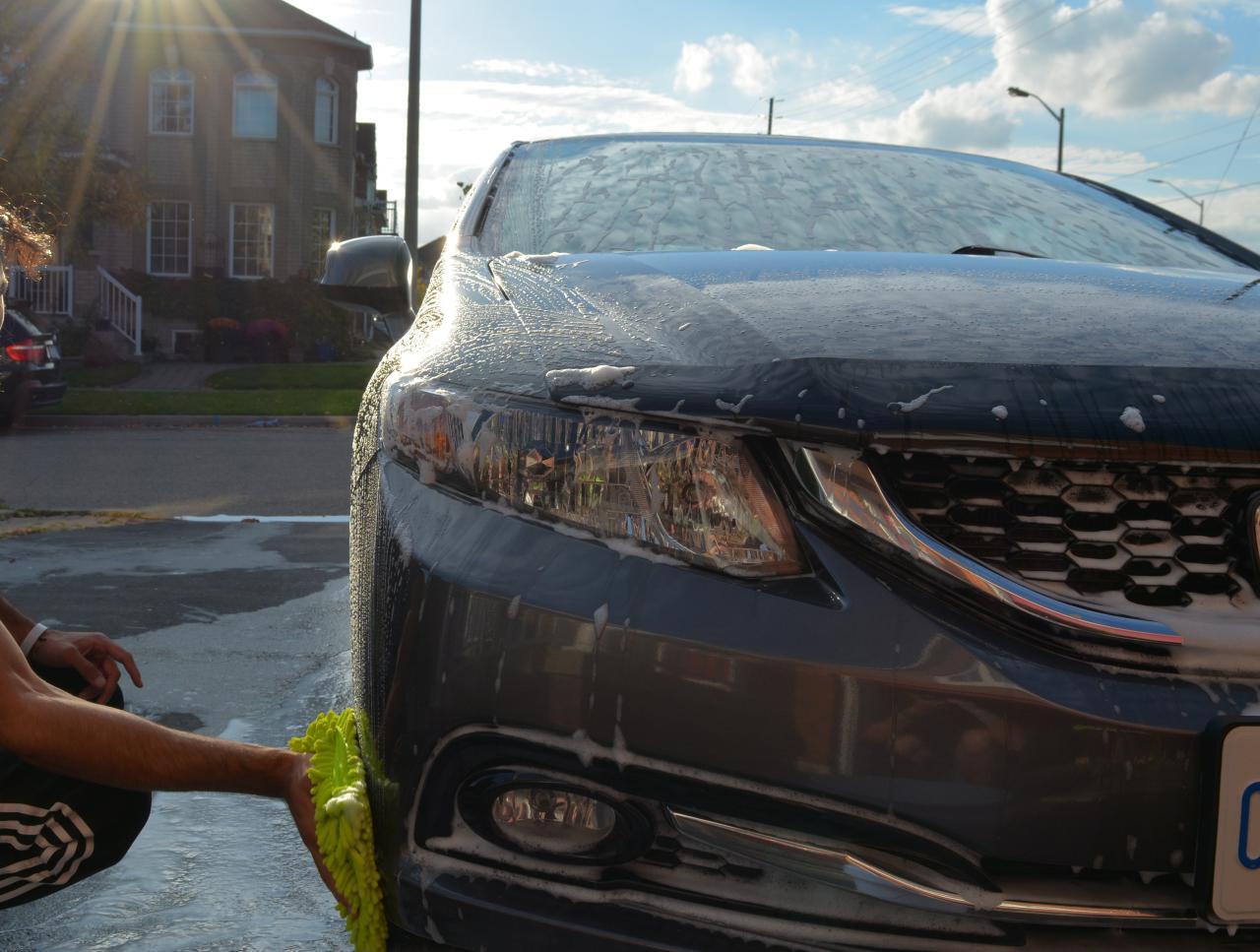
To effectively and safely wash your car using the two-bucket method, having the right tools and supplies is paramount. These items are specifically chosen to minimize the risk of scratching your vehicle’s paintwork while ensuring a thorough clean. Gathering these before you begin will make the entire process smoother and more efficient.The foundation of a safe car wash lies in the quality and suitability of the equipment you employ.
Each item plays a crucial role in protecting your car’s finish and achieving a professional-looking result.
Wash Mitt Characteristics
The wash mitt is your primary tool for applying soap and gently removing dirt from your car’s surface. An ideal wash mitt for scratch-free cleaning possesses several key characteristics that differentiate it from standard cleaning cloths. These features are designed to trap dirt particles away from the paint and provide a plush, non-abrasive surface.
- Material: The best wash mitts are typically made from microfiber or natural sheepskin. Microfiber is excellent at trapping dirt and is very soft, while sheepskin offers an even gentler touch and excellent absorbency.
- Pile Length: A mitt with long, dense fibers (often referred to as a “deep pile” or “plush” mitt) is superior. These long strands create a greater distance between the dirt particles and your car’s paint, significantly reducing the chance of scratches.
- Construction: Look for mitts with a well-stitched construction that prevents seams from snagging the paint. A comfortable cuff that fits snugly around your wrist also helps maintain control during the wash.
- Size and Shape: The mitt should be large enough to cover a good surface area but also manageable for your hand. Some mitts have a glove-like design for better grip and maneuverability.
Car Wash Soap Types
Choosing the right car wash soap is crucial for effective cleaning without stripping protective waxes or sealants. For the two-bucket method, it’s important to use a soap specifically formulated for automotive use. These soaps are pH-balanced and designed to lift dirt and grime without damaging your car’s finish.
- pH-Neutral Soaps: These are the gold standard for safe car washing. They are formulated to be gentle on paint, trim, and any existing wax or sealant layers. Their primary function is to encapsulate dirt, allowing it to be easily rinsed away.
- Biodegradable Soaps: Many modern car wash soaps are also biodegradable, making them an environmentally friendly choice. These soaps break down naturally after use, minimizing their impact on waterways.
- Soaps with Wax or Polymer Additives: Some car wash soaps contain mild amounts of wax or synthetic polymers. While they can add a slight shine and temporary protection, they are generally safe for the two-bucket method, though a dedicated wax or sealant application will provide more durable protection.
- Avoid Household Detergents: It is imperative to avoid using household dish soaps or laundry detergents. These are far too harsh, can strip protective coatings from your car’s paint, and can even dry out rubber and plastic trim.
Recommended Supplies Checklist
To ensure you have everything you need for a successful and safe car wash, here is a concise checklist of essential supplies:
| Item | Description |
|---|---|
| Two Buckets (5-gallon) | One for soapy water, one for rinsing the wash mitt. Grit guards are highly recommended for both. |
| High-Quality Wash Mitt | Microfiber or sheepskin with a deep pile for scratch-free cleaning. |
| pH-Neutral Car Wash Soap | Specifically formulated for automotive use. |
| Drying Towels | Large, plush microfiber drying towels to absorb water without scratching. |
| Wheel Cleaner (Optional) | A dedicated, pH-neutral wheel cleaner if your wheels require specific attention. |
| Wheel Brush (Optional) | A soft-bristled brush for cleaning wheels. |
| Hose with Nozzle | For rinsing the vehicle. A spray nozzle with adjustable settings is useful. |
Preparing Your Car for Washing
Before diving into the satisfying process of washing your car using the two-bucket method, a few crucial preparation steps ensure the best results and protect your vehicle’s finish. These preliminary actions remove loose contaminants, optimize your workspace, and set the stage for an effective and safe wash. Addressing these points beforehand minimizes the risk of scratching and allows the washing process itself to be more efficient.Taking a moment to prepare your car and your surroundings is akin to gathering all your ingredients before cooking a meal.
It prevents interruptions and ensures you have everything you need within reach, leading to a smoother and more enjoyable experience. This proactive approach significantly contributes to the overall quality of your car wash.
Selecting the Optimal Washing Environment
The location where you choose to wash your car has a direct impact on the effectiveness of the wash and the longevity of your car’s paintwork. Washing in direct sunlight or on a hot day can cause soap and water to dry too quickly on the surface, leaving behind unsightly water spots and streaks that are difficult to remove. These dried-on residues can etch into the paint if left unaddressed.Ideally, a car wash should be performed in a shaded area, such as a garage, under a carport, or on a cloudy day.
This allows the washing solutions to remain wet on the surface for longer, giving you ample time to rinse thoroughly and preventing premature drying. A shaded environment also makes the task more comfortable for you, especially during warmer months.
“The right environment prevents premature drying, minimizing water spots and ensuring a cleaner finish.”
Rinsing the Vehicle to Remove Loose Debris
The initial rinse is a critical step in the two-bucket method as it removes loose dirt, dust, grit, and other surface contaminants from your car’s exterior. Skipping or inadequately performing this step means that these abrasive particles will be carried over into your wash mitt during the washing process, significantly increasing the risk of scratching your paintwork. Think of it as sweeping the floor before mopping; you wouldn’t want to spread dirt around with a wet mop.A thorough rinse should be performed from the top of the vehicle downwards.
This allows gravity to assist in carrying away the loosened debris. Pay close attention to areas where dirt tends to accumulate, such as wheel wells, lower body panels, and around trim. Using a hose with a spray nozzle that provides good pressure is recommended for effective removal.Here are key areas to focus on during the initial rinse:
- Roof: Start here to wash away the majority of loose dust and debris.
- Hood and Trunk: Gently rinse these large flat surfaces, allowing water to flow downwards.
- Doors and Fenders: Work your way down, ensuring all surfaces are covered.
- Lower Panels and Bumpers: These areas often trap more dirt and require thorough attention.
- Wheel Wells and Tires: Blast away accumulated mud and road grime.
- Glass and Mirrors: Rinse to remove any loose particles that could scratch during washing.
The Washing Process: Step-by-Step Procedure
Now that you have your essential equipment ready and your car prepared, it’s time to dive into the actual washing process. The two-bucket method is designed to minimize scratching by ensuring that your wash mitt is always clean before it touches your car’s paintwork. Following these steps diligently will lead to a superior clean and protect your vehicle’s finish.This section will guide you through the mechanics of washing your car using the two-bucket system, from dipping your mitt to moving across your vehicle.
We will break down the technique for each step to ensure you achieve the best possible results.
Dipping the Wash Mitt into the Soap Bucket
The initial contact your wash mitt makes with the soap solution is crucial. A proper dip ensures maximum suds are loaded onto the mitt, providing lubrication and cleaning power for the first section of your car.
Always dip your clean wash mitt into the soap bucket first, ensuring it is fully saturated with the soapy water. This action prepares the mitt for effective cleaning.
Washing Motion and Sectional Approach
The direction and method of washing are paramount to preventing scratches and swirls. Working from top to bottom ensures that dirt and grime are consistently washed away from cleaner areas, rather than being spread across them.To effectively wash your car, follow this systematic approach:
- Begin at the highest point of the vehicle, such as the roof.
- Work in straight, overlapping lines across each panel. Avoid circular motions, as these are more prone to creating swirl marks.
- Move downwards systematically, covering the hood, trunk, doors, and fenders.
- For areas with more complex contours, such as bumpers or mirrors, use a gentle, dabbing motion or smaller, controlled strokes.
Rinsing the Wash Mitt in the Clean Water Bucket
This is the core principle of the two-bucket method. After washing a section of your car, the wash mitt will have picked up dirt and grit. Rinsing it thoroughly in the clean water bucket before returning to the soap bucket is essential to prevent transferring this abrasive material back onto your paint.To maintain a clean wash mitt throughout the process:
- After washing one panel or section of your car, thoroughly rinse the wash mitt in the clean water bucket.
- Agitate the mitt against the grit guard (if using one) or swirl it vigorously in the water to dislodge all trapped dirt.
- Visually inspect the mitt to ensure it is free of debris.
- Only after rinsing the mitt should you dip it back into the soap bucket for the next section.
Organizing the Washing Sequence for Optimal Results
A logical washing sequence ensures that you are always working with gravity and preventing dirt from re-contaminating already cleaned areas. This methodical approach maximizes efficiency and minimizes the risk of damage.The recommended washing sequence is as follows:
- Roof: Start with the highest surface.
- Windows and Glass: Wash the glass surfaces next.
- Upper Body Panels: Proceed to the upper sections of the doors, hood, and trunk.
- Lower Body Panels: Move to the lower sections, which tend to accumulate more road grime.
- Bumpers and Trim: These often require special attention due to their texture and location.
- Wheels and Tires: It is generally recommended to wash these last, or even with separate mitts and buckets, to prevent transferring brake dust and heavy road contaminants to the paint.
By following this order, you ensure that dirt flows downwards and away from the areas you have already cleaned, maintaining a higher standard of cleanliness throughout the washing process.
Rinsing and Drying for a Spot-Free Finish

After a thorough wash using the two-bucket method, the next critical steps involve meticulous rinsing and effective drying to ensure your car gleams without unsightly water spots or residue. These stages are paramount in achieving that professional, showroom-quality finish and protecting your paintwork from long-term damage caused by mineral deposits left behind by evaporating water.The objective of the rinsing process is to meticulously remove every trace of soap and dirt that has been lifted during the washing phase.
This prevents any residual suds from drying on the surface, which can lead to etching or dullness. Following a comprehensive rinse, the drying process is equally important to eliminate moisture before it has a chance to evaporate naturally and leave mineral deposits.
Thorough Rinsing Process
A proper rinse is essential to ensure all cleaning agents and loosened contaminants are carried away from the vehicle’s surface. This prevents soap scum from drying onto the paint and creating a dull appearance. The process should be methodical, starting from the top of the car and working your way down, allowing gravity to assist in flushing away the residue.For an optimal rinse, consider the following:
- Use a strong, steady stream of clean water from your hose or pressure washer.
- Begin rinsing the roof and gradually move down to the hood, trunk, doors, and finally the lower panels and wheels.
- Pay close attention to crevices, panel gaps, and around trim where soap can accumulate. A gentle spray of water can help dislodge any trapped suds.
- If using a pressure washer, maintain a safe distance to avoid damaging paint or trim, typically 12-18 inches, and use a fan spray pattern rather than a direct jet.
Effective Drying Techniques for a Spot-Free Finish
Drying your car immediately after rinsing is crucial to prevent water spots. Water, especially hard water, contains minerals that are left behind on the surface as the water evaporates. These mineral deposits can be difficult to remove and can etch into your paintwork over time. Employing the right techniques and materials will ensure a smooth, spot-free finish.The primary goal of drying is to wick away water efficiently and gently, without introducing new scratches or swirls.
This is best achieved by using a blotting or gliding motion rather than aggressive rubbing.
Drying Materials and Their Absorbency
The choice of drying material significantly impacts the effectiveness and safety of the drying process. Different materials offer varying levels of absorbency and can either enhance or detract from the final finish.Here is a comparison of common drying materials:
- Microfiber Drying Towels: These are the gold standard for car drying. High-quality microfiber towels are designed with a plush, twisted loop or waffle weave that can absorb a large amount of water without scratching the paint. Their softness and absorbency make them ideal for gently lifting water from the surface. Look for towels specifically designed for drying, often weighing 500 GSM or more.
- Chamois (Synthetic or Natural): Traditionally used, chamois can be effective if kept clean and slightly damp. However, they can sometimes drag across the surface, potentially causing micro-scratches if not used with extreme care. Synthetic chamois often offer better durability and less risk of scratching than natural ones.
- Waffle Weave Drying Towels: A specific type of microfiber, these towels feature a distinct waffle-like texture that excels at trapping water and reducing drag. They are highly absorbent and very effective for quick drying.
- California Duster: While useful for light dust removal on dry surfaces, California dusters are generally not recommended for drying a wet car. They can push water around and may trap grit, leading to scratches.
Importance of Drying in Shaded Areas
Drying your car in direct sunlight or on a hot surface is a recipe for water spots. The heat from the sun or the surface will cause the water to evaporate too quickly, leaving behind those stubborn mineral deposits before you have a chance to remove the water.It is highly recommended to:
- Always park your car in a shaded area, such as a garage or under a tree, before beginning the drying process.
- Ensure the car’s surface has cooled down if it has been exposed to sunlight.
- Working in the shade allows you more time to dry each section thoroughly without the water evaporating prematurely. This control over the drying process is key to achieving a truly spot-free finish.
Common Mistakes to Avoid
While the two-bucket method is designed to protect your car’s paint, several common errors can undermine its effectiveness and even lead to damage. Being aware of these pitfalls is crucial for achieving a truly safe and pristine wash.
Inadequate Mitt Rinsing
Failing to thoroughly rinse your wash mitt between each panel is perhaps the most detrimental mistake. This action directly transfers abrasive dirt and grit back onto your car’s paintwork, creating microscopic scratches that dull the finish over time.
“A dirty mitt is a scratch waiting to happen.”
The two-bucket method’s core principle is to keep the clean wash water separate from the dirty rinse water. If you do not rinse your mitt sufficiently in the grit guard-equipped rinse bucket, you are essentially reintroducing contaminants to your paint. This is especially critical when moving from a dirtier area of the car, like the lower panels or wheels, to a cleaner area, like the roof.
Using Household Cleaning Products
Employing household detergents or general-purpose cleaners on your car’s paint is a significant risk. These products are often too harsh and can strip away protective waxes and sealants, leaving the paint vulnerable to environmental damage. They may also contain chemicals that can dull or even etch the clear coat.It is important to understand that automotive paint has a specific formulation designed to withstand UV rays and environmental exposure.
Household cleaners lack the pH balance and chemical composition suitable for automotive finishes. Always opt for dedicated car wash soaps, which are pH-neutral and formulated to be gentle on paint while effectively lifting dirt.
Ignoring Heavily Soiled Vehicles
Adapting the two-bucket method for a vehicle with significant mud, tar, or caked-on grime requires extra care and potentially more frequent rinsing. Simply going through the motions with a single rinse of the mitt might not be enough.For heavily soiled vehicles, consider these adjustments:
- Pre-Rinse Thoroughly: Before even touching the paint with a mitt, give the entire vehicle a robust rinse with a hose or pressure washer to dislodge as much loose dirt and debris as possible.
- Increased Mitt Rinsing Frequency: You may need to rinse your mitt in the dirty water bucket more often than usual, perhaps after every single pass on a small section of the car.
- Dedicated Wheel Bucket: For vehicles with heavily soiled wheels, consider using a separate, dedicated bucket for wheel cleaning to prevent cross-contamination of brake dust and road grime into your paint wash water.
- Clay Bar Treatment: After washing and drying, a clay bar treatment is an excellent way to remove stubborn bonded contaminants that washing alone cannot eliminate.
- Two-Step Wash (if necessary): In extreme cases, a preliminary wash with a stronger, but still automotive-safe, cleaner might be beneficial before proceeding with the standard two-bucket method for a final clean.
Advanced Tips and Variations

While the two-bucket method forms a solid foundation for safe car washing, several advanced techniques and variations can further enhance your cleaning process and cater to specific vehicle types and components. These adjustments ensure thoroughness and protect your vehicle’s finish, even for specialized vehicles or challenging areas.
Adapting the Two-Bucket Method for Different Vehicle Types
The core principles of the two-bucket method remain consistent, but subtle adjustments can be made to effectively clean a wider range of vehicles, from robust trucks to nimble motorcycles.
- Trucks and SUVs: These larger vehicles often have more extensive surfaces and can accumulate more stubborn dirt, especially in lower areas like rocker panels and wheel wells. When washing trucks and SUVs, consider using a wash mitt with a longer handle to reach higher areas comfortably. For heavily soiled lower sections, a separate, dedicated wash mitt or brush might be beneficial to avoid transferring excessive grime back onto the main body panels.
Ensure ample rinsing between sections to manage the larger surface area.
- Motorcycles: Motorcycles present unique challenges due to their intricate components, including engines, fairings, and delicate chrome or painted surfaces. For motorcycles, it’s often advisable to use smaller, more pliable wash mitts or specialized detailing brushes to navigate around these parts. The two-bucket method is still highly recommended, but with a focus on gentler agitation. It’s crucial to use a pH-neutral car shampoo and avoid abrasive materials that could scratch delicate finishes or electronic components.
Thorough drying is paramount to prevent water spots on polished metal and painted surfaces.
- Classic Cars and Show Cars: For vehicles with delicate or historically significant finishes, extreme care is essential. The two-bucket method is ideal, but the focus shifts even more towards minimizing any potential for scratching. Use the softest wash mitts available, such as microfiber or lamb’s wool. Agitation should be as light as possible, allowing the soap and water to do the work. Rinsing must be exceptionally thorough to ensure no detergent residue remains, which could etch the paint over time.
Cleaning Wheels and Tires as Part of the Process
Wheels and tires are often the dirtiest parts of a vehicle and require specific attention to be cleaned effectively and safely within the two-bucket method framework. It is best practice to clean wheels and tires before washing the vehicle’s paintwork to prevent splashing brake dust and road grime onto a clean surface.
- Wheel Preparation: Before applying any cleaner, rinse the wheels thoroughly with water to remove loose dirt and debris.
- Dedicated Wheel Bucket: It is highly recommended to use a third bucket specifically for wheel cleaning. This prevents transferring brake dust, which is abrasive and can be metallic, onto your paintwork or into your main wash buckets. Fill this bucket with water and a dedicated wheel cleaner.
- Wheel Cleaner Application: Spray an appropriate wheel cleaner onto one wheel at a time. Choose a cleaner suitable for your wheel type (e.g., clear-coated, polished, chrome). Allow the cleaner to dwell for the recommended time, but do not let it dry on the surface.
- Agitation: Use dedicated wheel brushes and mitts to agitate the cleaner. Different brushes are available for various wheel designs and spoke configurations. A soft-bristled brush is ideal for tire sidewalls.
- Rinsing Wheels: Thoroughly rinse each wheel and tire before moving to the next, and then rinse them again after the main car wash is complete.
- Drying Wheels: Dry wheels with a separate, clean microfiber towel to prevent water spots and corrosion.
The Role and Effectiveness of Grit Guards
Grit guards are inserts placed at the bottom of your wash buckets. They are designed with raised ribs that trap dirt, grit, and debris that gets released from your wash mitt or brush.
Grit guards are a critical component of the two-bucket method, acting as a physical barrier to prevent abrasive particles from returning to the clean wash solution and subsequently being transferred back onto your vehicle’s paint.
The effectiveness of grit guards lies in their ability to create a separation between the dirty water at the bottom of the bucket and the clean soapy water above. When you dunk your wash mitt into the rinse bucket, rubbing it against the grit guard helps dislodge trapped dirt. This significantly reduces the risk of inflicting swirl marks and scratches on your car’s paintwork.
For maximum effectiveness, ensure the grit guard is properly seated at the bottom of each bucket.
Comparison of the Two-Bucket Method with Other Popular Washing Techniques
The two-bucket method is widely considered a superior technique for safely washing a vehicle. However, understanding its advantages relative to other methods highlights its importance.
| Washing Technique | Description | Pros | Cons | Suitability for Paint Protection |
|---|---|---|---|---|
| Single Bucket Method | Using only one bucket for both washing and rinsing the wash mitt. | Simple, requires less equipment. | High risk of scratching and swirling paint due to reintroducing dirt. | Low |
| Rinse-Less Washing | Washing the car with specialized cleaning solutions and microfiber towels without a traditional rinse. | Water-efficient, convenient for quick washes or in areas with water restrictions. | Can be less effective on heavily soiled vehicles, risk of scratching if not performed meticulously with sufficient towels. | Moderate to High (with proper technique and sufficient towels) |
| Pressure Washing (High Pressure) | Using a high-pressure washer to remove dirt. | Fast, effective for removing heavy dirt and debris. | Can damage paint, trim, and seals if pressure is too high or nozzle is too close. Can strip waxes and sealants. | Low to Moderate (requires careful application) |
| Two-Bucket Method | Using one bucket for soapy water and another for rinsing the wash mitt. | Significantly reduces the risk of scratching and swirling paint. Thorough cleaning. | Requires more equipment (two buckets), slightly more time-consuming than single-bucket. | High |
Maintaining Your Wash Mitts and Buckets
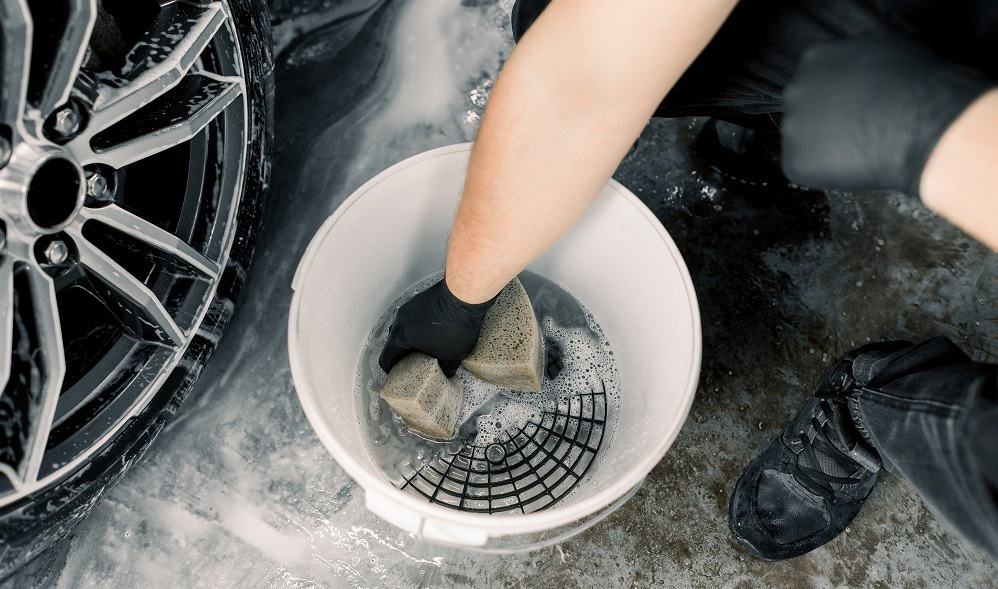
Properly maintaining your wash mitts and buckets is crucial for extending their lifespan and ensuring they continue to contribute to a scratch-free car wash. Neglecting these essential tools can lead to embedded dirt and grit, which can then be transferred back onto your vehicle during the washing process, defeating the purpose of the two-bucket method. By dedicating a little time to their care, you’ll significantly enhance the effectiveness and safety of your car washing routine.The two-bucket method relies on clean tools to prevent scratching.
Therefore, a commitment to cleaning and storing your wash mitts and buckets correctly is a vital step in achieving a truly spotless finish. This section will guide you through the best practices for keeping your equipment in optimal condition.
Wash Mitt Care
Wash mitts are the primary contact point with your car’s paintwork during the washing phase. Ensuring they are free from abrasive particles is paramount.
- Immediate Rinsing: After each use, thoroughly rinse your wash mitt under clean running water. This initial step helps to dislodge loose dirt and grime before it has a chance to embed itself deep within the fibers.
- Machine Washing: For a deeper clean, wash your mitts in a washing machine. Use a mild, pH-neutral detergent. Avoid fabric softeners, as these can coat the fibers and reduce their absorbency and cleaning effectiveness. Wash them separately or with other microfiber detailing towels to prevent lint transfer.
- Air Drying: Always air dry your wash mitts. Hanging them in a well-ventilated area, away from direct sunlight, is ideal. Direct sunlight can degrade microfiber materials over time. Never put them in a clothes dryer, as the heat can melt the synthetic fibers and cause them to clump, rendering them less effective and potentially scratchy.
- Storage: Once completely dry, store your wash mitts in a clean, dry place. A dedicated container or a shelf in your garage or detailing area works well. Keeping them covered prevents them from accumulating dust and other airborne contaminants.
Bucket Maintenance
Your buckets, especially the grit guard inserts, are designed to trap dirt, but they need regular attention to remain effective.
The primary goal of bucket maintenance is to ensure that no trapped dirt is inadvertently reintroduced to your wash mitt or the vehicle’s surface. Regular cleaning prevents the buildup of abrasive particles.
- Thorough Rinsing: After emptying your buckets, rinse them out thoroughly with clean water. Pay special attention to the grit guard at the bottom; agitate it with your hand or a brush to release any trapped debris.
- Deep Cleaning: Periodically, you may need to deep clean your buckets. This can be done by filling them with warm water and a small amount of car wash soap, scrubbing the interior with a dedicated brush, and then rinsing them completely.
- Inspection: Regularly inspect your buckets for any cracks, damage, or excessive wear. The grit guard should also be checked for any broken or loose pieces.
- Storage: Store your buckets clean and dry. Stacking them when not in use is a common practice, but ensure they are dry before stacking to prevent mold or mildew growth. If possible, store them with the lids on to keep dust out.
Identifying Replacement Needs
Even with diligent care, wash mitts and buckets will eventually wear out. Recognizing the signs of wear and tear is important for maintaining the integrity of your car washing process.
The performance of your wash mitts and buckets directly impacts the safety of your car’s paint. When they show signs of degradation, it’s time to replace them to avoid potential damage.
- Wash Mitts: Signs that a wash mitt needs replacement include:
- Fibers becoming matted, clumpy, or stiff.
- Reduced absorbency.
- Visible damage, such as tears or holes.
- A persistent grimy feel even after thorough cleaning.
- Any mitt that feels rough or scratchy to the touch should be retired immediately.
- Buckets: Buckets typically last a long time, but replacement might be necessary if:
- They develop significant cracks or leaks.
- The grit guard is broken or no longer effectively separates dirt from the water.
- The plastic has become brittle and shows signs of degradation.
Final Wrap-Up
Mastering the two-bucket method is more than just cleaning; it’s an investment in your vehicle’s longevity and appearance. By diligently following these steps, avoiding common pitfalls, and maintaining your tools, you can consistently achieve a superior clean that protects your car’s paint for years to come, ensuring it always looks its absolute best.