Embarking on the journey of a pristine car interior begins with a thorough vacuuming. This essential task not only elevates your driving experience but also plays a crucial role in maintaining hygiene and preserving the vehicle’s aesthetic appeal and resale value. Neglecting this simple yet impactful maintenance can lead to premature wear and tear on your car’s materials, diminishing its overall charm and longevity.
Understanding the importance of a clean car interior is the first step towards achieving that showroom-fresh feel. From the benefits of enhanced hygiene and a more pleasant driving environment to the long-term effects of material degradation, a comprehensive approach to vacuuming ensures your vehicle remains a comfortable and valuable asset.
Understanding the Importance of a Clean Car Interior
Maintaining a clean car interior is more than just an aesthetic preference; it’s a crucial aspect of car ownership that impacts hygiene, vehicle longevity, and your overall driving enjoyment. Regularly vacuuming your car’s interior is a fundamental step in this process, removing dust, debris, and potential allergens that can accumulate over time. This attention to detail not only contributes to a healthier environment within your vehicle but also plays a significant role in preserving its condition and maximizing its resale value.A clean interior profoundly influences the driving experience.
It fosters a sense of calm and order, making commutes and longer journeys more pleasant and less stressful. When your car’s cabin is free from clutter and dirt, it feels more spacious and inviting, transforming your vehicle from a mere mode of transport into a comfortable personal space.Neglecting the interior cleaning can lead to several detrimental long-term effects on your car’s materials.
Without regular vacuuming and cleaning, dust and grime can become embedded in fabrics and carpets, accelerating wear and tear. This can manifest as faded upholstery, worn-out floor mats, and even damage to delicate surfaces. Furthermore, moisture trapped by dirt can encourage mold and mildew growth, leading to unpleasant odors and potential health issues for occupants.
Hygiene and Health Benefits of Regular Vacuuming
Regularly vacuuming your car’s interior is essential for maintaining a hygienic environment, which directly benefits the health of everyone who travels in your vehicle. Cars can become breeding grounds for dust mites, bacteria, and allergens, especially if they are frequently used or if pets travel in them. These microscopic irritants can trigger allergies, asthma, and other respiratory problems. By thoroughly vacuuming, you effectively remove these contaminants from carpets, upholstery, and floor mats, significantly improving the air quality inside your car.This process also extends to removing food crumbs, dirt tracked in from outside, and other organic matter that can decompose and foster the growth of bacteria and mold.
A clean car interior minimizes these risks, creating a safer and healthier space for you and your passengers.
Impact on Resale Value
The condition of a car’s interior is a major factor that potential buyers consider when assessing its overall value. A meticulously maintained interior signals that the vehicle has been well cared for, which often correlates with good mechanical condition as well. Prospective buyers are willing to pay a premium for a car that looks and feels clean, as it suggests less wear and tear and a more pleasant ownership experience.Conversely, a dirty, stained, or worn interior can significantly detract from a car’s resale value.
Buyers may perceive a neglected interior as a sign of poor maintenance overall, leading them to offer a lower price or look for alternative vehicles. Therefore, consistent vacuuming and cleaning are sound investments that help protect and enhance your car’s marketability.
Enhancing the Driving Experience
The psychological impact of a clean environment cannot be overstated, and this holds true for your car’s interior. A tidy and fresh-smelling cabin contributes to a more relaxing and enjoyable driving experience. It reduces visual clutter, which can be distracting, and creates a sense of calm and professionalism. Whether you’re commuting to work, running errands, or embarking on a road trip, a clean car interior makes the journey more pleasant.Consider the contrast between entering a car filled with discarded wrappers and dust versus one that is spotless and smells fresh.
The latter promotes a sense of well-being and pride of ownership. This enhanced experience can make even mundane drives feel more refreshing and less of a chore.
Preservation of Interior Materials
Over time, dirt, grime, and UV exposure can degrade the various materials that make up your car’s interior. Fabrics can become faded and worn, leather can dry out and crack, and plastic and vinyl surfaces can become dull or scratched. Regular vacuuming removes abrasive particles that can cause micro-scratches on surfaces, while also preventing the buildup of dirt that can trap moisture and lead to staining and material breakdown.For instance, spills that are not cleaned promptly can seep into upholstery and carpets, leaving permanent stains and potentially weakening the fibers.
Similarly, dust on dashboard surfaces, when rubbed by clothing or cleaning cloths, can cause a dulling effect over time. Consistent cleaning and vacuuming are proactive measures that help preserve the aesthetic appeal and structural integrity of your car’s interior components for years to come.
Essential Tools and Supplies for Effective Vacuuming
To achieve a truly clean car interior, having the right tools and supplies is paramount. Beyond just a powerful vacuum cleaner, a selection of specialized attachments and complementary cleaning aids can make a significant difference in the thoroughness and efficiency of your car vacuuming process. This section will guide you through the essential items that will transform your car’s interior from dusty to dazzling.Selecting the appropriate vacuum cleaner and its accessories is the cornerstone of effective car interior cleaning.
Different surfaces within your vehicle, from delicate upholstery to tight crevices, require specific tools to ensure both a deep clean and the preservation of materials.
Vacuum Cleaner Attachments and Their Uses
A versatile vacuum cleaner is only as effective as the attachments it comes with. Each attachment is designed to tackle specific areas and types of debris, ensuring no corner of your car’s interior is overlooked.Here are the key vacuum cleaner attachments and their primary functions:
- Crevice Tool: This long, narrow attachment is indispensable for reaching into tight spaces such as between seat cushions, along door seams, under pedals, and in the seams of the dashboard. Its design allows it to dislodge and suction debris that accumulates in these often-neglected areas.
- Upholstery Tool: Typically wider with a fabric-friendly brush strip, this attachment is ideal for cleaning fabric seats, carpets, and floor mats. The brush helps to agitate the fibers, loosening embedded dirt and pet hair for more effective suction.
- Dusting Brush: Featuring soft bristles, this attachment is perfect for gently cleaning delicate surfaces like the dashboard, instrument panel, air vents, and door panels without causing scratches. It effectively removes dust and light debris from these areas.
- Powered Brush/Turbo Tool: For heavily soiled carpets or areas with stubborn pet hair, a powered brush attachment can be a game-changer. Its rotating brush actively lifts and removes embedded dirt and hair, providing a deeper clean than suction alone.
- Extension Wand: While not an attachment for a specific surface, an extension wand is crucial for reaching under seats, into the trunk, and other distant areas of the car, improving the overall reach and comfort of the vacuuming process.
Types of Vacuum Cleaners for Automotive Interiors
The choice of vacuum cleaner significantly impacts your car cleaning experience. Key considerations include power, portability, and power source.For automotive interiors, the following types of vacuum cleaners are generally best suited:
- Handheld Vacuums: These are highly portable and convenient for quick cleanups. Look for models with strong suction power and a good selection of attachments. Battery-powered handhelds offer the ultimate in freedom from cords.
- Corded Car Vacuums: These are typically more powerful than handhelds and are designed specifically for car use, often with long cords that plug into a car’s 12V accessory socket. They provide consistent power for more thorough cleaning sessions.
- Shop Vacs (Wet/Dry Vacuums): While larger and less portable, shop vacs offer superior suction power and capacity. They are excellent for deep cleaning, tackling spills, and removing large amounts of debris. Many come with specialized car detailing kits.
When considering power, look for vacuums with a high Airflow (CFM) and Suction Power (often measured in kPa or inches of water lift). Portability is also key; a lightweight and maneuverable vacuum will make the task much easier.
Other Helpful Cleaning Supplies
Complementary cleaning supplies can enhance the effectiveness of your vacuuming and address areas that vacuuming alone might not fully clean.These items work in synergy with your vacuum to achieve a superior result:
- Interior Detailer Spray: Used after vacuuming, this spray helps to clean and protect surfaces like the dashboard, door panels, and center console, leaving them looking refreshed and free of dust.
- Upholstery Cleaner: For stubborn stains on fabric seats or carpets, a dedicated upholstery cleaner can be applied before vacuuming to lift and break down the stain.
- All-Purpose Interior Cleaner: This can be used on hard surfaces for a more thorough clean of smudges and grime that vacuuming won’t remove.
- Stiff Bristle Brush: A small, stiff brush is excellent for agitating dirt and debris in carpet fibers or floor mats, making it easier for the vacuum to pick up.
- Microfiber Cloths: Essential for wiping down surfaces after cleaning or applying protectants, microfiber cloths are highly absorbent and non-abrasive, preventing scratches.
Checklist of Recommended Items
To ensure you are fully prepared for a comprehensive car interior vacuuming session, use this checklist to gather all necessary items.Here is a checklist of recommended items for effective car interior vacuuming:
- Corded or cordless vacuum cleaner
- Crevice tool attachment
- Upholstery tool attachment
- Dusting brush attachment
- Powered brush/turbo tool attachment (optional, for heavy debris)
- Extension wand (if needed)
- Interior detailer spray
- Upholstery cleaner (for stain treatment)
- All-purpose interior cleaner
- Stiff bristle brush
- Microfiber cloths (several)
- Trash bags (for collected debris)
Pre-Vacuuming Preparation Steps
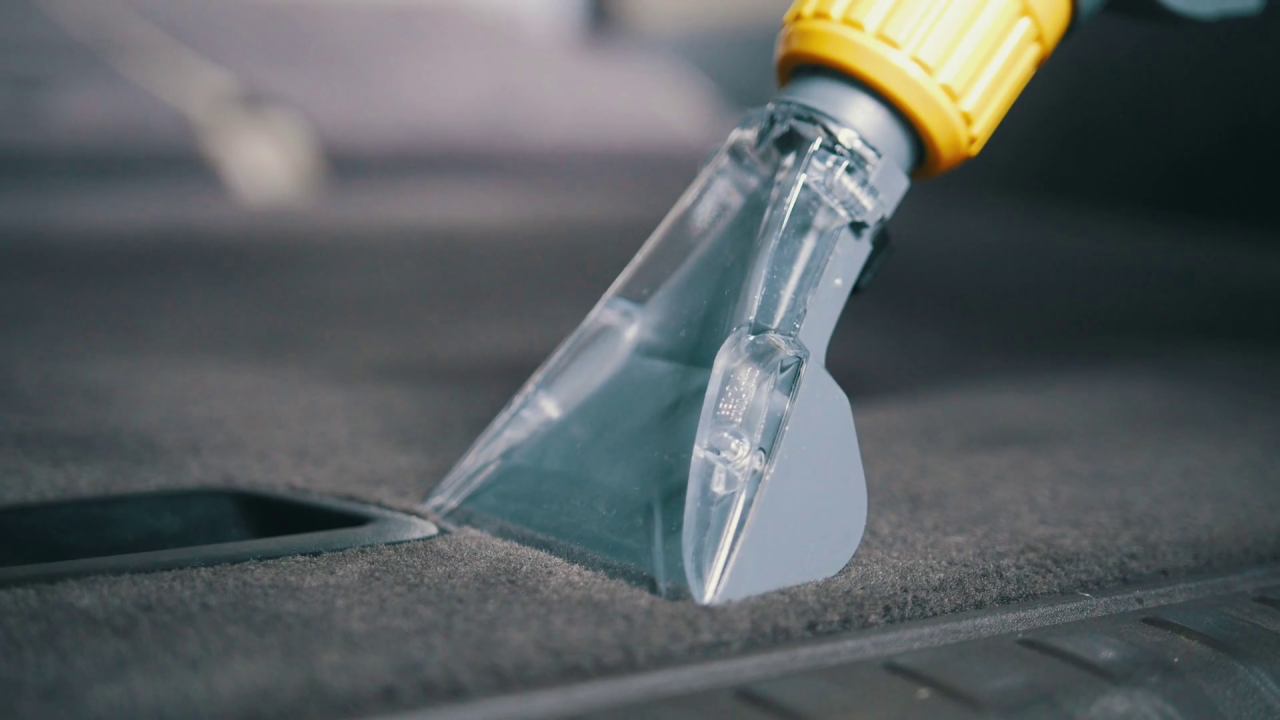
Before you can effectively vacuum your car’s interior, a thorough preparation phase is crucial. This stage ensures that you can access all areas, remove loose debris efficiently, and achieve the best possible cleaning results. Taking the time to properly prepare your car will not only make the vacuuming process smoother but also significantly enhance the overall cleanliness of your vehicle.This preparation involves a systematic approach to decluttering and organizing, setting the foundation for a spotless interior.
By following these steps, you’ll be well-equipped to tackle the vacuuming with confidence and achieve a truly clean car.
Removing Personal Items and Floor Mats
The first and most critical step in preparing your car for vacuuming is to completely clear out all personal belongings and remove the floor mats. This creates an unobstructed space, allowing your vacuum cleaner to reach every nook and cranny without impediment. Leaving items in place will result in missed spots and a less thorough cleaning.The process of removing personal items should be done systematically.
It’s beneficial to have a designated container or bag ready to collect these items as you remove them. This organized approach prevents items from being scattered and makes their eventual replacement much simpler. Consider grouping similar items together, such as chargers, sunglasses, or children’s toys, to streamline the process. This also provides an opportunity to sort through items, discarding anything no longer needed or that has become trash.
Pre-Cleaning Floor Mats
Floor mats, especially those that are removable, often accumulate a significant amount of dirt, mud, and debris. To maximize the effectiveness of your vacuuming, it’s highly recommended to pre-clean your floor mats before bringing them back into the car. This step ensures that you are not reintroducing dirt into the freshly vacuumed interior.There are several effective methods for pre-cleaning floor mats:
- Shaking: For lighter debris, a vigorous shaking of the mats outdoors can dislodge a substantial amount of loose dirt, dust, and small particles.
- Brushing: For more embedded dirt, use a stiff-bristled brush to scrub the mats. This will help loosen grime that can then be easily shaken or washed away.
- Washing: For heavily soiled mats, a thorough wash with water and a mild detergent might be necessary. Ensure they are completely dry before returning them to the car to prevent mold and mildew.
The type of mat will influence the best pre-cleaning method. Rubber or all-weather mats can typically withstand washing, while carpeted mats may require more careful brushing and shaking to avoid damage.
Assessing for Large Debris
Before you even power up your vacuum cleaner, a visual inspection of the car’s interior is essential for identifying and manually removing any large pieces of debris. Vacuuming over large items like rocks, leaves, or food scraps can clog your vacuum cleaner, damage its motor, or even scratch your car’s surfaces.This assessment involves a thorough scan of all accessible areas:
- Under Seats: Pay close attention to the floor areas under and around the seats, as these are common hiding places for larger debris.
- Door Pockets and Consoles: Check all storage compartments for any loose items or larger pieces of trash that may have fallen in.
- Seat Crevices: Large crumbs or forgotten items can get lodged in the seams and crevices of your car seats.
For stubborn or larger items that cannot be easily picked up by hand, a small hand brush and dustpan can be very useful. This manual removal step ensures that your vacuum cleaner can perform its primary function of removing finer dust and dirt without being hindered by larger obstructions.
Mastering the Vacuuming Technique
Having prepared your car and gathered the necessary tools, the next crucial step is to employ effective vacuuming techniques to achieve a truly clean interior. This section will guide you through the process of tackling your car’s floors and carpets systematically, ensuring no dirt or debris is left behind. A methodical approach not only makes the task more efficient but also significantly improves the overall cleanliness of your vehicle.Vacuuming car floor carpets requires a strategic approach to ensure all areas are covered thoroughly.
By working in defined sections and employing the right techniques, you can effectively lift dirt and debris, leaving your carpets looking and feeling fresh. This detailed guide will walk you through the process, from initial passes to dealing with stubborn particles.
Systematic Carpet Vacuuming
To achieve the best results when vacuuming your car’s floor carpets, it is essential to work in a systematic manner. This involves dividing the carpeted area into manageable sections and vacuuming each section thoroughly before moving on. This method ensures that no area is missed and that all dirt and debris are captured.Begin by vacuuming from the front of the car towards the back.
Use long, overlapping strokes, moving the vacuum cleaner slowly to allow the suction to effectively pull up dirt. Pay close attention to the edges of the carpet where it meets the plastic trim or seats, as dirt often accumulates in these areas. After vacuuming in one direction, it is beneficial to go over the same area again, but perpendicular to your initial strokes.
This “criss-cross” pattern helps to agitate and lift embedded debris from the carpet fibers more effectively.
Vacuuming Under Seats and in Tight Footwell Areas
The areas under seats and in tight footwell corners are notorious for collecting dust, crumbs, and other debris. These spaces often require specialized attention and tools to vacuum effectively. Without proper technique, these areas can remain a source of hidden dirt, diminishing the overall cleanliness of your car’s interior.To effectively vacuum under seats, you will likely need to use crevice tools or extension wands that come with your vacuum cleaner.
These attachments allow you to reach into the narrow gaps between the seat rails and the floor. Gently slide the crevice tool along the floor and around the seat bases, ensuring you capture all accumulated dust and debris. For footwell areas, especially in the rear of the car or in smaller vehicles, the angled design of the footwell can make it challenging to maneuver a standard vacuum head.
Use the crevice tool or a brush attachment to get into the corners and along the edges where dirt tends to settle.
Dealing with Stubborn Dirt and Embedded Debris
While general vacuuming is effective for loose dirt, some debris can become deeply embedded in carpet fibers, requiring more assertive techniques. Stubborn dirt, such as dried mud or fine sand, can be particularly challenging to remove with standard suction alone.For embedded dirt, a stiff-bristled brush attachment on your vacuum cleaner can be invaluable. Before vacuuming, use the brush attachment to agitate the carpet fibers.
This process helps to loosen the embedded debris, making it easier for the vacuum’s suction to lift it away. Work in small sections, brushing the dirt loose and then immediately vacuuming the area. For very persistent spots, a carpet cleaner or spot remover, used according to the product’s instructions, can pre-treat the area before vacuuming. Always test any cleaning solution on an inconspicuous area of the carpet first to ensure it does not cause discoloration.
“Effective vacuuming involves not just suction, but also agitation and reaching into every nook and cranny.”
Step-by-Step Procedure for Vacuuming Removable Floor Mats
Removable floor mats are often the most heavily trafficked areas of your car’s interior, and vacuuming them separately allows for a more thorough cleaning. This process ensures that dirt is not simply redistributed onto the main carpet.
- Remove all floor mats from the vehicle. Shake them vigorously outdoors to dislodge loose dirt and debris.
- Place the mats on a clean, flat surface, such as a driveway or a large tarp.
- Using your vacuum cleaner with a suitable attachment (such as a brush head or the main vacuum head), vacuum the entire surface of each mat. Work in overlapping strokes, ensuring full coverage.
- For mats with deep grooves or textured surfaces, use a crevice tool or a stiff brush to agitate and lift any trapped dirt before vacuuming again.
- Turn the mats over and repeat the vacuuming process on the underside, as dirt can accumulate here as well.
- Once thoroughly vacuumed, inspect the mats for any remaining debris. If necessary, repeat the agitation and vacuuming steps.
- Allow the mats to air dry completely before placing them back into the car. This prevents moisture from being trapped, which could lead to mold or mildew.
Reaching Difficult Areas: Seats and Crevices
Once the main floor and larger surfaces are clean, it’s time to focus on the areas that often accumulate the most dirt and debris: your car’s seats and the intricate crevices within them. These spots require specific techniques and tools to ensure a truly thorough clean, leaving your car’s interior looking and feeling refreshed.Effectively vacuuming car seats involves understanding the different materials they are made from and employing the right attachments and approaches.
This section will guide you through tackling fabric, leather, and vinyl seats, as well as the often-forgotten nooks and crannies.
Fabric Car Seat Vacuuming
Fabric car seats are prone to trapping dust, crumbs, and pet hair deep within their fibers. A systematic approach is key to extracting this embedded dirt. Start by using a stiff brush attachment to agitate the fabric, loosening debris from the weave. Work in small sections, moving the vacuum nozzle in overlapping strokes. Pay close attention to seams and stitching, where dirt can easily accumulate.
For stubborn stains or heavily soiled areas, a multi-stage approach may be necessary, involving pre-treatment if needed, followed by thorough vacuuming.
Leather and Vinyl Car Seat Care
Leather and vinyl car seats require a gentler approach to avoid scratching or damaging the material. It is crucial to use a soft brush attachment or a nozzle specifically designed for delicate surfaces. When vacuuming, avoid pressing down too firmly. Instead, glide the vacuum nozzle smoothly over the surface, ensuring it hovers slightly above the material. For leather, consider using a conditioning product after vacuuming to maintain its suppleness and prevent cracking.
Always test any cleaning or conditioning products in an inconspicuous area first.
Seat Crevice and Cushion Cleaning Techniques
The gaps between seat cushions, along seat edges, and in the areas where the seat meets the console are prime locations for lost items and accumulated grime. These areas often require specialized tools. The crevice tool is indispensable here, its narrow profile allowing it to reach deep into these tight spaces. For areas where the crevice tool might not fully reach or where debris is more embedded, a small, round brush attachment can be effective in dislodging particles before vacuuming them up.
Utilizing Crevice Tools and Brush Attachments for Seat Edges and Bolsters
The edges of car seats and the bolster areas, which provide support and often have complex shapes, benefit greatly from targeted tool usage. The crevice tool should be your primary weapon for tracing along the seat seams and the perimeter where the seat upholstery meets the plastic trim. For the contoured bolster areas, a brush attachment, particularly one with softer bristles for leather/vinyl or stiffer bristles for fabric, can be used to gently agitate and lift dirt before the crevice tool or a standard nozzle is used to suction it away.
This ensures that even the most awkward contours are thoroughly cleaned.
Tackling the Dashboard, Console, and Door Panels
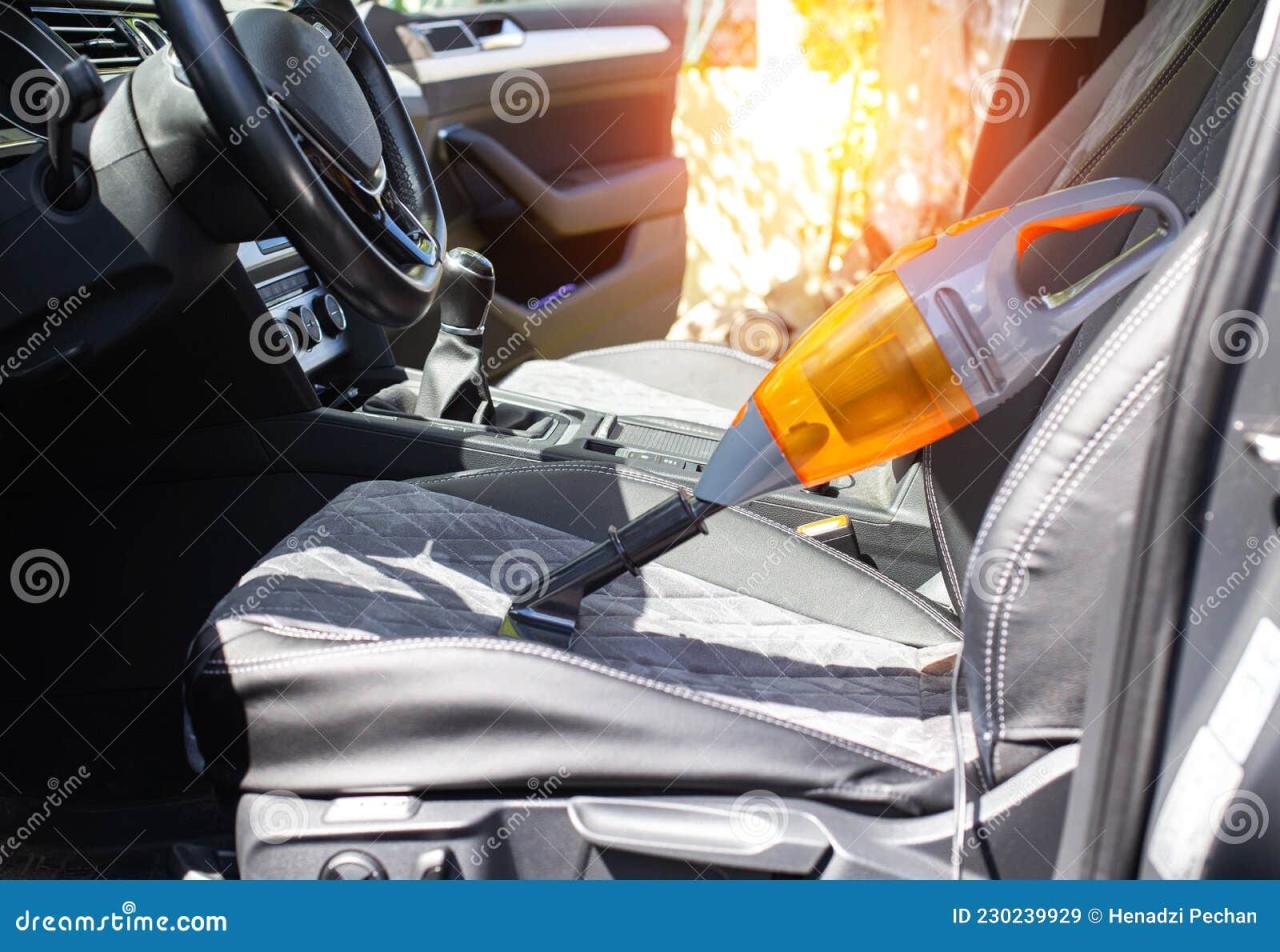
The dashboard, center console, and door panels are highly visible areas of your car’s interior, and accumulating dust and debris here can detract significantly from an otherwise clean appearance. These surfaces often feature intricate designs, buttons, and vents that require a delicate yet effective approach to vacuuming.Vacuuming these areas properly not only enhances the aesthetics of your car but also helps maintain the longevity of the materials by removing abrasive particles.
A thorough approach ensures that every nook and cranny is addressed, leaving your car’s interior looking and feeling refreshed.
Vacuuming the Dashboard and Center Console
The dashboard and center console are prime locations for dust accumulation, particularly around air vents, buttons, and control panels. A systematic approach will ensure these delicate surfaces are cleaned without damage.Before introducing the vacuum, it’s highly recommended to use a soft-bristled brush or a detailing brush to gently dislodge any settled dust from intricate dashboard elements, vents, and around buttons.
This loosened dust can then be more effectively captured by the vacuum cleaner.When vacuuming these areas, always use the crevice tool or a brush attachment. Move the vacuum slowly and deliberately, paying close attention to the following:
- Air Vents: Gently run the crevice tool along the slats of the air vents to remove dust trapped within. For stubborn dust, a soft brush can be used in conjunction with the vacuum.
- Buttons and Controls: Carefully vacuum around buttons, knobs, and switches. Avoid pressing down forcefully with the vacuum nozzle, as this could potentially damage delicate electronic components or the surrounding trim.
- Speaker Grilles: Use a brush attachment or a low-suction setting to carefully vacuum speaker grilles. This prevents dust buildup that can muffle sound quality and detract from the visual appeal.
It is crucial to maintain a gentle approach when vacuuming these delicate interior surfaces. Excessive pressure or abrasive movements can lead to scratches or damage to plastic, vinyl, or leather components. Always ensure your vacuum cleaner has adjustable suction settings, and opt for the lowest effective setting when working on sensitive areas.
Cleaning Door Pockets, Armrests, and Speaker Grilles
The door panels are often overlooked but can harbor a surprising amount of debris, from loose change to forgotten receipts. Addressing these areas thoroughly contributes to a complete interior clean.Door pockets, armrests, and speaker grilles require specific attention due to their varied textures and potential for collecting smaller items.Here’s how to effectively clean these components:
- Door Pockets: Empty the door pockets completely. Use the crevice tool to reach into the corners and along the edges. For fabric-lined pockets, a brush attachment can help lift out embedded debris.
- Armrests: Vacuum the surface of the armrests, especially if they are made of fabric or leather. Use a brush attachment to agitate the surface and lift any dust or crumbs before vacuuming.
- Speaker Grilles: As mentioned for the dashboard, use a brush attachment or a low-suction setting to carefully vacuum speaker grilles. The fine mesh can trap dust, so a gentle approach is key to avoid damage.
The importance of a gentle approach cannot be overstated when dealing with the interior surfaces of your car. These materials are often designed for comfort and aesthetics, and aggressive vacuuming can lead to scuffs, tears, or discoloration. Always consider the material you are working with and adjust your technique accordingly.
Vacuuming Upholstery and Headliners
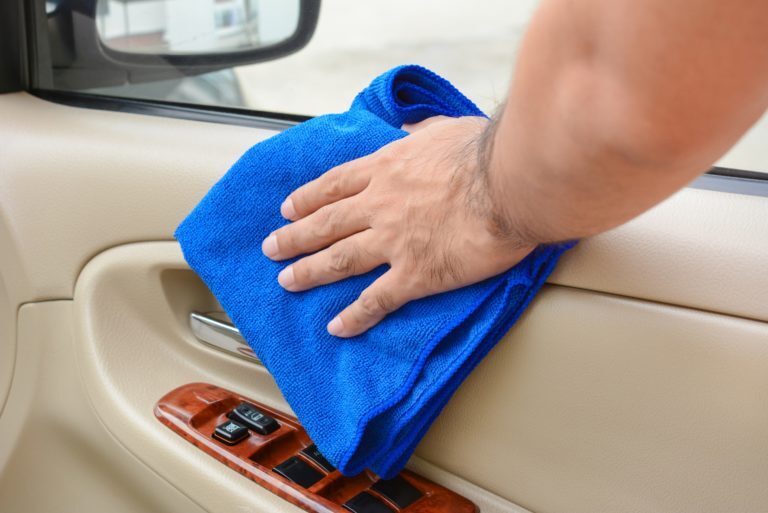
The seats and roof lining of your car are prime locations for accumulating dust, crumbs, and other debris. Properly vacuuming these areas not only enhances the aesthetic appeal of your vehicle but also contributes to a healthier cabin environment. It’s important to approach these surfaces with the right techniques to ensure thorough cleaning without causing any damage.Fabric upholstery can trap fine particles, and the headliner, often made of delicate material, requires a gentle yet effective approach.
Understanding the specific needs of these interior components will help you achieve a professional-level clean.
Fabric Upholstery Vacuuming Techniques
Vacuuming fabric upholstery requires attention to the type of fabric and the tools used. Different weaves and materials respond best to specific methods to lift dirt and prevent wear.For most fabric car seats, starting with a wider upholstery attachment is recommended. Move the attachment in overlapping strokes, working in one direction to effectively pull out embedded dirt and debris. For tougher stains or more deeply ingrained dirt, a crevice tool can be used to agitate the fabric fibers before vacuuming with the wider attachment.
It’s also beneficial to vacuum in both directions (along the weave and against it) on particularly soiled areas to ensure all particles are lifted.Consider the fabric type when choosing your technique:
- Woven fabrics: These can withstand a moderate amount of agitation. Use firm, even strokes.
- Velour or plush fabrics: These are more delicate. Use a lighter touch and avoid excessive pressure to prevent crushing the pile. A soft brush attachment can help lift the fibers before vacuuming.
- Leather or vinyl seats: While not fabric, these also require specific care. Use a soft brush attachment to avoid scratching and vacuum gently.
When dealing with fabric, it’s also wise to check the manufacturer’s care instructions if available, as some materials may have specific cleaning recommendations.
Headliner Cleaning and Dust Removal
The car’s headliner, or roof lining, is often a sensitive area that can easily be damaged by rough handling or excessive moisture. A light touch and the correct tools are paramount to avoid sagging or tearing the material.To vacuum the headliner, it is best to use a soft brush attachment or a nozzle with a brush guard. Gently glide the attachment across the surface in a single direction.
Avoid pressing down firmly, as this can push debris deeper into the fabric or cause the adhesive holding the headliner to loosen. If you encounter stubborn dust or light debris, a quick, light pass is usually sufficient. For areas that appear more soiled, a slightly damp microfiber cloth can be used
after* vacuuming to gently wipe away any remaining marks, but ensure the cloth is only slightly damp to prevent water saturation.
Areas on upholstery and headliners that commonly accumulate dirt include:
- Seat seams and stitching: These are natural traps for crumbs and dust.
- The area between seat cushions: Debris often falls into these crevices.
- The front edge of seats: This area collects dirt from shoes and pant legs.
- Around seat belt anchors: Small particles can get lodged here.
- The edges of the headliner, especially near doors and windows: These areas can collect dust blown in by the wind.
- Areas above air vents on the headliner: Dust can settle here from airflow.
When vacuuming the headliner, always work from the front of the car towards the rear, or vice-versa, in a consistent pattern. This helps to manage the dust and prevents it from being redistributed. If you notice any loose threads or areas where the headliner material seems to be separating, refrain from vacuuming that specific spot and consider professional repair.
Post-Vacuuming Touches and Maintenance
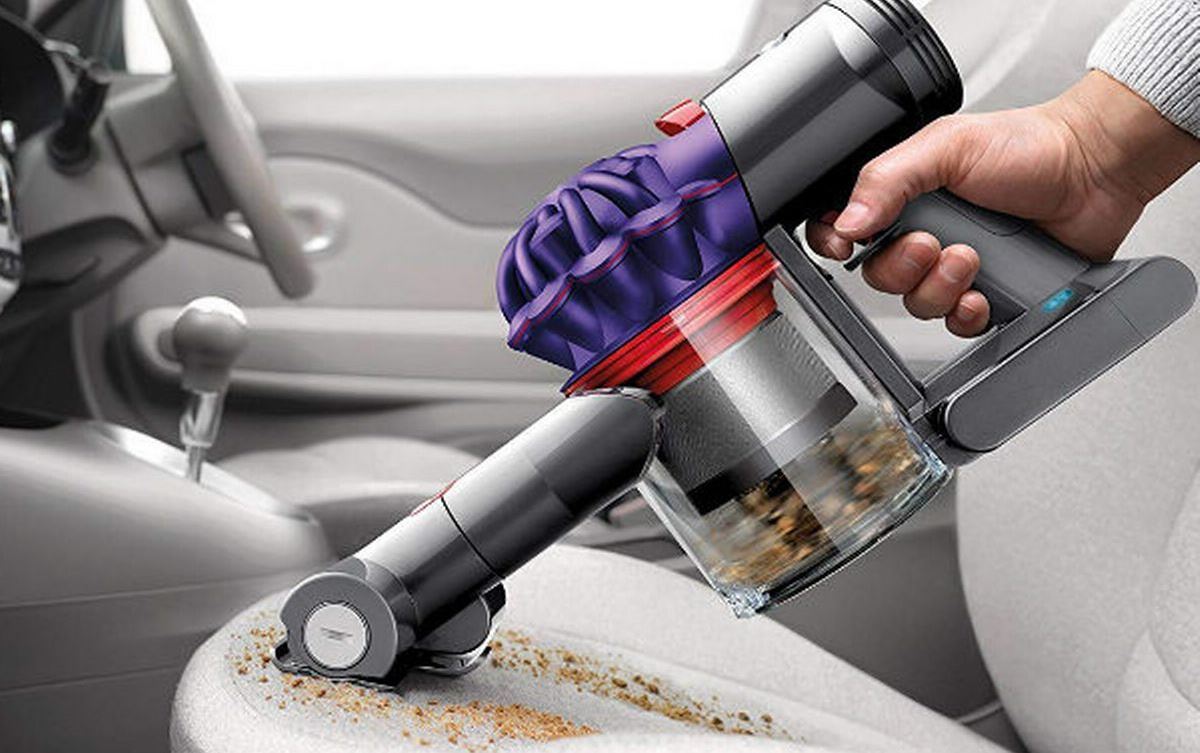
With the core vacuuming complete, it’s time to bring your car’s interior back to its organized and pristine state. This final stage involves reassembling your car’s elements and implementing strategies to keep it looking its best between more thorough cleaning sessions. Attention to these details ensures a consistently pleasant driving environment.
Floor Mat Re-installation and Item Organization
Properly re-installing your floor mats and returning items to their designated places is crucial for both aesthetics and functionality. This step not only completes the vacuuming process but also establishes an organized system that prevents clutter from accumulating quickly.Before placing the mats back, ensure they are completely dry, especially if they were removed for cleaning. This prevents mildew and unpleasant odors.
For rubber or all-weather mats, a quick wipe-down with a damp cloth after vacuuming can remove any residual dust. For carpeted mats, ensure they are thoroughly vacuumed and, if necessary, spot-treated for any lingering marks.When organizing items, consider creating zones for frequently used objects. This could involve:
- Utilizing console organizers or glove compartment dividers for smaller items like pens, charging cables, and hand sanitizer.
- Storing larger items such as emergency kits or sports equipment in the trunk or designated cargo areas.
- Keeping a small trash receptacle within reach to manage daily waste, preventing it from scattering.
Spot-Cleaning Remaining Stains
While vacuuming effectively removes loose dirt and debris, some stains may require targeted treatment. Addressing these promptly after vacuuming ensures a truly clean surface and prevents them from setting further.The approach to spot-cleaning depends on the type of stain and the material it’s on. For fabric upholstery, a dedicated automotive upholstery cleaner is recommended. Always test the cleaner on an inconspicuous area first to ensure it doesn’t damage or discolor the fabric.
Apply the cleaner sparingly to a clean cloth and blot the stain gently from the outside in. Avoid excessive rubbing, which can spread the stain or damage fibers.For leather surfaces, use a pH-neutral leather cleaner. Apply it to a microfiber cloth and wipe the stained area. Follow up with a leather conditioner to restore moisture and protect the material. For stubborn marks on hard surfaces like the dashboard or door panels, a gentle all-purpose interior cleaner can often be effective, applied to a cloth rather than directly to the surface.
Always blot, never rub, when spot-cleaning to prevent spreading or damaging the material.
Cleaning and Storing Vacuum Cleaner Attachments and Equipment
Proper care of your vacuum cleaner and its accessories ensures their longevity and continued effectiveness. Cleaning them after use prevents the buildup of dirt and debris, which can impair performance and potentially transfer to your car during future cleanings.After vacuuming your car’s interior, take a few moments to clean the attachments.
- Brush attachments can be cleaned by running a comb or brush through the bristles to remove embedded hair and fibers.
- Crevice tools and nozzle attachments can be wiped down with a damp cloth or, if heavily soiled, rinsed with water and allowed to air dry completely.
- Empty the dustbin or replace the bag of your vacuum cleaner. If the dustbin is washable, rinse it thoroughly and ensure it is completely dry before reassembling.
Store the vacuum cleaner and all its attachments in a dry, accessible location. Consider using a storage bag or a dedicated container to keep all parts together and protected from dust.
Routine for Maintaining a Clean Car Interior
Establishing a regular maintenance routine is key to prolonging the clean appearance of your car’s interior and reducing the need for frequent deep cleaning sessions. This proactive approach saves time and effort in the long run.A good maintenance schedule can be adapted to your driving habits and lifestyle. Consider the following as a guideline:
- Weekly Quick Clean: Dedicate 5-10 minutes each week to quickly tidy up. This involves removing trash, wiping down high-touch surfaces like the steering wheel and gear shifter with an interior cleaner wipe, and quickly vacuuming any visible debris on the floor.
- Monthly Deeper Vacuum: Once a month, perform a more thorough vacuuming of the main floor areas and seats. This helps prevent dirt from becoming deeply embedded.
- Seasonal Deep Cleaning: Twice a year (spring and fall, for example), schedule a comprehensive interior cleaning that includes detailed vacuuming, stain treatment, and dashboard/panel cleaning, similar to the process described in this guide.
Outcome Summary
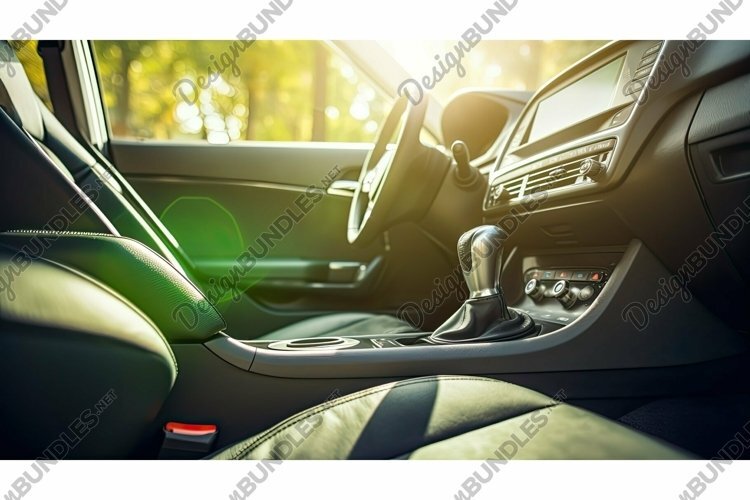
In conclusion, transforming your car’s interior from cluttered to immaculate through meticulous vacuuming is an achievable goal. By arming yourself with the right tools, understanding essential preparation steps, and mastering effective techniques for every surface, you can ensure your vehicle not only looks its best but also offers a consistently pleasant and hygienic driving environment. Regular maintenance following these guidelines will undoubtedly preserve your car’s interior for years to come.