Embarking on a journey to revitalize your car’s interior begins with understanding the power of a carpet extractor. This comprehensive guide will walk you through the essential steps of using this effective tool to achieve a deep clean for your car seats, transforming them from worn and soiled to fresh and inviting.
We will explore the fundamental principles behind how carpet extractors work, delve into the different types available for automotive interiors, and identify the key components that make them so effective. Furthermore, we will highlight the significant advantages of employing an extractor over traditional manual cleaning methods, setting the stage for a superior clean.
Understanding Carpet Extractors for Seat Cleaning
Carpet extractors are powerful tools designed to deeply clean fabric surfaces by combining water, cleaning solution, and suction. This process is particularly effective for automotive seats, which can accumulate dirt, spills, and odors over time. Unlike traditional spot cleaning or vacuuming, extractors work by injecting a cleaning solution into the fabric fibers and then immediately extracting the loosened dirt and moisture.
This ensures a thorough clean that reaches deep into the upholstery, leaving it refreshed and revitalized.The fundamental principle behind a carpet extractor is a two-step process: application and extraction. First, the machine dispenses a mixture of water and cleaning solution onto the fabric. This solution saturates the fibers, breaking down grime, stains, and embedded dirt. Second, a powerful vacuum system immediately draws the dirty water and cleaning solution back into a separate recovery tank.
This dual action not only cleans the fabric but also removes the majority of the moisture, significantly reducing drying time.
Types of Carpet Extractors for Automotive Interiors
When considering carpet extractors for cleaning car seats, several types are available, each with its own set of functionalities and ideal applications. Understanding these differences will help you select the most appropriate machine for your needs.
- Portable Spot Extractors: These are compact and lightweight units, ideal for smaller jobs and spot cleaning. They are easy to maneuver around car interiors and are excellent for tackling individual stains or localized dirt. Their smaller tanks mean more frequent refilling and emptying, but their portability is a significant advantage.
- Dual-Tank Extractors: These machines feature separate tanks for clean water/solution and dirty water. This design ensures that you are always applying clean solution and that the extracted dirty water is kept separate, preventing recontamination of the fabric. They offer a good balance of capacity and portability, making them suitable for a full interior cleaning.
- Commercial-Grade Extractors: While often larger and more powerful, some commercial-grade extractors can be adapted for automotive use. They offer higher suction power and larger capacities, which can be beneficial for very heavily soiled interiors or for professional detailers. However, their size and weight might make them less practical for occasional home use.
Essential Components of a Carpet Extractor for Effective Seat Cleaning
For a carpet extractor to perform optimally on car seats, certain components are crucial. These parts work in synergy to deliver a deep and effective clean.
- Water/Solution Tank: This tank holds the clean water and cleaning solution that will be applied to the fabric. Its capacity determines how long you can clean before needing a refill.
- Recovery/Dirty Water Tank: This tank collects the extracted dirty water and cleaning solution. A larger capacity here means less frequent emptying during a cleaning session.
- Vacuum Motor: The power of the vacuum motor is critical for effective extraction. A stronger motor will pull more water and dirt from the fabric, leading to faster drying times and a cleaner result.
- Pump: The pump is responsible for forcing the water and cleaning solution through the spray nozzle. Its pressure and flow rate affect how well the solution penetrates the fabric.
- Hoses and Wands/Attachments: Flexible hoses connect the tanks to the cleaning head. Various wands and attachments, such as upholstery tools, are specifically designed to effectively clean fabric seats and other interior surfaces. Upholstery tools typically have a narrower opening to focus suction and are designed to agitate the fabric gently while extracting.
Advantages of Using a Carpet Extractor Over Manual Cleaning Methods for Car Seats
Opting for a carpet extractor for your car seats offers significant benefits compared to traditional manual cleaning techniques. These advantages translate to a more thorough, efficient, and long-lasting clean.
- Deeper Cleaning: The pressurized spray of the cleaning solution combined with powerful suction penetrates deep into the fabric fibers, lifting embedded dirt, grime, and allergens that manual methods often miss.
- Superior Stain and Odor Removal: Extractors are highly effective at breaking down and removing stubborn stains and lingering odors by thoroughly flushing and extracting the affected areas.
- Reduced Drying Time: While a wet process, the efficient extraction of water by the machine significantly reduces the amount of moisture left in the fabric, leading to much quicker drying times compared to simply wiping or blotting.
- Consistent Results: Extractors provide a consistent application of cleaning solution and extraction, ensuring an even clean across the entire seat surface, unlike manual methods which can result in streaks or uneven saturation.
- Less Physical Effort: The machine does the heavy lifting, significantly reducing the physical exertion required compared to scrubbing and blotting by hand, making the cleaning process less tiring.
Preparing Your Car Seats for Extraction
Before you can effectively deep clean your car seats with an extractor, proper preparation is crucial. This initial stage ensures that the extraction process is more efficient and yields the best possible results by removing loose debris and addressing stubborn spots. Taking these preparatory steps will prevent dirt from being merely spread around and will allow the extractor to focus on lifting embedded grime.This section Artikels the essential steps to get your car seats ready for deep cleaning.
Following this guide will help you achieve a thorough and satisfactory clean, protecting your car’s interior in the process.
Thorough Vacuuming of Car Seats
Vacuuming is the foundational step in preparing your car seats for extraction. It removes loose dirt, dust, crumbs, and other particulate matter that could otherwise be agitated and spread by the extractor’s water and solution. A detailed vacuuming process ensures that the subsequent extraction targets only the embedded stains and grime.Here is a step-by-step procedure for thoroughly vacuuming your car seats:
- Remove Loose Items: Begin by removing all personal items, floor mats, and any loose debris from the seats and the surrounding floor area. This clears your workspace and ensures nothing is missed.
- Initial Pass with Upholstery Tool: Use the crevice tool attachment on your vacuum cleaner to reach into the seams, between seat cushions, and around seat belt anchors. This tool is designed to capture debris from tight spaces.
- General Surface Vacuuming: Switch to a wider upholstery brush attachment for the main surfaces of the seats. Work in overlapping strokes, moving the vacuum in different directions (e.g., horizontally, vertically, and diagonally) to lift as much surface dirt as possible.
- Focus on High-Traffic Areas: Pay extra attention to areas that experience the most wear and tear, such as the driver’s seat base, seat bolsters, and the area where passengers often place their feet.
- Headrests and Backrests: Do not forget to vacuum the headrests and the entire backrest of the seats, including any pockets or storage compartments.
- Final Crevice Tool Pass: Conduct a final pass with the crevice tool to ensure no loose particles remain in the seams or edges, preparing the fabric for moisture.
Identifying and Pre-treating Common Car Seat Stains
Many car seats accumulate a variety of stains over time, ranging from food and drink spills to grease and ink marks. Pre-treating these specific stains before using the carpet extractor can significantly improve the cleaning outcome. Different types of stains require different approaches and cleaning agents to break them down effectively without damaging the fabric.Understanding the nature of the stain is key to selecting the appropriate pre-treatment method.
Here’s a guide to identifying and pre-treating common car seat stains:
- Coffee and Beverage Stains: These are typically water-based and can often be treated with a mild upholstery cleaner or a solution of white vinegar and water (1:1 ratio). Blot the stain gently with a clean cloth after applying the solution.
- Grease and Oil Stains: For greasy marks, an absorbent powder like baking soda or cornstarch can be effective. Sprinkle it generously over the stain, let it sit for at least 30 minutes to absorb the grease, then vacuum it up. Follow with a degreasing upholstery cleaner if necessary.
- Ink Stains: Ink can be challenging. For ballpoint pen ink, rubbing alcohol applied to a cotton swab and then blotted onto the stain can work. For marker ink, a dedicated ink remover for upholstery might be required. Always test in an inconspicuous area first.
- Food Stains (e.g., chocolate, ketchup): For dried food, gently scrape off any excess. Then, use a mild detergent mixed with water and a soft brush to work the solution into the stain. Blot with a clean cloth.
- Mud Stains: Allow mud to dry completely before attempting to clean. Once dry, vacuum up as much as possible. Then, use an upholstery cleaner and a brush to lift any remaining discoloration.
When pre-treating, always work from the outside of the stain inward to prevent spreading. Use a clean, white cloth to blot, not rub, as rubbing can push the stain deeper into the fabric fibers.
Selecting the Correct Cleaning Solution for Different Fabric Types
Car seats are made from a variety of materials, and the cleaning solution you use should be compatible with the specific fabric type to avoid damage, discoloration, or residue. Using the wrong cleaner can lead to permanent damage, so it’s essential to know your seat’s material.Consider the following when selecting a cleaning solution:
- Natural Fibers (e.g., Wool, Cotton Blends): For natural fibers, opt for pH-neutral or mild, enzyme-based cleaners specifically designed for upholstery. Harsh chemicals or high pH solutions can degrade or weaken these fibers. Avoid excessive moisture, as natural fibers can take longer to dry and are more susceptible to mildew if left damp.
- Synthetic Fibers (e.g., Polyester, Nylon, Microfiber): Most synthetic upholstery fabrics are durable and can withstand a wider range of cleaning solutions. However, it’s still best to use cleaners formulated for automotive upholstery. Look for solutions that are low-foaming to minimize residue, as synthetic fibers can hold onto foam. Always check the manufacturer’s recommendations for your vehicle’s interior.
- Leather and Vinyl Seats: While this guide focuses on fabric seats, it’s worth noting that leather and vinyl require specialized cleaners and conditioners. Using fabric extractors and solutions on these materials is not recommended and can cause irreparable damage.
When in doubt, always consult your car’s owner’s manual for recommended cleaning methods and products for your specific seat upholstery. Many carpet extractor manufacturers also offer their own line of cleaning solutions designed to work optimally with their machines.
Best Practices for Protecting Surrounding Car Interior Elements
The process of extracting moisture and cleaning solutions from car seats can inadvertently expose other parts of your car’s interior to moisture and chemicals. Protecting these sensitive elements is crucial to prevent damage, such as discoloration, warping, or electrical issues.Here are some best practices to safeguard your car’s interior:
- Masking Sensitive Areas: Use painter’s tape or plastic sheeting to cover and protect areas like the dashboard, door panels, center console, and any exposed electronic components. Pay close attention to areas around speakers, control buttons, and infotainment screens.
- Protecting Leather and Trim: If your car has leather seats or trim adjacent to fabric seats, ensure they are adequately protected. Moisture can seep into leather, causing damage, and cleaning solutions can discolor or degrade plastic and vinyl trim.
- Managing Water Runoff: During extraction, some water may drip or splash. Place absorbent towels or a shallow tray around the base of the seats and along the edges of the interior to catch any drips and prevent them from pooling on the floor or seeping into unwanted areas.
- Ventilation: Ensure good ventilation in the car while you are working. Open doors or windows slightly (if weather permits) to allow moisture to escape, reducing the risk of humidity buildup that can affect electronics and cause mildew.
- Careful Machine Operation: When operating the carpet extractor, be mindful of its position and the direction of the spray and extraction. Avoid spraying cleaning solution directly onto surrounding surfaces. Keep the extraction wand focused on the seat fabric.
By taking these protective measures, you ensure that your deep cleaning efforts are focused on the seats themselves, while the rest of your car’s interior remains pristine and undamaged.
Operating the Carpet Extractor on Seats

Now that your car seats are prepared and you have a clear understanding of your carpet extractor, it’s time to put it to work. This section will guide you through the practical steps of using the machine to achieve a deep clean for your vehicle’s upholstery. Following these instructions carefully will ensure effective dirt removal and a refreshed interior.Carpet extractors, also known as hot water extractors, work by spraying a heated cleaning solution into the fabric and then immediately extracting the dissolved dirt and moisture.
This dual-action process is highly effective for tackling stubborn stains and deeply embedded grime in car seats, which often experience more concentrated soiling than floor carpets.
Filling the Solution Tank
Properly preparing the cleaning solution is crucial for optimal performance and to protect your car’s upholstery. Always refer to your carpet extractor’s manual for specific recommendations on the type and ratio of cleaning agent to water.
- Water Source: Use clean, lukewarm water. Hot water can be more effective at breaking down grease and grime, but avoid excessively hot water, which could damage certain fabric types or set stains.
- Cleaning Agent Selection: Choose a cleaning solution specifically designed for upholstery or carpet extractors. Automotive upholstery cleaners are often formulated to be safe for car fabrics and to prevent excessive foaming.
- Dilution Ratio: Adhere strictly to the manufacturer’s recommended dilution ratio for the cleaning agent. Too much detergent can leave a sticky residue that attracts dirt, while too little may not provide sufficient cleaning power.
- Mixing: Pour the recommended amount of cleaning agent into the solution tank first, followed by the water. This helps ensure thorough mixing and prevents splashing.
- Tank Capacity: Be mindful of the solution tank’s capacity. Overfilling can lead to leaks or damage to the machine.
Applying the Cleaning Solution
The application of the cleaning solution sets the stage for effective extraction. The goal is to evenly moisten the fabric without oversaturating it, which can lead to prolonged drying times and potential mold or mildew issues.
Begin by attaching the appropriate upholstery tool or wand to the extractor hose. Hold the tool a few inches above the seat fabric. Apply the cleaning solution in a consistent, overlapping pattern, moving slowly and deliberately. Avoid holding the spray nozzle in one spot for too long. The fabric should appear damp, but not soaked.
A good indicator is when the fabric darkens slightly from the moisture.
Operating the Extraction Wand
This is the core step where dirt and moisture are lifted from the seat fibers. Proper technique ensures maximum dirt removal and minimizes the amount of moisture left behind.
After applying the cleaning solution to a section, immediately follow with the extraction wand. Position the wand flush against the fabric. Move the wand in slow, overlapping strokes, pulling it towards you. This vacuum action draws the cleaning solution, along with the loosened dirt and grime, into the extractor’s recovery tank. You will likely see the dirty water being siphoned up.
Continue to work the area until no more dirty water is being extracted, indicating that the section is clean and as dry as possible.
Working in Sections
To ensure a thorough and efficient cleaning process, it is essential to divide the seats into manageable sections. This prevents overwetting and allows for focused attention on each area.
- Define Sections: Mentally divide each seat into logical sections, such as the seat base, seat back, headrest, and armrests.
- Sequential Cleaning: Clean and extract one section completely before moving to the next. This methodical approach guarantees that no area is missed and that each part is adequately cleaned and dried.
- Overlapping Strokes: When moving from one section to the next, ensure your extraction strokes overlap slightly. This creates a seamless transition and prevents streaks or uneven drying.
- Monitor Saturation: Pay close attention to how damp the fabric becomes. If a section starts to feel excessively wet, reduce the amount of solution applied or increase the extraction passes to remove more moisture.
Rinsing with Clean Water
A crucial, often overlooked step is rinsing the seats with clean water. This removes any residual cleaning solution that could attract dirt or cause fabric discoloration over time.
Once you have completed the cleaning and extraction process for all sections, it is time to rinse. Empty and thoroughly rinse the solution tank. Refill the tank with clean, plain water. Go over each section of the seat again using the extraction wand, but this time without spraying any cleaning solution. This “rinse pass” will effectively lift out any remaining detergent residue.
Make multiple extraction passes over each area to remove as much water as possible, further aiding in the drying process.
Drying and Finishing Your Cleaned Seats
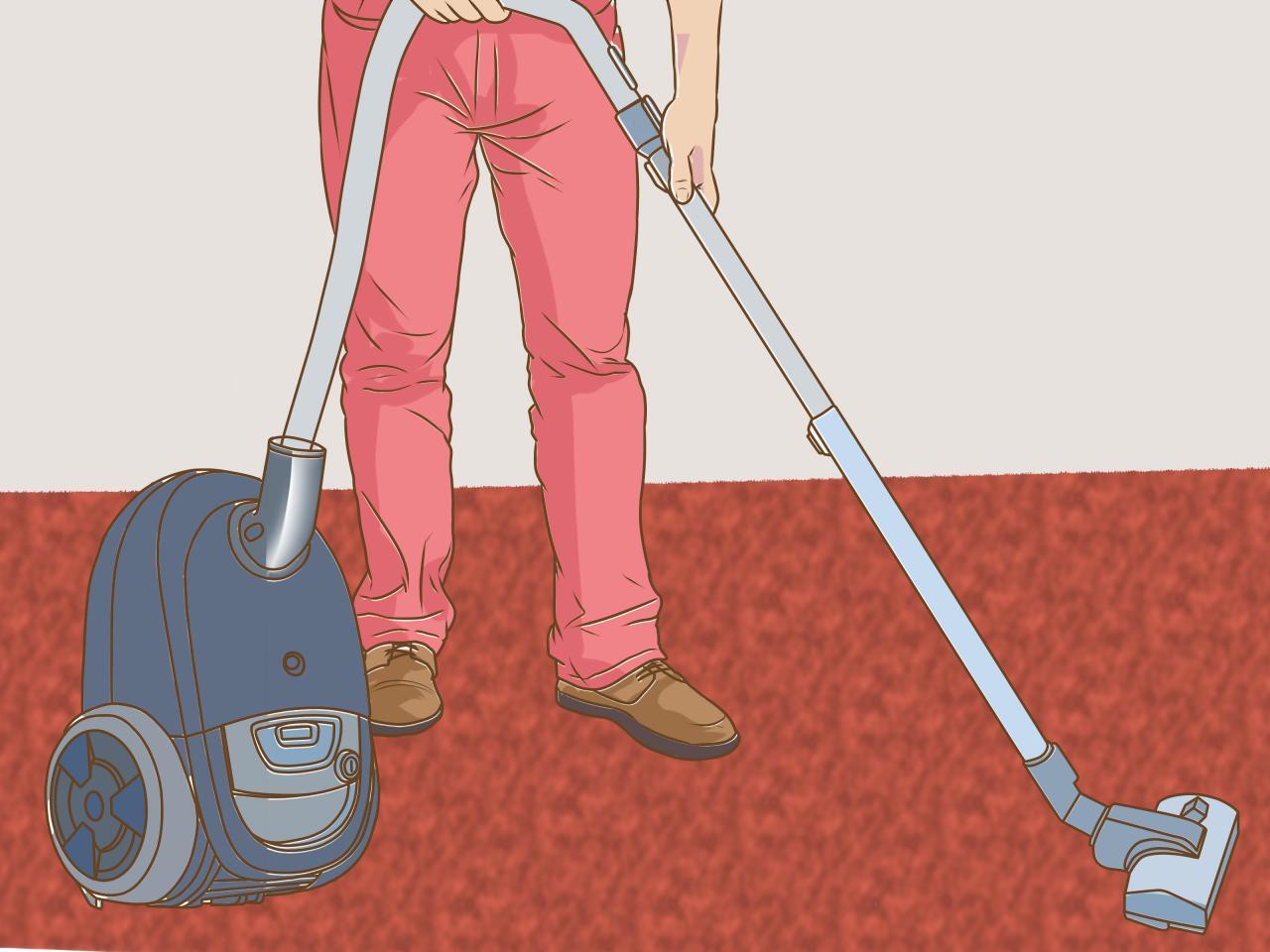
Once you have completed the extraction process, the next crucial steps involve thoroughly drying your car seats and applying any finishing touches to ensure their longevity and appearance. Proper drying is paramount to preventing common issues that can arise from moisture, while finishing treatments can significantly enhance the overall result of your deep cleaning efforts.
Accelerating Seat Drying
To effectively speed up the drying of your car seats after extraction, it is beneficial to employ several methods that promote air circulation and moisture removal. This not only makes your car usable sooner but also helps prevent the development of unpleasant odors and potential damage.Here are recommended methods for accelerating the drying process:
- Ventilation: Open all car doors and windows to allow for maximum airflow. If weather permits, parking in a sunny, breezy spot can be particularly effective.
- Air Movers/Fans: Place portable fans or air movers strategically around the car, directing airflow onto the seats. This creates a continuous movement of air, encouraging evaporation.
- Dehumidifiers: If available, a dehumidifier placed inside the car can actively remove moisture from the air, significantly speeding up the drying process, especially in humid environments.
- Towel Blotting: While the extractor removes most water, a final thorough blotting with clean, dry microfiber towels can absorb residual moisture, particularly in fabric seams and crevices.
Ensuring Complete Dryness
It is vital to ensure that your car seats are completely dry after deep cleaning. Residual moisture can create a breeding ground for mold and mildew, leading to persistent musty odors, discoloration, and potential health concerns. The dark, enclosed environment of a car interior is particularly susceptible to these issues if not properly dried.
Thorough drying is the most effective preventative measure against mold and mildew growth in car upholstery.
Inspecting and Addressing Remaining Issues
After the initial drying phase, a careful inspection of the seats is necessary to identify any missed spots or lingering residue from the cleaning solution. Gently feel the fabric for any damp areas and visually scan for any uneven cleaning or soap residue. If you find any missed spots, you can re-treat those specific areas with a small amount of cleaning solution and extract again, ensuring you don’t oversaturate the fabric.
For any remaining residue, a damp cloth with plain water can be used to gently wipe the area, followed by re-extraction or blotting.
Applying Fabric Protectants or Conditioners
Once your car seats are completely dry, applying a fabric protectant or conditioner can significantly enhance their longevity and appearance. These products create a barrier that repels stains and spills, making future cleaning easier and protecting the fabric from UV damage and wear. For fabric seats, a fabric protector spray is ideal, while leather seats would benefit from a dedicated leather conditioner to keep them supple and prevent cracking.
Always follow the product manufacturer’s instructions for application and allow adequate time for the product to cure before using the car.
Maintenance and Care of Your Carpet Extractor
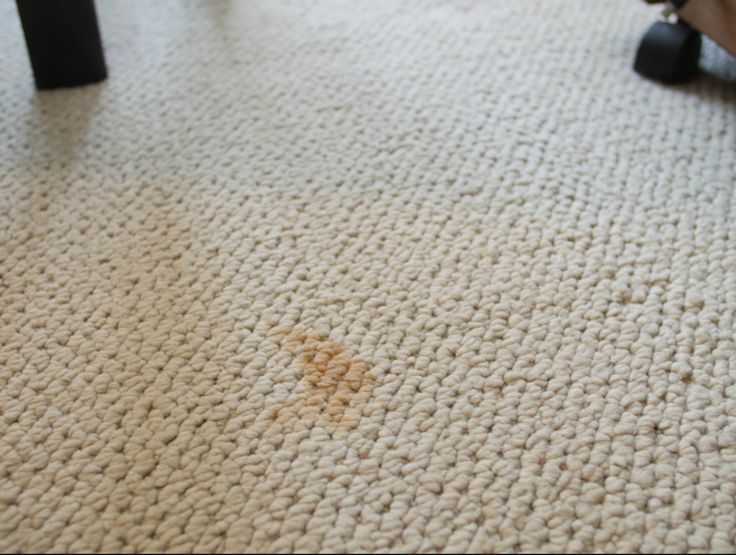
Proper maintenance of your carpet extractor is crucial for its longevity and continued effective performance. Following a routine care regimen after each use and performing regular inspections will prevent minor issues from escalating and ensure your equipment is always ready for your next deep cleaning session.
Post-Use Cleaning and Maintenance
After every cleaning session, thoroughly cleaning your carpet extractor is essential to remove residual cleaning solution, dirt, and debris. This prevents clogs, corrosion, and the buildup of odors, ensuring optimal performance for future use.A detailed procedure for cleaning your extractor includes:
- Emptying and rinsing the clean water tank completely.
- Emptying and thoroughly rinsing the dirty water recovery tank to remove all collected grime and moisture.
- Flushing the machine by running clean water through the extraction system for several minutes. This helps to clear any remaining cleaning solution or debris from the hoses and internal components.
- Wiping down the exterior of the machine with a damp cloth to remove any spills or dust.
- Removing and cleaning any detachable parts, such as nozzles or brush heads, according to the manufacturer’s instructions.
Regular Inspection Checklist
Regularly inspecting key components of your carpet extractor will help you identify potential problems before they impact performance. This proactive approach can save you time and money on repairs.Here is a checklist for regular inspections:
- Hoses: Inspect for any cracks, kinks, or signs of wear and tear. Ensure connections are secure and free from leaks.
- Filters: Check and clean or replace air and water filters as recommended by the manufacturer. Clogged filters can reduce suction power and strain the motor.
- Brushes: Examine the brush roll for tangled hair, threads, or excessive bristle wear. Clean or replace worn brushes to maintain effective agitation.
- Water Tanks: Ensure tanks are free from any debris or mineral buildup.
- Power Cord and Plug: Inspect for any damage to the cord or plug.
Proper Storage Procedures
Storing your carpet extractor correctly can significantly extend its lifespan and prevent damage. Proper storage ensures that the machine remains in good condition between uses.Follow these procedures for optimal storage:
- Ensure the machine is completely dry before storing. This is especially important for the tanks and internal components to prevent mold and mildew growth.
- Store the extractor in a clean, dry, and temperature-controlled environment. Avoid damp basements or garages prone to extreme temperature fluctuations.
- If possible, store the extractor upright to prevent any residual water from leaking or causing damage.
- Keep the power cord neatly wrapped and secured to prevent damage.
- Store any accessories or attachments with the main unit to keep everything organized and easily accessible.
Troubleshooting Common Issues
Even with regular maintenance, minor issues can sometimes arise during the operation of a carpet extractor. Knowing how to address these common problems can help you quickly resolve them and continue your cleaning task.Here are some common troubleshooting tips:
- Reduced Suction Power: This is often caused by clogged filters, a full recovery tank, or a blockage in the hose or nozzle. Check and clean filters, empty the recovery tank, and inspect hoses and nozzles for obstructions.
- Water Leaking: Leaks can occur from loose connections, damaged tanks, or worn seals. Ensure all connections are tightened, inspect tanks for cracks, and check seals for wear.
- Machine Not Turning On: Verify that the power cord is securely plugged into a working outlet and that the circuit breaker has not tripped. Check the machine’s on/off switch for any visible damage.
- Unpleasant Odors: This typically indicates that the machine or its tanks have not been properly cleaned and dried after the last use. Thoroughly clean and dry all components, especially the recovery tank.
Conclusive Thoughts
By mastering the techniques for preparing your seats, operating the extractor, and ensuring proper drying and maintenance, you can confidently achieve professional-level results. This process not only enhances the appearance and comfort of your car’s interior but also contributes to its longevity and value. Enjoy the satisfaction of a truly deep-cleaned car, revitalized and ready for your next journey.