Welcome to an in-depth exploration of how to use a clay mitt as a superior alternative to traditional clay bars for automotive surface decontamination. This guide will demystify the process, highlighting the advantages and techniques that make clay mitts a favorite among detailing enthusiasts and professionals alike.
We will delve into the mechanics of clay mitts, understand their construction, and explore the various types available, alongside the essential lubrication required for a flawless finish. Prepare to discover a more efficient and user-friendly method for achieving a glass-smooth paint surface, effectively removing embedded contaminants that mar your vehicle’s appearance.
Introduction to Clay Mitts as a Detailing Tool
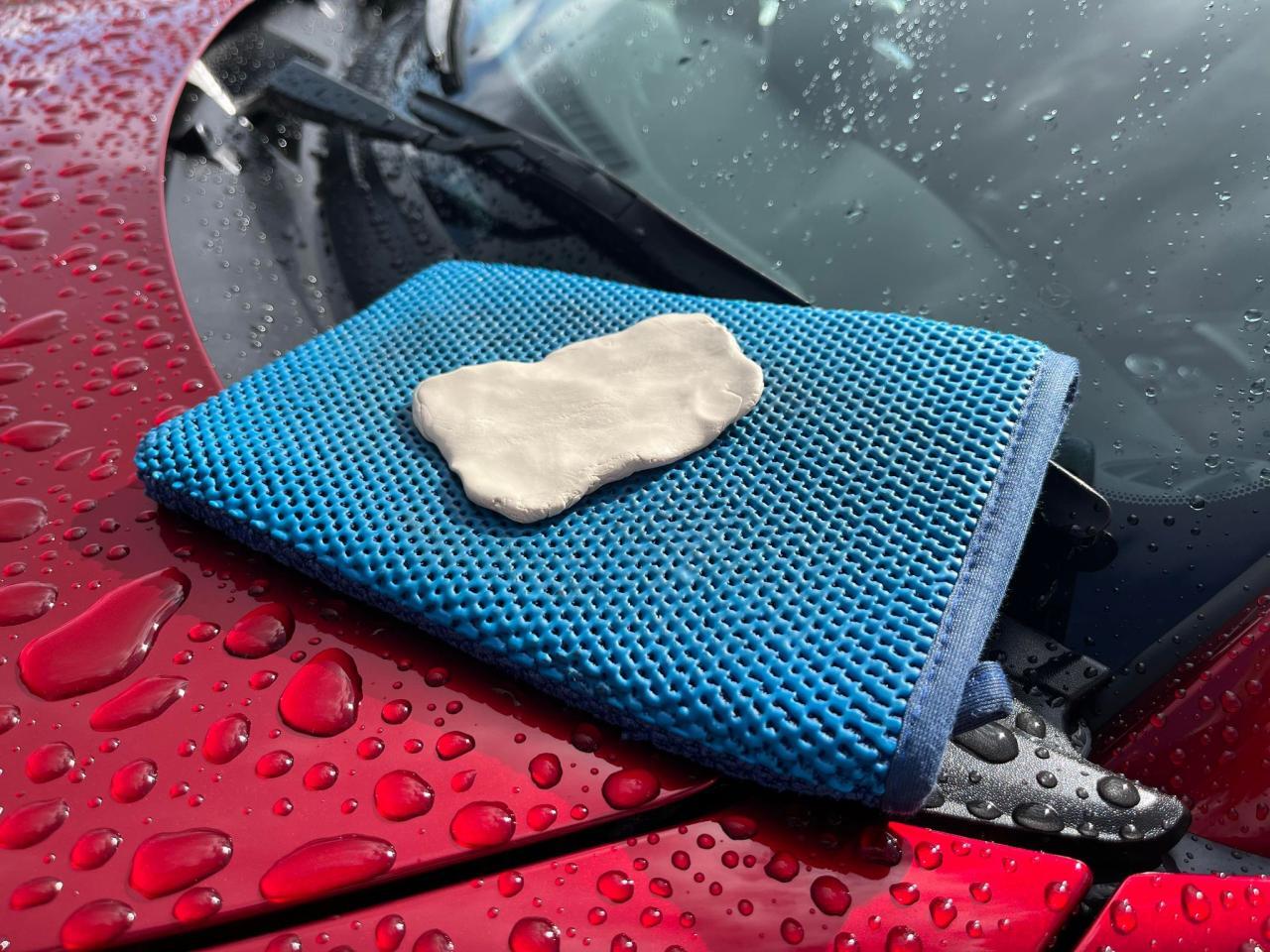
In the realm of automotive detailing, achieving a perfectly smooth and clean paint surface is paramount. While traditional clay bars have long been the go-to solution for this, a more modern and user-friendly alternative has emerged: the clay mitt. This innovative tool offers a streamlined approach to paint decontamination, making the process more accessible and efficient for both seasoned professionals and DIY enthusiasts.The primary purpose of using a clay mitt in automotive detailing is to effectively remove embedded contaminants from the vehicle’s paintwork.
These contaminants, often invisible to the naked eye, can create a rough texture and dull the paint’s shine. By gently gliding the clay mitt over the surface, these particles are lifted and trapped within the mitt’s specialized material, leaving the paint feeling remarkably smooth and ready for subsequent detailing steps like polishing and waxing.
Advantages of a Clay Mitt Over Traditional Clay Bars
The evolution of detailing tools has brought forth significant improvements in efficiency and ease of use. Clay mitts offer several distinct advantages when compared to their traditional clay bar counterparts, enhancing the overall detailing experience.
- Ergonomics and Ease of Grip: A clay mitt is designed to be worn on the hand, providing a natural and secure grip. This significantly reduces hand fatigue, especially during extended detailing sessions, and allows for better control over the mitt’s movement across the vehicle’s surfaces.
- Larger Surface Area and Faster Decontamination: The mitt’s design typically covers a larger surface area than a clay bar, allowing you to decontaminate larger sections of the vehicle more quickly. This translates to a considerable reduction in overall detailing time.
- Reduced Risk of Dropping: Unlike a clay bar, which can easily be dropped and rendered unusable if it picks up grit from the ground, a clay mitt remains securely on your hand, minimizing the risk of accidental contamination and waste.
- Consistent Pressure Application: The flexibility of a mitt allows for more consistent pressure application across curved and irregular surfaces, ensuring a uniform decontamination process without the need for constant reshaping or manipulation required with a clay bar.
- Durability and Reusability: High-quality clay mitts are generally more durable than clay bars and can be cleaned and reused multiple times, offering better long-term value.
Types of Contaminants a Clay Mitt Effectively Removes
Vehicle paint is constantly exposed to a barrage of environmental and industrial fallout. A clay mitt is an excellent tool for addressing these common paint imperfections, restoring a smooth and clean finish.The contaminants that a clay mitt effectively removes are primarily bonded to the paint surface and cannot be washed off with soap and water. These include:
- Industrial Fallout: Tiny metallic particles that can settle on paintwork from sources like factories, trains, and aircraft. These often appear as small, rust-colored specks.
- Brake Dust: Fine particles of metal and carbon that are shed from brake pads. This is particularly prevalent on wheel surfaces but can also adhere to body panels.
- Rail Dust: Similar to industrial fallout, this refers to iron particles from train wheels and tracks.
- Tree Sap and Tar: Sticky residues from trees and road tar can be difficult to remove with conventional washing methods.
- Bug Splatter: The dried and hardened remains of insects can etch into the paint surface if left untreated.
- Overspray: Unwanted paint particles from nearby painting projects that settle on the vehicle.
Initial Steps for Preparing a Vehicle’s Surface Before Using a Clay Mitt
Proper preparation is crucial for the effective and safe use of a clay mitt. Skipping these steps can lead to scratching the paint or rendering the mitt less effective.Before you begin the clay mitt process, ensure the following preparatory steps are completed to achieve optimal results:
- Thorough Wash and Rinse: Begin by washing the entire vehicle using a pH-neutral car wash soap and plenty of clean water. This removes loose dirt, dust, and debris that could otherwise be dragged across the paint by the clay mitt, causing scratches. Rinse the vehicle thoroughly and allow it to dry partially, or proceed with the clay mitt while the surface is still wet.
- Inspect the Paint: Visually inspect the paintwork under good lighting conditions. Feel the surface with your hand; if it feels rough or gritty, it indicates the presence of bonded contaminants that the clay mitt will address.
- Prepare Your Lubricant: A clay lubricant is absolutely essential when using a clay mitt. This creates a slippery barrier between the mitt and the paint, allowing the mitt to glide smoothly and preventing it from sticking or causing damage. A dedicated clay lubricant spray is recommended, or a mixture of car wash soap and water can be used as a substitute. Ensure you have an ample supply of lubricant readily accessible.
Understanding Clay Mitt Mechanics and Materials

A clay mitt, as a modern alternative to traditional clay bars, operates on a similar principle of gently lifting contaminants from your vehicle’s paintwork. However, its construction and material composition offer distinct advantages and require a specific understanding to maximize its effectiveness and ensure paint safety. This section delves into the inner workings of a clay mitt, exploring its design, the materials used, and how these elements contribute to its performance.The fundamental mechanism of a clay mitt involves an abrasive surface designed to encapsulate and lift bonded contaminants like industrial fallout, rail dust, tar, and tree sap without scratching the clear coat when used correctly.
This process is achieved through the friction generated between the mitt’s specialized surface and the lubricated paint.
Typical Construction of a Clay Mitt
The core of a clay mitt’s functionality lies in its abrasive surface. This surface is typically a polymer-based material engineered with microscopic, flexible, and resilient nodules or a fine, uniform matrix. These elements are designed to grab onto contaminants, effectively pulling them away from the paint. The mitt itself is usually made of microfiber, providing a comfortable grip and a soft backing to protect your hand and spread the pressure evenly.
Types of Clay Mitts and Their Applications
Clay mitts come in various formulations, each tailored to different levels of contamination and paint conditions. Understanding these variations allows detailers to select the most appropriate tool for the job.
- Fine Grade Clay Mitts: These are the most common and versatile. They feature a milder abrasive surface suitable for light to moderate contamination, such as road film, light industrial fallout, and water spots. They are excellent for regular maintenance detailing and for vehicles that are washed and waxed frequently.
- Medium Grade Clay Mitts: With a more aggressive abrasive surface, these mitts are designed for moderate to heavy contamination. They can effectively remove stubborn tar, heavy rail dust, and baked-on grime that fine-grade mitts might struggle with. They are often used for a more thorough decontamination process before polishing.
- Heavy Duty/Aggressive Clay Mitts: These are the most potent and are reserved for severely neglected paintwork with deeply embedded contaminants. Their aggressive surface can tackle heavily oxidized paint, significant overspray, and very stubborn industrial fallout. However, due to their aggressiveness, they require more careful lubrication and are often followed by a polishing step to refine the paint surface.
Effectiveness of Various Clay Mitt Formulations
The effectiveness of a clay mitt formulation is directly related to its surface aggressiveness and the size and density of its abrasive elements.
| Formulation | Abrasiveness | Typical Contaminants Removed | Paint Condition Suitability | Risk of Marring |
|---|---|---|---|---|
| Fine Grade | Mild | Road film, light dust, minor sap | Light to moderate contamination, daily drivers | Low |
| Medium Grade | Moderate | Tar, rail dust, moderate industrial fallout | Moderate to heavy contamination, pre-polishing | Moderate |
| Heavy Duty | High | Overspray, baked-on grime, severe fallout | Severely neglected paint, heavy contamination | High (requires careful use and follow-up polishing) |
Lubrication for Safe and Effective Clay Mitt Use
Lubrication is paramount for the safe and effective use of any clay mitt. Without adequate lubrication, the clay mitt can drag across the paint surface, causing marring and scratches. The lubricant creates a slippery barrier between the mitt and the paint, allowing the abrasive surface to glide smoothly and encapsulate contaminants without causing damage.
“Adequate lubrication is the cornerstone of safe clay mitt application. It ensures the mitt glides effortlessly, lifting contaminants without imparting scratches.”
The primary purpose of the lubricant is to:
- Reduce friction between the clay mitt and the paint surface.
- Carry away the loosened contaminants from the surface.
- Provide a slick surface for the mitt to move across.
Common lubricants include dedicated clay lubricants, quick detailer sprays, or even a solution of car wash soap and water. The choice of lubricant often depends on the aggressiveness of the clay mitt and the level of contamination. For more aggressive mitts or heavier contamination, a more robust lubricant is recommended. It is crucial to keep the surface and the mitt consistently wet with the lubricant throughout the process, reapplying as needed.
Step-by-Step Procedure for Using a Clay Mitt
Transitioning from traditional clay bars to a clay mitt offers a more ergonomic and often faster approach to paint decontamination. The process, while similar in its goal of removing bonded contaminants, requires specific techniques to ensure the safety and effectiveness of your vehicle’s finish. Following these steps meticulously will help you achieve a smooth, clean surface without introducing new imperfections.The key to a successful clay mitt application lies in preparation, consistent technique, and thorough rinsing.
Each section of the vehicle should be treated with care, and maintaining lubrication is paramount throughout the entire process.
Preparing the Vehicle and Clay Mitt
Before applying the clay mitt, it is crucial to prepare both the vehicle’s surface and the mitt itself. This initial step sets the foundation for a mar-free decontamination process.
Vehicle Preparation:
- Thoroughly wash and rinse the vehicle to remove loose dirt, dust, and debris. This prevents larger particles from being ground into the paint by the clay mitt.
- Ensure the surface is completely dry before proceeding with the clay mitt application.
Clay Mitt Preparation:
- Inspect the clay mitt for any embedded debris or damage. A damaged mitt can cause marring.
- Ensure the clay surface of the mitt is clean and free from any contaminants picked up from previous uses or storage.
Applying Lubricant and Working the Surface
Lubrication is the most critical element when using a clay mitt. Without adequate lubrication, the mitt can drag and cause scratches or swirls in the paint.
The importance of a dedicated clay lubricant cannot be overstated. This specialized product is designed to encapsulate contaminants and provide a slick surface for the clay mitt to glide over. Using a regular car wash soap solution is generally not sufficient and can lead to increased risk of marring.
Lubrication and Claying Technique:
- Generously spray a dedicated clay lubricant onto a small section of the vehicle’s paint, approximately 2×2 feet.
- Gently place the clay mitt onto the lubricated surface.
- Move the clay mitt back and forth or in a gentle, overlapping motion across the lubricated section. Apply light, even pressure. Avoid scrubbing or pressing too hard.
- As you work, you may feel the mitt start to “grab” or encounter resistance. This indicates that contaminants are being lifted. Continue to glide the mitt over the area until the resistance lessens significantly.
- Periodically inspect the surface of the clay mitt for accumulated grime.
Rinsing and Inspecting Between Sections
To maintain the integrity of the paint and the effectiveness of the clay mitt, it is essential to rinse and inspect the vehicle between working on different sections. This prevents contaminants from being spread to clean areas and allows for immediate assessment of progress.
This interim step is vital for preventing the transfer of loosened contaminants back onto the paintwork. A clean mitt and a clean surface are paramount for a flawless result.
Process for Rinsing and Inspecting:
- After completing a section, thoroughly rinse the area with water to wash away the loosened contaminants and excess lubricant.
- Rinse the clay mitt itself under a strong stream of water to remove any embedded particles. If the mitt appears heavily soiled, consider using a separate bucket of clean water for rinsing.
- Gently wipe the rinsed section of the paint with a clean, plush microfiber drying towel to remove residual water.
- Visually inspect the area for any missed spots or signs of marring. Run your hand over the surface (as described below) to feel for smoothness.
- Proceed to the next section, repeating the lubrication and claying process.
Post-Application Inspection and Surface Feel
Once the entire vehicle has been clayed, a final inspection is necessary to confirm that all contaminants have been removed and to appreciate the results. The tactile sensation of a properly decontaminated surface is a key indicator of success.
The goal of using a clay mitt is to achieve a surface that is not only visually clean but also feels remarkably smooth to the touch. This smoothness is the absence of bonded contaminants that create a rough texture.
Visual and Tactile Inspection:
- After the final rinse and drying of the vehicle, carefully examine the paintwork under good lighting conditions. Look for any remaining dullness, water spots, or faint imperfections that may have been present before claying.
- To feel the difference, gently glide your fingertips (ensure your hands are clean and dry) across the painted surface.
The Feel of a Properly Decontaminated Surface:
A properly decontaminated surface will feel exceptionally slick and smooth, almost like glass. You should not feel any “gritty” or “bumpy” texture when running your hand over it. It will feel as if the contaminants have been entirely lifted away, leaving behind a pristine canvas.
Essential Lubrication for Clay Mitt Application
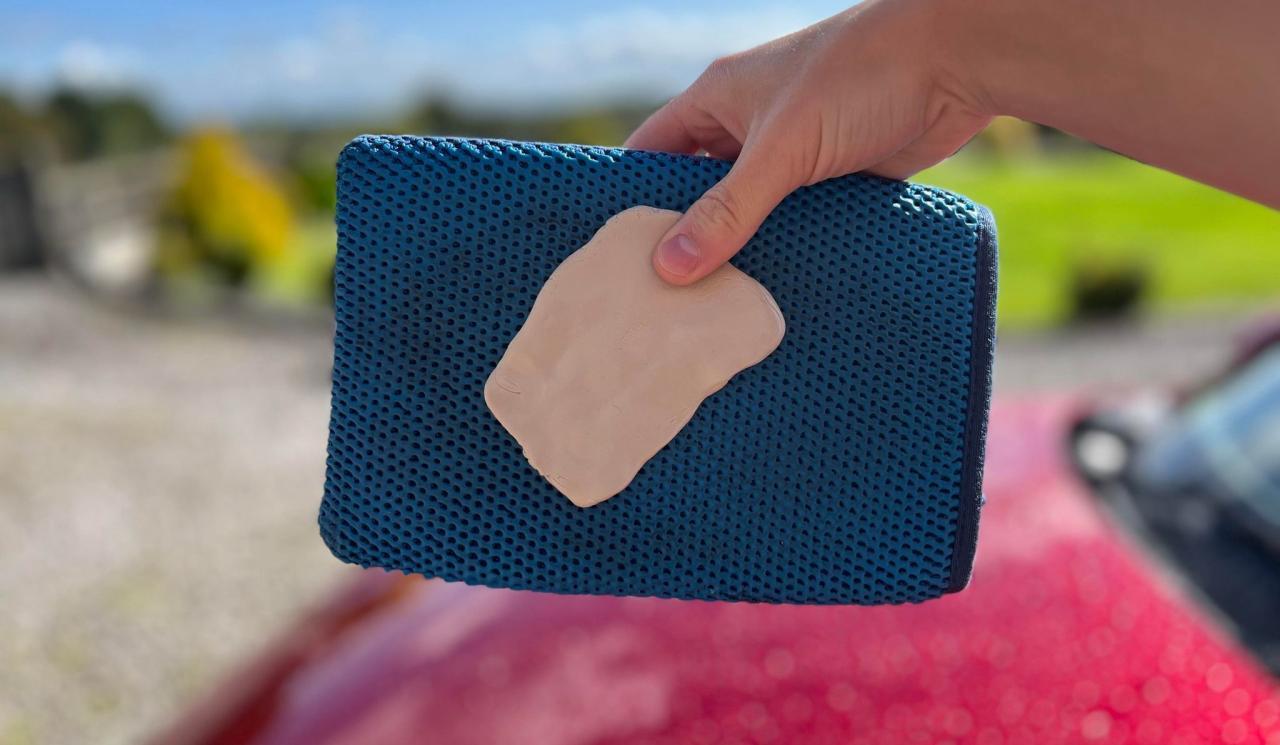
The effectiveness and safety of using a clay mitt hinge significantly on proper lubrication. Without an adequate lubricating agent, the clay mitt can drag across the paint surface, potentially causing marring or scratching. This section will guide you through the crucial aspects of lubrication for optimal clay mitt performance.Lubrication creates a slick barrier between the clay mitt and the vehicle’s paintwork.
This barrier allows the mitt to glide smoothly, encapsulating and lifting contaminants without damaging the clear coat. The choice of lubricant and its application are paramount to achieving a swirl-free finish.
Dedicated Clay Lubricant or Detailing Spray
Using a product specifically designed as a clay lubricant is highly recommended. These products are formulated to provide the necessary slip and cleaning properties to work in conjunction with the clay mitt. They often contain mild cleaning agents that help break down and lift embedded contaminants, making the claying process more efficient.Detailing sprays, while sometimes used, may not offer the same level of slickness or cleaning power as dedicated clay lubricants.
It’s important to ensure any detailing spray used is “clay-safe” to avoid adverse reactions with the mitt’s material.
Suitable Lubricating Agents
Several types of lubricating agents are suitable for use with clay mitts, each offering slightly different benefits.
- Dedicated Clay Lubricants: These are the gold standard. They are specifically engineered to offer maximum lubricity and help suspend contaminants, preventing them from being dragged across the paint.
- Quick Detailer Sprays: Many high-quality quick detailer sprays can double as clay lubricants, especially those with a good amount of “slip.” Always check the product label to confirm it’s safe for use with clay products.
- Soapy Water Solution: A dilute solution of a pH-neutral car wash soap and water can be used in a pinch. However, it generally does not provide the same level of slickness or contaminant suspension as dedicated products and may require more frequent reapplication.
Correct Amount of Lubricant
Applying the correct amount of lubricant is a balance between ensuring adequate slip and avoiding excessive product use. Too little lubricant will lead to friction and potential damage, while too much can make the mitt feel slippery and less effective at grabbing contaminants.A good rule of thumb is to generously spray the lubricant onto the surface you are about to clay and onto the clay mitt itself.
The surface should appear wet and slick, but not so saturated that the mitt is constantly sliding uncontrollably.
“The surface should feel visibly wet and glide effortlessly under the clay mitt. If you feel any drag, it’s an indication that more lubricant is needed.”
Frequency of Lubricant Reapplication
The frequency of lubricant reapplication is directly tied to the condition of the paint surface and the amount of contamination being removed. As you work, the lubricant will evaporate, and the contaminants picked up by the mitt can reduce its effectiveness.
- Begin by liberally applying the lubricant to a small section of the vehicle (e.g., a quarter panel).
- Work the clay mitt over the lubricated area.
- If you notice the mitt starting to drag or feel less slick, it’s time to reapply lubricant to that section before continuing.
- For heavily contaminated vehicles, reapplication may be needed after every few passes or even more frequently.
- Always ensure the area is sufficiently lubricated before moving to a new section.
Cleaning and Maintaining the Clay Mitt
Proper cleaning and maintenance of your clay mitt after use are crucial for its longevity and to prevent transferring contaminants back onto your paint in the future.
After each use, the clay mitt needs to be thoroughly rinsed and cleaned to remove embedded contaminants and any residual lubricant.
- Initial Rinse: Immediately after use, rinse the clay mitt thoroughly with clean water. This will help dislodge loose contaminants.
- Washing: Wash the clay mitt gently using a pH-neutral car wash soap or a dedicated clay mitt cleaner. You can do this by hand, rubbing the mitt gently to release the embedded grime.
- Rinsing Again: Rinse the mitt again thoroughly with clean water until all soap residue is gone.
- Drying: Gently squeeze out excess water. Do not wring the mitt, as this can damage the claying surface. Allow the mitt to air dry completely. Avoid using heat, as it can degrade the material.
- Storage: Once completely dry, store the clay mitt in a clean, dry place, preferably in its original packaging or a sealed plastic bag to prevent dust and debris from accumulating on the claying surface.
Regular cleaning ensures that the claying surface remains effective and minimizes the risk of scratching during subsequent uses.
Clay Mitts vs. Traditional Clay Bars
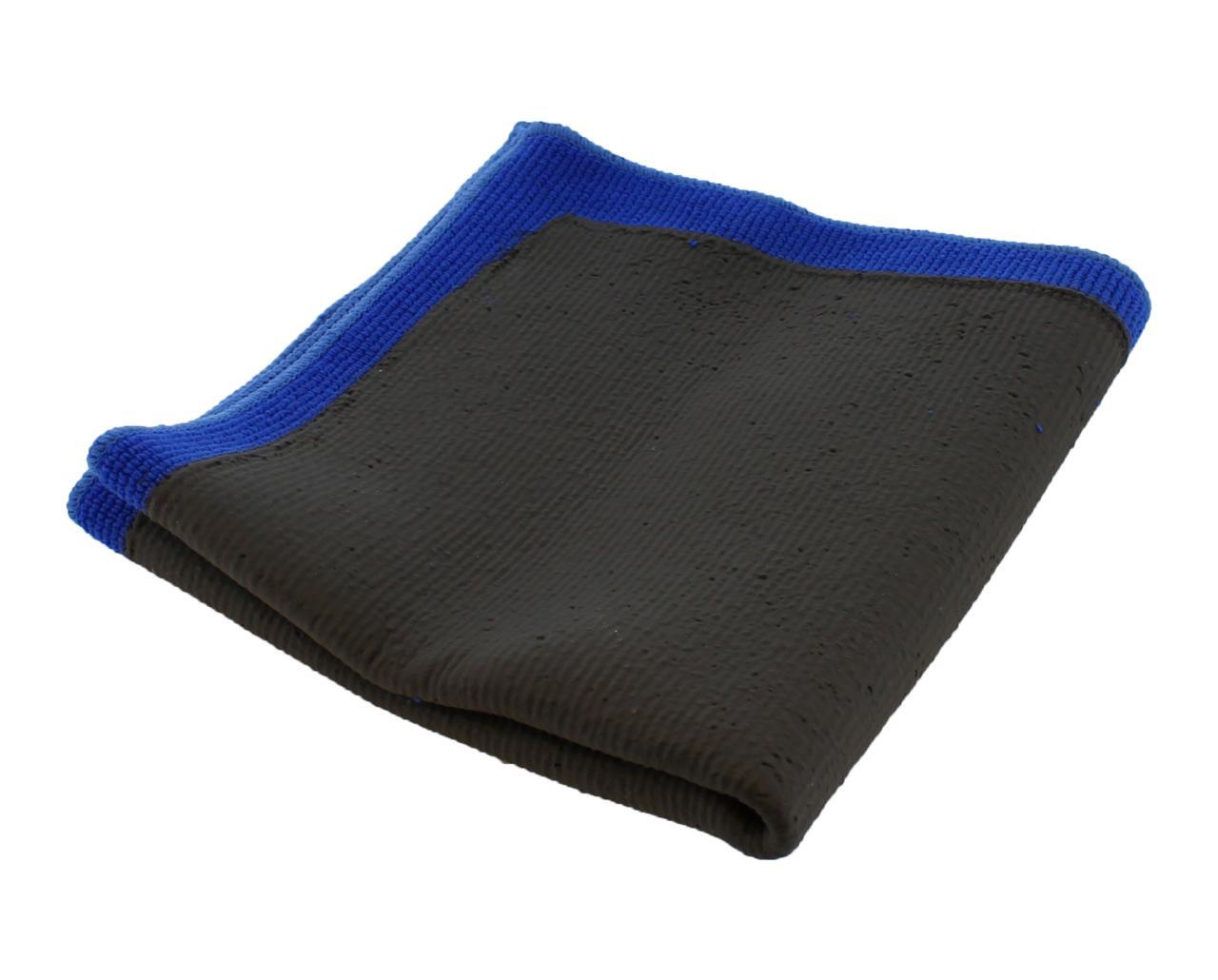
While both clay mitts and traditional clay bars serve the crucial purpose of decontaminating automotive surfaces, they offer distinct advantages and disadvantages that cater to different user preferences and situations. Understanding these differences is key to selecting the most effective tool for your detailing needs.The primary distinctions lie in their application speed, handling, and the inherent risks associated with each.
This comparison will delve into these aspects, helping you determine when a clay mitt might be the superior choice over a traditional clay bar.
Speed and Efficiency Comparison
The speed and efficiency of using a clay mitt versus a traditional clay bar are significantly different, largely due to their design and how they interact with the surface.A clay mitt, with its larger surface area and the ability to be held comfortably in hand, allows for faster coverage of vehicle panels. The flexible nature of the mitt enables it to conform to curves and contours more readily, reducing the need for repetitive movements.
This often translates to a quicker overall decontamination process, especially for larger vehicles or when time is a critical factor.Conversely, a traditional clay bar, typically a small, dense block of detailing clay, requires a more deliberate and methodical approach. Its smaller size means that each section of the paintwork needs to be addressed individually, and the clay must be kneaded frequently to expose a fresh surface.
While this can lead to a very thorough clean, it is inherently a slower process compared to the sweeping motions of a clay mitt.
Ease of Handling and Maneuverability
The ergonomics and design of clay mitts and clay bars present notable differences in handling and maneuverability.Clay mitts are designed to be worn over the hand, much like a glove. This provides a natural grip and allows the user to apply even pressure across the surface. The flexibility of the mitt also aids in maneuvering around intricate areas, such as door handles, mirrors, and emblems, with greater ease.
The user’s hand movements directly translate to the mitt’s action, offering a more intuitive control.Traditional clay bars, on the other hand, are handled directly. While they offer a tactile connection to the surface, their smaller size can sometimes make them prone to being dropped, especially when lubricated. Maneuvering around complex shapes with a clay bar can also be more challenging, as the user needs to carefully guide the small block to avoid missing spots or applying uneven pressure.
This can sometimes lead to awkward hand positions and a less fluid workflow.
Potential Risks of Marring or Scratching
Both clay mitts and clay bars, if used improperly, carry a risk of marring or scratching the vehicle’s paintwork. However, the nature of these risks and the methods to mitigate them differ.With a clay mitt, the primary risk of marring comes from embedded contaminants being trapped within the microfiber or polymer surface. If the mitt is not rinsed frequently enough, these abrasive particles can be dragged across the paint, causing fine scratches.
The larger surface area means that more contaminants can potentially be picked up before rinsing. Proper lubrication is paramount to creating a slick surface that allows the mitt to glide smoothly, minimizing friction.Traditional clay bars also present a risk of marring if contaminants are not properly managed. As the clay is kneaded, embedded debris is theoretically pushed into the clay itself, away from the paint.
However, if the clay is dropped on the ground, it should be discarded immediately, as even a single speck of grit can cause significant damage. Over-kneading can also make the clay less effective and potentially more prone to leaving residue. Again, adequate lubrication is essential for safe use.
“The key to preventing marring with any claying method lies in maintaining a consistently slick surface through generous lubrication and frequent rinsing of the claying medium.”
Situations Favoring a Clay Mitt
A clay mitt often emerges as the superior choice in several specific detailing scenarios.When speed is a priority, such as during a quick wash-and-go detail or when preparing a vehicle for a show in a limited timeframe, the efficiency of a clay mitt is invaluable. Its ability to cover large areas quickly can drastically reduce the overall detailing time.For users who are less experienced with paint correction or detailing in general, a clay mitt can offer a more forgiving experience.
The ease of handling and the reduced likelihood of dropping the tool can boost confidence and lead to a more consistent outcome.Furthermore, for routine maintenance decontamination of vehicles that are not heavily soiled, a clay mitt provides an effective and time-efficient solution for removing light to moderate surface contaminants.
Scenario-Based Comparison for Contamination Levels
The suitability of a clay mitt versus a clay bar can be best understood through scenarios involving different levels of surface contamination. Scenario 1: Light Contamination (e.g., recent drive through light rain, minor road dust)In this scenario, a vehicle has only light surface grime and perhaps a few water spots. A clay mitt is an excellent choice here. Its speed and ease of use will quickly remove the light contaminants without requiring extensive effort.
The mitt can be easily rinsed, and its larger surface area ensures efficient coverage. A clay bar would also work but would be overkill and less efficient for such minor contamination. Scenario 2: Moderate Contamination (e.g., road film, light tar spots, industrial fallout)For moderate contamination, such as the typical build-up from daily driving, a clay mitt still holds an advantage in terms of speed. However, the user must be diligent with rinsing the mitt to prevent dragging embedded particles.
If the contamination is particularly stubborn, such as noticeable tar spots, a clay bar might offer a slightly more controlled approach to targeting these specific areas, allowing the user to focus pressure. However, with sufficient lubrication, a clay mitt can effectively handle this level of contamination. Scenario 3: Heavy Contamination (e.g., significant tar, embedded rail dust, overspray)When dealing with heavy contamination, such as stubborn tar, significant rail dust, or paint overspray, the choice becomes more nuanced.
A clay bar, with its denser structure and the ability to be kneaded to expose a fresh, sharp surface, can sometimes be more effective at aggressively lifting and removing deeply embedded contaminants. The user can also more precisely control the pressure and focus on small, problem areas. However, a clay mitt, especially one designed with a more aggressive clay polymer, can also be effective, but it will require more frequent rinsing and a very generous application of lubricant.
For extremely heavy contamination, a multi-stage approach might even be considered, potentially starting with a more aggressive clay bar and finishing with a clay mitt for overall surface refinement.
| Feature | Clay Mitt | Traditional Clay Bar |
|---|---|---|
| Speed | Faster coverage, more efficient for large areas. | Slower, more methodical approach. |
| Handling | Ergonomic, glove-like fit, easy maneuverability. | Requires direct handling, can be prone to dropping, more challenging around intricate areas. |
| Risk of Marring | Higher risk if not rinsed frequently; embedded contaminants can be dragged. | Risk if dropped on the ground; requires careful kneading. |
| Best For | Light to moderate contamination, speed-focused detailing, less experienced users. | Targeted removal of stubborn contaminants, heavy contamination, experienced users seeking precise control. |
Maintaining and Caring for Your Clay Mitt
Proper maintenance is crucial for extending the lifespan and ensuring the consistent performance of your clay mitt. Just like any detailing tool, a well-cared-for clay mitt will deliver superior results and prevent potential damage to your vehicle’s paintwork. This section will guide you through the essential steps to keep your clay mitt in optimal condition.The cleaning process for a clay mitt should be performed immediately after each use to prevent contaminants from hardening within the mitt’s surface.
This ensures that the mitt is ready for its next application and prevents the transfer of debris back onto your paint.
Cleaning Process After Each Use
Following a thorough cleaning routine after every detailing session is paramount. This prevents the clay particles and embedded contaminants from drying and becoming abrasive, which could lead to scratching during subsequent uses.
The recommended cleaning process involves the following steps:
- Rinse the clay mitt thoroughly under a strong stream of clean water. Aim to flush out as much of the loosened contaminants as possible.
- Gently agitate the mitt’s surface with your fingers or a soft brush to dislodge any stubborn particles. Avoid aggressive scrubbing, which can damage the delicate clay surface.
- If significant residue remains, you can use a dedicated detailing clay lubricant or a mild, pH-neutral soap. Work the lubricant or soap into the mitt, then rinse thoroughly again until all traces of the cleaning agent are gone.
- Squeeze out excess water by gently pressing the mitt between your hands. Do not wring or twist the mitt, as this can deform its structure.
- Allow the clay mitt to air dry completely in a well-ventilated area, away from direct sunlight or excessive heat. Ensure it is fully dry before storing to prevent mildew or bacterial growth.
Inspecting for Damage or Wear
Regular inspection of your clay mitt is vital to identify any signs of wear or damage that could compromise its effectiveness or potentially harm your vehicle’s paint. Catching these issues early allows for timely replacement, preventing unforeseen problems during detailing.
Key areas to inspect include:
- The clay surface: Look for any tears, nicks, or areas where the clay has become overly worn or thin. A smooth, consistent surface is ideal.
- The backing material: Check the fabric or microfiber backing for any fraying, holes, or separation from the clay layer.
- Embedded debris: While cleaning should remove most contaminants, inspect closely for any deeply embedded particles that might not have been dislodged and could pose a scratching risk.
Proper Storage Techniques
Correct storage is essential for preserving the clay mitt’s integrity and ensuring its longevity. Improper storage can lead to the mitt drying out, becoming misshapen, or accumulating dust and debris, rendering it less effective and potentially damaging.
To ensure optimal storage:
- Always store the clay mitt when it is completely dry. Storing a damp mitt can lead to mold and mildew.
- Keep the clay mitt in its original packaging or a dedicated, clean container. This protects it from dust, dirt, and accidental damage.
- Store the mitt in a cool, dry place, away from direct sunlight and extreme temperatures. Avoid storing it near harsh chemicals or solvents.
- If possible, store the mitt in a way that prevents its clay surface from being compressed or deformed. Laying it flat or suspending it can be beneficial.
Identifying When Replacement is Needed
Even with diligent care, clay mitts have a finite lifespan. Recognizing the signs that indicate it’s time for a replacement is crucial for maintaining safe and effective paint decontamination. Using a worn-out mitt can lead to poor results and, more importantly, paint damage.
Consider replacing your clay mitt when you observe any of the following:
- Visible degradation of the clay surface: If the clay appears significantly thinner, uneven, or has developed deep gouges and tears, its effectiveness is compromised.
- Reduced effectiveness: If you find yourself needing to go over areas multiple times to achieve a smooth finish, or if the mitt is no longer effectively picking up contaminants, it’s likely time for a new one.
- Persistent scratching: If, despite proper lubrication and technique, the mitt begins to cause light marring or scratching on the paint, it has likely become too abrasive or damaged.
- Significant damage to the backing: If the fabric or microfiber backing is heavily frayed, torn, or separating from the clay, the structural integrity of the mitt is compromised.
Maintenance Schedule for Regular Care
Establishing a consistent maintenance schedule will ensure your clay mitt remains in top condition and ready for use. This proactive approach prevents issues from arising and maximizes the tool’s performance and lifespan.
A recommended maintenance schedule includes:
- After Every Use: Perform the detailed cleaning process as Artikeld above. This is the most critical step for immediate care.
- Before Each Use: Visually inspect the clay mitt for any signs of damage or embedded debris that may have occurred during storage. Ensure it is clean and free of dust.
- Monthly: Conduct a more thorough inspection for wear and tear, checking the backing material and the overall integrity of the clay surface.
- As Needed: If you notice any of the signs indicating replacement is necessary, do not hesitate to acquire a new mitt. It is better to replace it prematurely than risk damaging your vehicle’s paint.
Advanced Techniques and Considerations for Clay Mitts
While the primary application of a clay mitt is on vehicle paintwork, its effectiveness extends to other surfaces, and understanding its integration with other detailing processes can elevate your results. This section explores these advanced applications and offers solutions to common challenges.
Clay Mitt Application on Non-Paint Surfaces
Clay mitts can be safely and effectively used on various non-paint surfaces to remove bonded contaminants, enhancing the overall appearance and feel of your vehicle. It’s crucial to remember that these surfaces may have different textures and sensitivities compared to paint.
- Glass: Windshields, side windows, and rear glass often accumulate road film, tar, and water spots that regular washing can’t remove. A clay mitt, with appropriate lubrication, can restore clarity and smoothness to glass surfaces.
- Headlights and Taillights: Plastic headlight and taillight covers can become hazy and dull due to oxidation and embedded grime. A clay mitt can gently lift these contaminants, improving their transparency and appearance.
- Chrome and Polished Metal: While delicate, chrome trim and polished metal components can benefit from a clay mitt to remove brake dust, road grime, and oxidation. Always use a very light touch and ensure ample lubrication on these surfaces.
- Glossy Trim and Plastics: Some glossy black trim pieces or plastic body panels can also be decontaminated using a clay mitt. Exercise caution and test on an inconspicuous area first, as some plastics can be more susceptible to marring.
Integration with Other Paint Correction Steps
A clay mitt is an excellent preparatory step before more intensive paint correction processes. Its ability to remove bonded contaminants ensures that subsequent steps are more effective and less likely to cause marring.
- Before Polishing: After washing and drying, a clay mitt thoroughly decontaminates the paint surface. This is critical because any embedded particles left on the paint can be dragged across the surface during polishing, creating new scratches or intensifying existing ones. A clayed surface allows polishing compounds to work directly on the paint’s imperfections without interference.
- Before Applying Sealants or Coatings: For optimal adhesion and longevity, sealants, waxes, and ceramic coatings require a perfectly clean and smooth surface. Claying removes microscopic contaminants that can hinder the bonding process, ensuring a more durable and glossy finish.
- After Compounding: If heavy compounding was necessary to remove deep scratches or oxidation, a light clay mitt pass can remove any remaining polish residue or microscopic debris before moving to finer polishing stages or protection.
Troubleshooting Common Clay Mitt Issues
Even with careful use, issues can arise. Understanding these common problems and their solutions will help you achieve the best results.
Marring or Hazing
This is often caused by insufficient lubrication, excessive pressure, or using a contaminated mitt.
- Cause: Lack of lubrication, grit embedded in the mitt, or too much pressure.
- Solution: Always use plenty of clay lubricant. Inspect and rinse the mitt frequently. Reduce pressure, allowing the mitt to do the work. If marring occurs, it will likely need to be polished out.
Mitt Not Picking Up Contaminants
If the mitt seems ineffective, it might be due to the type of contaminant or the mitt’s condition.
- Cause: The contaminants are not bonded strongly enough to be picked up by the mitt’s clay polymer, or the mitt’s surface is saturated.
- Solution: Ensure you are using adequate lubrication. If the mitt is saturated, rinse it thoroughly. For very light surface dust, a microfiber towel might be more appropriate.
Mitt Sticking to the Surface
This can be alarming but is usually a sign of inadequate lubrication.
- Cause: Insufficient lubricant, causing friction between the mitt and the surface.
- Solution: Immediately apply more lubricant. Do not force the mitt. Gently lift and re-lubricate the area.
Stubborn Contaminants Requiring Extra Attention
Some contaminants are more tenacious and may require a slightly more aggressive approach or specific techniques.
- Tar and Road Grime: These are common and can be tough. They often require multiple passes and generous amounts of lubricant. Specialized tar removers can sometimes be used
-before* claying to break down these stubborn spots. - Overspray: Industrial or paint overspray can bond strongly to paint. These particles are often small and numerous. Patience and thorough lubrication are key.
- Rail Dust: Tiny metallic particles from train brakes that embed themselves into paint, often appearing as small orange or brown dots. These can be difficult to remove with a single pass and may require dedicated iron removers prior to claying for best results.
- Bug Splatter: Dried bug guts can etch into the paint and bond tenaciously. Pre-treating with a bug and tar remover can help soften them before claying.
Preparing the Clay Mitt for Heavily Contaminated Surfaces
When dealing with surfaces laden with heavy contamination, preparing your clay mitt and your process is crucial to avoid causing damage.
- Initial Wash and Rinse: Thoroughly wash the vehicle to remove loose dirt and debris. Rinse the clay mitt meticulously before its first contact with the heavily contaminated surface.
- Generous Lubrication: Use significantly more clay lubricant than you would for a lightly contaminated surface. The lubricant acts as a barrier and a flushing agent.
- Frequent Rinsing of the Mitt: Rinse the clay mitt in a separate bucket of clean water or with a hose after every single pass or section. This is paramount to remove embedded contaminants from the mitt’s surface.
- Work in Small Sections: Divide the heavily contaminated area into very small, manageable sections. Clay one section at a time, rinsing the mitt thoroughly before moving to the next.
- Inspect the Mitt Regularly: Periodically inspect the mitt for embedded particles. If you can feel grit or see visible debris embedded in the clay polymer, it’s time for a thorough rinse or a switch to a second mitt.
- Consider a Pre-treatment: For extreme cases of tar, bug splatter, or industrial fallout, consider using a dedicated chemical remover (like a tar remover or iron remover)
-before* using the clay mitt. This breaks down the contaminants, making them easier for the mitt to lift. - Gentle Pressure: Even with heavy contamination, maintain light to moderate pressure. Let the lubricant and the clay polymer do the work. Excessive force can lead to marring.
End of Discussion
By mastering the use of a clay mitt, you’ve unlocked a more efficient and enjoyable path to pristine automotive paintwork. This versatile tool, when used with proper technique and lubrication, offers a significant upgrade over traditional clay bars, ensuring your vehicle not only looks immaculate but feels incredibly smooth to the touch. Embrace this method for a superior detailing experience and a lasting shine.