Embark on a journey to unlock your vehicle’s ultimate gloss with our comprehensive guide on How to Use a Detail Spray to Boost Your Car’s Shine. This exploration will unveil the secrets behind achieving that showroom-quality luminescence, transforming your car care routine from a chore into a captivating art form. Prepare to be amazed as we delve into the intricacies of detail sprays, their remarkable capabilities, and the simple yet effective techniques that will elevate your car’s appearance to an entirely new level of brilliance.
Understanding the nuances of detail sprays, from their composition to their distinct advantages over traditional waxes, is the first step toward a superior finish. We will navigate the diverse landscape of available products, empowering you to select the perfect spray tailored to your car’s specific needs and desired aesthetic. Furthermore, we will equip you with the essential tools and preparation knowledge, ensuring a flawless application process that minimizes common pitfalls and maximizes the shine.
Understanding Detail Spray and Its Purpose
A car detail spray is a specialized cleaning and finishing product designed to enhance the appearance of your vehicle between full washes and waxings. Its primary function is to quickly remove light dust, fingerprints, water spots, and other minor surface contaminants while simultaneously imparting a layer of gloss and protection. This allows you to maintain a showroom-worthy shine with minimal effort, making it an indispensable tool for any car enthusiast.The effectiveness of detail sprays lies in their carefully formulated chemical compositions.
These sprays are engineered to be safe for use on a variety of automotive surfaces, including paintwork, glass, chrome, and plastic trim. By understanding the role of common ingredients, you can better appreciate the science behind achieving that coveted glossy finish.
Key Ingredients and Their Roles
Detail sprays typically contain a blend of cleaning agents, polymers, and lubricants. The cleaning agents work to gently lift and encapsulate dirt particles, preventing them from scratching the surface during the wiping process. Polymers, often synthetic or natural waxes, are responsible for the gloss enhancement and provide a degree of surface protection. Lubricants are crucial for ensuring a smooth glide of the microfiber towel, minimizing the risk of marring the paint.Some common ingredients and their functions include:
- Surfactants: These are mild cleaning agents that help to break down and lift dirt and grime from the surface.
- Polymers (e.g., silicones, acrylics, carnauba wax derivatives): These create a slick, glossy layer on the paint, reflecting light and enhancing depth. They also offer a short-term protective barrier against environmental elements.
- Lubricants: These reduce friction between the towel and the paint surface, preventing micro-scratches.
- Gloss Enhancers: These are often optical brighteners or conditioning agents that make the paint appear deeper and more vibrant.
- UV Inhibitors: Some formulations include ingredients that help protect the paint from the damaging effects of ultraviolet radiation.
Benefits of Incorporating Detail Spray
Integrating detail spray into your car care regimen offers several advantages beyond just maintaining a clean appearance. It acts as a quick touch-up solution for daily driving, ensuring your vehicle always looks its best. Furthermore, it can extend the life of your existing wax or sealant layer by adding a fresh boost of gloss and protection.The benefits include:
- Rapid Appearance Enhancement: Quickly removes light dust, fingerprints, and water spots, restoring shine in minutes.
- Extended Protection: Can supplement and enhance the durability of existing wax or sealant layers.
- Surface Lubrication: Minimizes the risk of scratching during light cleaning.
- Versatility: Safe for use on most exterior surfaces, including paint, glass, and trim.
- Ease of Use: Requires minimal tools and expertise, making it accessible for all users.
Differences Between Detail Spray and Traditional Spray Wax or Sealant
While detail sprays share some similarities with spray waxes and sealants, their primary purposes and longevity differ significantly. A traditional spray wax or sealant is primarily designed for longer-term protection and a more profound depth of shine. They form a more robust barrier on the paint surface, offering protection against UV rays, environmental contaminants, and wash-induced marring for weeks or even months.In contrast, a detail spray is formulated for quick, on-the-go touch-ups.
Its cleaning capabilities are generally lighter, focusing on removing surface contaminants rather than deep cleaning. The gloss it imparts is often more immediate and less durable than that from a dedicated wax or sealant.Here’s a comparative overview:
| Feature | Detail Spray | Traditional Spray Wax/Sealant |
|---|---|---|
| Primary Function | Quick cleaning, gloss enhancement, light protection | Long-term protection, significant gloss enhancement |
| Durability | Hours to a few days | Weeks to months |
| Cleaning Power | Light dust, fingerprints, water spots | Can handle light to moderate dirt (often used after washing) |
| Application | Between washes, for quick touch-ups | As a finishing step after washing and drying |
| Surface Build-up | Minimal | Forms a noticeable protective layer |
Selecting the Right Detail Spray
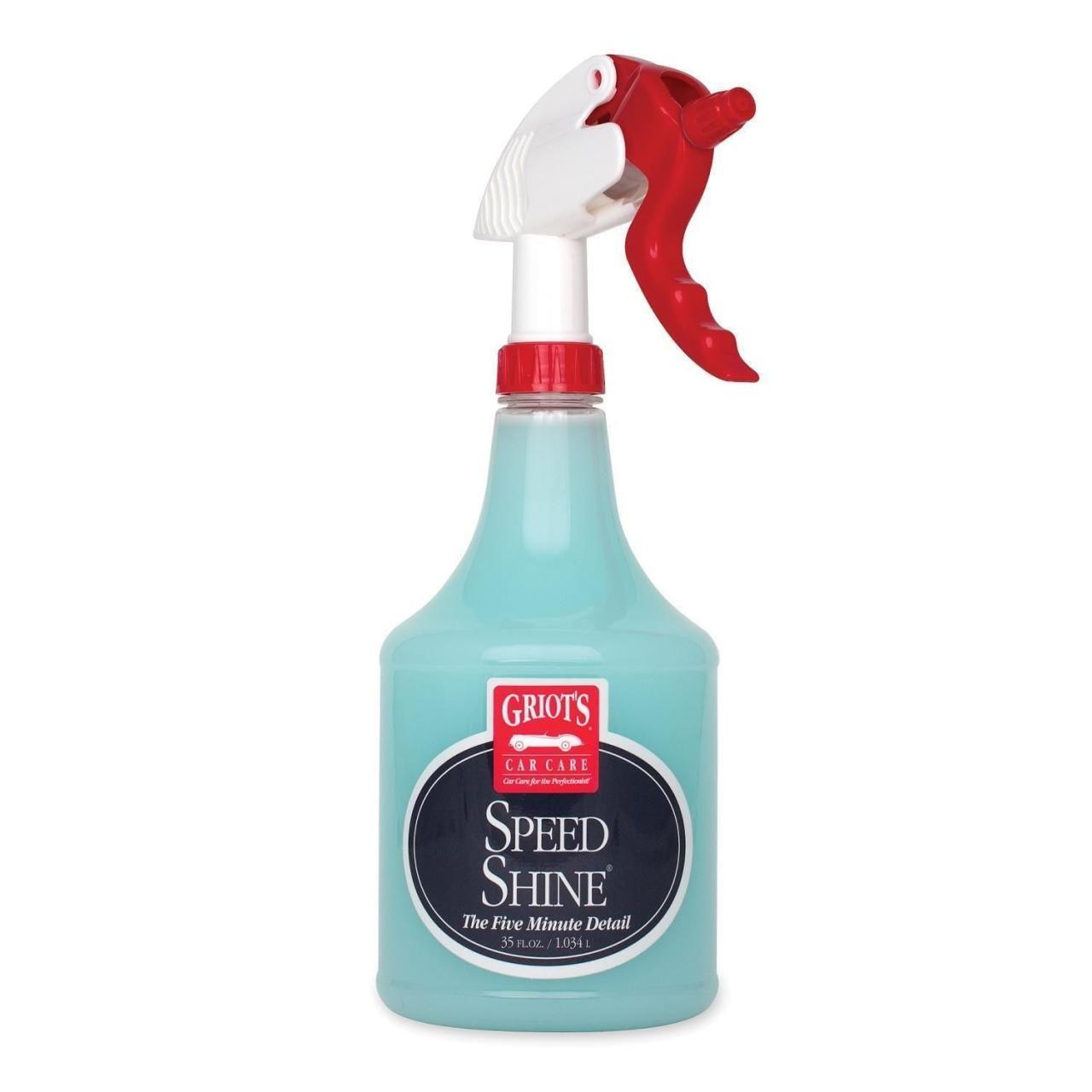
Choosing the appropriate detail spray is paramount to achieving the desired aesthetic for your vehicle. The market offers a diverse range of products, each formulated with specific characteristics to cater to various needs and finishes. Understanding these nuances will empower you to make an informed decision that aligns with your car’s paint type, condition, and your personal preference for the final look.The effectiveness of a detail spray lies not only in its cleaning capabilities but also in its ability to enhance and protect your car’s paintwork.
By carefully considering the available options and their intended applications, you can significantly elevate your car’s appearance and maintain its luster for longer periods.
Types of Detail Sprays and Their Applications
Detail sprays are broadly categorized based on their primary function and the type of finish they impart. These categories help consumers identify products that best suit their detailing goals.
- All-Purpose Detail Sprays: These are versatile products designed for light cleaning of dust, fingerprints, and minor road grime between full washes. They typically offer a moderate gloss and are suitable for most exterior surfaces, including paint, glass, and trim.
- Gloss-Enhancing Detail Sprays: Formulated with polymers or gloss enhancers, these sprays are designed to add a deep, wet-look shine to the paintwork. They are ideal for enthusiasts who prioritize a high-gloss finish and are often used on well-maintained vehicles.
- Ceramic-Infused Detail Sprays: These advanced formulas incorporate ceramic SiO2 (silicon dioxide) technology. They offer enhanced hydrophobicity (water beading), superior UV protection, and a more durable shine compared to traditional sprays. Their protective qualities can last for several weeks to months.
- Matte Finish Detail Sprays: Specifically designed for vehicles with matte or satin paint finishes, these sprays clean without adding unwanted gloss. They help maintain the original satin appearance and prevent streaking or the creation of shiny spots.
- Interior Detail Sprays: While the focus here is on exterior applications, it’s worth noting that interior detail sprays exist. These are formulated to safely clean and condition interior surfaces like dashboards, door panels, and upholstery, often with a matte or satin finish.
Comparative Analysis of Detail Sprays: Finish and Durability
The choice between different detail sprays often hinges on the desired finish and how long that finish is expected to last. This comparison highlights key differences to guide your selection.
| Detail Spray Type | Typical Finish | Durability (Approximate) | Best For |
|---|---|---|---|
| All-Purpose | Moderate Gloss | Hours to a few days | Quick touch-ups, light dust removal |
| Gloss-Enhancing | High Gloss, “Wet Look” | Days to a week | Maximizing shine on well-maintained paint |
| Ceramic-Infused | Deep Gloss, Slick Feel | Several weeks to months | Enhanced protection, hydrophobicity, and long-lasting shine |
| Matte Finish | Satin, Non-Reflective | Days to a week | Maintaining matte or satin paint appearance |
The durability of a detail spray is a crucial factor for those seeking longer-lasting results with less frequent application. Ceramic-infused sprays, for instance, offer a significant advantage in this regard, providing a protective barrier that repels water and contaminants.
Factors for Choosing a Detail Spray
Selecting the optimal detail spray involves considering several critical factors related to your vehicle’s specific characteristics and your personal detailing objectives.
- Paint Type: For conventional clear coats, most detail sprays will perform well. However, for matte or satin finishes, it is imperative to use a dedicated matte detail spray to preserve the finish’s unique appearance. Using a gloss-enhancing spray on matte paint will result in undesirable shiny spots.
- Paint Condition: If your paint is heavily contaminated or has swirl marks, a detail spray is not a substitute for a proper wash and polish. Detail sprays are best suited for light dust, water spots, and maintaining a clean surface. For paint with moderate to severe defects, a more intensive correction process is necessary before applying a detail spray for enhancement.
- Desired Finish: Clearly define whether you are aiming for a deep, wet look (gloss-enhancing), a subtle sheen (all-purpose), or the preservation of a factory matte finish.
- Environmental Factors: If your car is frequently exposed to harsh sunlight, consider a detail spray with UV protection. For areas with hard water, a spray that offers good water-spot resistance can be beneficial.
- Application Ease: Most detail sprays are designed for ease of use, involving a spray-and-wipe process. However, some ceramic sprays might require slightly different application techniques or curing times for optimal performance.
“The right detail spray acts as a quick polish and protectant, extending the life and beauty of your car’s paint between full detailing sessions.”
Detail Spray Quality and Effectiveness Checklist
Before committing to a purchase, use this checklist to evaluate the potential quality and effectiveness of a detail spray. This will help ensure you are investing in a product that will deliver satisfactory results.
- Brand Reputation: Research the brand’s history and customer reviews. Reputable brands often have a track record of producing high-quality detailing products.
- Ingredient Transparency: Look for detail sprays that list key ingredients, especially if you are seeking specific benefits like UV protection or ceramic properties. Avoid products with vague ingredient lists.
- User Reviews and Testimonials: Seek out reviews from other car owners who have used the product on similar vehicle types and paint finishes. Pay attention to comments regarding ease of use, finish, durability, and any potential drawbacks.
- Product Claims: Assess whether the product’s claims are realistic. For example, a detail spray claiming to last for a year might be an exaggeration for a product primarily designed for light cleaning.
- Smell and Consistency: While subjective, a pleasant, non-overpowering scent and a smooth, non-gritty consistency can indicate a well-formulated product.
- Compatibility with Other Products: If you plan to use the detail spray in conjunction with waxes or sealants, ensure it is compatible and will not negatively impact their performance or longevity.
Essential Tools and Preparation
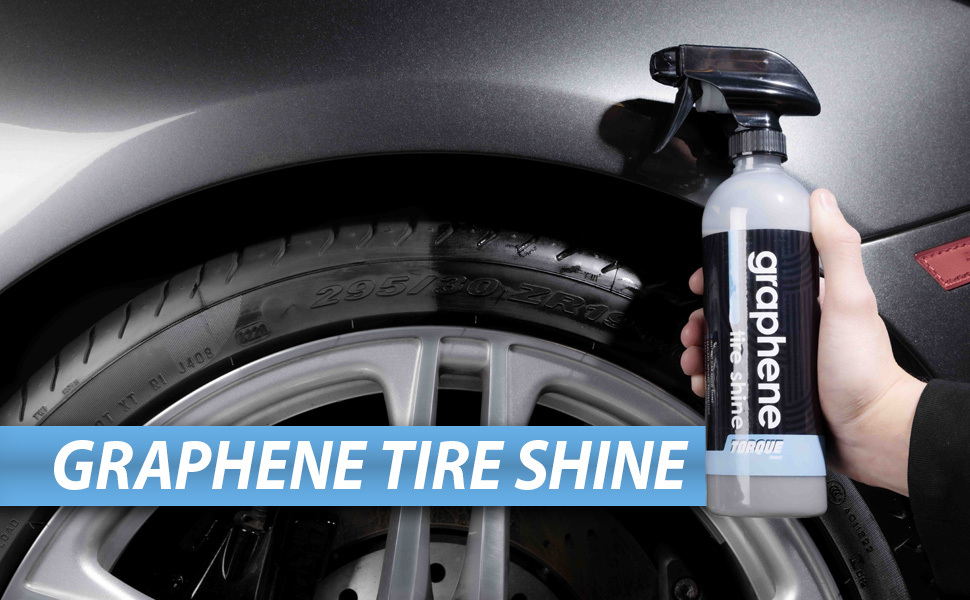
Before you can begin to experience the remarkable shine-boosting capabilities of detail spray, it’s crucial to have the right tools and prepare your vehicle’s surface meticulously. This foundational step ensures that the detail spray can perform at its best, delivering a flawless finish without introducing new imperfections. Proper preparation not only enhances the spray’s effectiveness but also safeguards your paintwork.The effectiveness of detail spray is directly linked to the condition of the surface it’s applied to.
Applying it over dirt, dust, or contaminants can lead to scratching and marring, undoing the very shine you aim to achieve. Therefore, a thorough cleaning and decontamination process is paramount.
Necessary Tools and Materials
To achieve the best results when using detail spray, a specific set of tools and materials is required. These items are designed to work in harmony with the detail spray, ensuring a safe and effective application process. Having these readily available will streamline your detailing session.
- Microfiber Towels: High-quality, plush microfiber towels are essential for safely wiping away dirt and applying the detail spray. Have a generous supply, as you’ll need separate towels for different stages of the process.
- Two Buckets: The two-bucket wash method is critical for preventing the transfer of dirt back onto the paint. One bucket contains your wash solution, and the other contains clean rinse water for your wash mitt.
- pH-Neutral Car Wash Soap: A gentle, pH-neutral soap is necessary for washing the vehicle without stripping existing wax or sealant layers.
- Wash Mitt: A soft wash mitt, preferably made of microfiber or lamb’s wool, will effectively lift dirt from the paint surface.
- Wheel Cleaner and Brushes: Specialized wheel cleaners and brushes are needed to tackle brake dust and road grime on your wheels.
- Glass Cleaner and Specific Glass Towels: For streak-free windows, a dedicated glass cleaner and separate microfiber towels designed for glass are indispensable.
- Clay Bar or Clay Mitt/Towel: For deeper decontamination, a clay bar or its modern equivalents (clay mitts or towels) are used to remove embedded contaminants.
- Clay Lubricant: This is essential when using a clay bar to ensure it glides smoothly over the surface without causing scratches. Detail spray can sometimes be used as a lubricant, but a dedicated product is often recommended.
- Drying Towels: Large, highly absorbent microfiber drying towels are needed to gently dry the vehicle after washing.
Vehicle Surface Preparation Steps
Preparing your vehicle’s surface before applying detail spray is a critical step that dictates the final outcome. A clean, smooth surface allows the detail spray to bond properly and enhance the existing gloss without trapping any abrasive particles. This process involves a thorough wash and decontamination.
Washing and Decontaminating the Vehicle’s Surface
The process of preparing your vehicle’s surface begins with a comprehensive wash to remove loose dirt and grime, followed by decontamination to lift embedded contaminants. This ensures a pristine canvas for the detail spray.
- Pre-Rinse: Thoroughly rinse the entire vehicle with water to remove loose dirt, dust, and debris. This initial step helps to minimize the risk of scratching during the washing phase.
- Wheel Cleaning: Begin by cleaning the wheels and tires. Use a dedicated wheel cleaner and appropriate brushes to remove brake dust and road film. Rinse them thoroughly.
- Two-Bucket Wash: Fill one bucket with your pH-neutral car wash soap and water, and the other with clean rinse water. Dip your wash mitt into the soap solution, wash a section of the vehicle (working from top to bottom), and then rinse the mitt thoroughly in the clean water bucket before dipping it back into the soap solution. This prevents transferring dirt back onto the paint.
- Rinse Thoroughly: After washing the entire vehicle, rinse it completely with clean water to remove all soap residue.
- Drying: Gently dry the vehicle using large, absorbent microfiber drying towels. Blot or lightly drag the towel to absorb water, avoiding excessive rubbing.
- Clay Bar Application (if necessary): If your paint feels rough to the touch after washing and drying, it indicates embedded contaminants. Spray a clay lubricant generously onto a small section of the paint. Gently glide the clay bar (or mitt/towel) over the lubricated area in a back-and-forth motion. You will feel the clay grab and then release as contaminants are removed. Wipe away any residue with a clean microfiber towel.
Repeat this process for the entire vehicle.
- Final Wipe Down: After claying, give the vehicle a final wipe down with a clean, dry microfiber towel to ensure no residue remains.
Working in a Shaded Area and on a Cool Surface
The environment in which you apply detail spray significantly impacts its performance and the safety of your paintwork. Working in a shaded area and ensuring the surface is cool to the touch are non-negotiable steps for achieving optimal results.
Detail spray is designed to evaporate quickly, and direct sunlight or a hot surface will accelerate this evaporation process prematurely. This can lead to streaking, water spots, and a reduced ability for the product to bond and enhance gloss.
Applying detail spray in direct sunlight or on a hot surface can cause the product to dry too quickly. This rapid drying prevents the spray from leveling out properly, often leaving behind unsightly streaks and smudges. Furthermore, a hot surface can cause the product to flash off before you have a chance to properly wipe it down, making it difficult to achieve a smooth, even finish.
A cool surface allows the detail spray to dwell for the appropriate amount of time, enabling it to lubricate the surface and create a slick finish. Working in the shade also protects you from the sun’s glare, allowing you to better see your work and identify any missed spots or imperfections.
Application Techniques for Maximum Shine
Achieving a truly dazzling finish with your detail spray goes beyond simply applying it. The techniques you employ during application, wiping, and buffing are crucial for unlocking that streak-free, high-gloss appearance. This section will guide you through the optimal methods to ensure your detail spray performs at its best, transforming your car’s surface into a mirror-like masterpiece.Mastering the application process ensures that the product is distributed evenly and effectively, minimizing waste and maximizing its protective and aesthetic benefits.
Careful wiping and buffing are equally important to avoid introducing new imperfections and to enhance the clarity and depth of the shine.
Correct Spraying Method
The initial application of detail spray sets the stage for the entire detailing process. A proper spraying technique ensures even coverage and prevents product waste or uneven drying. Always work on a cool surface and in the shade to prevent the product from drying too quickly, which can lead to streaks.
- Work in Small Sections: Divide your vehicle into manageable areas, such as one panel or half a panel at a time. This allows you to control the product and ensure it’s worked before it has a chance to dry.
- Moderate Distance: Hold the spray bottle approximately 8-12 inches away from the surface. This distance promotes a fine mist that disperses evenly, rather than a concentrated stream that can cause spotting.
- Consistent Pattern: Spray in a sweeping, overlapping motion. A common and effective pattern is to spray horizontally across the panel, then vertically with slight overlap. This ensures complete coverage without missing spots or over-saturating any one area.
- Avoid Over-Application: A little detail spray goes a long way. Excessive product is wasteful and can make buffing more difficult, potentially leading to streaks. Aim for a light, even mist.
- Targeted Application: While generally spraying onto the surface is recommended, for very specific areas or when dealing with stubborn water spots, you might apply a slightly more direct spray to the towel and then wipe the area. However, the primary method should be spraying the vehicle’s surface.
Wiping and Buffing for a Streak-Free Finish
The act of wiping and buffing is where the magic of detail spray truly comes to life. This step removes the product and any loosened contaminants, revealing a smooth, glossy surface. The key is to use the right technique and tools to avoid introducing scratches or streaks.
The goal of wiping and buffing is to lift the detail spray and any grime it has encapsulated, leaving behind a clean, slick, and highly reflective surface. Incorrect technique can negate the benefits of the spray, leading to dullness or unsightly marks.
Microfiber Towel Selection and Usage
Microfiber towels are indispensable in car detailing due to their ability to trap dirt and absorb liquids effectively without scratching surfaces. For detail spray application, the type of microfiber towel you choose significantly impacts the final result.
Different weaves and pile lengths offer distinct advantages. Using the correct towel for the job ensures maximum product removal and a flawless finish, while the wrong one can lead to streaks or even micro-scratches.
| Towel Type | Pile Length | Best For | Characteristics |
|---|---|---|---|
| Plush Microfiber Towel | Long (e.g., 500 GSM and above) | Final buffing, high-gloss finish, delicate surfaces | Extremely soft, excellent at lifting and trapping dirt and product, provides maximum lubrication. Ideal for the final wipe-down to ensure a streak-free shine. |
| Twisted Loop Microfiber Towel | Medium | Drying, initial wipe-down of detail spray | Durable, highly absorbent, good at lifting dirt away from the surface. Can be used for the initial wipe to remove the bulk of the detail spray. |
| Waffle Weave Microfiber Towel | Short | Glass cleaning, quick detailer application on less delicate areas | Designed for absorbency and quick drying. Can be effective for detail spray application, but plush towels are generally preferred for the final buff. |
When wiping, always use a clean section of the towel for each pass. Fold your towel into quarters to maximize the number of clean surfaces you can use before needing a fresh towel. This prevents re-depositing dirt onto the paintwork.
Procedural Guide for Applying Detail Spray to Various Car Surfaces
Applying detail spray effectively requires a systematic approach, adapting slightly for different materials. Consistency in technique across all surfaces will yield the most uniform and impressive results.
This guide Artikels the step-by-step process for using detail spray on common automotive surfaces, ensuring optimal performance and a cohesive shine across your entire vehicle.
Paintwork
Paintwork is the most common surface for detail spray application, aiming to enhance gloss, remove light dust, and add a layer of protection. Always ensure the paint is cool to the touch and out of direct sunlight before proceeding.
- Spray a light mist of detail spray onto a small section of the paintwork (e.g., half a hood).
- Immediately take a clean, plush microfiber towel, folded into quarters.
- Gently wipe the sprayed area in a single direction (e.g., front to back). Avoid circular motions, which can create swirl marks.
- Flip the towel to a clean side and gently buff the area to a high shine, removing any remaining product.
- Continue this process section by section across the entire vehicle.
- If streaks appear, lightly mist the area again and buff with a clean, dry portion of the towel.
Plastic Trim (Unpainted)
For unpainted plastic trim, detail spray can restore a clean, matte, or satin finish, depending on the product’s formulation. Some detail sprays can also offer UV protection.
- Spray detail spray onto a clean microfiber towel, not directly onto the trim, to prevent overspray onto adjacent painted surfaces.
- Gently wipe the plastic trim.
- Use a separate, clean microfiber towel to lightly buff the trim, removing any excess product and restoring its appearance.
- For textured trim, a soft-bristle detailing brush can be used in conjunction with the towel to ensure product gets into the crevices.
Chrome and Polished Metal
Detail sprays can bring out the brilliance of chrome and other polished metal accents, removing fingerprints and light water spots.
- Apply a small amount of detail spray to a clean, plush microfiber towel.
- Wipe the chrome or metal surface in a single, straight direction.
- Immediately follow with a separate, clean microfiber towel to buff the surface to a brilliant shine.
- For heavily soiled chrome, a dedicated metal polish might be necessary first, with detail spray used for maintenance.
Glass and Windows
While dedicated glass cleaners are often preferred for heavily soiled glass, detail sprays can be effective for light cleaning and boosting shine on windows and mirrors.
- Lightly mist the glass surface or apply to a clean microfiber towel.
- Wipe the glass with a dedicated glass cleaning microfiber towel (often a shorter pile or waffle weave is preferred for glass).
- Use a second, dry glass cleaning microfiber towel to buff the glass until it is completely clear and streak-free.
- Pay attention to edges and corners to ensure no product residue is left behind.
“The secret to a streak-free shine is consistent, gentle pressure and the use of clean, high-quality microfiber towels, always working in straight lines and flipping your towel frequently.”
Troubleshooting Common Detail Spray Issues
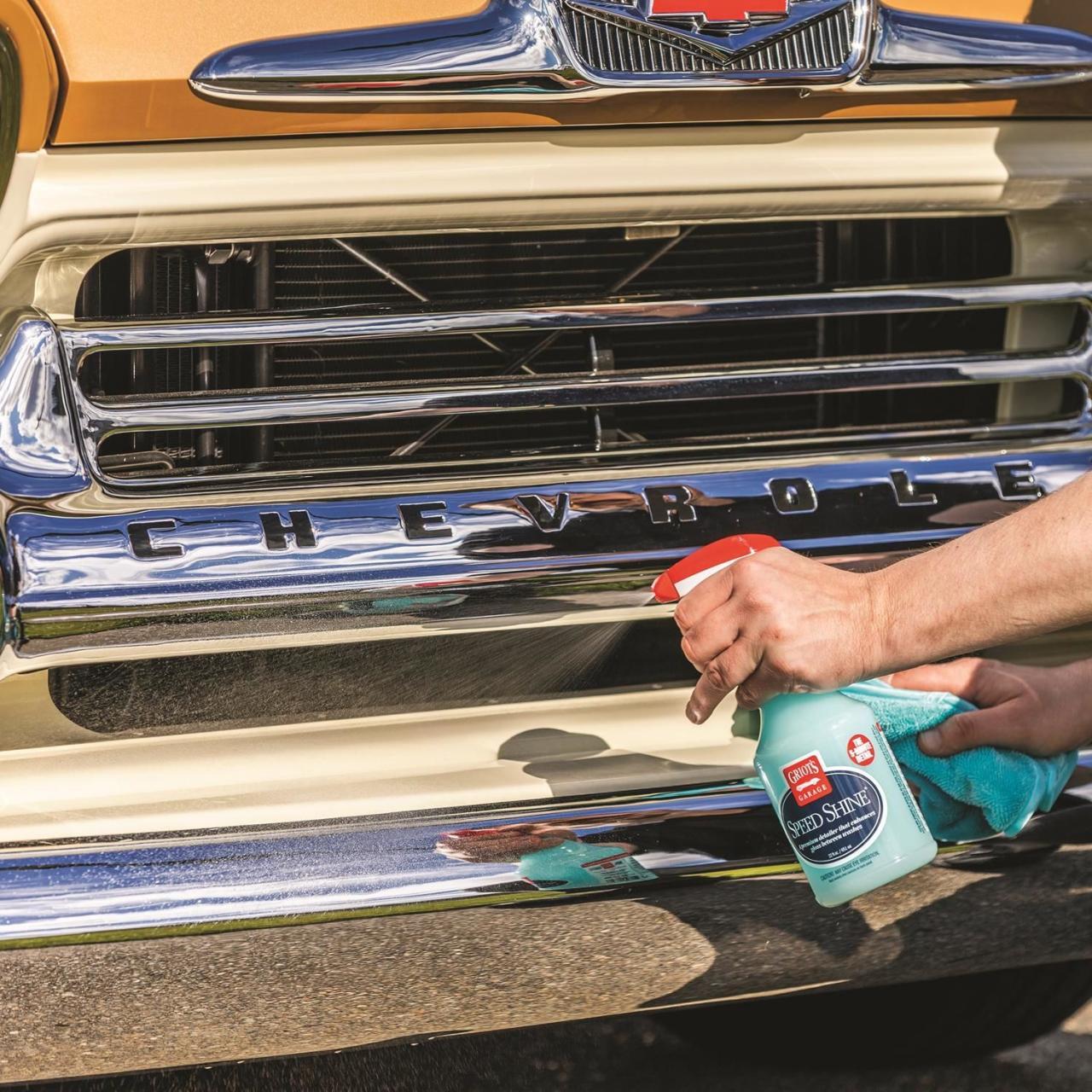
Even with careful application, you might encounter a few common challenges when using detail spray. Understanding these potential pitfalls and their solutions will ensure you achieve that flawless, boosted shine you’re aiming for. This section will guide you through identifying, understanding, and resolving these issues, as well as how to prevent them from occurring in the first place.
Streaking and Hazing Explained
Streaking and hazing are the most frequent complaints when using detail spray. Streaking appears as faint lines or marks left on the surface, while hazing results in a cloudy or dull appearance. These are typically caused by either the product itself not being properly spread and wiped off, or by environmental factors and surface preparation.
Causes and Solutions for Streaking
Streaking often occurs when too much product is applied, or when the product is allowed to dry on the surface before being wiped away. Another common cause is using a dirty or saturated microfiber towel.Here are the primary reasons for streaking and how to effectively address them:
- Excess Product Application: Applying a heavy mist of detail spray can overwhelm the surface, making it difficult for the towel to absorb and remove all the product. The solution is to use a lighter, more even mist.
- Product Drying on Surface: If the detail spray dries before you have a chance to wipe it off, it can leave behind residue that causes streaks. This is more likely to happen in direct sunlight or on warm surfaces. Work in smaller sections and ensure you wipe immediately after spraying.
- Dirty or Saturated Microfiber Towels: A microfiber towel that is already loaded with dirt or product will simply spread that residue around, leading to streaks. Always use clean, high-quality microfiber towels and switch to a fresh one as soon as the current one becomes saturated or dirty.
- Improper Wiping Technique: Aggressive or circular wiping can push product residue around, creating streaks. A gentle, straight-line or cross-hatch pattern is more effective.
Causes and Solutions for Hazing
Hazing, a dulling of the finish, can be a result of residue left behind by the detail spray or contamination on the surface.
- Residue from Incomplete Removal: Similar to streaking, if the detail spray isn’t fully wiped off, the dried residue can create a hazy appearance. This is particularly noticeable on darker colored vehicles. Ensure thorough buffing after application.
- Contaminated Surface: Applying detail spray over a surface that still has dirt, dust, or old wax/sealant residue can lead to hazing. The detail spray may not be able to properly bond or lubricate, and instead, it can smear the existing contaminants. Always start with a clean vehicle; a quick rinse or pre-wash is recommended if the car is significantly dirty.
- Product Compatibility: In rare cases, certain detail sprays might not be compatible with existing waxes or sealants, leading to a hazy finish. Always check product compatibility or perform a spot test in an inconspicuous area.
Correcting Application Mistakes
Mistakes happen, but they are usually fixable. If you notice streaking or hazing immediately after application, don’t panic.
The most effective way to correct mistakes is to re-work the affected area. Lightly re-mist the streaked or hazed section with a clean detail spray and use a fresh, clean microfiber towel to gently wipe the area. This second pass helps to lift and remove any residual product or smeared contaminants. For stubborn hazing, you might need to use a dedicated panel wipe or a glass cleaner (if the hazing is on glass) to break down the residue, followed by a clean microfiber towel.
Preventing Future Detail Spray Pitfalls
Proactive measures are the best way to ensure a perfect finish every time. By adopting good habits and understanding the product’s behavior, you can significantly reduce the likelihood of encountering issues.Here are key strategies to avoid common detail spray problems:
- Work in Shaded Areas: Always apply detail spray in a cool, shaded location. Direct sunlight and heat accelerate drying, making it harder to wipe off product cleanly and increasing the risk of streaks and haze.
- Use High-Quality Microfiber Towels: Invest in plush, high-GSM (grams per square meter) microfiber towels. Have plenty on hand, and fold them into quarters to provide multiple clean surfaces for wiping.
- Apply Product Sparingly: A little detail spray goes a long way. Start with a light mist and add more only if necessary. Over-application is a primary cause of many issues.
- Wipe Immediately: Don’t let the product sit on the surface for more than a few seconds before wiping. Work in manageable sections to ensure you can wipe off the product before it dries.
- Gentle Wiping Pressure: Use light pressure when wiping. The microfiber towel should glide smoothly across the surface. Excessive pressure can grind in any dirt particles or product residue.
- Regularly Clean Towels: Wash your microfiber towels separately from other laundry, using a dedicated microfiber detergent. Avoid fabric softeners, as they can clog the fibers and reduce their effectiveness.
- Surface Preparation is Key: Ensure the surface is free from heavy dirt and grime before applying detail spray. A quick rinse or a pre-wash can make a significant difference.
Enhancing and Maintaining the Shine

Detail spray is a powerful tool for achieving and preserving a brilliant car finish. Beyond its immediate gloss-boosting capabilities, understanding how to integrate it into a broader car care routine will ensure your vehicle maintains that freshly detailed look for longer. This section explores advanced techniques for maximizing and sustaining your car’s shine.
Layering Detail Spray with Protective Products
Detail spray can be effectively layered with other protective car care products to create a multi-layered defense system that enhances and extends the shine. This approach combines the immediate aesthetic benefits of detail spray with the long-term protection offered by sealants and waxes.To achieve optimal results, consider the following order of application:
- Pre-Wash/Wash: Start with a thorough wash to remove all dirt and grime.
- Clay Bar (Optional but Recommended): For a truly smooth surface, use a clay bar to remove embedded contaminants.
- Paint Sealant or Ceramic Coating: Apply a high-quality paint sealant or a ceramic coating as your primary layer of protection. These products offer long-lasting durability and chemical resistance.
- Wax (Optional): For added depth of gloss and a warm, rich shine, a carnauba wax can be applied over the sealant or coating.
- Detail Spray: Use the detail spray as a drying aid after washing, or as a standalone product between washes to enhance gloss and remove light dust. When layering, detail spray can be used as a final wipedown after wax or sealant application to ensure a streak-free finish and to further enhance the slickness and reflectivity of the surface.
The key is to allow each protective layer to cure or bond properly before applying the next. Detail spray, being a lighter product, is best applied as the final step or as a maintenance product.
Detail Spray Application Frequency for Optimal Gloss
The frequency of detail spray application depends on several factors, including environmental exposure, driving habits, and the desired level of shine. Regular application is crucial for maintaining that “wet” look and protecting the paintwork.The following guidelines can help determine the appropriate frequency:
- Weekly Maintenance: For cars regularly driven and exposed to moderate conditions, applying detail spray once a week is generally sufficient to maintain a high level of gloss and remove light dust or water spots.
- Bi-Weekly Touch-Ups: If your car is kept in a garage and driven less frequently, a bi-weekly application might suffice.
- After Every Wash: For those who wash their car frequently, using detail spray as a drying aid after each wash is an excellent way to boost shine and ensure a streak-free finish.
- As Needed for Dust and Smudges: Detail spray is ideal for quick touch-ups whenever you notice light dust accumulation, fingerprints, or water spots. This proactive approach prevents contaminants from bonding to the paint.
It is important to note that detail spray is not a substitute for a proper wash. Over-reliance on detail spray without regular washing can lead to the buildup of abrasive particles, potentially causing scratches.
Detail Spray for Quick Touch-Ups Between Full Washes
Detail spray excels at providing rapid aesthetic improvements between thorough washes. This is particularly useful for maintaining a show-car appearance on a daily driver or for preparing a vehicle for an impromptu car show or event.Consider these scenarios for quick touch-ups:
- Removing Light Dust: After a car has been parked for a few days, a light layer of dust can accumulate. A quick spray and wipe with detail spray will lift the dust particles and restore the paint’s shine without the need for a full wash.
- Eliminating Fingerprints and Smudges: Door handles, trunk lids, and other frequently touched areas are prone to fingerprints. Detail spray can quickly and safely remove these marks, restoring a clean, glossy appearance.
- Drying Aid for Spot Cleaning: If you encounter a small bird dropping or a bug splatter, you can often remove it safely using detail spray and a high-quality microfiber towel. Spray the affected area liberally, allow it to dwell for a moment to soften the contaminant, and then gently wipe it away.
- Enhancing Gloss on Specific Areas: You can use detail spray to highlight specific areas, such as the hood or trunk, to make them stand out.
For these touch-ups, always use clean, plush microfiber towels to avoid scratching the paint. Work in small sections and flip your towel frequently to ensure you are always using a clean surface.
Strategies for Protecting the Boosted Shine
Once you have achieved a brilliant shine using detail spray, protecting that finish from the elements is paramount. Environmental contaminants and harsh weather can quickly dull your efforts.Implement these strategies to safeguard your car’s gleam:
- Regular Washing and Detail Spray Use: As discussed, consistent washing and the use of detail spray as a drying aid or for touch-ups are your first line of defense against accumulating contaminants.
- Parking in Protected Areas: Whenever possible, park your car in a garage or under a carport. This significantly reduces exposure to direct sunlight, UV rays, acid rain, bird droppings, and tree sap.
- Applying Protective Coatings: Beyond the initial application, consider regular reapplication of sealants or waxes according to their manufacturer’s recommendations. Ceramic coatings offer the most robust protection and can last for years with proper care.
- Using a Car Cover: For vehicles stored outdoors for extended periods, a high-quality, breathable car cover can provide an excellent physical barrier against dust, dirt, and minor environmental damage. Ensure the car is clean before applying a cover to prevent scratching.
- Addressing Contaminants Promptly: Bird droppings, bug splatters, and tree sap are acidic and can etch into the paint if left untreated. Use detail spray and a microfiber towel for immediate, safe removal.
- Protective Sprays and Waxes for Wheels and Tires: Don’t forget these often-overlooked areas. Applying dedicated wheel sealants and tire dressings can protect them from brake dust and road grime, contributing to the overall polished look.
By combining diligent cleaning practices with protective products and smart parking habits, you can ensure that the shine you achieve with detail spray endures, keeping your car looking its best.
Visualizing the Detail Spray Effect
Applying a quality detail spray is akin to adding a final, illuminating polish to your car’s appearance. It’s not just about cleaning; it’s about enhancing the inherent beauty of the paintwork, transforming a clean surface into one that truly captivates the eye. The difference is often striking, moving beyond a simple clean to a show-quality finish.The visual transformation brought about by a detail spray is characterized by a profound increase in depth and reflectivity.
The paint’s true color appears richer and more vibrant, as if you’re seeing it for the first time. This enhanced depth is achieved by the spray filling in microscopic imperfections on the surface, creating a smoother canvas for light to bounce off. The reflectivity is significantly amplified, turning the car’s panels into mirrors that capture and throw back light with dazzling clarity.
The Sparkle of Enhanced Reflectivity
Detail sprays work by laying down a thin, uniform layer of protective polymers and gloss enhancers. When light strikes this treated surface, it reflects more uniformly and intensely. Instead of scattering in multiple directions due to microscopic texture, the light beams are directed back towards the observer, creating the characteristic sparkling appearance. This effect is particularly noticeable under direct sunlight or bright artificial lighting, where the car seems to shimmer.
Comparing a Washed Car to a Detail Sprayed Car
A freshly washed car, even after thorough drying, often presents a clean but somewhat muted appearance. The paint may look good, but it lacks that extra dimension of gloss and depth. In contrast, a car that has been treated with detail spray will exhibit a noticeably deeper color saturation and a much higher level of shine. The paint will look slick and wet, with reflections that are sharp and clear, rather than hazy or diffused.
The surface will appear smoother to the touch and visually more appealing, a testament to the added protection and gloss enhancement.
Achieving the “Wet Look” with Detail Spray
The coveted “wet look” is a hallmark of a successful detail spray application, creating an illusion of moisture that accentuates the paint’s contours and vibrancy. This effect is achieved through a combination of the spray’s lubricating properties and its ability to create a smooth, highly reflective surface.The “wet look” is characterized by:
- Intensified Color Saturation: Colors appear richer and deeper, as if the paint has just been treated with a wet coating.
- Superior Gloss and Shine: Reflections are sharp, clear, and possess a liquid-like quality, making the paint appear incredibly slick.
- Smooth Surface Appearance: The spray fills minor surface imperfections, creating a visually seamless and smooth finish that enhances the perception of depth.
- Enhanced Depth Perception: The interplay of light and the smooth, reflective surface creates a visual depth that makes the car’s body lines stand out more prominently.
Imagine a dark blue car after a wash; it looks clean. Now, picture that same car after a detail spray application. The blue is no longer just clean; it’s a deep, lustrous sapphire. The metallic flakes, if present, don’t just glimmer; they dance within the paintwork. Sunlight doesn’t just reflect off the surface; it pools and flows across it, creating highlights that are almost three-dimensional.
The entire car seems to radiate a polished, liquid sheen, giving it that unmistakable “wet look” that is the ultimate goal of using a detail spray.
Conclusion
As we conclude our deep dive into the world of car detail sprays, it’s clear that achieving a dazzling shine is well within your reach. By understanding the product, selecting wisely, preparing meticulously, and applying with precision, you can consistently enhance your vehicle’s aesthetic appeal. Remember that detail sprays are not just for special occasions but are invaluable tools for maintaining that coveted, vibrant luster between full detailing sessions, ensuring your car always makes a memorable impression.