How to Use a Steam Cleaner for Car Interiors Guide unlocks the secrets to a pristine vehicle interior. This comprehensive approach dives deep into the transformative power of steam, revealing how it can revitalize your car’s cabin, tackling everything from stubborn stains to lingering odors with remarkable efficiency.
This guide meticulously breaks down the process, starting with understanding the fundamental principles of steam cleaning and its specific benefits for automotive upholstery and various surfaces. We will explore the types of grime steam cleaning excels at removing, alongside crucial safety precautions to ensure a smooth and effective cleaning experience. Essential equipment and thorough preparation steps are detailed, ensuring you have everything you need before beginning.
The core of the guide offers a step-by-step procedure for cleaning different interior materials, including fabric and leather seats, carpets, and hard surfaces, with special attention paid to stubborn stains.
Understanding Steam Cleaning for Car Interiors
Steam cleaning is a powerful and eco-friendly method for revitalizing your car’s interior. It harnesses the natural cleaning and sanitizing properties of hot water vapor to break down dirt, grease, and grime, leaving surfaces fresh and hygienic. This process is particularly effective for automotive interiors due to its ability to reach tight spaces and sanitize without the use of harsh chemicals.The fundamental principle behind steam cleaning involves superheated water, typically heated to temperatures between 212°F and 275°F (100°C to 135°C).
When this high-temperature steam is applied to a surface, it rapidly transfers heat, loosening the bonds between dirt particles and the material. Simultaneously, the moisture in the steam helps to lift and dissolve stains, while the intense heat effectively kills bacteria, viruses, and dust mites. The process is then completed by wiping away the loosened dirt and moisture with a clean microfiber cloth.
Advantages of Steam Cleaning for Automotive Upholstery and Surfaces
The application of steam cleaning to car interiors offers a distinct set of benefits that make it an ideal choice for many car owners. Its effectiveness stems from its ability to deeply clean, sanitize, and refresh various materials commonly found in vehicles, all while minimizing environmental impact.
- Deep Cleaning and Stain Removal: Steam penetrates fabric fibers and porous surfaces, effectively lifting embedded dirt, grime, and stubborn stains like coffee, food spills, and mud.
- Sanitization and Odor Elimination: The high temperature of steam is a natural disinfectant, killing up to 99.9% of common household bacteria, viruses, and allergens without the need for chemical disinfectants. This also helps to neutralize and eliminate unpleasant odors originating from bacteria or mold.
- Chemical-Free Cleaning: For individuals sensitive to chemicals or those who prefer an environmentally conscious approach, steam cleaning offers a safe and effective alternative. It avoids the residue and potential damage that harsh chemical cleaners can sometimes cause to delicate automotive materials.
- Restoration of Material Appearance: Steam can help to revive the color and texture of upholstery, carpets, and other interior surfaces, making them look and feel newer. It can lift flattened carpet fibers and restore the loft of fabric seats.
- Versatility: Steam cleaners are suitable for a wide range of interior surfaces, including fabric seats, carpets, floor mats, leather (with caution and appropriate attachments), dashboards, door panels, and even hard-to-reach vents and crevices.
Types of Dirt, Stains, and Contaminants Effectively Tackled by Steam Cleaning
Steam cleaning is exceptionally adept at addressing a variety of common interior car contaminants, from everyday wear and tear to more challenging issues. Its ability to combine heat, moisture, and pressure allows it to break down and lift substances that might be resistant to other cleaning methods.The types of issues steam cleaning is best suited for include:
- Organic Stains: Food spills (e.g., ketchup, mustard, chocolate), beverage stains (e.g., coffee, soda, juice), pet accidents, and vomit. The heat helps to break down the organic compounds causing these stains.
- Grease and Oil: Light grease splatters from food or mechanical work, and general oily residues that can accumulate on surfaces.
- Mud and Grime: Dried mud, dirt tracked in from shoes, and general road grime that becomes embedded in carpets and upholstery.
- Bacteria and Allergens: Germs and microscopic organisms that thrive in enclosed spaces like car interiors, contributing to odors and potential health concerns. This includes dust mites and mold spores.
- Chewing Gum and Wax: While requiring careful application, steam can soften and help to lift stubborn substances like chewing gum or wax that have adhered to surfaces.
- General Buildup: The accumulation of everyday dust, skin cells, and other particulate matter that dulls the appearance of interior surfaces.
Safety Precautions for Steam Cleaning a Car Interior
Implementing steam cleaning for your car’s interior requires adherence to specific safety measures to ensure a successful and hazard-free experience for both the user and the vehicle. These precautions cover preparation, the cleaning process itself, and post-cleaning procedures.Before commencing steam cleaning:
- Ventilation: Ensure the car interior is well-ventilated by opening doors and windows. This helps to dissipate steam and moisture, reducing humidity and preventing potential mold growth.
- Personal Protective Equipment (PPE): Wear appropriate PPE, including heat-resistant gloves and eye protection, to shield yourself from the hot steam and potential splashes.
- Test in an Inconspicuous Area: Before applying steam to a large or visible area, test it on a small, hidden section of the material (e.g., under a seat or on the back of a carpet) to check for colorfastness or any adverse reactions.
- Clear the Interior: Remove all personal belongings, trash, and loose items from the car to allow for unobstructed access to all surfaces and to prevent items from being damaged by heat or moisture.
- Read the Steam Cleaner Manual: Familiarize yourself with the specific operating instructions and safety guidelines provided by the manufacturer of your steam cleaner.
During steam cleaning:
- Maintain Distance: Hold the steam nozzle at a safe distance from the surface, typically a few inches, as recommended by the steam cleaner’s manual. Avoid holding it too close, which can cause damage or excessive moisture.
- Avoid Over-Saturation: Do not dwell on one spot for too long, as this can lead to over-saturation of materials, potentially causing damage or long drying times. Work in manageable sections.
- Be Cautious with Sensitive Materials: Exercise extra caution when steaming delicate materials like certain types of leather, electronics, or untreated wood. For leather, it is often recommended to use specific attachments and to condition the leather afterward.
- Keep Children and Pets Away: Ensure that children and pets are kept away from the immediate cleaning area to prevent accidental burns or exposure to hot steam.
After steam cleaning:
- Allow for Thorough Drying: It is crucial to allow the car interior to dry completely. This can take several hours or even overnight, depending on humidity and ventilation. Using fans can speed up the drying process.
- Inspect Surfaces: After drying, inspect the cleaned surfaces for any remaining moisture or areas that may require further attention.
- Proper Storage of Equipment: Once cooled, ensure the steam cleaner is cleaned according to the manufacturer’s instructions and stored safely.
Essential Equipment and Preparation

Before embarking on your car interior steam cleaning journey, gathering the right tools and meticulously preparing your vehicle are paramount for achieving a pristine and hygienic result. This section Artikels the necessary equipment and the crucial steps to take to ensure your steam cleaning session is both effective and efficient. A well-prepared environment not only enhances the cleaning process but also protects your car’s interior surfaces.Proper preparation is the cornerstone of successful steam cleaning.
It involves a systematic approach to decluttering, pre-cleaning, and understanding your equipment. This ensures that the steam can effectively reach and sanitize all surfaces without hindrance, leading to a noticeably cleaner and fresher car interior.
Necessary Tools and Supplies
To effectively steam clean your car’s interior, a specific set of tools and supplies is required. Having these items readily available will streamline the process and contribute to a thorough cleaning.
- Steam Cleaner: The primary tool. Choose a model specifically designed for automotive or upholstery cleaning, with various attachments for different surfaces.
- Microfiber Cloths: Essential for wiping away loosened dirt and moisture, and for polishing. Have a generous supply of clean cloths.
- Detailing Brushes: Various sizes and stiffness are useful for agitating dirt in crevices, seams, and on textured surfaces.
- Vacuum Cleaner: A powerful vacuum with crevice tools and brush attachments is needed for initial debris removal.
- All-Purpose Interior Cleaner (Optional): For heavily soiled areas, a pre-treatment cleaner can be beneficial. Ensure it is safe for the surfaces you will be steaming.
- Spray Bottle with Water: For rinsing or diluting cleaning solutions if needed.
- Gloves and Eye Protection: For personal safety during the cleaning process.
- Trash Bags: For collecting any debris removed from the car.
Preparing the Car Interior
A clean slate is essential for effective steam cleaning. Removing loose items and debris allows the steam to directly target surfaces, maximizing its sanitizing and cleaning power.The preparation phase involves several key steps to ensure no area is overlooked and that the steam cleaner can operate at its full potential. This proactive approach minimizes the risk of spreading dirt or damaging delicate components.
- Remove All Items: Take out everything from the car, including floor mats, personal belongings, trash, and car seats. This provides unobstructed access to all surfaces.
- Thorough Vacuuming: Use a powerful vacuum cleaner with appropriate attachments to remove all loose dirt, dust, crumbs, and debris from carpets, seats, floor mats, and crevices. Pay special attention to seams and under seats.
- Spot Treat Stains: For stubborn stains, pre-treat them with an appropriate interior cleaner. Follow the product’s instructions and allow it to dwell for a few minutes before steam cleaning.
- Brush Agitation: Use detailing brushes to loosen embedded dirt and grime from textured surfaces, vents, and seams. This helps the steam to penetrate and lift the dirt more effectively.
Filling and Maintaining the Steam Cleaner
Properly filling and maintaining your steam cleaner is crucial for its longevity and optimal performance. Incorrect water usage or lack of maintenance can lead to reduced steam output, mineral buildup, and potential damage to the unit.Adhering to the manufacturer’s recommendations for water type and cleaning will ensure your steam cleaner operates efficiently and safely for years to come.
- Water Type: Always use distilled or demineralized water in your steam cleaner. Tap water contains minerals that can build up inside the heating element, reducing efficiency and potentially causing damage.
- Filling the Reservoir: Ensure the steam cleaner is unplugged and has cooled down completely before refilling. Open the water reservoir and fill it to the indicated maximum level using a funnel if necessary. Do not overfill.
- Regular Cleaning: Follow the manufacturer’s instructions for descaling and cleaning the steam cleaner. This typically involves running a vinegar or descaling solution through the system periodically to remove mineral deposits.
- Attachment Care: Clean all attachments after each use. Remove any debris and allow them to dry completely before storing.
- Storage: Store the steam cleaner in a cool, dry place. Ensure the power cord is neatly wrapped and all accessories are accounted for.
Testing an Inconspicuous Area
Before applying steam to the entire interior, it is highly recommended to test a small, hidden area. This precautionary step helps you assess how the steam affects the material and ensures no adverse reactions occur, such as discoloration or damage.This initial test allows for adjustments to steam intensity or technique, safeguarding your car’s interior from potential harm and guaranteeing a successful cleaning outcome.
Identify a small, inconspicuous area on a surface that will be steam cleaned, such as the underside of a seat, a corner of a floor mat, or a discreet part of the upholstery. Ensure this area is representative of the material you will be cleaning. Apply steam to this small section for a brief period, following your intended cleaning method.
Observe the material for any signs of discoloration, shrinkage, or damage. If any adverse effects are noted, cease steam cleaning that material and consult the steam cleaner’s manual or consider alternative cleaning methods. If the test area shows no negative impact, you can proceed with confidence to clean the rest of your car’s interior.
Step-by-Step Steam Cleaning Procedures
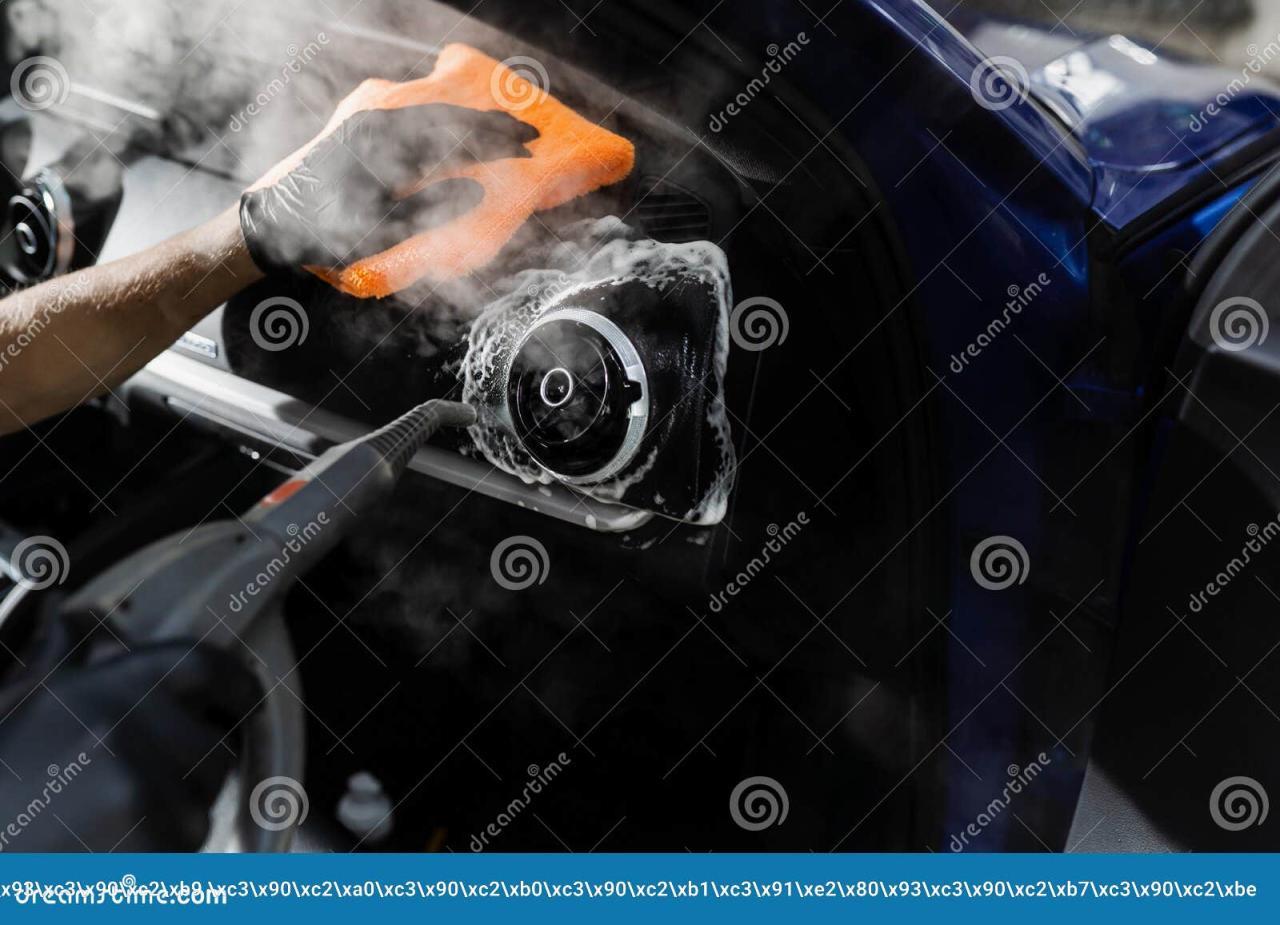
Now that you understand the principles of steam cleaning and have your equipment ready, let’s dive into the practical application. This section will guide you through the detailed process of steam cleaning various interior surfaces of your car, ensuring a thorough and safe clean for each material.
Fabric Seat Steam Cleaning
Fabric seats are notorious for trapping dirt, dust, and allergens. Steam cleaning is an effective method to lift these contaminants and sanitize the fabric. For optimal results, it’s recommended to pre-treat heavily soiled areas.Here’s a step-by-step guide for cleaning fabric seats:
- Vacuum Thoroughly: Before applying any steam, perform a deep vacuum of the seats to remove loose debris, crumbs, and surface dirt. Use appropriate attachments to get into crevices and seams.
- Pre-treat Stains: For stubborn stains, apply a fabric-safe stain remover. Follow the product’s instructions for dwell time, and then gently agitate the area with a soft brush. This step helps to break down the stain before steam cleaning.
- Prepare the Steam Cleaner: Fill the steam cleaner with distilled or demineralized water as per the manufacturer’s instructions. Allow it to heat up fully.
- Test in an Inconspicuous Area: Before steaming the entire seat, test a small, hidden section of the fabric to ensure it doesn’t cause discoloration or damage.
- Steam Cleaning Technique: Hold the steam nozzle about 1-2 inches away from the fabric surface. Move in slow, overlapping strokes, allowing the steam to penetrate the fibers. Avoid saturating the fabric; the goal is to loosen dirt, not to soak the seat.
- Wipe and Extract: Immediately after steaming a section, use a clean, dry microfiber cloth to wipe the area. This helps to lift the loosened dirt and moisture. For deeper cleaning, you can use an upholstery extraction tool in conjunction with the steam cleaner, but be cautious not to over-wet.
- Allow to Dry: Ensure good ventilation in the car to allow the seats to dry completely. This may take several hours.
Leather Seat Steam Cleaning
Leather requires a more delicate approach to prevent damage. The high heat of steam can dry out or crack leather if not used correctly. The key is to use a lower heat setting and keep the nozzle moving.The recommended technique for steam cleaning leather seats is as follows:
- Clean First: Begin by vacuuming the leather seats to remove any loose particles.
- Prepare the Steam Cleaner: Use a steam cleaner with adjustable temperature settings. Opt for a lower to medium heat setting. Ensure you are using distilled water.
- Use a Brush Attachment: Attach a soft brush or a specialized leather steam cleaning tool to your steam cleaner. This helps to gently agitate the surface without direct contact.
- Test Area: As with fabric, test on a small, inconspicuous area first.
- Steam and Wipe: Hold the steam nozzle a few inches away from the leather. Work in small sections, applying steam for only a few seconds at a time. Immediately follow with a clean microfiber cloth to wipe away moisture and loosened grime.
- Avoid Direct, Prolonged Heat: Never hold the steam nozzle in one spot for an extended period, as this can damage the leather’s finish.
- Condition Leather: After the seats have dried, apply a high-quality leather conditioner to restore moisture and protect the material.
Carpet and Floor Mat Steam Cleaning
Car carpets and floor mats accumulate a significant amount of dirt, mud, and spills. Steam cleaning effectively sanitizes and lifts these deeply embedded contaminants.Here’s how to effectively steam clean carpets and floor mats:
- Remove Floor Mats: Take out all floor mats for easier access and more thorough cleaning.
- Vacuum Extensively: Vacuum both the floor mats and the car carpet thoroughly to remove all loose dirt and debris.
- Pre-treat Stains: Address any visible stains on the carpet or mats with an appropriate carpet cleaner.
- Steam the Surface: Using the steam cleaner with a suitable attachment (like a floor tool or upholstery tool), begin steaming the carpet and mats. Work in small, overlapping sections, moving the tool slowly across the surface.
- Agitate if Necessary: For heavily soiled areas, you may need to use a soft-bristled brush to gently agitate the fibers while steaming.
- Wipe and Dry: Use a clean microfiber cloth to wipe down the steamed areas. For carpets, ensure good ventilation to promote drying. You can also use a wet/dry vacuum to extract excess moisture from the carpet after steaming.
- Allow to Dry Completely: It is crucial to let the carpets and floor mats dry completely before re-installing them to prevent mold and mildew growth.
Hard Surface Steam Cleaning
Hard surfaces like the dashboard, door panels, and center console can accumulate dust, fingerprints, and grime. Steam is excellent for sanitizing these areas without the need for harsh chemicals.The method for steam cleaning hard surfaces is as follows:
- Dust Removal: Begin by dusting the surfaces to remove loose particles.
- Prepare Steam Cleaner: Use a steam cleaner with a detail nozzle or a small brush attachment.
- Steam and Wipe: Apply steam in short bursts to a small section of the surface. Immediately wipe the area with a clean microfiber cloth. The steam will loosen the grime, and the cloth will lift it away.
- Avoid Electronics: Be extremely cautious around electronic components, vents, and speaker grilles. Directing steam into these areas can cause damage. Keep the nozzle at a safe distance and use controlled bursts.
- Clean Crevices: The detail nozzle is ideal for cleaning tight spaces, air vents, and around buttons and controls.
- Follow with Protectant (Optional): After cleaning and drying, you may choose to apply a plastic or vinyl protectant to restore shine and offer UV protection.
Targeted Stain Removal with Steam
Different types of stains may require specific approaches when using steam. The principle is to loosen the stain with steam and then lift it with a cleaning solution or absorbent material.Here are procedures for tackling specific stain types:
- Grease and Oil Stains: For these, it’s beneficial to apply a degreasing agent to the stain first. Let it sit for a few minutes, then use the steam cleaner to loosen the emulsified grease. Blot immediately with a clean cloth. Repeat if necessary.
- Beverage Spills (Coffee, Soda): These can often be lifted with steam alone after initial blotting. If a residue remains, a mild upholstery cleaner can be applied before steaming, followed by blotting.
- Mud Stains: Allow mud to dry completely before attempting to clean. Vacuum up as much of the dried mud as possible. Then, use steam to loosen the remaining particles, and wipe with a cloth.
- Ink Stains: Ink can be challenging. For fresh ink, try blotting with an absorbent material. For dried ink, a specialized ink remover may be needed before carefully steaming the area. Always test removers in an inconspicuous spot first.
- Pet Stains: These often require an enzymatic cleaner to break down organic matter and neutralize odors. Apply the enzymatic cleaner, allow it to work, and then use steam to lift any remaining residue. Ensure the area dries thoroughly to prevent recurring odors.
When dealing with tough stains, patience and a multi-step approach are key. Steam loosens, but often an appropriate cleaner is needed to break down the stain’s composition before steam can effectively lift it.
Advanced Techniques and Problem Areas
Once you’ve mastered the basics of steam cleaning your car’s interior, you can explore more advanced techniques to tackle specific challenges and elevate your cleaning routine. This section will guide you through optimizing attachment usage, reaching those awkward spots, eliminating stubborn odors, comparing steam cleaning with other methods, and establishing a regular maintenance schedule.
Optimizing Steam Cleaner Attachment Usage
Different components of your car’s interior require specific approaches to achieve the best results. Understanding how to best utilize the various attachments that come with your steam cleaner will significantly enhance the effectiveness and efficiency of your cleaning process.Here are best practices for using common attachments:
- Nozzle Attachment: Ideal for directing a concentrated steam jet into tight seams, around buttons, and into small crevices. Use a sweeping motion to loosen dirt and grime.
- Brush Attachments (Nylon/Brass):
- Nylon brushes are excellent for general fabric surfaces like seats and carpets. They provide gentle agitation to lift dirt without damaging fibers.
- Brass brushes are more robust and suitable for heavily soiled areas on durable materials like rubber floor mats or stubborn stains on carpets. Exercise caution to avoid scratching delicate surfaces.
- Flat Scraper/Squeegee Attachment: Perfect for cleaning glass surfaces, mirrors, and smooth plastic panels. It helps to lift and remove loosened dirt and water residue for a streak-free finish.
- Extension Wand: Crucial for reaching areas that are difficult to access directly, such as the underside of seats, the dashboard behind the steering wheel, or the floor well.
Cleaning Difficult-to-Reach Areas
The intricate design of car interiors often presents challenges in cleaning areas that are not easily accessible. Steam cleaning, with its ability to penetrate and loosen grime, is particularly effective for these spots when combined with the right tools and techniques.Methods for cleaning challenging areas include:
- Vents: Use the nozzle attachment or a small brush attachment with a thin profile. Insert the attachment gently into the vent slats and move it back and forth to dislodge dust and debris. Follow up with a microfiber cloth to wipe away loosened particles.
- Crevices and Seams: The concentrated steam from a nozzle attachment is your best friend here. Work methodically along seams and into crevices, allowing the steam to loosen dirt before wiping with a clean microfiber cloth. For very narrow gaps, a bent nozzle or a specialized crevice tool can be invaluable.
- Around Buttons and Controls: A small nozzle attachment or a brush attachment can be carefully maneuvered around delicate buttons and electronic controls. Apply steam in short bursts and immediately wipe with a clean cloth to prevent moisture buildup.
- Under Seats and Pedals: Utilize an extension wand to direct steam to these often-neglected areas. The steam will help to loosen accumulated dirt, mud, and grime, making it easier to wipe away.
Addressing Persistent Odors with Steam Cleaning
Odors in a car interior can stem from various sources, including food spills, pet accidents, smoke, or mildew. Steam cleaning is highly effective at neutralizing these odors because it sanitizes surfaces and kills odor-causing bacteria at their source, rather than just masking them.The process for odor elimination involves:
- Thoroughly steam clean all affected surfaces, paying special attention to fabric upholstery, carpets, and headliners where odors tend to linger.
- For deeply embedded odors, consider a second pass with the steam cleaner, allowing the steam to penetrate the fibers more deeply.
- After steaming, ensure the interior is well-ventilated to allow any residual moisture to evaporate completely.
- In cases of persistent smoke or mildew odors, a specialized steam cleaner additive designed for odor elimination can be used, following the manufacturer’s instructions.
Steam cleaning doesn’t just clean; it sanitizes, which is key to eliminating the root cause of many persistent odors.
Steam Cleaning Versus Other Interior Cleaning Methods
While steam cleaning offers significant advantages, understanding its place alongside other interior cleaning methods is crucial for optimal results. Each method has its strengths for specific issues.Here’s a comparison for common interior cleaning challenges:
| Issue | Steam Cleaning Effectiveness | Other Methods & Their Suitability |
|---|---|---|
| General Grime and Dirt | Excellent. Lifts and loosens dirt effectively from most surfaces. | Vacuuming (removes loose debris), Wipes (for quick spot cleaning), All-purpose cleaners (can be effective but may leave residue). |
| Stubborn Stains (e.g., coffee, ink) | Good to Excellent. Steam can break down many stain molecules, often requiring pre-treatment or blotting. | Specialized stain removers (highly effective but can be harsh), Enzyme cleaners (for organic stains). |
| Sanitization and Disinfection | Excellent. High temperatures kill bacteria, viruses, and mold spores. | Chemical disinfectants (effective but can have fumes and leave residue), UV sanitizers (less common for DIY). |
| Leather Surfaces | Good, with caution. Steam can clean and sanitize, but excessive moisture can damage leather. Use low steam settings and wipe immediately. | Leather cleaners and conditioners (specifically formulated for leather, gentler). |
| Electronics and Dashboard Controls | Use with extreme caution. Minimal steam and immediate wiping are essential to avoid electrical damage. | Microfiber cloths, specialized electronic wipes, compressed air. |
Routine for Maintaining Car Interior Cleanliness with Steam Cleaning
Establishing a regular steam cleaning routine ensures your car’s interior remains hygienic and aesthetically pleasing. This proactive approach prevents the buildup of dirt and grime, making each cleaning session more efficient.A recommended maintenance schedule:
- Weekly: A quick vacuum and wipe-down of high-touch surfaces with a damp microfiber cloth.
- Monthly: A more thorough steam cleaning of seats, carpets, and floor mats. Focus on areas that see the most foot traffic and use.
- Quarterly: Deep clean all interior surfaces, including hard-to-reach areas, vents, and the headliner. Address any minor stains or odors that may have appeared.
- As Needed: Address spills and accidents immediately with spot cleaning and, if necessary, steam. This prevents stains from setting and odors from becoming ingrained.
By integrating steam cleaning into your regular car care regimen, you can maintain a consistently fresh, clean, and hygienic vehicle interior with less effort over time.
Post-Cleaning Care and Maintenance
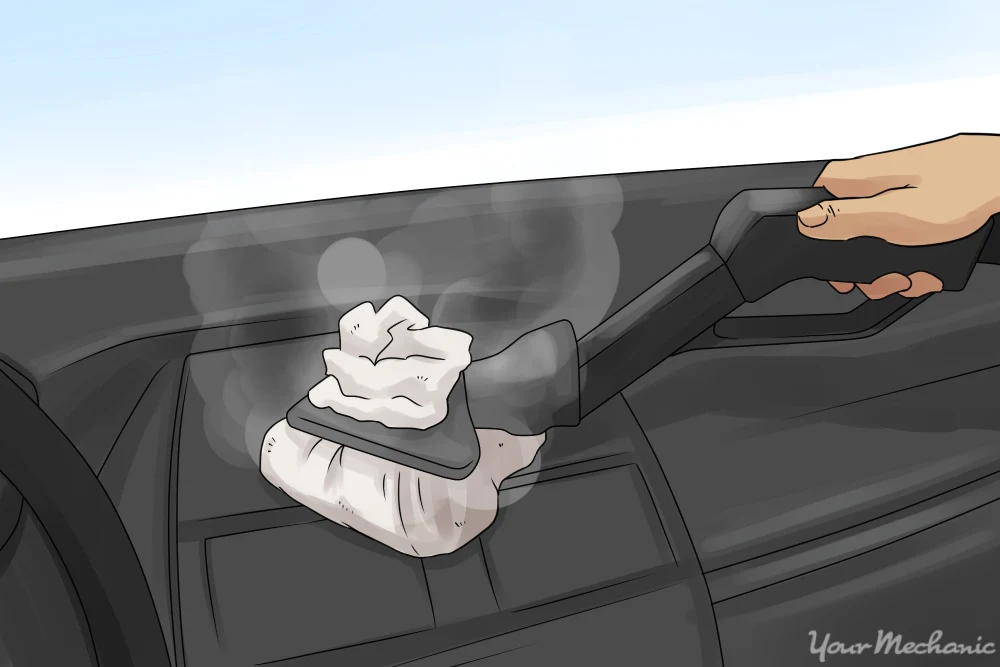
Once your car’s interior has been thoroughly steam cleaned, proper post-cleaning care is crucial to ensure optimal results and long-lasting freshness. This phase involves ensuring all surfaces are completely dry, removing any residual debris, and implementing strategies to keep your interior looking its best. Adhering to these steps will significantly enhance the effectiveness of your cleaning efforts and protect your investment.The drying process is a critical step after steam cleaning, as excess moisture can lead to mildew, unpleasant odors, and potential damage to fabrics.
Allowing surfaces to air dry naturally is often sufficient, but certain techniques can accelerate this process and ensure a comfortable environment for your car’s interior.
Fabric and Surface Drying Procedures
Proper drying is essential to prevent moisture-related issues. Exposing the interior to fresh air circulation and sunlight, where possible, will aid in evaporation.
- Ventilation: Open all car doors and windows to allow for maximum air circulation. If weather permits, park the car in a sunny spot to harness the drying power of the sun.
- Fan Assistance: For quicker drying, especially in humid conditions or if you need to use the car soon, consider using portable fans directed at damp areas.
- Absorbent Materials: While not typically needed after steam cleaning if done correctly, in very damp conditions, you can place dry microfiber towels on heavily saturated areas to absorb excess moisture.
- Surface Check: Periodically feel the fabrics and surfaces to gauge their dryness. Upholstery, carpets, and floor mats are the primary areas to monitor.
Vacuuming after steam cleaning is a vital step to remove any loosened dirt, grime, or particulate matter that the steam has brought to the surface. This ensures a truly clean finish and prevents re-soiling.
Post-Steam Cleaning Vacuuming
Vacuuming effectively removes any residue or debris that has been agitated by the steam. This step ensures that the surfaces are not only clean but also free of loose particles.
- Tool Selection: Use a vacuum cleaner with appropriate attachments, such as a crevice tool for tight spots and a brush attachment for upholstery and carpets.
- Thorough Coverage: Systematically vacuum all areas of the car interior, including seats, floor mats, carpets, under the seats, and in door pockets.
- Directional Vacuuming: For carpets and upholstery, vacuum in multiple directions to lift embedded debris and ensure a comprehensive clean.
- Emptying the Vacuum: Ensure your vacuum cleaner bag or canister is not full before starting, as this can reduce suction power.
After the initial cleaning and vacuuming, a thorough inspection is necessary to confirm that all areas have been addressed and to identify any spots that might require additional attention. This ensures a professional and complete result.
Inspection for Missed Spots
A meticulous inspection guarantees that no area has been overlooked and that the steam cleaning has been uniformly effective.
- Visual Sweep: Conduct a comprehensive visual inspection of all surfaces, paying close attention to seams, corners, and high-traffic areas.
- Tactile Check: Run your hands over fabrics and surfaces to feel for any remaining dampness or rough textures that might indicate missed spots.
- Lighting: Use a bright flashlight or your phone’s light to illuminate darker areas and highlight any remaining dirt or stains.
- Focus on Problem Areas: Revisit areas that were particularly stained or soiled during the initial cleaning phase.
Protecting your freshly cleaned interior surfaces is key to maintaining their pristine condition and extending their lifespan. Implementing protective measures ensures that your hard work pays off.
Surface Protection and Longevity Tips
Applying protective treatments not only preserves the appearance of your car’s interior but also makes future cleaning easier.
- Fabric Protectants: For fabric seats and carpets, consider applying a fabric protectant spray. These products create a barrier that repels spills and stains, making them easier to clean in the future. Look for products specifically designed for automotive interiors.
- Leather Conditioners: If your car has leather upholstery, apply a quality leather conditioner after steam cleaning. This replenishes essential oils, preventing the leather from drying out, cracking, and fading.
- Plastic and Vinyl Treatments: Use an interior protectant spray or dressing for plastic and vinyl surfaces. These products offer UV protection, preventing fading and cracking from sun exposure, and leave a clean, non-greasy finish.
- Regular Wiping: Keep a microfiber cloth in your car for quick wipe-downs of frequently touched surfaces like the dashboard, steering wheel, and door handles to prevent the build-up of dust and grime.
To ensure a comprehensive and effective post-steam cleaning process, following a structured checklist is highly recommended. This checklist serves as a guide to guarantee that no crucial step is missed.
Post-Steam Cleaning Action Checklist
This checklist provides a clear sequence of actions to follow after steam cleaning your car’s interior, ensuring a complete and satisfactory outcome.
| Action | Description | Status (Check when complete) |
|---|---|---|
| Drying Facilitation | Ensure adequate ventilation and air circulation for all cleaned surfaces. | |
| Surface Moisture Check | Confirm that all fabrics, carpets, and surfaces are dry to the touch. | |
| Thorough Vacuuming | Vacuum all interior areas to remove loosened debris and particles. | |
| Detailed Inspection | Visually and tactilely inspect all surfaces for any missed spots or remaining dirt. | |
| Spot Treatment (if needed) | Address any identified missed spots with a targeted steam cleaning or spot treatment. | |
| Apply Protectants | Apply fabric, leather, or plastic protectants as appropriate for your interior materials. | |
| Final Wipe Down | Perform a final light wipe down of hard surfaces with a clean microfiber cloth. |
Ultimate Conclusion
By mastering these techniques, you’ll not only achieve a spotlessly clean car interior but also learn how to maintain that fresh, revitalized feel. From advanced methods for difficult areas and persistent odors to comparing steam cleaning with other methods, this guide equips you with the knowledge for a superior clean. Following the post-cleaning care and maintenance tips will ensure your efforts endure, leaving your car’s interior looking and smelling its best for longer.
Embrace the power of steam and transform your driving experience.