How to Use a Waterless Car Wash Spray Effectively unveils the secrets to achieving a pristine vehicle without a single drop of water. This guide delves into the innovative science behind these sprays, exploring their essential components and the remarkable benefits they offer over traditional washing methods. We will also identify the ideal surfaces for this efficient cleaning solution, setting the stage for a superior car care experience.
Discover the essential supplies needed, from the perfect microfiber towels to the importance of adequate lighting, ensuring your workspace is primed for a flawless finish. We’ll also guide you in selecting the right product tailored to your vehicle’s specific condition, preparing you for a smooth and effective cleaning process.
Understanding Waterless Car Wash Sprays
Waterless car wash sprays represent an innovative approach to vehicle cleaning, offering a convenient and environmentally conscious alternative to traditional washing methods. These advanced formulations are designed to encapsulate dirt and grime, lifting it from the surface without the need for copious amounts of water. This allows for a thorough clean in a fraction of the time and with significantly less resource consumption.The effectiveness of waterless car wash sprays lies in their sophisticated chemical composition.
They are engineered to provide lubrication, preventing scratches and swirls that can occur when dirt is dragged across the paintwork. This scientific approach ensures a safe and efficient cleaning process, making it accessible for a wide range of users.
Fundamental Principles of Operation
Waterless car wash sprays function through a combination of advanced surfactants, polymers, and lubricants. When sprayed onto a soiled surface, these components work synergistically to surround and lift dirt particles away from the paint. The surfactants break down surface tension, allowing the cleaning agents to penetrate and emulsify the grime. Simultaneously, the polymers create a protective barrier, and the lubricants provide a slick surface, enabling the dirt to be safely wiped away with a microfiber towel without scratching the finish.
Primary Components and Their Functions
The efficacy of waterless car wash sprays is attributed to several key ingredients:
- Surfactants: These are the workhorses of the formula, responsible for reducing the surface tension of water and allowing the spray to spread evenly. They also emulsify oils and lift particulate matter, breaking down dirt and grime so it can be easily removed.
- Lubricants: Crucial for preventing scratches, lubricants create a slippery barrier between the dirt particles and the vehicle’s surface. This allows the dirt to glide off smoothly during the wiping process. Common lubricants include silicone derivatives or natural waxes.
- Polymers: Many waterless wash formulas incorporate polymers that not only aid in lifting dirt but also leave behind a protective, often glossy, finish. These polymers can bond temporarily to the paint, offering a degree of protection against future contamination and UV rays.
- Cleaning Agents: These can include mild degreasers and emulsifiers that specifically target road film, bug splatter, and other common automotive contaminants.
Benefits Compared to Traditional Washing
The advantages of employing waterless car wash sprays over conventional methods are numerous and significant. They offer a more sustainable and practical solution for maintaining a vehicle’s appearance.
- Water Conservation: The most apparent benefit is the drastic reduction in water usage. Traditional car washes can consume dozens of gallons of water, whereas a waterless wash typically requires only a few microfiber towels and a single bottle of spray. This is particularly advantageous in drought-prone areas or for individuals seeking to minimize their environmental footprint.
- Time Efficiency: Completing a waterless wash is considerably faster than a multi-step traditional wash. There is no need to set up hoses, buckets, or drying equipment, making it an ideal option for quick touch-ups or for those with limited time.
- Convenience: Waterless sprays can be used virtually anywhere – in a garage, a parking lot, or even on the street. This eliminates the need to travel to a car wash or have access to a dedicated washing bay.
- Scratch Prevention Technology: When used correctly with high-quality microfiber towels, modern waterless wash formulas are designed to be as safe, if not safer, than traditional washing for preventing scratches and swirl marks. The lubricating agents are key to this protection.
- Added Protection and Shine: Many waterless wash products contain waxes or polymers that leave behind a protective layer and enhance the vehicle’s shine, offering a “just-waxed” look after each wash.
Suitable Surfaces for Waterless Car Wash Sprays
Waterless car wash sprays are primarily designed for use on painted automotive surfaces. However, their versatility extends to other areas of a vehicle that are typically finished with paint or clear coats.
- Painted Body Panels: This includes doors, fenders, hoods, roofs, and trunk lids. The spray is formulated to safely lift dust, pollen, light mud, and road film from these surfaces.
- Glass Surfaces: Many waterless wash formulas are also safe and effective for cleaning windows and mirrors, providing a streak-free finish.
- Plastic Trim and Bumpers: Unpainted or painted plastic components can generally be cleaned with these sprays, helping to restore their appearance and remove light dirt.
- Chrome and Polished Metal Accents: These sprays can often be used on chrome wheels, exhaust tips, and other polished metal parts to remove dust and light grime.
It is important to note that waterless car wash sprays are best suited for vehicles with light to moderate soiling. For heavily caked-on mud, tar, or excessive grit, a traditional wash or a rinseless wash method might be more appropriate to avoid potential scratching. Always refer to the product manufacturer’s instructions for specific application guidelines and surface compatibility.
Essential Supplies and Preparation
Before embarking on a waterless car wash, gathering the right tools and preparing your workspace are crucial steps that significantly impact the effectiveness and safety of the process. This preparation ensures you have everything you need to achieve a spotless, swirl-free finish while protecting your vehicle’s paintwork.A clean and well-lit environment is paramount for a successful waterless car wash. It allows you to meticulously inspect the vehicle’s surface, identify dirt and grime, and ensure you are not introducing new contaminants during the cleaning process.
Proper preparation minimizes the risk of scratching and maximizes the aesthetic outcome.
Microfiber Towels: The Cornerstone of Waterless Washing
The quality and quantity of microfiber towels are perhaps the most critical elements in a waterless car wash. These specialized cloths are designed to trap dirt particles effectively, lift them away from the paint surface, and prevent them from being dragged across, which can cause scratches. Using the correct type of microfiber towel ensures optimal cleaning and protection.When selecting microfiber towels for waterless washing, consider the following characteristics:
- High Pile and Plushness: Opt for towels with a deep, plush pile. This allows dirt to be lifted and suspended within the fibers, away from the paint surface. A higher GSM (Grams per Square Meter) generally indicates a denser and more absorbent towel, typically ranging from 400 to 600 GSM for effective waterless washing.
- Edgeless or Silk-Edged Design: Edges can be abrasive and a common cause of scratches. Look for towels that are either edgeless or feature a soft, silk-stitched edge to minimize any risk of marring the paint.
- Dedicated Towel Types: It’s beneficial to have different towels for different stages of the wash. For instance, use one set of towels for the initial wipe-down to lift the bulk of the dirt, and a separate, clean set for the final buffing to achieve a high gloss.
- Sufficient Quantity: Always have more towels than you think you’ll need. A good rule of thumb is to have at least 10-15 high-quality microfiber towels for a standard-sized vehicle. This ensures you can use a fresh towel for each section of the car and for each pass.
Workspace Preparation for Optimal Results
Preparing your workspace is as important as selecting the right tools. A clean and organized environment prevents accidental contamination and ensures you can work efficiently and effectively.The process of preparing your workspace involves several key considerations:
- Location: Ideally, perform a waterless car wash in a shaded area. Direct sunlight can cause the waterless wash spray to dry too quickly on the surface, leaving streaks and making it harder to lift dirt. A garage or a covered carport is perfect.
- Clear Surrounding Area: Ensure the area around the car is free of debris, such as loose gravel, sand, or dirt. These can easily be kicked up and potentially scratch the paint during the washing process.
- Tool Organization: Lay out all your microfiber towels, the waterless car wash spray, and any other accessories in an organized manner. This prevents you from having to search for items while your hands are dirty or while you are in the middle of a step.
The Importance of Proper Lighting
Adequate lighting is essential for a waterless car wash, especially when aiming for a streak-free finish. Good lighting allows you to see the dirt and grime on the surface clearly, as well as to identify any imperfections or missed spots.The role of proper lighting can be understood as follows:
- Dirt Detection: In low light, it’s easy to miss areas with embedded dirt or grime. Bright, even lighting helps you identify these areas, ensuring that each section is adequately sprayed and wiped.
- Streak Identification: After buffing, proper lighting is crucial for spotting any remaining streaks or haziness left by the product. This allows you to go back and buff those areas to a perfect shine.
- Surface Inspection: Good lighting aids in inspecting the paint for any potential scratches or swirl marks that might be present, allowing you to be extra cautious during the washing process.
Selecting the Right Waterless Car Wash Product
The effectiveness of a waterless car wash heavily depends on the quality of the product used. Different products are formulated to tackle varying levels of dirt and grime, and choosing the right one for your vehicle’s condition is paramount to achieving a satisfactory result without damaging the paint.When selecting a waterless car wash product, consider the following factors based on your vehicle’s condition:
- Light Dust and Pollen: For vehicles that are only lightly dusted or have pollen accumulation, a basic waterless wash spray is usually sufficient. These products are designed to encapsulate light contaminants and provide a slick surface for easy wiping.
- Moderate Grime and Road Film: If your car has accumulated moderate road film, bug splatters, or bird droppings, you’ll need a waterless wash with stronger cleaning agents and lubricants. These formulations are better at breaking down tougher grime while still offering protection. Look for products that emphasize “cleaning power” and “lubricity.”
- Heavy Contamination (Use with Caution): For vehicles with significant dirt, mud, or heavy road tar, a pure waterless wash might not be the best option and could increase the risk of scratching. In such cases, a rinseless wash or a traditional wash is often recommended. However, if a waterless wash is your only option, choose a high-quality product with excellent lubricating properties and be prepared to use a generous amount of product and many towels, folding them frequently to expose a clean surface.
- Protection and Shine: Many waterless car wash sprays also contain polymers or waxes that add a layer of protection and enhance shine. If you’re looking for a product that not only cleans but also adds gloss and a degree of protection, look for those that advertise these benefits.
“The right waterless car wash product should lift dirt away from the surface, not push it around.”
Step-by-Step Application Technique
Applying waterless car wash spray effectively requires a methodical approach to ensure optimal cleaning and protection without causing damage. This section will guide you through the precise steps for a flawless finish.The key to a successful waterless wash lies in the technique of lifting dirt rather than pushing it around. This minimizes the risk of creating swirl marks or scratches on your vehicle’s paintwork.
By following these steps, you’ll achieve a showroom shine while conserving water.
Applying Spray to a Small Section
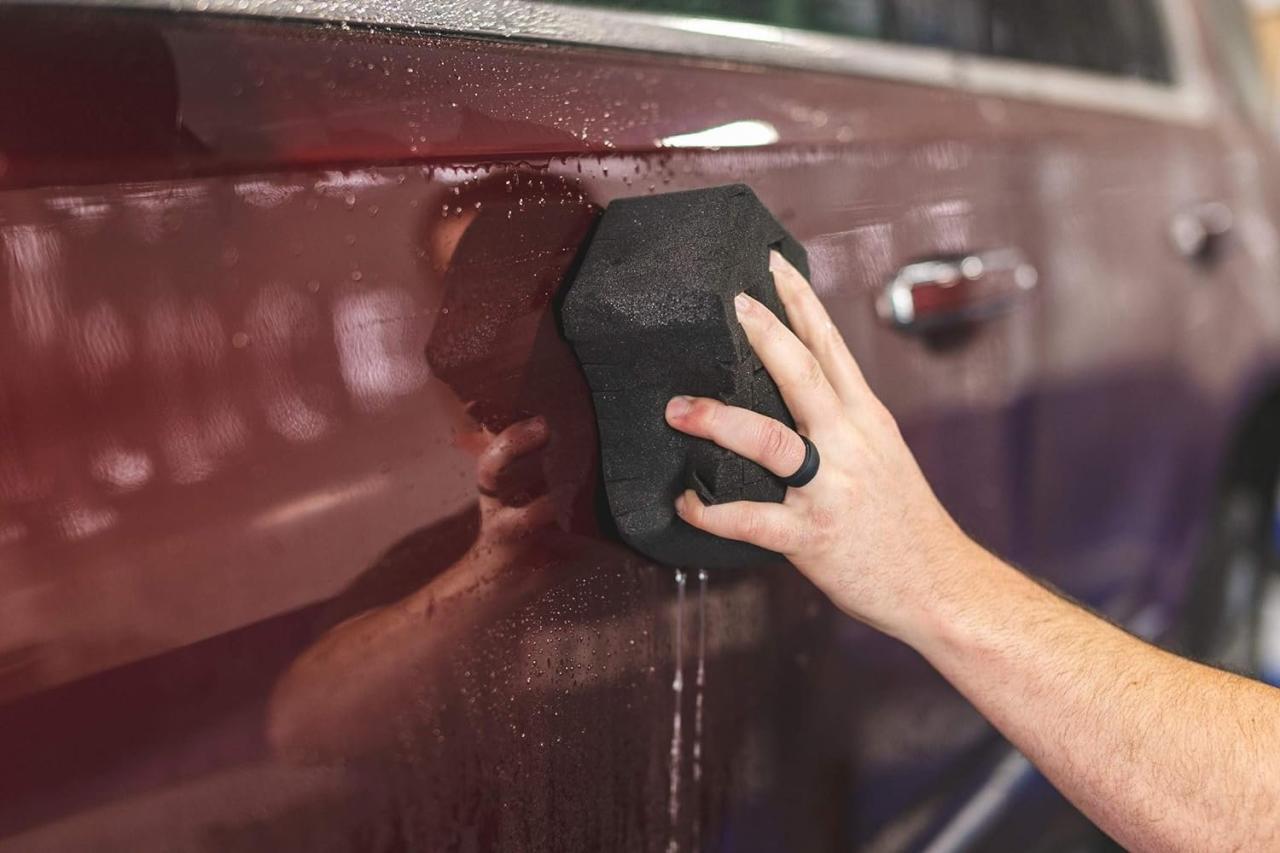
Begin by selecting a small, manageable section of the vehicle, such as a single door panel or a fender. This allows you to focus your efforts and ensure thoroughness. Generously mist the chosen area with the waterless car wash spray. The product is designed to encapsulate dirt particles, lifting them away from the surface.
Correct Wiping Technique
The wiping technique is paramount to prevent scratching. Use a clean, high-quality microfiber towel. Gently wipe in one direction, applying minimal pressure. Avoid circular motions, as these are more likely to induce swirls.
Folding Microfiber Towels for Clean Surfaces
Microfiber towels are essential for their absorbency and ability to trap dirt. For each wipe, fold your microfiber towel into quarters. This provides you with eight clean surfaces to work with. As a surface becomes soiled, refold the towel to expose a fresh, clean side. This practice is critical to avoid reintroducing dirt onto the paint.
Best Practices for Different Vehicle Areas
Different areas of your car require slightly varied approaches.
- Body Panels: For painted surfaces, follow the gentle one-direction wipe with a clean section of the towel. Work from top to bottom, as gravity will pull dirt downwards.
- Glass: Use a separate, dedicated glass microfiber towel. Spray lightly and wipe in a consistent pattern, perhaps horizontally on one side of the glass and vertically on the other, to easily identify streaks.
- Wheels: Wheels are often the dirtiest part. Use a separate, dedicated wheel microfiber towel, or even a wheel-specific wash mitt if heavily soiled. Spray generously and wipe in a methodical manner. For intricate wheel designs, a soft detailing brush can help agitate the spray in tight areas before wiping.
Sequence of Operations for Efficient Vehicle Cleaning
To tackle a whole vehicle efficiently, a systematic sequence is recommended. This approach ensures that you maintain a consistent workflow and avoid re-contaminating cleaned areas.
- Top to Bottom: Always start with the roof of the vehicle and work your way down. This way, any dirt or overspray from higher sections will not land on already cleaned lower sections.
- One Panel at a Time: Dedicate your attention to one panel or a distinct section of the car before moving to the next. For example, complete the entire roof, then move to the hood, then one side of the car, and so on.
- Windows and Glass: Clean all glass surfaces after the painted panels. This prevents any potential overspray from the panel cleaning from dirtying the glass.
- Wheels and Tires: Clean the wheels and tires last. They are typically the dirtiest parts of the vehicle, and cleaning them at the end prevents transferring brake dust and road grime to the freshly cleaned paintwork.
- Final Buff: Once the entire vehicle has been sprayed and wiped, use a final clean, dry microfiber towel to lightly buff the entire vehicle. This enhances the shine and removes any remaining product residue.
Dealing with Different Levels of Contamination
Waterless car wash sprays are incredibly versatile, but their effectiveness can vary depending on the level of dirt and grime your vehicle has accumulated. Understanding how to adapt your technique for different contamination levels is key to achieving a brilliant shine without scratching your paint. This section will guide you through managing everything from a light dusting to more significant grime.
Light Dust and Pollen Removal
For vehicles that have only accumulated a light layer of dust or pollen, a waterless car wash spray is an ideal solution. These sprays are designed to encapsulate microscopic dust particles, lifting them safely away from the paint surface. The process is quick, efficient, and leaves a protective layer that can even repel future dust.
The strategy for light dust and pollen involves:
- Using a generous amount of waterless wash spray.
- Employing a high-quality microfiber towel, folding it into quarters to ensure a clean surface for each wipe.
- Working in small sections, gently wiping in one direction to lift the dust.
- Flipping the towel to a clean side or using a fresh towel frequently to avoid spreading dirt.
Tackling Moderate Dirt and Grime
When your car has encountered moderate dirt, such as road spray, light mud splatter, or everyday grime, a waterless wash can still be effective, but requires a more careful approach to prevent scratching. The key is to use a product with superior lubrication and to employ a technique that maximizes the lifting action of the spray and microfiber towels.
To effectively clean moderate dirt and grime:
- Pre-rinse if possible, especially for lower panels, to remove loose debris before applying the waterless spray.
- Apply the waterless wash spray liberally to the entire section you are working on. Allow the product to dwell for a moment to break down the grime.
- Use a plush, high-GSM (grams per square meter) microfiber towel. These towels have a deeper pile that can trap dirt more effectively and provide better lubrication.
- Wipe gently in a straight-line motion, avoiding circular scrubbing, which can embed dirt particles.
- Fold your towel frequently to expose a clean surface. As soon as a towel section becomes visibly soiled, switch to a fresh towel. For moderate grime, you may need several towels per panel.
- Consider using a separate, softer microfiber towel for a final buffing pass to remove any remaining product residue and enhance gloss.
Limitations for Heavily Soiled Vehicles
Waterless car wash sprays are not designed for heavily soiled vehicles. Attempting to clean a car caked in thick mud, heavy road salt, or significant tar build-up with a waterless spray is highly likely to result in scratches and paint damage. The spray simply cannot encapsulate and lift away such a large volume of abrasive contaminants effectively.
“For heavily soiled vehicles, the risk of scratching significantly outweighs the convenience of a waterless wash. Prioritizing paint safety means recognizing when a different cleaning method is necessary.”
Transitioning to Rinse-less or Traditional Wash Methods
Identifying when a waterless wash is no longer suitable is crucial for maintaining your vehicle’s paintwork. If you can see thick layers of mud, caked-on road salt, or if the dirt is so embedded that it feels gritty even after spraying, it’s time to consider alternative methods.
The decision to transition is based on several factors:
- Visual Assessment: If the dirt is so thick that you cannot see the paint color clearly, a waterless wash is not appropriate.
- Tactile Feedback: Running your hand (gently!) over a dry, dusty surface might feel slightly gritty. If the surface feels very rough or abrasive after spraying, proceed with extreme caution or switch methods.
- Type of Contamination: Heavy mud, tar, bird droppings that have hardened, or excessive road salt are strong indicators that a waterless wash is insufficient.
When these conditions are met, it is recommended to transition to:
- Rinse-less Wash: This method uses a highly concentrated cleaning solution mixed with water in a bucket. Microfiber towels are soaked in the solution, used to gently wipe down sections of the car, and then immediately dried. It uses significantly less water than a traditional wash but offers more lubrication and dirt-lifting capacity than a waterless spray.
- Traditional Wash: For the most heavily soiled vehicles, a traditional two-bucket wash method with a hose or pressure washer to rinse away loose debris is the safest and most effective option. This ensures all abrasive particles are removed before any contact is made with the paint surface.
Achieving a Streak-Free Finish and Protection
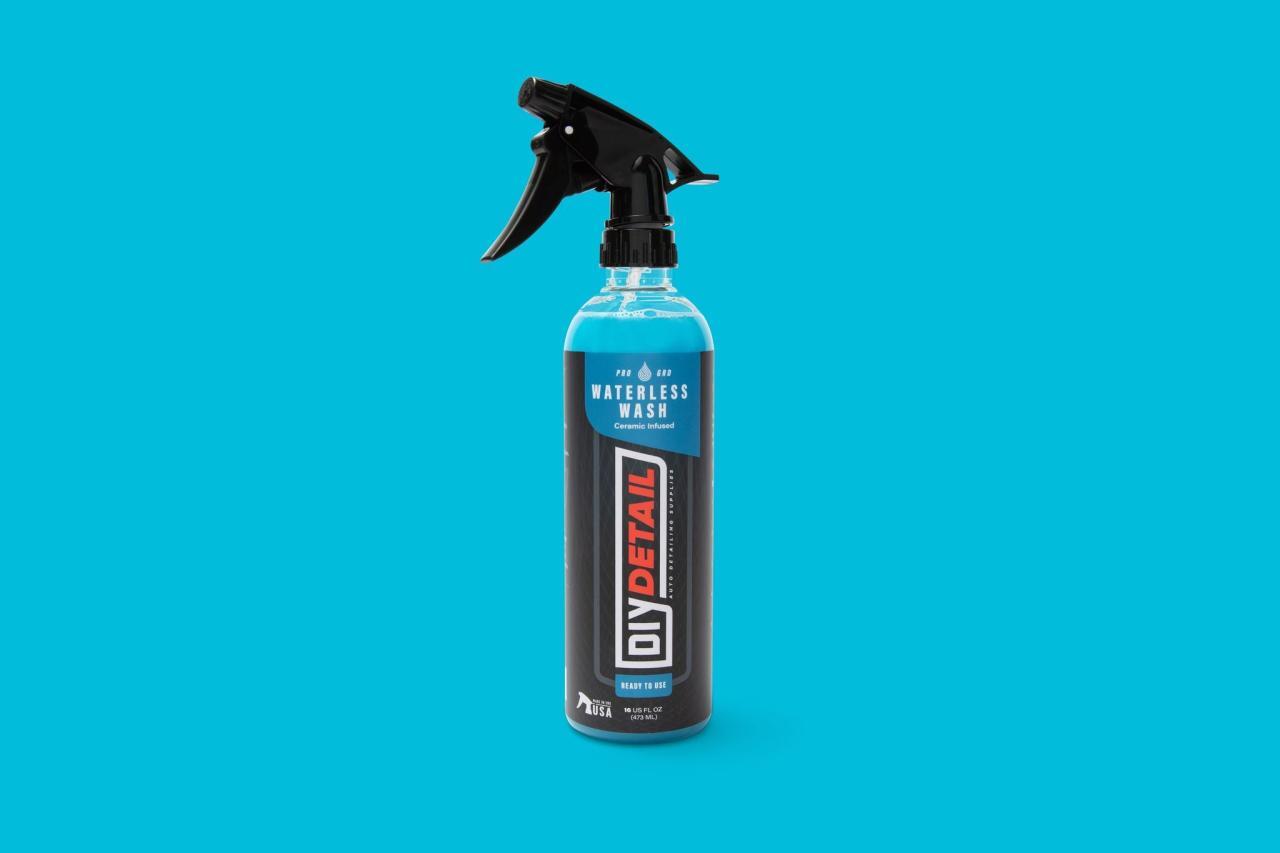
Successfully completing your waterless car wash involves more than just spraying and wiping. The final stages are crucial for achieving a showroom-quality shine and ensuring the protective benefits of your chosen product are fully realized. This section will guide you through the techniques to avoid common pitfalls, maximize gloss, and prepare your vehicle for its next adventure.
Common Mistakes Leading to Streaks and Prevention
Streaks on your car’s finish after a waterless wash can be frustrating, but they are almost always preventable. Understanding the causes allows for targeted solutions to ensure a flawless result every time. These streaks typically arise from improper technique, insufficient product, or using the wrong type of towel.
Causes of Streaks:
- Using a towel that is already saturated with dirt or product. This can redistribute grime, causing micro-scratches and visible streaks.
- Wiping in inconsistent patterns. A random or circular motion can leave uneven product distribution and dullness.
- Applying too much product. Excess waterless wash solution can pool and dry, leaving residue that turns into streaks.
- Using a low-quality or abrasive towel. These can snag on dirt particles, causing scratches and streaks.
- Working in direct sunlight or on a hot surface. The product can dry too quickly, leaving residue before it can be buffed off effectively.
Techniques for Buffing to a High Shine
The buffing stage is where the magic happens, transforming a clean surface into a dazzling, glossy finish. This process requires a gentle touch and the right microfiber towels to lift away any remaining product and reveal the paint’s true brilliance. The key is to work methodically and allow the towels to do the heavy lifting.
Buffing Process:
- Initial Buffing: After the initial wipe-down of each section, use a clean, dry microfiber towel to begin buffing. Employ a straight-line motion, moving from side to side or top to bottom, to gently lift the product and any loosened dirt.
- Second Buffing Stage: Once the initial buffing is complete for a panel, switch to a fresh, dry microfiber towel. This towel should be plush and have a high pile to maximize its ability to trap any microscopic residue and enhance gloss.
- Circular Buffing (Optional for Gloss): For an extra boost of shine, you can use a clean, dry towel to buff the surface in gentle, overlapping circular motions. This technique helps to create a uniform light refraction, contributing to a deeper gloss.
- Towel Management: Always have at least two to three high-quality microfiber towels per section you are working on. Fold your towels into quarters, using a fresh side for each pass. Once all sides of a folded towel are soiled, switch to a completely new one.
Enhancing Protective Qualities of Waterless Wash Products
Many waterless car wash sprays are formulated not just to clean but also to offer a degree of protection. This protection can range from UV inhibitors to mild waxes or synthetic sealants that add a sacrificial layer to your paintwork. Maximizing these benefits requires attention to detail during the application and buffing stages.
Maximizing Protection:
- Allow Product to Dwell (Briefly): For products with enhanced protection, a very brief dwell time (as recommended by the manufacturer) can allow the protective polymers to bond more effectively with the paint surface.
- Firm Buffing Pressure: When buffing with your final towel, apply slightly more consistent pressure. This helps to properly spread and “set” the protective agents within the product, creating a more durable and glossy layer.
- Layering (If Applicable): Some advanced waterless wash products can be layered for increased durability and shine. Consult the product’s instructions to see if this is a recommended practice and how to achieve it.
- Regular Application: The most effective way to maintain and enhance the protective qualities is through regular application of the waterless wash. Consistent use helps to build up and maintain the protective layer over time.
Post-Wash Checklist for Comprehensive Coverage
Before considering your waterless car wash complete, a quick review ensures no area has been overlooked and that your vehicle is ready to impress. This checklist helps to catch any missed spots and confirms the overall quality of your work.
Final Inspection Points:
- Panel Check: Visually inspect each panel of the car under good lighting conditions. Look for any remaining water spots, streaks, or missed areas.
- Edge and Crevice Review: Pay close attention to door jambs, around windows, and panel gaps. These areas can easily trap moisture or product residue.
- Glass and Trim Inspection: Ensure all glass surfaces are clear and free of streaks. Check that plastic and rubber trim have been cleaned and, if the product offers it, protected.
- Tire and Wheel Check: While not always part of the main waterless wash, a quick wipe-down of tires and wheels with dedicated towels can complete the aesthetic.
- Towel Inspection: Before storing your microfiber towels, inspect them for any remaining dirt or damage. Proper cleaning and storage of towels are essential for future use.
Advanced Tips and Considerations
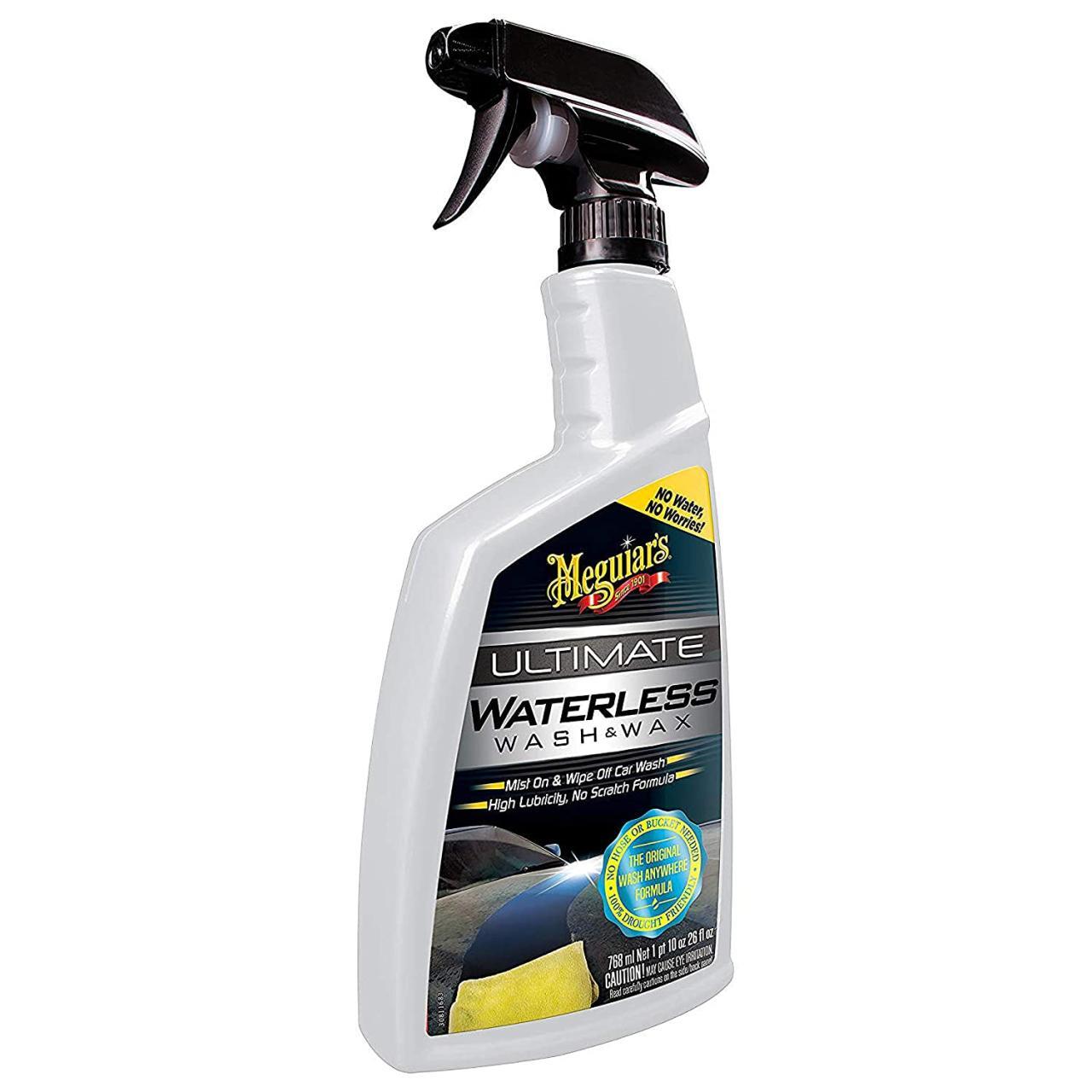
As you become more comfortable with waterless car wash sprays, exploring advanced techniques and considerations can elevate your detailing efforts. This section delves into adapting waterless washing for specialized finishes, optimizing its frequency, navigating different environmental conditions, and refining your application strategy for superior results.
Waterless Car Wash Sprays on Different Vehicle Finishes
Waterless car wash sprays are versatile, but understanding their application on specific finishes ensures the best outcome and protects your vehicle’s unique aesthetic.
- Matte Finishes: These finishes require a delicate approach. It’s crucial to use a waterless wash specifically formulated for matte paint, as conventional products can alter the sheen. Always use high-GSM (grams per square meter) microfiber towels and employ a gentle, one-direction wiping motion. Avoid excessive pressure or scrubbing. The goal is to lift dirt, not to rub it into the paint.
- Ceramic Coatings: Waterless washes are generally safe for vehicles protected by ceramic coatings, and can even help maintain their hydrophobic properties. Look for waterless wash formulas that are pH-neutral and free of harsh detergents or waxes that could degrade the coating. Applying the spray liberally and using clean, plush microfiber towels will prevent marring and ensure the coating’s longevity.
- Vinyl Wraps: Similar to matte finishes, vinyl wraps demand careful handling. Use a waterless wash designed for vinyl or a pH-neutral detailing spray. Employ a light touch and use multiple microfiber towels to avoid transferring dirt. It’s important to test the product on an inconspicuous area first to ensure it doesn’t affect the wrap’s adhesion or finish.
- Chrome and Trim: While many waterless washes are safe for chrome and plastic trim, some may leave streaks or dull the finish. It’s advisable to use a dedicated chrome polish or trim restorer after the waterless wash for these areas if a specific shine is desired. For general cleaning, ensure the waterless spray is compatible and wipe gently.
Frequency of Waterless Washes for Optimal Maintenance
The ideal frequency for waterless car washes depends on several factors, including your vehicle’s exposure to the elements, storage conditions, and personal preferences.
For a vehicle that is regularly driven and exposed to light dust and pollen, a waterless wash every 1-2 weeks is often sufficient to maintain a clean appearance. If your car is stored in a garage and only used for short trips, you might extend this to 3-4 weeks. However, it’s essential to remember that waterless washing is best suited for light to moderate dust and grime.
If your vehicle accumulates heavy mud, salt, or bird droppings, a traditional rinse wash is more appropriate to prevent scratching.
Using Waterless Sprays in Various Weather Conditions
Adapting your waterless washing technique to the weather ensures effectiveness and prevents potential issues.
- Warm and Sunny Conditions: In direct sunlight, the waterless wash product can dry too quickly, leading to streaks. It’s best to work in the shade or on a single panel at a time. Apply the spray and immediately wipe it off before it has a chance to evaporate. Keep a spray bottle of clean water handy to lightly mist an area if it starts to dry too fast.
- Cool and Overcast Conditions: These are ideal conditions for waterless washing. The product will remain wet on the surface longer, allowing for more working time and a reduced risk of streaking. You can typically work on larger sections of the vehicle without concern for rapid drying.
- Windy Conditions: Wind can carry airborne debris that may settle on your vehicle during the washing process. To mitigate this, use a waterless wash product that encapsulates dirt effectively. Work in a sheltered area if possible, and consider using more towels than usual to ensure you are always using a clean surface. Avoid washing if the wind is strong enough to blow dust and grit onto the wet surface.
- Cold Temperatures: Waterless wash products can be used in cooler temperatures, but avoid freezing conditions. Ensure the product is stored at room temperature before use. If the exterior surfaces of your car are below freezing, it’s best to wait for warmer weather or use a traditional wash method in a heated garage.
Comparison of Different Application Methods
The way you apply a waterless car wash spray can significantly impact the final result. Two common approaches are panel-by-panel and working from top to bottom.
The panel-by-panel method involves thoroughly cleaning one section of the vehicle (e.g., a door, a fender) before moving to the next. This approach allows for focused attention on each area, ensuring thoroughness and minimizing the risk of the product drying before it can be wiped away. It is particularly beneficial for vehicles with intricate designs or when dealing with slightly more contamination.
The top-to-bottom method, often borrowed from traditional washing techniques, involves starting with the roof and working your way down to the lower panels and wheels. This is logical as dirt and grime tend to flow downwards. When using a waterless wash, this method requires careful execution to avoid dragging dirt from the upper, cleaner sections onto the lower, potentially dirtier areas.
This method is efficient for lightly soiled vehicles where a quick refresh is the primary goal.
The choice between panel-by-panel and top-to-bottom application often comes down to the level of dirt on the vehicle and the desired level of meticulousness. For a deeper clean and to minimize any risk of marring, the panel-by-panel approach is generally recommended.
Visualizing the Process
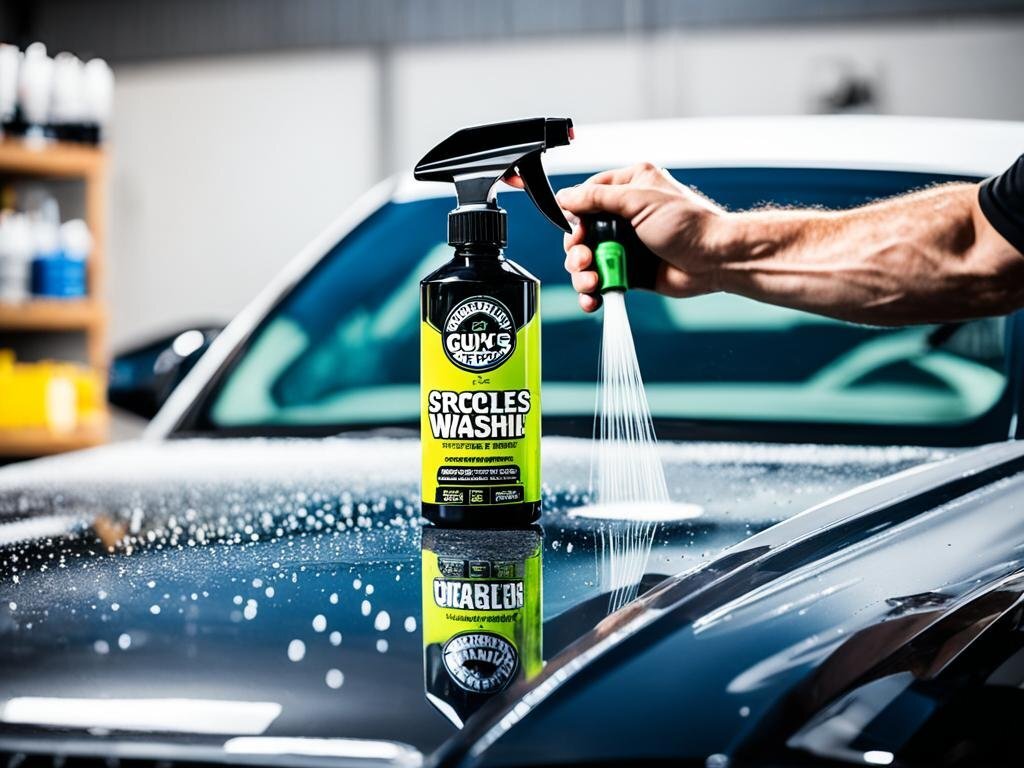
Understanding the visual cues of a waterless car wash is key to achieving optimal results. This section will guide you through what to look for at each stage, from the initial spray to the final gleaming finish, ensuring you can confidently assess your progress and identify areas for refinement.
Initial Spray Application and Towel Interaction
Imagine a sunny afternoon, and you’ve just sprayed a section of your car’s hood with the waterless wash. The mist settles evenly, creating a thin, even layer of product that begins to encapsulate the surface grime. As you gently bring a clean, plush microfiber towel to the panel, you’ll notice it glides smoothly. The towel immediately begins to absorb the lifted dirt and product, revealing a clean, slightly damp surface beneath.
The key visual here is theinstantaneous lifting* of dirt – you won’t see the dirt being pushed around or smeared. The microfiber towel should look visibly soiled after this initial pass, a testament to its effectiveness in trapping contaminants away from the paintwork.
Visual Cues of Effective Dirt Lifting
A successful wipe with the microfiber towel is characterized by a clean sweep. You’ll observe that the dirt and grime are no longer clinging to the paint; instead, they are visibly contained within the fibers of your towel. There should be no streaking or smearing of the dirt across the panel. Instead, the area wiped will appear uniformly clean, with the paint’s original color and sheen beginning to emerge.
A good indicator of proper technique is that the towel feels slightly heavier as it absorbs the dirt, and when you unfold it, the dirt is clearly on the surface of the microfiber, not embedded deep within.
Appearance of a Freshly Buffed Section
Once you’ve completed the initial wipe and then followed up with a second, dry microfiber towel for buffing, the transformation is striking. The paintwork will exhibit a noticeable increase in gloss and depth. You’ll see a rich, vibrant color emerge, and light will reflect off the surface with clarity. This freshly buffed section will appear smooth to the touch and visually distinct from any unbuffed areas.
The paint will look “wetter” and more luminous, with a noticeable pop in its color saturation.
The Final, Clean Vehicle’s Shine and Reflectivity
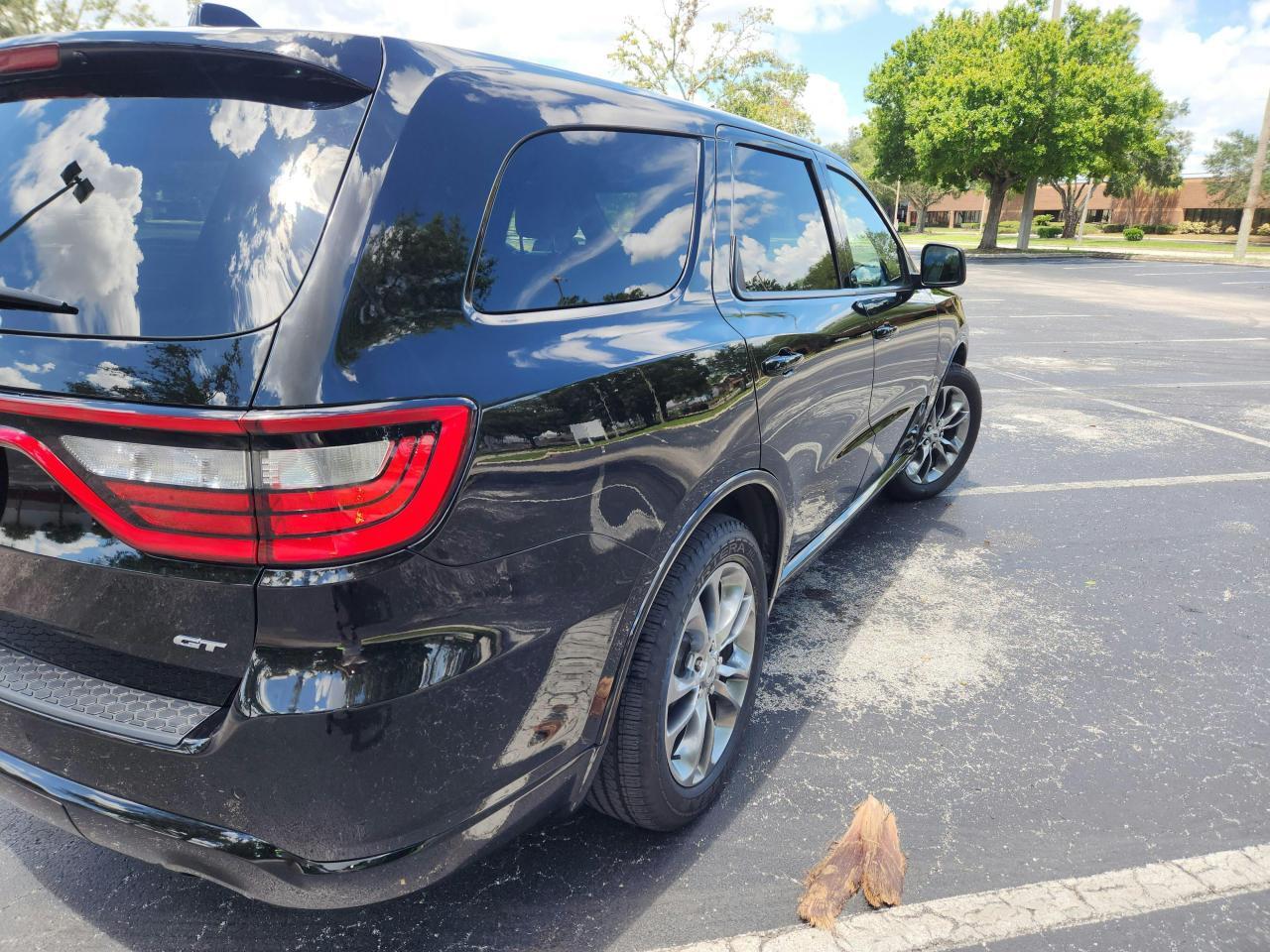
The culmination of the waterless car wash process is a vehicle that gleams with a showroom-quality finish. Every panel will possess a deep, uniform shine, reflecting the surrounding environment with remarkable clarity. You’ll be able to see a crisp, undistorted reflection of trees, clouds, or buildings on the car’s surface. The paint will appear slick and protected, with a depth that makes the color look richer and more vibrant than ever before.
The overall impression is one of meticulous care and a professional-grade clean, achieved without a single drop of water.
Ultimate Conclusion
By mastering the step-by-step application, understanding how to tackle various levels of contamination, and employing techniques for a streak-free shine, you can confidently maintain your vehicle’s immaculate appearance. This comprehensive approach, along with advanced tips for different finishes and conditions, ensures your car always looks its best, making waterless car washing an indispensable part of your detailing routine.