Maintaining the pristine appearance of your vehicle is a rewarding endeavor, and at its core lies the fundamental practice of washing it correctly. This guide is dedicated to the art of How to Wash a Car Without Scratching the Paint, ensuring that your car not only looks its best but also retains its value by preserving the integrity of its finish.
We will explore the essential principles and techniques that transform a routine car wash into a meticulous process designed to safeguard your car’s paintwork from the common culprits of damage.
Understanding the subtle nuances of car care can make a significant difference in the long-term health and aesthetic appeal of your automobile. From the selection of the right tools to the execution of specific washing and drying methods, each step plays a crucial role in preventing unsightly scratches and swirl marks. By delving into the science behind paint susceptibility and adopting best practices, you can confidently achieve a showroom shine every time you wash your car.
Understanding the Importance of Gentle Car Washing
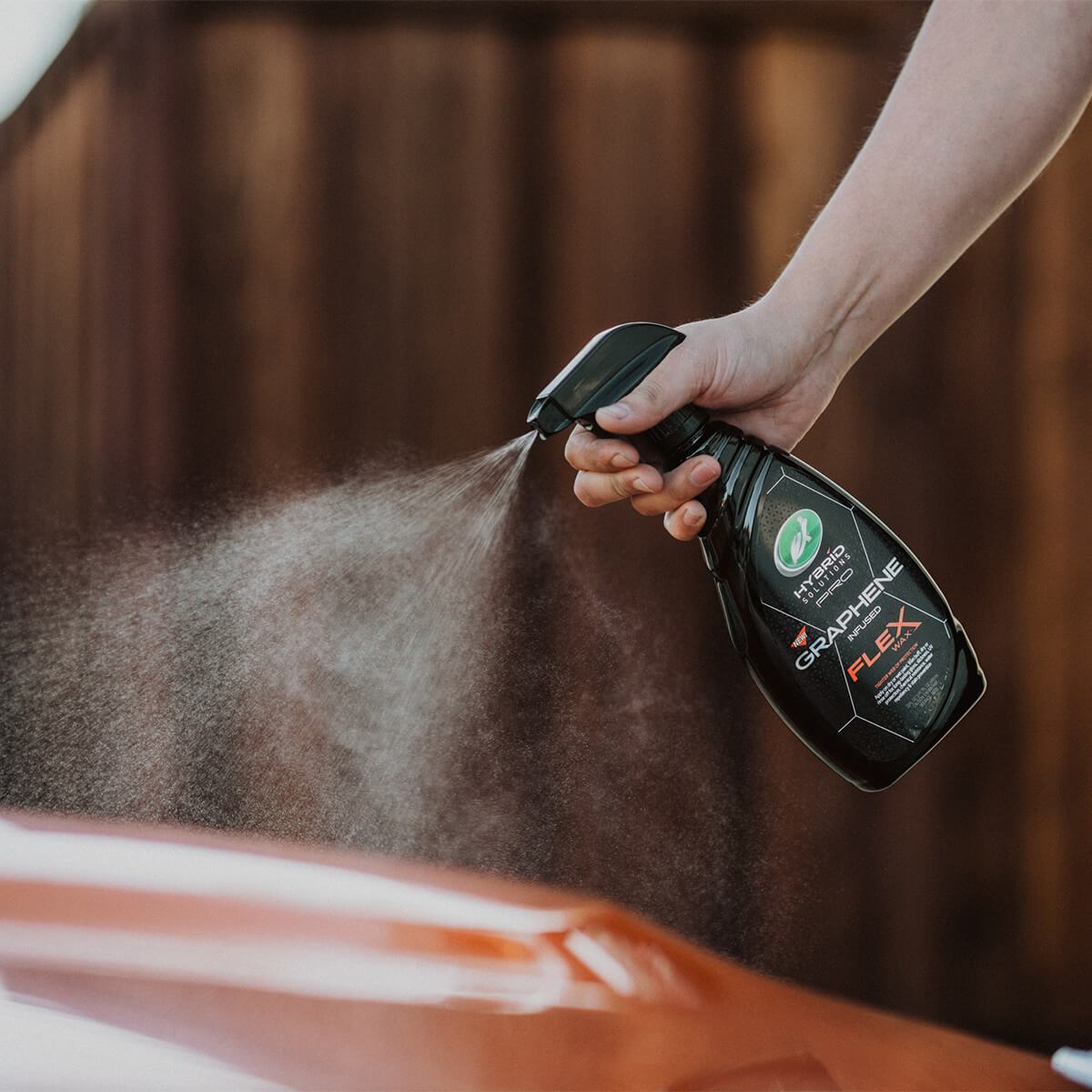
Maintaining the pristine appearance of your vehicle is more than just an aesthetic pursuit; it’s a crucial aspect of preserving its overall value and longevity. A car’s paintwork is its first line of defense against the elements and a significant factor in its resale appeal. Therefore, understanding why a gentle approach to car washing is paramount is the foundational step in protecting your investment.
Improper washing techniques can lead to irreversible damage, diminishing both the visual appeal and the market value of your car.The clear coat, the outermost layer of your car’s paint, is surprisingly delicate. It’s designed to protect the color coat and base layers, but it’s also susceptible to damage from abrasive materials and harsh cleaning methods. When this protective layer is compromised, it not only affects the shine but also exposes the underlying paint to environmental contaminants, accelerating degradation.
Common Types of Paint Abrasion and Swirl Marks
The most visible consequences of aggressive washing are often characterized by superficial scratches and microscopic abrasions, commonly referred to as swirl marks. These appear as a network of fine, circular lines on the paint surface, particularly noticeable under direct sunlight or artificial light. They are not deep gouges but rather a collection of tiny scratches that collectively diffuse light, dulling the paint’s luster and creating an uneven, hazy appearance.
- Swirl Marks: These are the most prevalent form of paint marring resulting from improper washing. They are caused by the friction of dirt, grit, or abrasive wash mitts against the paint surface in a circular motion.
- Scratches: While swirl marks are typically superficial, deeper scratches can also occur from larger debris, sharp objects, or improper drying techniques. These can penetrate deeper into the clear coat, potentially reaching the color coat.
- Water Spots: Improper drying can leave behind mineral deposits from evaporated water, which can etch into the paint surface if not removed promptly, especially in hard water areas.
The Science Behind Paint Susceptibility to Scratching
Automotive paint is a multi-layered system, with the clear coat being the most vulnerable to mechanical abrasion. This layer, composed of acrylic or urethane polymers, is designed for durability and UV protection but has a relatively low Mohs hardness rating compared to materials like glass or metal. The microscopic topography of the paint surface, combined with the physical properties of the clear coat, makes it susceptible to being marred by even seemingly innocuous materials.
The clear coat’s hardness is crucial for scratch resistance, but its composition also allows for flexibility to withstand minor impacts. However, this flexibility means it can be deformed and scratched by abrasive particles.
The process of scratching involves the displacement or removal of paint material. When an abrasive particle is dragged across the paint surface under pressure, it can create a groove. The severity of the scratch depends on the hardness of the abrasive particle, the pressure applied, and the angle of contact. Washing with dirty water or using abrasive sponges effectively turns the dirt and debris into miniature sandpaper, constantly abrading the paint.
Similarly, improper drying methods, such as using rough towels or wiping in a back-and-forth motion, can also induce these fine scratches.
Essential Tools and Supplies for a Scratch-Free Wash
Achieving a sparkling clean car without introducing unsightly scratches requires careful selection of your tools and cleaning agents. The primary goal is to minimize friction between your cleaning implements and the vehicle’s delicate paintwork. By using the right materials, you can effectively lift dirt and grime without grinding it into the surface.This section will guide you through the essential items needed for a safe and effective car wash, emphasizing their properties and benefits for maintaining your car’s pristine finish.
Key Equipment for Minimizing Friction
The materials that come into contact with your car’s paint are critical for preventing scratches. Opting for soft, absorbent, and non-abrasive items is paramount.Here is a list of essential equipment designed to minimize friction during the washing process:
- Microfiber Wash Mitts: These are highly recommended due to their ultra-soft fibers that trap dirt particles effectively, preventing them from being dragged across the paint. They are also highly absorbent, holding plenty of soapy water.
- High-Quality Microfiber Drying Towels: Similar to wash mitts, these towels are designed to be gentle on paint. Look for plush, thick towels that absorb water quickly and efficiently without leaving lint or streaks.
- Soft Bristle Brushes: For wheels and tires, a dedicated soft-bristle brush is necessary. Avoid stiff brushes that can easily scratch wheel finishes.
- Grit Guards: These inserts fit into your buckets and prevent dirt and debris from being reintroduced into your wash water and onto your wash mitt.
Recommended Cleaning Agents for Paint Protection
The cleaning agents you use play a vital role in both effective cleaning and protecting your car’s paint. Harsh chemicals can strip away protective waxes and sealants, making the paint more vulnerable.The following cleaning agents are recommended for their paint-friendly properties:
- pH-Neutral Car Wash Soap: This type of soap is formulated to clean effectively without being overly aggressive. It will not strip existing wax or sealant layers, preserving the paint’s protection.
- Wheel and Tire Cleaner: Use a cleaner specifically designed for wheels and tires. Many are formulated to be safe for various wheel finishes while effectively removing brake dust and road grime.
- Bug and Tar Remover: For stubborn contaminants like bug splatter and tar, a dedicated remover is best. Apply it directly to the spot and allow it to dwell as instructed to break down the grime without excessive scrubbing.
Wash Mitts and Sponges: A Comparison for Scratch Prevention
The choice between a wash mitt and a sponge can significantly impact the risk of scratching your car’s paint. While sponges might seem traditional, they often pose a higher risk.Here’s a comparison of wash mitts and sponges regarding scratch prevention:
- Microfiber Wash Mitts:
- Pros: Exceptionally soft, excellent at trapping dirt particles away from the paint surface, highly absorbent, and designed to glide smoothly over the car.
- Cons: Can be more expensive than traditional sponges. Requires regular cleaning to maintain effectiveness.
- Synthetic Sponges:
- Pros: Generally inexpensive and readily available.
- Cons: The open-cell structure can trap dirt and grit, which can then be dragged across the paint, leading to scratches. Less absorbent than microfiber mitts, requiring more frequent dipping in the wash solution.
- Natural Sea Sponges:
- Pros: Natural, porous structure can sometimes trap dirt.
- Cons: Can be inconsistent in texture and may contain abrasive particles. They are also less durable and can be more expensive than synthetic sponges.
For optimal scratch prevention, microfiber wash mitts are the superior choice.
The Importance of Clean Water and the Two-Bucket Method
Using clean water throughout the washing process is fundamental to preventing scratches. The concept of the “two-bucket method” is a cornerstone of safe car washing, ensuring that dirt is effectively separated from your clean wash solution.The two-bucket method involves using one bucket filled with soapy water and another bucket filled with clean rinse water. Here’s why it’s crucial:
- Preventing Contamination: As you wash a section of your car with the wash mitt, it picks up dirt and grime.
- Rinsing the Mitt: Before dipping the mitt back into the soapy water for the next section, you thoroughly rinse it in the clean water bucket. This removes the trapped dirt, preventing it from being transferred back onto the paintwork.
- Minimizing Scratches: By consistently rinsing your mitt, you significantly reduce the chances of introducing abrasive particles back onto the car’s surface, thus minimizing the risk of scratches.
- Water Quality: Ensure the water you use is as clean as possible. If you have particularly hard water, consider using filtered or deionized water for the final rinse to prevent water spots.
This simple yet highly effective technique is one of the most important steps in achieving a scratch-free finish.
The Two-Bucket Method: A Detailed Procedure
The two-bucket method is a cornerstone of scratch-free car washing. It’s a simple yet incredibly effective technique that minimizes the risk of introducing swirl marks and fine scratches to your vehicle’s paintwork. By separating your clean wash water from your soapy wash water, you prevent dirt from being reapplied to the paint surface, which is the primary cause of these unwanted imperfections.This method is paramount for maintaining the pristine finish of your car.
It transforms a potentially damaging washing process into a safe and meticulous cleaning experience. Understanding and implementing this technique is one of the most impactful steps you can take to preserve your car’s aesthetic appeal and value.
Implementing the Two-Bucket Washing Technique
The core principle of the two-bucket method is to have one bucket filled with clean rinse water and another with your car wash soap solution. This separation is crucial for preventing the transfer of abrasive dirt particles back onto your car’s paint.Here’s a step-by-step guide to effectively implement this technique:
- Prepare Your Buckets: Fill one bucket with plain, clean water. This is your rinse bucket. Fill the second bucket with water and the appropriate amount of car wash soap, following the manufacturer’s recommended dilution ratio. It’s beneficial to use grit guards in both buckets. These mesh inserts sit at the bottom and trap dirt particles, preventing your wash mitt from picking them up again.
- Soak Your Wash Mitt: Dip your clean wash mitt into the bucket containing the soapy water. Gently agitate the mitt to ensure it’s thoroughly saturated with the cleaning solution.
- Wash a Section of the Car: Start washing a small section of your car, typically from the top down. Use gentle, straight-line motions rather than circular ones, as circular motions can more easily create swirl marks. Apply minimal pressure; let the soap and mitt do the work.
- Rinse the Wash Mitt: Before dipping your mitt back into the soapy water, thoroughly rinse it in the clean water bucket. Rub the mitt against the grit guard to dislodge any dirt, grit, or debris that has been picked up from the car’s surface.
- Re-soak and Repeat: Once the mitt is clean, dip it back into the soapy water bucket to pick up fresh soap. Repeat steps 3 and 4 for each subsequent section of the car.
- Rinse the Car: Periodically rinse sections of the car with a hose to remove loosened dirt and soap suds. This also helps to prevent the soap from drying onto the paint.
- Final Rinse: After washing the entire car, perform a final thorough rinse from top to bottom to ensure all soap residue is removed.
Purpose of Each Bucket and Contribution to Scratch Prevention
The distinct roles of each bucket are fundamental to the success of the two-bucket method in preventing scratches.
- The Rinse Bucket: This bucket serves as a critical intermediary. Its sole purpose is to collect the dirt and debris that your wash mitt picks up from the car’s surface. By rinsing your mitt in this bucket, you effectively remove these abrasive contaminants before they can be reintroduced to the paintwork in the soapy water. This prevents the wash mitt from acting like sandpaper on your car’s finish.
- The Wash Bucket: This bucket contains your diluted car wash soap solution. It provides the cleaning power to lift dirt and grime from the car’s surface. The soap also lubricates the surface, further reducing friction and the potential for scratches. However, without the rinse bucket, the wash mitt would continuously pick up and redeposit dirt into this soapy solution, negating its protective benefits.
The synergistic action of these two buckets creates a closed-loop system where dirt is lifted, contained, and removed from the washing process, thereby safeguarding your car’s paint.
Proper Mitt Rinsing Between Cleaning Sections
The effectiveness of the two-bucket method hinges on the thoroughness of your mitt rinsing. Rinsing your wash mitt correctly between cleaning each section of the car is non-negotiable for scratch prevention.The process involves:
- After washing a section of the car and before returning the mitt to the soapy water, submerge the mitt into the clean rinse water bucket.
- Vigorously agitate the mitt within the rinse water. If you are using grit guards, rub the mitt against the guard to dislodge trapped particles.
- Observe the rinse water. If it becomes excessively dirty, consider changing it to maintain its effectiveness.
- Once you are confident the mitt is free of abrasive particles, you can then dip it back into the soapy water for the next section.
This meticulous rinsing ensures that each pass of the wash mitt over your car’s surface is as clean as possible, significantly reducing the risk of inflicting scratches.
Best Practices for Soap Application and Dilution Ratios
The choice and application of car wash soap are integral to a safe and effective wash. Using the correct soap and diluting it properly ensures optimal cleaning power without stripping protective waxes or damaging the paint.Key best practices include:
- Use a pH-Neutral Car Wash Soap: Always opt for a car wash soap specifically designed for automotive use. These are typically pH-neutral, meaning they won’t strip existing wax or sealant layers from your car’s paint, which are essential for protection. Avoid using household detergents or dish soaps, as they are too harsh and can damage your car’s finish.
- Follow Manufacturer Dilution Ratios: Each car wash soap will have recommended dilution ratios printed on its packaging. Adhering to these instructions is vital. Too much soap can leave residue and make rinsing difficult, while too little soap will reduce cleaning effectiveness and lubrication.
- Pre-dilute if Necessary: Some soaps are concentrated and may benefit from pre-dilution in a separate container before adding to the wash bucket. Always refer to the product’s instructions.
- Use the Right Amount of Water: Ensure your wash bucket is filled with enough water to allow for proper agitation of the mitt and to create a sufficient amount of suds for lubrication.
“The correct soap dilution ratio is your first line of defense against friction-induced paint damage.”
Pre-Wash Techniques to Minimize Debris
Before your wash mitt ever touches the paint, a crucial pre-wash stage sets the foundation for a truly scratch-free experience. This initial rinse is paramount in lifting and removing loose dirt, grit, and other abrasive particles that can easily embed themselves into your wash mitt and subsequently scratch the clear coat. By tackling these contaminants early, you significantly reduce the risk of inflicting damage during the main washing process.The goal of the pre-wash is to dislodge as much surface debris as possible without direct contact.
This is achieved through strategic rinsing and, in many cases, the application of specialized cleaning agents that break down and encapsulate dirt. Think of it as preparing the canvas before you start painting – a clean surface is essential for a flawless finish.
Significance of the Pre-Wash Stage
The significance of the pre-wash stage cannot be overstated when aiming for a scratch-free car wash. Imagine rubbing a piece of sandpaper across your car’s paint; this is essentially what happens when you introduce loose grit to your wash mitt without a proper pre-rinse. These microscopic particles act as tiny abrasives, creating swirl marks and fine scratches that dull the paint’s shine over time.
A thorough pre-wash drastically minimizes the presence of these damaging elements, making the subsequent washing process much safer for your vehicle’s finish.
Effective Methods for Removing Loose Dirt and Grit
Several effective methods can be employed to remove loose dirt and grit before you begin the contact wash. The primary technique involves using a strong stream of water from a hose or pressure washer to blast away loose contaminants. Pay particular attention to areas where dirt tends to accumulate, such as wheel wells, lower body panels, and around trim.
- Hose Rinsing: Utilize a hose with an adjustable nozzle to create a focused spray. Start from the top of the vehicle and work your way down, allowing gravity to help carry the loosened debris away.
- Pressure Washer Rinsing: If using a pressure washer, employ a wide-angle nozzle (typically 40 degrees) and maintain a safe distance from the paint to avoid potential damage. Again, work from top to bottom.
- Targeted Rinsing: Focus on wheel wells, lower body panels, and areas around door handles and mirrors, as these are common collection points for grit.
Safe Spray Techniques for Rinsing
The way you apply water during the rinse is as important as the rinse itself. Safe spray techniques ensure that you are effectively dislodging dirt without inadvertently driving it deeper into the paint or causing water spots.
- Top-Down Approach: Always begin rinsing from the roof and work your way downwards. This allows the water to flow over the surfaces, carrying loose dirt and debris off the vehicle rather than pushing it into cleaner areas.
- Consistent Coverage: Ensure you cover the entire vehicle evenly. Overlap your spray passes slightly to avoid missing any spots.
- Angle of Attack: For stubborn areas, a slightly angled spray can be more effective than a direct, perpendicular blast. This helps to lift and loosen contaminants from the surface.
- Avoid High Pressure on Delicate Areas: While pressure washers can be effective, be cautious around emblems, seals, and thin plastic components. Reduce pressure or increase distance in these sensitive zones.
The Role of Snow Foam or Pre-Soak Solutions
Snow foam or pre-soak solutions are invaluable tools in the pre-wash arsenal, significantly enhancing the removal of contaminants. These products are designed to cling to the vehicle’s surface, breaking down and encapsulating dirt, grime, and road film, making them much easier to rinse away. This process reduces the mechanical effort required during the contact wash, thereby lowering the risk of scratching.
- How Snow Foam Works: Snow foam is applied using a foam cannon or a pump sprayer. It creates a thick, clinging blanket of foam that dwells on the surface for several minutes. During this dwell time, the surfactants in the foam begin to loosen and lift dirt particles from the paintwork.
- Benefits of Pre-Soaking: A pre-soak solution, often applied via a pump sprayer, serves a similar purpose. It loosens tough grime and road film, preventing it from being ground into the paint during the main wash. This is particularly beneficial for heavily soiled vehicles.
- Application and Rinsing: After the foam or pre-soak has dwelled for the recommended time (usually 5-10 minutes), it is thoroughly rinsed off with a strong stream of water, taking the loosened contaminants with it.
A well-executed pre-wash is the most critical step in preventing scratches during a car wash.
Washing Techniques: From Top to Bottom
The order in which you wash your car is crucial for preventing the spread of dirt and minimizing the risk of scratches. By working from top to bottom, you ensure that gravity works in your favor, allowing dirty water to flow downwards and away from already cleaned areas. This systematic approach helps maintain the integrity of your paintwork throughout the entire washing process.The general principle is to always wash the cleanest areas first and the dirtiest areas last.
This prevents transferring abrasive dirt from lower, dirtier sections of the car onto the cleaner upper sections. Pay close attention to the pressure you apply, as excessive force can damage delicate paint surfaces.
Sectioning the Car and Recommended Cleaning Order
To effectively wash your car without scratching, it’s best to divide the vehicle into manageable sections. This allows for a focused and thorough cleaning of each area before moving to the next. The recommended order ensures that dirt is consistently moved downwards and away from clean surfaces, significantly reducing the chance of introducing new scratches.The optimal washing sequence is as follows:
- Roof: Start with the highest point of the car. This area typically accumulates less abrasive dirt.
- Windows and Glass: Clean all glass surfaces next. This includes the windshield, side windows, rear window, and any sunroof.
- Upper Body Panels: Move to the upper sections of the car’s body, such as the hood, trunk lid, and upper door panels.
- Lower Body Panels: Progress to the lower parts of the doors, fenders, and quarter panels. These areas are more prone to road grime and splash-back.
- Bumpers and Undercarriage: The bumpers and the very bottom sections of the car, including wheel wells, should be washed last. These areas often harbor the most concentrated dirt and debris.
Correct Wash Mitt Movement
The way you move your wash mitt across the paintwork is as important as the cleaning solution and water you use. Improper mitt movement can trap grit against the paint, leading to scratches. The goal is to glide the mitt gently, lifting dirt away rather than grinding it into the surface.Here’s how to move your wash mitt correctly:
- One Direction Strokes: Always use straight-line, one-direction strokes across the panel. Imagine you are squeegeeing water off a window.
- Avoid Back-and-Forth Scrubbing: Do not scrub back and forth in circular motions, as this can create swirl marks.
- Lift and Rinse Frequently: After each short stroke or section, rinse your wash mitt thoroughly in the rinse bucket (the one without soap). This removes any picked-up dirt before it can be dragged across the paint again.
- Gentle Pressure: Apply only enough pressure to allow the wash mitt and suds to lift the dirt. Let the soap and water do the work; you are merely guiding the mitt.
Recommended Pressure for Different Car Parts
The amount of pressure you apply with your wash mitt should vary depending on the part of the car you are cleaning. Delicate paint surfaces require a much lighter touch than more robust areas. Understanding this difference is key to preventing damage.General pressure guidelines include:
- Painted Surfaces (Body Panels, Roof, Hood, Trunk): Use very light pressure. The wash mitt should glide effortlessly, with minimal downward force. The lubrication from the car wash soap and water is designed to lift dirt without abrasion.
- Glass: Similar to painted surfaces, use light pressure on glass. Excessive force is unnecessary and can potentially cause micro-scratches if there’s any grit present.
- Wheels and Tires: These areas can often withstand slightly more pressure, especially if using a dedicated wheel brush. However, avoid aggressive scrubbing that could scratch wheel finishes. For painted wheels, treat them with the same care as body panels.
- Lower Bumpers and Undercarriage: While these areas accumulate more stubborn grime, it’s still advisable to use moderate, not excessive, pressure. Focus on loosening the dirt with good suds before gently working it away.
Straight-Line Washing Versus Circular Motions
The debate between straight-line washing and circular motions has been ongoing in the automotive detailing community. However, when it comes to preventing scratches and swirl marks, the consensus is clear.
Straight-line washing is universally recommended over circular motions for washing painted surfaces.
Here’s why:
- Straight-Line Washing: This technique involves moving the wash mitt in single, deliberate strokes, typically from front to back or top to bottom on a panel. If any abrasive particles are picked up by the mitt, they are more likely to be carried along in a single direction, minimizing the chance of them being ground into the paint in a circular pattern.
This reduces the likelihood of creating uniform swirl marks.
- Circular Motions: Washing in a circular pattern, especially with a dirty mitt or on a surface with embedded grit, tends to create a network of fine scratches known as swirl marks. These are visually apparent under direct light and detract from the paint’s shine. Even if the paint feels smooth, a dirty mitt moved in circles can impart these micro-scratches.
Therefore, always prioritize straight-line washing for the safest and most effective way to clean your car’s paintwork.
Rinsing and Drying for a Spotless Finish
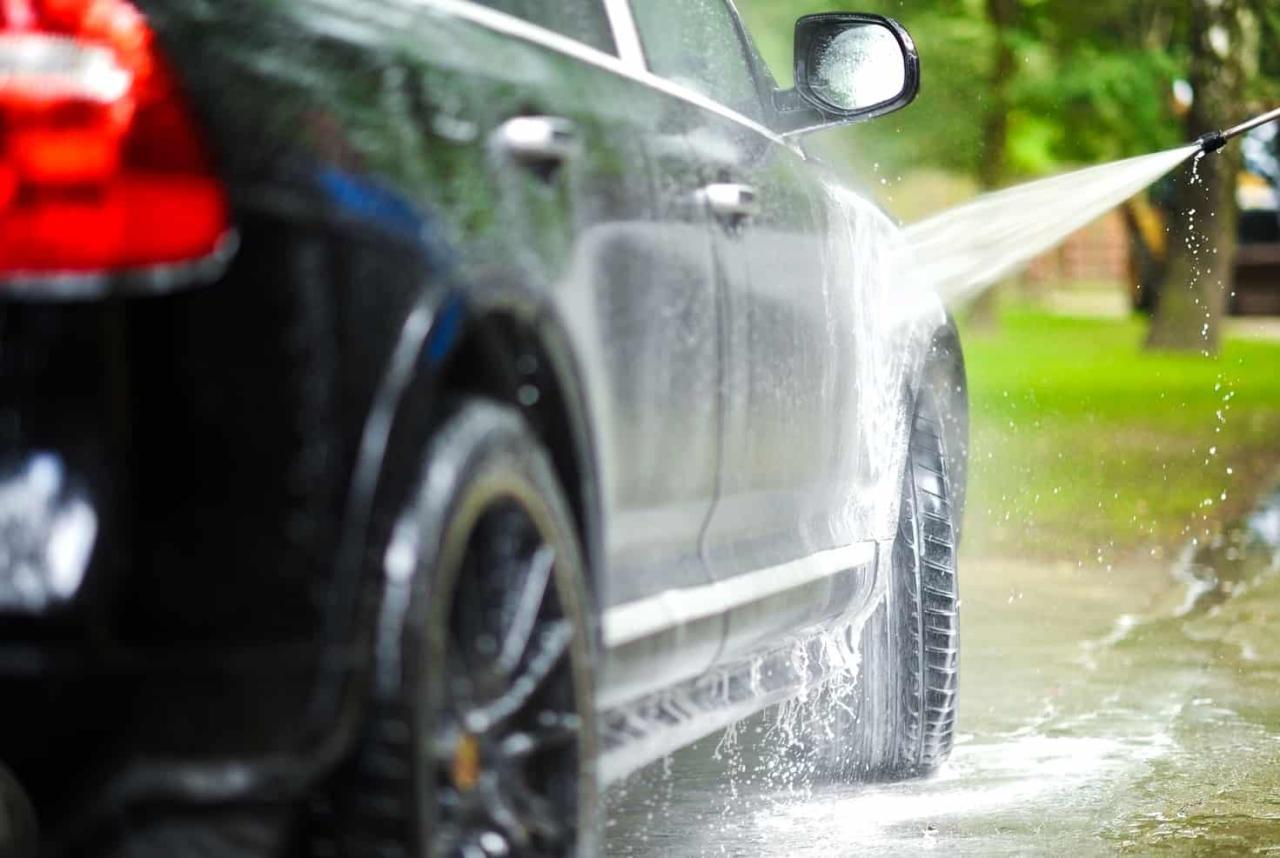
Following the washing process, the rinsing and drying stages are critical to achieving a truly spotless finish and preventing any new imperfections from appearing on your car’s paintwork. These steps are designed to remove all traces of soap and water without introducing dirt or creating scratches. A meticulous approach here ensures the effort put into washing is preserved.The rinsing process aims to thoroughly remove all soap and loosened dirt particles from the car’s surface.
It’s important to rinse in a way that doesn’t allow dirty water to run back over clean sections. Starting from the top and working your way down is a fundamental principle that helps ensure all suds and debris are effectively washed away.
Optimal Rinsing Techniques
To effectively rinse your vehicle and prevent the reintroduction of dirt, a systematic approach is recommended. This involves using a strong, but not overly harsh, stream of water to dislodge any remaining soap and contaminants. The goal is to leave the surface completely free of cleaning agents and loose grit.
- Begin rinsing from the roof of the car and work downwards. This allows gravity to pull the soap and dirt away from already rinsed areas.
- Use a steady flow of water from your hose or pressure washer. Avoid using a jet stream that could potentially damage delicate trim or emblems.
- Pay close attention to crevices, panel gaps, and around trim pieces where soap can accumulate. A gentle spray can help dislodge trapped suds.
- If using a pressure washer, maintain a safe distance from the paint surface, typically 12-18 inches, and use a fan-tip nozzle to spread the water pressure.
- A final thorough rinse ensures no soap residue is left behind, which could lead to streaks or etching if left to dry.
Drying Methods to Prevent Water Spots and Scratches
Drying is arguably the most crucial step in preventing water spots and new scratches. Water spots form when minerals in the water are left behind as the water evaporates, leaving unsightly marks. New scratches can easily be introduced if the wrong drying materials or techniques are used.The key to a scratch-free dry is using clean, absorbent materials that glide smoothly over the paint surface.
The car’s surface should be dried while still wet to prevent water from evaporating and leaving mineral deposits.
Suitable Drying Materials and Their Characteristics
Selecting the right drying materials is paramount for a safe and effective drying process. These materials are designed to be highly absorbent and gentle on the paintwork.
- Microfiber Drying Towels: These are the gold standard for car drying. High-quality microfiber towels are incredibly absorbent and have a soft, plush texture that traps dirt particles and prevents them from scratching the paint. Look for towels specifically designed for drying, often labeled as “waffle weave” or “plush” drying towels, which have excellent absorbency and a large surface area.
- Chamois (Synthetic or Natural): While traditional chamois can be effective, they require careful maintenance to remain soft and absorbent. Synthetic chamois, often made from PVA (polyvinyl alcohol), are a popular alternative. They are highly absorbent and can be wrung out easily, but it’s important to ensure they are clean and free of grit before use.
- Leaf Blower (for crevices): A leaf blower can be an excellent tool for drying hard-to-reach areas like panel gaps, mirrors, and around lights. The air stream can effectively blow water out of these crevices, preventing drips later on and reducing the need for excessive wiping.
Importance of Drying in the Shade or on a Cool Surface
The environment in which you dry your car significantly impacts the outcome. Attempting to dry a car in direct sunlight or when the surface is hot is a recipe for water spots and can make the drying process more difficult.
Drying the car while the surface is cool and out of direct sunlight is essential for preventing water spots and minimizing the risk of new scratches.
When a car’s surface is hot, water evaporates almost instantly, leaving behind mineral deposits before you have a chance to wipe them away. This results in prominent water spots that can be challenging to remove. Additionally, drying a hot surface can cause the drying material to drag, increasing the likelihood of creating swirl marks or scratches. Therefore, it is always best to:
- Park the car in a shaded area, such as a garage or under a tree, before beginning the drying process.
- If the car has been driven recently or exposed to sun, feel the surface temperature. If it’s warm to the touch, wait for it to cool down. Rinsing the car with cool water can also help to lower the surface temperature.
Addressing Specific Areas and Contaminants
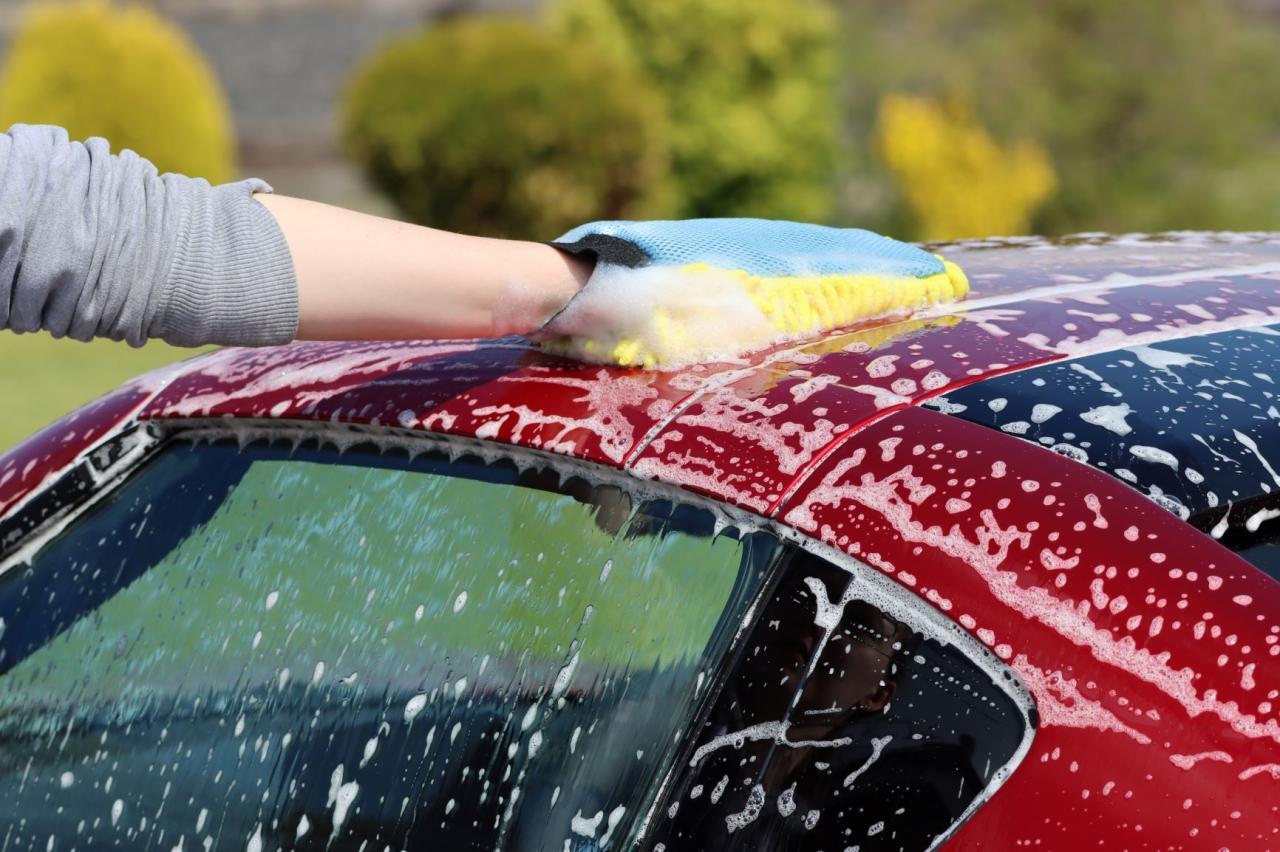
While the general washing techniques are crucial for a scratch-free finish, certain areas of your vehicle require specialized attention due to the nature of the dirt and materials they are made of. These areas often accumulate tougher contaminants that can be challenging to remove without the right approach and products. This section will guide you through safely tackling these specific zones.Properly cleaning wheels and tires is essential, as they are constantly exposed to road debris, brake dust, and grime.
Incorrect methods can lead to swirl marks on rims or damage to tire sidewalls. It’s important to use dedicated cleaners and tools for these components to ensure they are cleaned effectively without compromising the paintwork or delicate finishes of your wheels.
Wheel and Tire Cleaning Techniques
Wheels and tires are subjected to the harshest conditions on your vehicle. Brake dust, in particular, is abrasive and can bake onto rims, making it difficult to remove. Tires collect road tar, oil, and general dirt. The key to cleaning these areas without causing damage is to use products designed for them and to work from the inside out.
- Wheel Cleaners: Opt for pH-neutral wheel cleaners for most modern alloy wheels, especially those with clear coats or polished finishes. For heavily soiled wheels or those with baked-on brake dust, a dedicated acid-free wheel cleaner is often recommended. Always test a small, inconspicuous area first.
- Brushes: Use soft-bristled wheel brushes made from materials like microfiber or boar’s hair for the faces and barrels of your wheels. For the lug nut areas and intricate spoke designs, smaller detail brushes are invaluable. Tire brushes typically have stiffer bristles to agitate tire grime effectively.
- Tire Dressing Application: After cleaning and drying tires, apply a water-based or solvent-based tire dressing for a finished look and to protect the rubber. Apply it evenly with an applicator pad and wipe off any excess to prevent sling onto the paintwork.
Brake Dust and Road Grime Accumulation Areas
Areas like the lower sections of the car, wheel wells, and the undersides of bumpers are prime locations for brake dust and road grime to collect. These contaminants can be abrasive and, if left unaddressed, can etch into the paint or corrode metal components. A thorough pre-wash and the use of dedicated cleaning agents are vital here.
When tackling these areas, it’s beneficial to use a dedicated all-purpose cleaner (APC) or a degreaser. Spray these products generously onto the affected areas, allowing them to dwell for a few minutes to break down the grime. Use a soft-bristled brush or a wash mitt to gently agitate the dirt before rinsing thoroughly. This process helps to lift and remove the embedded contaminants that a regular wash might miss.
Stubborn Contaminant Removal
Stubborn contaminants such as tar spots, bug splatter, and tree sap require specific approaches to avoid scratching the paint. These are organic or petrochemical-based substances that bond strongly to the surface. Attempting to scrub them off with a wash mitt alone can lead to severe scratching.
- Bug and Tar Removers: These specialized cleaners are formulated to dissolve the sticky residues left by insects and tar. Apply the product directly to the affected area, allow it to penetrate for the time recommended on the product label, and then gently wipe away with a clean microfiber towel. Some products may require light agitation with a soft brush.
- Clay Bar Treatment: For embedded contaminants that remain after washing and chemical cleaning, a clay bar is an excellent tool. Used with a clay lubricant, the clay bar gently lifts and encapsulates contaminants without scratching the paint. This is typically done after washing and before polishing or waxing.
Specialized Cleaners for Different Dirt Types
The automotive cleaning world offers a wide array of specialized cleaners, each designed to tackle specific types of dirt and contaminants effectively and safely. Using the right product for the job not only yields better results but also significantly reduces the risk of damaging your vehicle’s surfaces.
Using a specialized cleaner is akin to using the correct tool for a specific task; it ensures efficiency and prevents unintended damage.
- Iron Removers: These products are designed to chemically break down iron particles, such as those found in brake dust, which can embed themselves in paint and wheels. They often change color (e.g., purple) as they react with the iron, indicating they are working.
- Degreasers: For greasy and oily residues, particularly on lower body panels, engines, or heavily soiled wheel wells, a dedicated automotive degreaser is highly effective. Ensure it is safe for painted surfaces or use it with caution and rinse thoroughly.
- All-Purpose Cleaners (APCs): Versatile and effective for a wide range of dirt, from general grime to interior surfaces. When used on exteriors, ensure they are diluted appropriately and are safe for automotive paint.
Maintaining Your Wash Mitts and Tools
Your dedication to a scratch-free car wash extends beyond the paintwork itself. The tools you use, particularly your wash mitts and drying towels, are critical in preventing scratches. Regularly cleaning and properly storing these items ensures they remain free of abrasive particles that can cause damage. This section will guide you through the essential practices for keeping your car washing arsenal in pristine condition.Regular cleaning of your wash mitts and sponges is paramount to maintaining a scratch-free finish.
Over time, these tools can accumulate dirt, grit, and microscopic debris from the car’s surface. If not properly cleaned, these trapped particles can be dragged across the paint during subsequent washes, leading to swirls and scratches. Therefore, a thorough cleaning routine after each use is not just recommended, but essential for preserving the integrity of your vehicle’s paint.
Wash Mitt and Sponge Cleaning Procedures
Effective cleaning of your wash mitts and sponges involves removing all trapped contaminants. This process should be done immediately after washing your car to prevent dirt from drying and embedding itself deep within the fibers.Here are detailed methods for washing and drying these essential tools:
- Rinsing: Thoroughly rinse your wash mitt or sponge under a strong stream of water. Squeeze and agitate the material to dislodge as much loose dirt and grit as possible.
- Machine Washing: For microfiber wash mitts, machine washing is highly effective. Use a dedicated wash mitt detergent or a small amount of pH-neutral, high-quality laundry detergent. Wash on a gentle cycle with warm water. Avoid using fabric softeners, as they can reduce the absorbency and cleaning power of microfiber.
- Hand Washing: If machine washing isn’t feasible, hand wash your mitts and sponges in a bucket of warm water with a dedicated wash mitt cleaner or mild soap. Agitate vigorously and rinse thoroughly until all soap residue is gone.
- Drying: Proper drying is as crucial as washing. Air drying is the preferred method for wash mitts and sponges. Hang them in a well-ventilated area away from direct sunlight, which can degrade materials over time. Ensure they are completely dry before storing to prevent mildew and odors. For drying towels, you can also use a low-heat setting in a dryer after air drying to help restore fluffiness, but again, avoid fabric softeners.
Wash Mitt and Drying Towel Replacement Guidelines
Even with diligent care, wash mitts and drying towels have a lifespan. Recognizing when to replace them is key to preventing accidental scratches.Consider replacing your wash mitts and drying towels when:
- Visible Damage: Look for any signs of wear and tear, such as thinning fibers, tears, or fraying edges. These indicate the material is breaking down and may no longer effectively trap dirt or dry the car without streaks.
- Reduced Effectiveness: If your wash mitt no longer holds suds well, or your drying towel leaves streaks despite proper washing and drying techniques, it’s likely time for a replacement. This often happens when the microfiber structure has been compromised by harsh detergents or excessive heat.
- Persistent Contamination: If you find it impossible to thoroughly clean a mitt or towel, and you suspect embedded grit, it’s safer to discard it. The risk of scratching your paint outweighs the cost of a new tool.
As a general guideline, a good quality microfiber wash mitt might last anywhere from 1 to 3 years with regular use and proper care. Drying towels, depending on their quality and usage, can last similarly. Inspecting them regularly will help you make informed decisions.
Tool Storage Recommendations
Proper storage is essential for maintaining the condition and effectiveness of your wash mitts and drying towels. Storing them correctly helps prevent contamination and prolongs their usability.Here are some recommendations for optimal storage:
- Dry and Clean Environment: Store your clean and dry wash mitts and towels in a dedicated, clean space. A plastic bin, a shelf in your garage, or a designated drawer works well. Ensure the area is free from dust, chemicals, or other potential contaminants.
- Separation: Keep your wash mitts and drying towels separate from other cleaning supplies, especially abrasive ones like brushes or metal tools. This prevents accidental damage or contamination.
- Ventilation: If storing in containers, ensure they allow for some air circulation to prevent moisture buildup, which can lead to mildew.
- Avoid Compaction: Do not overstuff storage containers. Allowing some space for the tools to breathe helps maintain the integrity of the fibers.
By adhering to these maintenance practices, you ensure that your wash mitts and drying towels remain gentle and effective tools in your quest for a perfectly clean and scratch-free car.
Avoiding Common Scratching Mistakes
While meticulous preparation and technique are key to a scratch-free car wash, a few common oversights can quickly undo your efforts. Understanding these pitfalls is as crucial as mastering the washing process itself. By being aware of these frequent errors, you can proactively protect your vehicle’s paintwork.
Improper Use of Cleaning Products and Tools
The temptation to grab whatever cleaning supplies are readily available can be strong, but this is a primary cause of paint damage. Household cleaners are often too harsh for automotive finishes and can strip protective waxes or even damage the clear coat. Similarly, using old t-shirts, dish sponges, or dirty rags is a recipe for disaster. These materials can harbor abrasive particles from previous uses or simply lack the softness required to glide across the paint without creating micro-scratches.It is essential to only use products specifically designed for car care and to employ wash mitts and towels made from microfiber, which are engineered to be gentle on paint.
Washing in Inappropriate Conditions
The environment in which you wash your car significantly impacts the outcome. Washing your vehicle in direct sunlight or when the paint surface is hot presents a substantial risk of inflicting scratches and water spots.
- Direct Sunlight: When exposed to direct sunlight, water and soap dry too quickly on the car’s surface. This rapid evaporation leaves behind mineral deposits and soap residue, which can be difficult to remove without scrubbing, thereby increasing the likelihood of scratching.
- Hot Paint Surface: A hot surface exacerbates the problem of quick drying. The heat from the sun or recent driving can cause cleaning solutions to flash off almost instantly, creating a similar effect to washing in direct sun but with an even higher risk of etching the paint if left to dry.
Always aim to wash your car in a shaded area, such as a garage or under a covered carport, and ensure the paint surface has cooled down completely before you begin.
Risks Associated with Automatic Car Washes
While convenient, automatic car washes often pose a greater risk to your car’s paint than a carefully executed hand wash. These systems, especially older or less well-maintained ones, can be a breeding ground for scratches.
| Type of Automatic Car Wash | Potential Scratching Mechanisms | Consequences |
|---|---|---|
| Friction/Brush Washes | Reusable brushes or cloths can trap dirt and grit from previous vehicles, acting like sandpaper against your paintwork. The pressure and movement of these brushes can also cause swirl marks. | Visible swirl marks, micro-scratches, and dullness in the paint finish over time. |
| Touchless Washes | While avoiding physical contact, these washes rely on high-pressure water jets and strong chemical detergents. If not properly rinsed, residual chemicals can etch the paint, and high-pressure jets can sometimes dislodge small particles that then become abrasive. | Potential for chemical etching, dullness, and minor surface imperfections if not followed by careful drying. |
In contrast, a thorough hand wash, when performed with the correct tools and techniques, offers unparalleled control. You can ensure that only clean water and gentle cleaning agents come into contact with your paint, and you can meticulously clean every area without the risk of abrasive materials being dragged across the surface.
Advanced Techniques and Protective Measures
Beyond the fundamental washing process, employing advanced techniques and protective measures significantly enhances your car’s paintwork’s longevity and resilience. These steps go beyond simply cleaning to actively safeguarding your vehicle’s finish against environmental damage and minor abrasions, ensuring it maintains a pristine appearance for longer.
Paint Sealants and Waxes for Protective Layers
Paint sealants and waxes are crucial for creating a sacrificial barrier over your car’s clear coat. This layer is designed to absorb minor abrasions from dust, road debris, and light environmental contaminants, preventing them from reaching and damaging the paint itself. These products add depth and gloss to the paint, making it more visually appealing while also offering protection.
Application Process for Protective Coatings
The application of paint sealants and waxes requires careful preparation and methodical execution to achieve optimal results. A clean surface is paramount; any dirt or debris left on the paint will be sealed in, potentially causing micro-scratches.
The general application process involves:
- Preparation: Ensure the vehicle is thoroughly washed, dried, and ideally decontaminated using a clay bar to remove embedded contaminants.
- Application: Apply a small amount of sealant or wax to an applicator pad. Work in small, manageable sections, applying the product in a consistent pattern (e.g., overlapping strokes).
- Curing: Allow the product to haze or dry according to the manufacturer’s instructions. This curing time is essential for the protective layer to bond effectively with the paint.
- Buffing: Using a clean, plush microfiber towel, gently buff off the haze to reveal a glossy, protected finish.
- Second Coat (Optional): For added durability and protection, a second coat can be applied after the first has fully cured.
Ceramic Coatings for Enhanced Durability and Scratch Resistance
Ceramic coatings represent a significant advancement in automotive paint protection. Unlike traditional waxes or sealants that sit on the surface, ceramic coatings chemically bond with the factory paint, creating a semi-permanent, ultra-hard layer. This bond provides superior protection against chemical stains, UV rays, and, notably, minor scratches and swirl marks.
The benefits of ceramic coatings include:
- Exceptional Durability: Ceramic coatings can last for several years, offering long-term protection that far exceeds that of waxes and sealants.
- Superior Scratch Resistance: The hardness of the ceramic layer makes it significantly more resistant to light scratches and swirl marks from daily driving and washing.
- Hydrophobic Properties: Ceramic coatings create an extremely slick surface that repels water and dirt, making the car easier to clean and maintain.
- Enhanced Gloss: They impart a deep, rich gloss and clarity to the paintwork.
Detailing Sprays as Quick Detailers and Dust Removers
Detailing sprays, often referred to as quick detailers, are invaluable for maintaining a car’s appearance between full washes. They are formulated to safely lift light dust, fingerprints, and other surface contaminants without scratching the paint. These sprays also often contain gloss enhancers and lubricants to improve the slip of your microfiber towel, further reducing the risk of inducing swirls.
Detailing sprays are best utilized for:
- Dust Removal: Lightly mist the surface and gently wipe away accumulated dust with a clean microfiber towel.
- Bird Dropping and Insect Splatter Removal: Spray liberally, allow it to dwell for a moment to soften the contaminant, then carefully wipe away with a clean microfiber.
- Enhancing Gloss: Many detailing sprays leave behind a slick, glossy finish, perfect for a quick touch-up before an event or show.
- Lubrication: They provide essential lubrication when performing light spot cleaning, preventing micro-scratches.
Detailing sprays are not a substitute for a thorough wash but are excellent tools for preserving a clean finish and preventing minor contaminants from etching into the paint.
Closing Summary

In conclusion, mastering How to Wash a Car Without Scratching the Paint is an achievable goal that significantly enhances your vehicle’s longevity and visual appeal. By embracing the detailed steps Artikeld, from meticulous pre-washing and the two-bucket method to careful drying and tool maintenance, you are investing in the preservation of your car’s finish. These practices not only prevent damage but also contribute to a superior, lasting shine, ensuring your car remains a source of pride for years to come.